
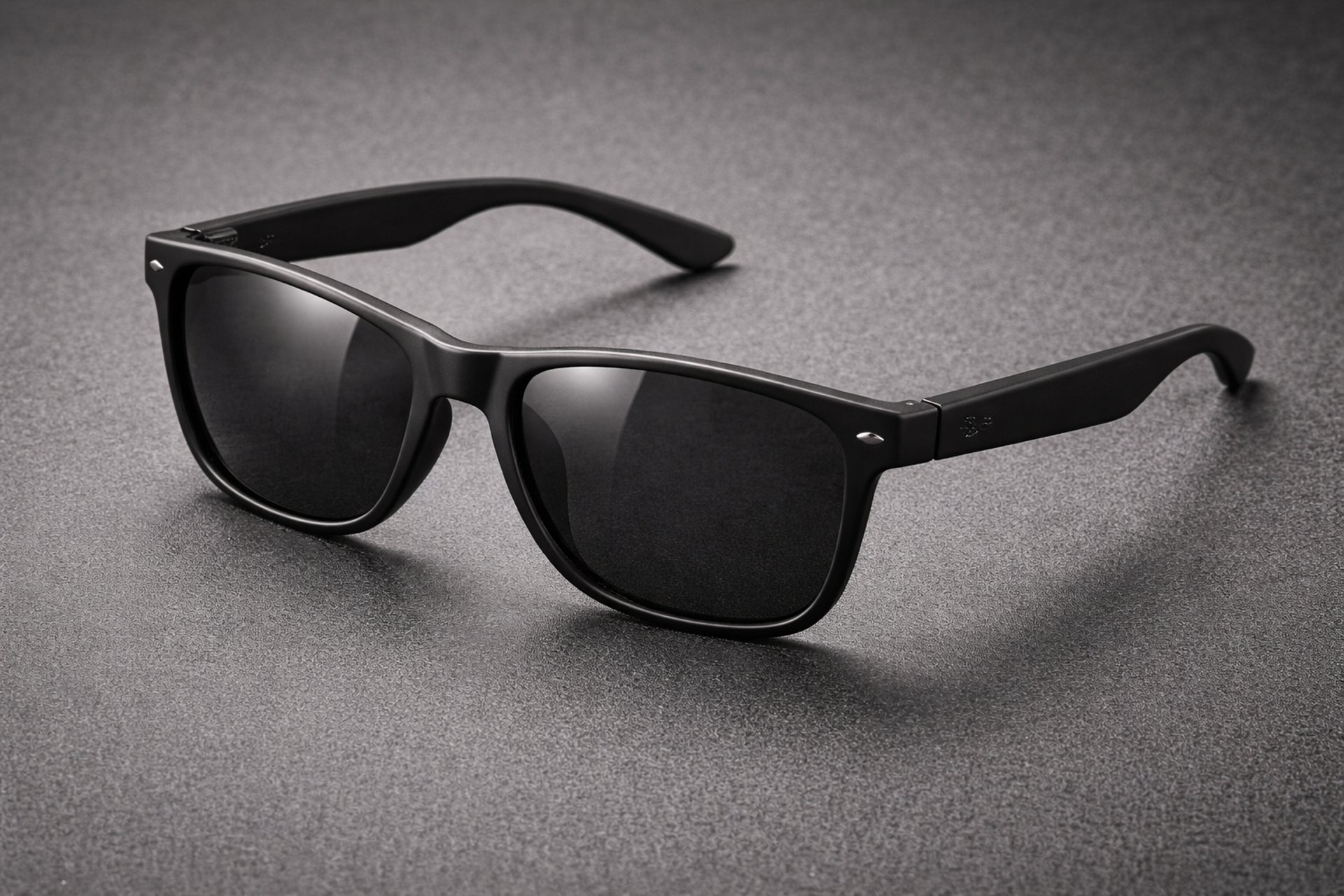
Why Do Some Sunglasses Cause Eye Fatigue?
Discover why sunglasses can cause eye fatigue and learn how lens quality, polarization, tint, and fit affect your eye comfort with sunglasses eye fatigue.
EDC SUNGLASSES
The EDCBuzz Editorial Team - Led by AJ “Buzz” Eichman
7/4/20268 min read
If you’ve ever popped on a pair of sunglasses only to find your eyes feeling more tired after a while, you’re not alone. Sunglasses are supposed to protect your eyes and improve comfort, but sometimes they do the opposite — leaving you with headaches, eye strain, or that telltale fatigue that sneaks up after an afternoon outside. The causes aren’t always obvious. It’s not just about shading your eyes from the sun or looking cool while you’re out and about. Several factors, from lens quality to polarization and tint, play into whether your shades make it through a day comfortably or become a chore you want to ditch early. After wearing a handful of different pairs for weeks on end, I’ve noticed there’s more to choosing sunglasses than picking a style that doesn’t clash with your shirt.
For a broader look at choosing quality eyewear, start with EDC Sunglasses and explore the Sunglass Lens & Frames Guide before picking your next pair.
Quick Verdict
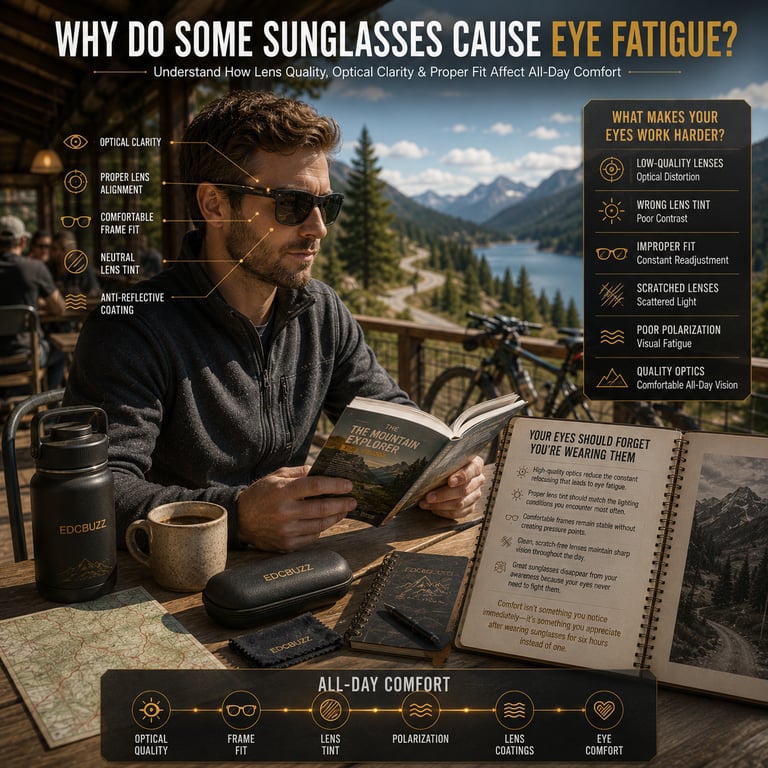
Poor lens quality often distorts vision and makes your eyes work harder, leading to fatigue.
Polarized lenses reduce glare but can cause discomfort or headaches if not properly aligned or made.
Blue light filtering can help with screen-related eye strain but might alter colors and cause subtle fatigue if overdone.
Frame fit and lens tint matching with the light environment are crucial for sustained eye comfort.
How Sunglasses Affect Eye Comfort and Fatigue
Sunglasses do more than just shield your eyes — they alter how your eyes engage with the world’s light. When done right, this action reduces the strain of squinting against glare, helps your pupils maintain a steady size, and improves visual clarity. When off, they force your eyes to compensate: focusing harder through visual distortions, battling reflections, or constantly adjusting to fluctuating light levels. Over time, this extra work leads to fatigue.
After weeks of daily wear, the small annoyances become obvious: the sneaky blurriness that’s not there with other pairs, a slight headache that creeps in during long drives, or that familiar tiredness that shows up mid-afternoon in the sun. It’s subtle at first but accumulates. Good sunglasses settle into daily use easily, letting you forget they’re even there — the ones that cause fatigue tend to shout with discomfort after a few hours.
If you're frequently outdoors, a pair of Best Hiking Sunglasses can also reduce fatigue by combining quality optics with stable, all-day comfort.
The Role of Lens Quality in Preventing Eye Strain
Lens quality might be the single most important factor when it comes to avoiding eye fatigue. High-quality lenses are crafted to provide optical clarity with minimal distortion, allowing your eyes to see with minimal extra effort. Lower-quality lenses introduce blurring, slight warping, or color shifts that make your eyes work overtime. You can think of it like putting on glasses with a weak prescription — it’s not painful immediately but wears you down.
Materials matter too. Polycarbonate and CR-39 plastics are common, with polycarbonate offering impact resistance and generally lighter weight — both helpful for comfort over long wear. But not all plastics are created equal; scratch-resistant coatings and anti-reflective layers work behind the scenes to keep your view sharp. In contrast, worn or scratched lenses degrade visual clarity, forcing your eyes to strain and contributing to fatigue. Learn more in Choosing Between Glass and Polycarbonate Lenses.
After using sunglasses with varying lens grades, I noticed the difference after hours on the road or while out for a walk on a sunny day. The cheaper lenses started to cause a slight headache when glare was high or when I had to focus on distant objects repeatedly. The better lenses, though, stayed "invisible" to my eyes, keeping everything crisp and reducing the urge to squint or adjust focus.
Polarized Lenses: Benefits and Potential Drawbacks
Polarized lenses have earned a reputation as glare fighters, and rightly so. By blocking horizontal light waves that bounce off surfaces like water or pavement, they reduce the harsh reflections that often cause us to squint and strain. Outdoors, especially near water or snow, these lenses can be a game-changer — you can actually see instead of guess what’s behind the glare.
But not all polarized lenses are created equal, and their benefits come with some caveats. If the polarization angle isn’t properly aligned or if the lens quality is poor, users might experience discomfort, subtle visual distortions, or even headaches after some time. It’s one of those “almost perfect” tools that can backfire if the optics aren’t dialed in. Plus, for some, polarized lenses can make looking at digital displays tricky due to how the light from screens interacts with the polarization filter. Polarized Sunglasses and UV Protection Explained dives deeper into how these lenses work.
After switching among polarized and non-polarized pairs for daily urban and outdoor wear, I found that the polarized ones shine best where glare is intense and constant — driving into a low sun, fishing, or walking by reflective surfaces. But there were moments of slight eye discomfort when I was switching focus rapidly, a sign that the lenses’ optical quality and alignment might’ve been just shy of ideal.
Blue Light Filtering Sunglasses and Their Impact
Blue light filtering has become a buzzword with digital eye strain in the spotlight, and sunglasses now often mimic this by blocking shorter blue wavelengths. The idea is simple: less blue light could mean less screen-induced eye fatigue, which seems logical if you spend long hours in front of devices.
However, sunglasses with blue light filtering sometimes tip the scale too far. Excessive blue light blocking can alter color perception, making things look dull or off. Our brains rely on natural light cues to regulate alertness and comfort, so over-filtering can create a kind of visual disconnect that ends up wearing you out in its own way. Not quite what you want from a pair of sunglasses designed to help your eyes.
In practice, I found blue light filtering sunglasses useful during long outdoor trips where the sun’s blue spectrum is harsh, but for everyday screen work, a dedicated screen filter or glasses designed strictly for indoor use worked better than outdoor shades with heavy blue filtering. Mixing the two tends to cause a mild but noticeable color fatigue — your eyes adjust, but it’s no free lunch. Similar technology is also used in Photochromic Lenses Explained: How They Work.
Choosing the Right Lens Tint and Frame Fit
Lens tint is where sunglasses go from mere protection to a tool tailored for comfort. The right tint helps balance visible light transmission to reduce squinting without plunging you into visual gloom. Too dark a tint in moderate light conditions forces your eyes to strain in shadows or when you need to look at less bright things, while too light a tint fails to reduce glare effectively.
Colors matter, too. Gray lenses provide true color perception with neutral shading, while brown or amber tints enhance contrast but can slightly distort natural colors. Green lenses fall somewhere in between. Matching the tint to your environment and your specific needs helps maintain eye comfort over extended use. How Lens Colors Affect Vision Outdoors explains which tint works best for different activities.
Equally important is how the frame fits your face. If your sunglasses slide down your nose every few minutes or press unevenly on your temples, your eyes compensate by constantly readjusting focus and posture, which leads to fatigue faster than you’d expect. A proper fit keeps the lenses centered and stable, reducing interruptions in your visual field and effort.
From experience, I’ve worn sunglasses that felt great out of the box but after half a day ended up slipping just enough to cause annoyance. The little effort of chasing them around your face actually adds up. A decent frame fit that stays put isn’t glamorous, but its impact on eye comfort after hours is significant.
Common Mistakes That Cause Sunglasses-Induced Eye Fatigue
There’s a handful of easy-to-overlook missteps that can turn sunglasses from helpers to headache makers.
Assuming all polarized lenses prevent eye fatigue regardless of quality or fit. Not true. Badly made or misaligned polarization can add strain.
Wearing sunglasses with lens tints too dark or too light for the conditions. Your eyes need balanced light, not extremes.
Neglecting lens coatings like anti-reflective or scratch-resistant layers. Scratches and reflections add layers your eyes must filter out.
Buying blue light blocking shades without understanding their effects. Overdoing it can alter colors and worsen fatigue.
Ignoring frame fit. Constantly adjusting your sunglasses forces eye and neck muscles to work harder.
Using old or damaged lenses. Worn lenses introduce blurring and ghost images, making your eyes do more work.
If you're considering premium eyewear to avoid these issues, Why Do Premium Sunglasses Cost So Much? explains what you're actually paying for.
Tips to Maintain Sunglasses for Optimal Eye Comfort
Wearing your favored pair day in and day out means maintenance matters. Regularly cleaning lenses with proper cloths and solutions preserves clarity. Scratches are more than cosmetic; they scatter light and force your eyes to compensate, leading to fatigue. Storing sunglasses in a protective case prevents damage from drops or rough handling.
Replacing old sunglasses before the lenses degrade too much may seem like just an expense, but it pays off in comfort. Over time, lens materials degrade, coatings wear off, and optical clarity suffers — all stealthy contributors to tired eyes.
If you notice headaches, persistent squinting, or blurry vision developing with your current sunglasses, it might be time to consult a specialist or invest in an upgrade that focuses on lens quality, correct tints, and fit. Comparing premium models like Julbo Shield REACTIV vs Maui Jim Stone Shack (Photochromic vs Polarized) can also highlight how different lens technologies affect comfort.
Frequently Asked Questions About Sunglasses and Eye Fatigue
Why do some sunglasses give me headaches or eye strain?
Headaches and eye strain often come from lenses that distort vision through poor optical quality, incorrect polarization, or unsuitable tint. Your eyes work harder to compensate, leading to fatigue.
Is polarized glass better for preventing eye fatigue?
Polarization reduces glare which helps prevent fatigue, but only if the lenses are well-made and correctly aligned to your environment. Poorly polarized lenses can cause discomfort and eye strain. If you're deciding between lens technologies, see What Are Polarized Sunglasses and Are They Worth It?
Do blue light blocking sunglasses help reduce eye fatigue from screens?
They can help reduce strain from screens exposed to direct sunlight, but using heavy blue light blockers outdoors might alter color perception and cause subtle fatigue if not balanced properly.
How does lens quality affect eye comfort and vision?
High-quality lenses offer clearer, distortion-free vision, reducing eye strain. Low-quality lenses introduce blurring or optical flaws that tire your eyes working to focus.
Can lens tint color impact how tired my eyes feel?
Yes, tint colors affect contrast and color perception. Incorrect tint for the lighting conditions can make your eyes work harder, resulting in fatigue.
What are signs that my sunglasses are causing eye fatigue?
Signs include headaches after wear, frequent squinting, blurry vision, eye discomfort, or needing to frequently adjust your sunglasses to reduce strain.
Are more expensive sunglasses always better for eye comfort?
Not necessarily. Cost often reflects brand and style more than actual comfort or lens optics. Look for proper lens quality, coatings, tint, and fit rather than price alone. Comparing classic models like Ray-Ban RB3025 vs Randolph Concorde Aviator (Polarized vs Non-Polarized) can show why construction matters beyond price.
How can I pick sunglasses that reduce eye strain in different environments?
Assess your typical lighting exposure, choose lenses with appropriate tint and polarization, ensure good optical quality, and prioritize comfortable fit to match your daily activities.
Conclusion
Sunglasses are a core piece of everyday carry gear for a reason: they protect and enhance your vision, not just your look. But wearing any old pair won’t cut it if you’re dealing with eye fatigue at the end of the day. After living with several styles, the difference quality lenses, thoughtful polarization, careful blue light filtering, and good fit make becomes clear — pun intended.
Your eyes notice when things aren’t right; small distortions, slipping frames, or inappropriate tint add up, and before you know it, your head is tired in a way sunglasses are meant to prevent. Getting it right isn’t about spending the most but focusing on optics that suit your needs and comfort. Because letting your shades do their job without adding to the strain is one of the most underrated perks of smart everyday carry.
Next time you reach for your sunglasses, ask yourself — are they really working with your eyes, or making them work for you?

Contact@TheBuzzHQ.com
© 2026 EDCBuzz. All rights reserved.
EDCBuzz
Master everyday carry systems with clarity and precision. Built for real environments and practical use.
For educational purposes only.
General Inquiries: