
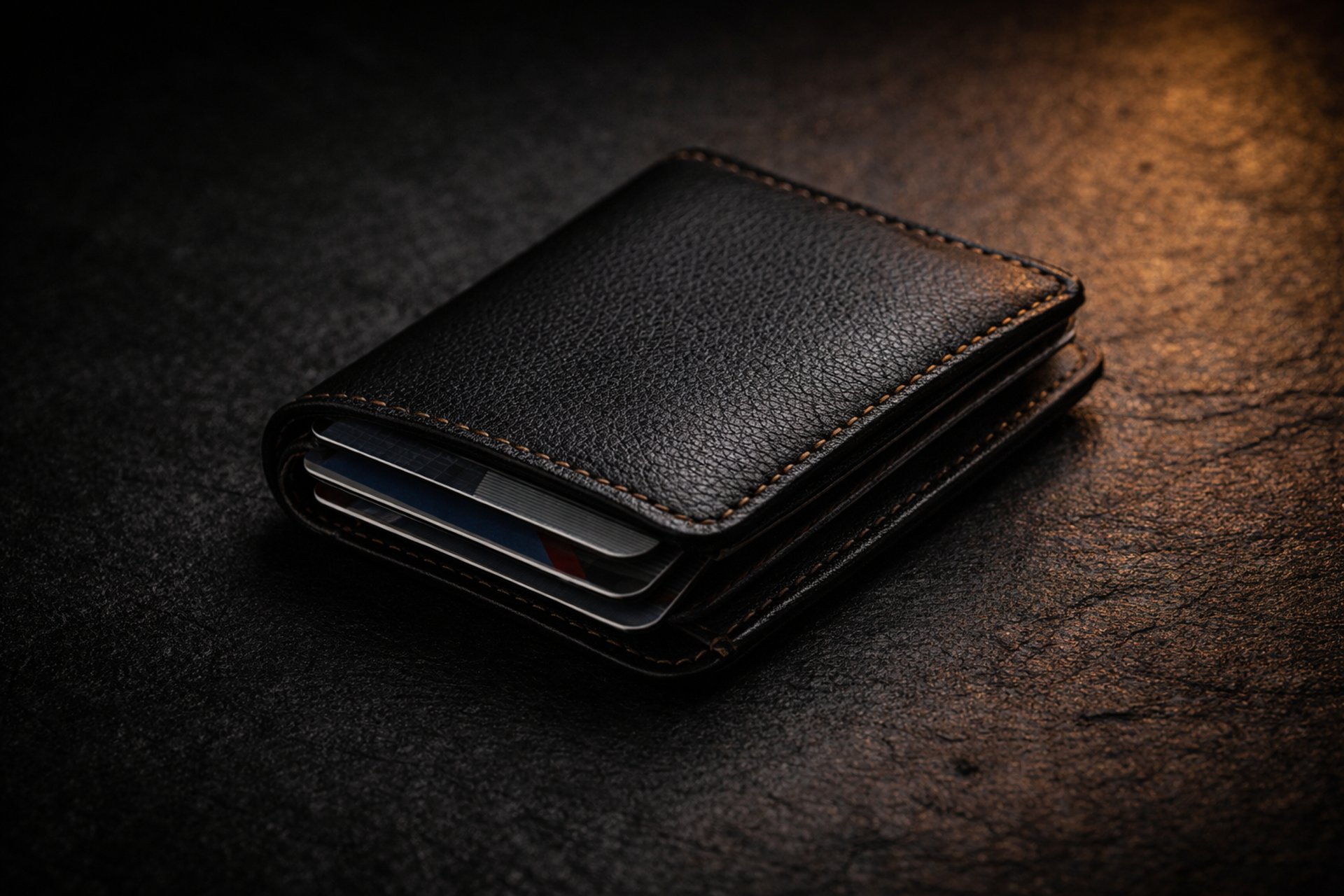
RFID Wallets: Do You Need One?
Explore whether RFID wallets are a practical addition to your everyday carry and how they protect your cards with RFID blocking technology.
EDC WALLETS
The EDCBuzz Editorial Team - Led by AJ “Buzz” Eichman
4/9/20267 min read
You’ve probably seen those sleek wallets claiming to protect your cards from electronic pickpockets—RFID wallets. They promise to block the radio frequency identification (RFID) signals embedded in many credit cards, IDs, and passports, shielding you from what sounds like a James Bond-level crime happening quietly in your pocket. But after carrying one for a while, here’s the question: do you really need an RFID wallet?
This article dives into what RFID wallets are, how they work, whether RFID skimming is something to worry about daily, and what realistically fits into an everyday carry setup. No hype, no flash—just the kind of observations someone who’s kept one in a back pocket for weeks would notice.
Quick Verdict
RFID wallets do block signals, but effectiveness depends heavily on materials and build quality.
Actual RFID skimming incidents are rare, making these wallets more precautionary than essential.
Not all RFID wallets are bulky, but some trade slimness for better shielding.
If you carry multiple RFID-enabled cards regularly, an RFID wallet could be worth adding to your EDC.
What Is an RFID Wallet and How Does It Work?
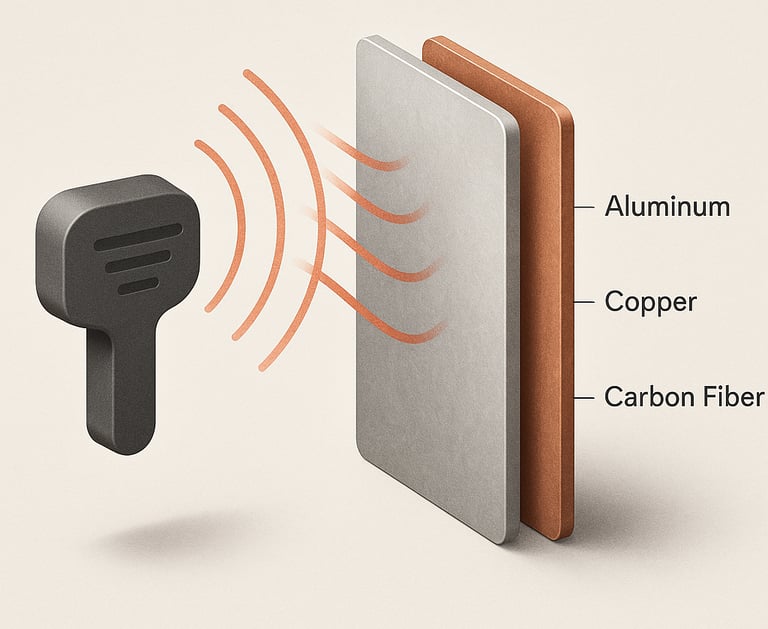
RFID wallets are a thoughtfully designed breed of everyday carry wallets engineered to stop your RFID-enabled cards from communicating with scanners unless you want them to. They do this by incorporating layers of conductive or metallic material—often aluminum, copper, or carbon fiber—that create a barrier around the cards.
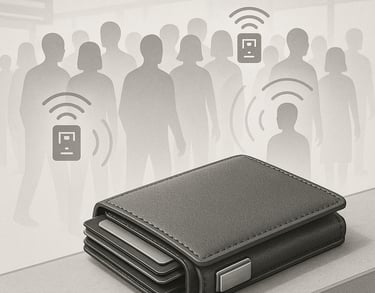
RFID chips embedded in many payment cards and IDs operate on a frequency around 13.56 MHz. Without protection, someone with the right scanner might skim data just by passing close to your wallet in a crowded spot. The RFID wallet disrupts or absorbs these signals, scrambling attempts at unauthorized reading.
After a few weeks carrying one, it’s clear the wallet doesn’t interfere with the normal use of cards once you slide them out. That’s crucial because some cheaper blocking materials cause friction or a clunky feel. The better designs keep things smooth and easy to access, making your wallet feel like your usual trustworthy companion, not the gadget equivalent of training wheels.
How Common Is RFID Skimming and What Are the Risks?
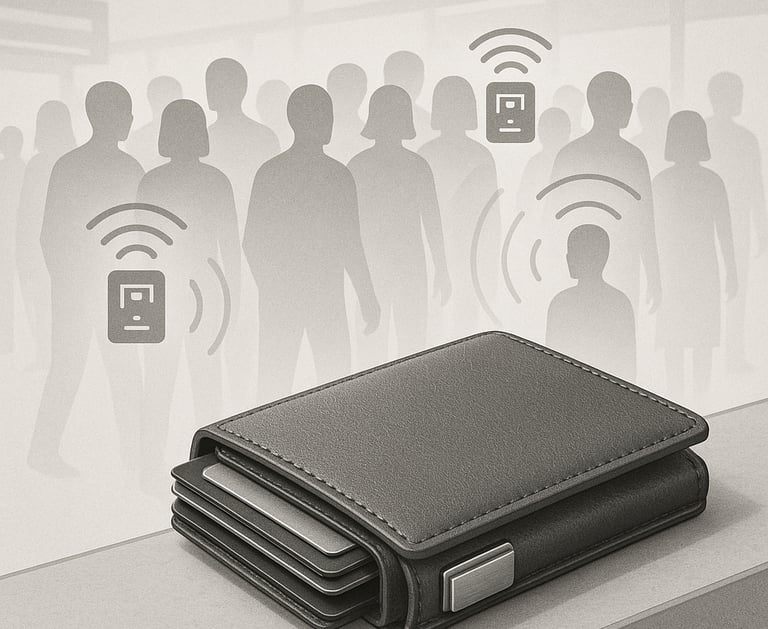
Here’s the part where the mustard meets the mayonnaise. RFID skimming is technically possible, but in reality, these incidents are sporadic and far from widespread. Electronic theft through RFID scanning requires proximity, specialized equipment, and a bit of patience from the thief who hopes you won’t notice them standing too close.
The real risk manifests mostly in crowded, close-quarter environments such as public transit or bustling events. Even then, successful digital theft is relatively rare compared to card duplication or traditional pickpocketing.
After living with an RFID wallet, the risk doesn't feel urgent enough to mandate one for everyone. If your carry includes a few RFID-enabled cards and you’re often in densely packed places, it makes more sense. For the casual user, it’s more of an added layer of insurance—you might never need it, but it doesn’t hurt to have.
Materials and Construction of RFID Blocking Wallets
Not all RFID wallets are crafted equally, and if you move beyond surface-level marketing, the material really shows up in daily use. Aluminum lining is common and reliable—thin but stiff enough to test your patience when loading cards. Copper layers offer a good conductive shield with a bit more resilience to crushing. Carbon fiber blends the blocking effect with durability and keeps things lightweight, ideal for people who dislike bulky carry.
If you want to understand how materials affect long-term performance, Best Wallet Materials Explained is worth reviewing alongside real-world use.
It’s interesting how these materials affect wallet fatigue over time. For instance, after a full day carrying an aluminum-lined wallet, the stiffness can make card removal slightly annoying, adding a small pinch of friction. Carbon fiber models retain flexibility and feel lighter, which made them much easier to slip in and out of a front pocket without that sticky drawer effect.
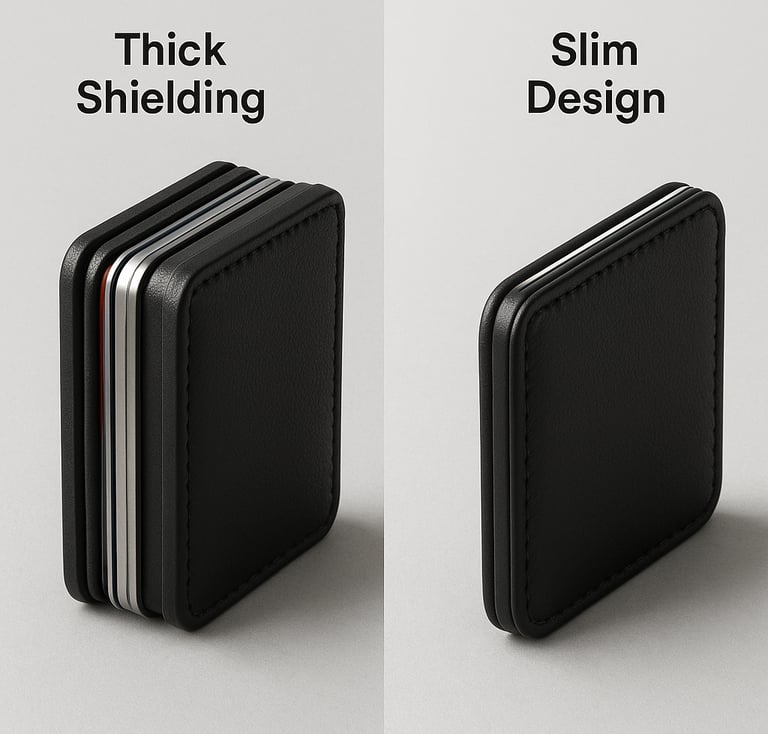
Some designs use mesh or foil linings combined with leather or synthetic fabrics. These strike a balance, staying thin but maintaining shielding. However, a wallet that’s too slim might not block signals as thoroughly as one with thicker lining. It’s a tradeoff between comfort and security.
When Should You Consider an RFID Wallet?
If your everyday wallet is overloaded with contactless cards—and by that, I mean more than a handful—it’s worth a look. Frequent travelers who tote passports packed with RFID chips alongside business cards and multiple payment options often find these wallets fit their routine well without extra bulk.
If you’re still dialing in your setup, understanding your carry habits through How to Choose an EDC Wallet helps frame whether RFID actually matters for you.
Conversely, if your carry is minimalist, with only one or two cards—and your daily surroundings don’t put you near enough strangers for long—you might skip the specialized wallet. The likelihood of scanning gone wrong is minimal enough to justify sticking with your regular setup.
An important point: if you’re considering switching, look beyond just the RFID blocking. Make sure the wallet fits comfortably in your preferred pocket, doesn’t add bulk that becomes noticeable after a day, and organizes your cards in a way that doesn’t cause frequent fumbling.
Comparing RFID Wallets: Performance and Usability
From a usability standpoint, RFID wallets generally come in two camps—those that sacrifice slimness for security and those that prioritize minimalism with moderate protection.
If you're comparing real-world designs, something like Ridge Wallet vs Trayvax Contour Wallet highlights how different builds handle durability and access.
On the security front, wallets with thicker metal plates or multiple layers visibly outperform single-layer or foil-lined options when tested with scanners. But thicker wallets tend to sit heavier in the pocket and sometimes protrude awkwardly if your trousers don’t have spacious pockets.
Carry comfort is often the silent dealbreaker. After a few days, the weight becomes noticeable—not a dealbreaker, but not something you forget about either. You want a wallet that settles into daily use easily, which is usually where better designs start to stand out.
A favorite among many in the field is a wallet that straddles the middle ground—enough metal to block effectively, but combined with a compact form factor and smooth card access. This is usually the one you forget you’re carrying—unlike the misplaced wallet that makes its presence known the hard way when you sit.
Common Mistakes to Avoid When Buying an RFID Wallet
A few missteps are easy to spot once you’ve lived with an RFID wallet rather than just admired it through online reviews.
Assuming all RFID wallets offer the same level of protection. It’s tempting to think “RFID blocking is RFID blocking,” but material differences and construction quality matter. Look for credible tests or verified claims rather than generic promises.
Overestimating the risk. Buying an RFID wallet purely out of fear, not need, leads to unnecessary spending and sometimes less practical carry.
Forgetting to consider wallet size and organization features alongside RFID blocking. A bulky wallet that blocks signals but won’t fit comfortably in your everyday pocket is as useless as a sieve.
Thinking RFID blocking defends against all forms of digital theft. Spoiler: it only shields against RFID signals, not hacking via compromised apps, online breaches, or physical card loss.
Ignoring wear and tear. The metallic or conductive materials degrade over time. If a wallet’s blocking ability isn’t lasting, you’re back to square one without realizing it—and that can become a security blind spot.
FAQs About RFID Wallets and RFID Protection
What is an RFID wallet and how does it work?
An RFID wallet incorporates materials like aluminum or copper that block radio waves used by RFID readers, preventing unauthorized scanning of the chips in your cards or IDs.
Do I really need an RFID blocking wallet for everyday use?
That depends on your lifestyle. If you carry several RFID-enabled cards and spend time in crowded places, it’s a smart precaution. Otherwise, the risk is low enough that a traditional wallet might be just fine.
How do I know if my current wallet blocks RFID signals?
Most standard wallets do not block RFID signals. Some manufacturers provide testing results or labels. You can test at home with an RFID reader app or device, but accuracy varies.
Are RFID blocking wallets bulky or inconvenient for daily carry?
Not necessarily. Quality RFID wallets balance material thickness and weight to maintain a slim profile, but some models are bulkier to improve protection, which could affect comfort.
Can RFID stealing happen with all types of credit cards and IDs?
No. Only cards and IDs equipped with RFID chips are vulnerable. Many older cards and some newer contact-only cards don’t have this capability.
Is there a difference between RFID blocking and RFID shielding?
They’re essentially similar concepts. “Blocking” and “shielding” both refer to preventing RFID signals from reaching the chip by creating a barrier.
How durable are RFID blocking wallets compared to standard wallets?
It varies with materials. Metal layers might wear or bend over time, reducing effectiveness, but wallets using carbon fiber or quality alloys can be very durable if cared for well.
Are there any common misconceptions about RFID wallet effectiveness?
Yes. Many believe RFID wallets completely eliminate all risk, which isn’t true. Threats depend on multiple factors, and blocking technology can degrade with wear.
Practical Tips for Integrating an RFID Wallet into Your EDC
Start by evaluating what cards you carry daily. If multiple are contactless, giving them extra protection is wise. Look for RFID wallets that don’t add noticeable bulk and organize your carry thoughtfully—losing a wallet with multiple cards in a crowded place is still a hassle, shield or not.
If you’re actively upgrading your setup, browsing Best EDC Wallets or more focused picks like Best Minimalist Wallets can help you find RFID-ready options that still fit your carry style.
Regularly review your wallet’s condition. Over time, the blocking materials might lose effectiveness, so replacing or repairing your wallet is necessary to keep that invisible shield working.
Finally, carry the wallet in a pocket where it’s less likely to be exposed to unnecessary pressure or bending that could damage the blocking layers. A front pocket is usually better than a back pocket for this purpose.
Conclusion
After carrying and living with an RFID wallet for a while, they feel less like a must-have gadget and more like a solid hedge against remote digital theft that, while rare, is possible. They don’t drastically change your everyday carry but do demand some thought about fit, comfort, and durability.
If you want to see how RFID fits into the broader ecosystem, the EDC Wallets pillar ties everything together into a full carry system.
If your carry routine involves multiple RFID-enabled cards or passports and you frequent crowded or close-quarters environments, investing in a quality RFID blocking wallet makes practical sense—kind of like paying for seat belts in a car. You hope you don’t need it, but it’s reassuringly there.

Contact@TheBuzzHQ.com
© 2026 EDCBuzz. All rights reserved.
EDCBuzz
Master everyday carry systems with clarity and precision. Built for real environments and practical use.
For educational purposes only.
General Inquiries: