
What Are Polarized Sunglasses and Are They Worth It?
Explore how polarized sunglasses reduce glare and improve clarity for everyday use. Learn if they’re worth adding to your daily gear.
EDC SUNGLASSES
The EDCBuzz Editorial Team - Led by AJ “Buzz” Eichman
7/4/20267 min read
If you’ve ever found yourself squinting through a particularly bright day—maybe while driving home or fishing off the dock—you know glare can turn simple tasks into an uncomfortable ordeal. That blinding flash off wet roads or the shiny surface of your dashboard seems almost designed to ruin your day. Enter polarized sunglasses, the unsung heroes often tucked into an everyday carry setup for those moments when clarity and comfort matter most. But what exactly are polarized sunglasses, how do they work, and—most importantly—are they worth adding to your daily gear? After living with a pair for several weeks in both urban grit and outdoor haze, I’m here to share what the experience looks like beyond first impressions.
The answer starts with understanding the basics of EDC Sunglasses and How To Choose Sunglasses before deciding whether polarized lenses are the right fit for your everyday carry.
Quick Verdict
• Polarized sunglasses significantly reduce glare from reflective surfaces, providing clearer vision and less eye strain in bright conditions.
• They improve contrast and visual comfort, making daily activities like driving, commuting, or outdoor hobbies more pleasant.
• Polarized lenses aren’t perfect for every situation—they can make some digital screens harder to read and aren’t a replacement for proper UV protection.
• While they usually cost more than regular sunglasses, the long-term comfort and clarity benefits generally justify the investment for everyday use.
What Are Polarized Sunglasses?
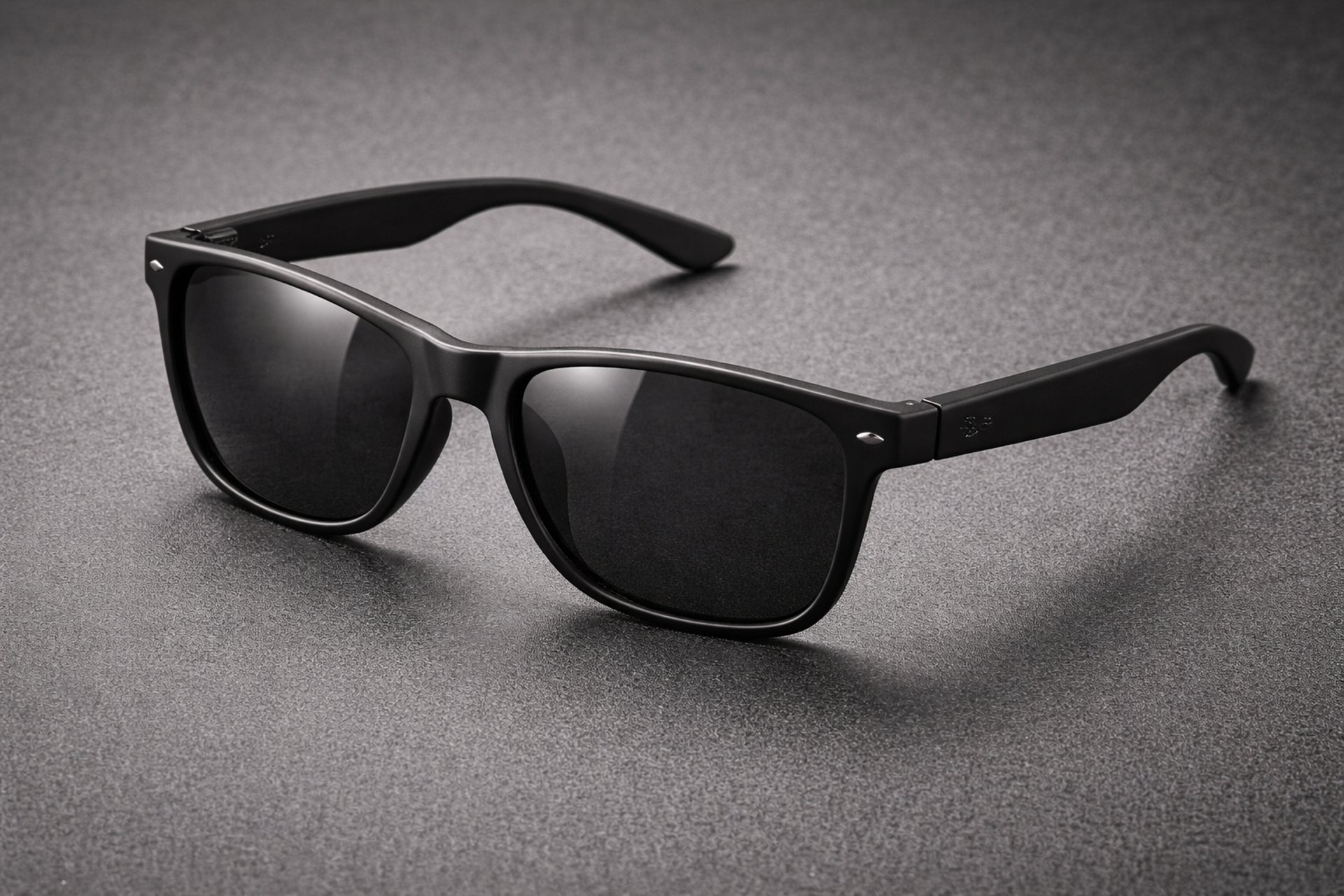
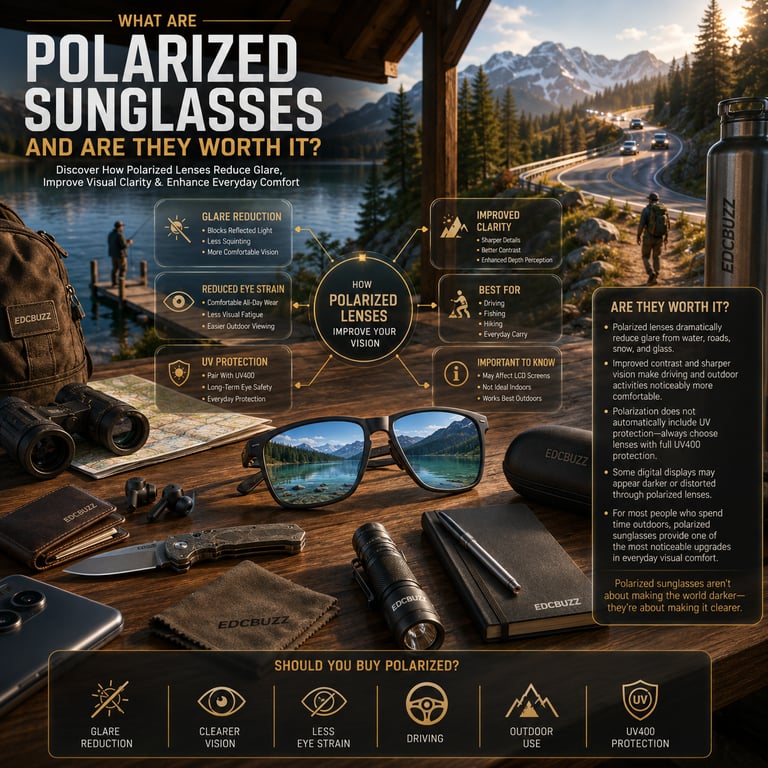
At first glance, polarized sunglasses look like any other pair of shades—maybe a bit sleeker, a bit more serious. The difference isn’t in the style; it’s in the lens technology. In simple terms, polarized sunglasses come equipped with a special filter layered inside the lenses that blocks horizontally polarized light waves. Why does that matter? Because glare—the annoying, vision-blurring flash of light you see from surfaces like water, glass, snow, and roads—is mostly caused by these horizontal light waves reflecting directly into your eyes. These lenses cut through that visual noise and deliver a cleaner, sharper view.
How Do Polarized Sunglasses Work?
You could call polarized lenses the optical equivalent of noise-canceling headphones for your eyes. The polarization filter is a thin film, usually sandwiched between layers of the lens. It selectively blocks light waves oscillating in one direction—specifically horizontal ones—while allowing vertical light waves to pass through. Since glare is primarily horizontally polarized, this filter dramatically cuts the intensity of those disruptive reflections.
Over weeks of use, what I noticed wasn’t just a reduction in glare but how it affected my perception of depth and detail. Colors seemed more vibrant, shadows more defined. It’s subtle but noticeable when driving down rain-slick streets or scanning the horizon on a morning hike. You don’t just see less glare; you see “better.” If you spend significant time behind the wheel, dedicated Best Driving Sunglasses often maximize these benefits.
Advantages of Polarized Sunglasses for Everyday Carry
When you carry something every day, small inconveniences matter as much as headline features. Polarized sunglasses settle into daily wear with a mix of comfort and practicality that you don’t appreciate until after a few days. They generally don’t add much weight—mine were light enough to disappear in my pocket, unlike the one I forgot I was carrying until I sat down—but the difference they make on bright days is persistent.
• Reduced Eye Strain: By reducing glare, these sunglasses lower the effort your eyes need to focus. After a full day behind the wheel or walking under harsh sun, I found my eyes felt less fatigued compared to standard lenses.
• Improved Contrast and Clarity: This goes beyond comfort to genuine performance. Whether it was spotting uneven pavement on a run or distinguishing fish beneath the surface of a lake, polarized lenses sharpen perception in ways non-polarized glasses don’t.
• Safer Driving and Commuting: Glare off wet roads or shiny windshields can be dangerous distractions. The reduction in reflected light enhances awareness and reduces the temptation to squint or look away.
• Versatility for Outdoor Activities: For anyone who spends time outside—whether fishing, cycling, or just gardening—the glare reduction is a game changer. It lets you focus on the task, not the sunlight.
Polarized vs Non-Polarized Sunglasses: What’s the Difference?
If you’re used to stock sunglasses from the drugstore or non-polarized pairs, the difference is clear but nuanced after living with polarized lenses. Non-polarized shades darken your view evenly across the board but leave you at the mercy of glare. They’re comfortable on moderately sunny days but can’t shield your eyes from reflected light that temporarily blinds or clouds your vision.
Polarized sunglasses bring a tactical advantage in clarity at the cost of some quirks. For instance, you might notice LCD screens—like those on your phone, car dashboard, or ATM—can look odd or difficult to see. Sometimes patterns or dark spots appear. It’s not a dealbreaker but a useful quirk to be aware of. For a deeper comparison, see Ray-Ban RB3025 vs Randolph Concorde Aviator (Polarized vs Non-Polarized). That means if your daily routine involves lots of screen time outdoors, a non-polarized pair or specialized lenses might make more sense for part of your day.
Materials, Quality, and UV Protection Considerations
Not all polarized sunglasses are created equal. The lens material affects optical clarity, durability, and weight. Polycarbonate lenses are light and impact-resistant but can scratch more easily. Glass offers unbeatable clarity and scratch resistance but adds weight. CR-39 plastic is popular for balanced optical performance and cost. If you're deciding between common materials, Choosing Between Glass and Polycarbonate Lenses provides a more detailed breakdown.
Crucially, polarization alone does not equal UV protection. A polarized lens filters glare but doesn’t block harmful UV rays unless coated with a dedicated UV filter. For everyday use, especially under intense sunlight, combining polarization with full UV400 protection is key. Otherwise, reduced glare with unfiltered UV exposure might feel comfortable but still damage your eyes long term. To better understand the difference, read Polarized Sunglasses and UV Protection Explained.
Another factor is the quality of the polarization filter itself. Cheap sunglasses might claim polarization but fail to filter glare effectively or create distortion and reduced peripheral clarity. Premium lenses tend to deliver more consistent polarization without sacrificing color accuracy, which is why many buyers eventually consider Best Premium Sunglasses.
Common Mistakes
Putting polarized sunglasses on without understanding what they do can lead to some head-scratching moments:
• Confusing UV Protection with Polarization: They’re related but not interchangeable. Always check for UV protection labels.
• Buying Polarized Based Only on Brand: A well-known name doesn’t guarantee lens quality or polarization performance.
• Wearing Polarized Lenses Indoors or in Low Light: The benefits are minimal or even hindering in dim conditions, and the lenses can darken your view unnecessarily.
• Assuming All Polarized Sunglasses Are Equal: Lens material, coating, and the quality of the polarization filter vary widely.
• Not Testing Digital Screen Visibility: Polarized lenses can distort or block LCD and LED displays, reducing readability. If impact protection is also important, compare Mechanix Vision Type-E vs Oakley Half Jacket 2.0 (Safety Glasses vs Sunglasses).
Are Polarized Sunglasses Worth It for Daily Use?
After several weeks of carrying and wearing polarized sunglasses, I can say the answer leans strongly toward yes—for most users. The comfort factor alone justifies the upgrade. Fewer headaches, less eye strain, and consistent clarity make long days outdoors or behind the wheel noticeably easier.
That said, if your daily grind includes lots of time on digital screens outdoors, or if you primarily spend time indoors, standard sunglasses combined with proper UV protection might serve you better. But for the majority of everyday carry users who encounter bright sun and reflective environments regularly, polarization adds tangible value.
How to Choose the Right Pair for Your EDC
Choosing polarized sunglasses means balancing comfort, clarity, and practicality. Here’s how to sort through the clutter after you’ve decided polarization is for you:
• Confirm Full UV Protection: Look for UV400 labels or equivalent to ensure your eyes are guarded against harmful rays.
• Pick the Right Lens Material: Consider your priorities between weight, clarity, and durability. Polycarbonate is the daily workhorse, glass excels for clarity but adds heft.
• Assess Polarization Quality: If possible, try them on outdoors in bright conditions. Test how effectively they reduce glare and whether they distort peripheral vision.
• Consider Frame Fit and Weight: They should feel secure without pinching or causing fatigue after hours of wear. Remember, you’re likely adding these to your everyday carry, so comfort is king.
• Price vs Performance: Expensive doesn’t always mean better. Look for reputable brands with verified polarization specs rather than flashy marketing. You may also benefit from learning How Lens Colors Affect Vision Outdoors before making your final decision.
Frequently Asked Questions
What makes polarized sunglasses different from regular sunglasses?
Polarized sunglasses block horizontally polarized light waves that cause glare, while regular sunglasses mainly just darken light evenly.
How do polarized lenses reduce glare?
They use a special filter that selectively blocks glare-causing horizontal light waves, improving visual clarity and comfort. Do Mirrored Sunglasses Actually Reduce Glare? also explores another popular glare-reduction option.
Are polarized sunglasses suitable for everyday carry?
Yes, they’re particularly useful in bright, reflective conditions and can reduce eye strain during daily activities.
Do polarized sunglasses protect against UV rays?
Polarization alone doesn’t provide UV protection. Look for lenses labeled with UV400 or equivalent coatings.
Can polarized sunglasses affect viewing digital screens?
Yes, polarization can cause patterns or dark spots on LCD or LED screens, reducing readability.
Are polarized sunglasses worth the extra cost?
For most users exposed to glare regularly, the benefits in comfort and clarity justify the higher price.
Is polarization effective in all lighting conditions?
Polarization is most effective in bright, reflective environments and less useful in low-light or indoor settings.
How can I test if my sunglasses are polarized?
Look at a reflective surface or LCD screen through the lenses and rotate the glasses. If glare or reflections shift noticeably, your lenses are polarized.
Final Thoughts
Carrying polarized sunglasses may not sound like a life-changing choice, but after spending real time with them in everyday conditions, their advantages become clear—quite literally. The glare reduction, improved clarity, and reduced eye strain make them a quiet companion worth having in your daily gear, especially if you spend time outdoors or on the road. Just remember to check for full UV protection and understand their limitations around digital screens and low-light use.
In the long haul, polarization is less about flash and more about consistent, reliable comfort. That’s the kind of everyday carry upgrade that quietly earns its place day after day. If you're still comparing options, Photochromic Lenses Explained: How They Work and How to Choose Sunglasses for Everyday Carry are excellent next reads.

Contact@TheBuzzHQ.com
© 2026 EDCBuzz. All rights reserved.
EDCBuzz
Master everyday carry systems with clarity and precision. Built for real environments and practical use.
For educational purposes only.
General Inquiries: