
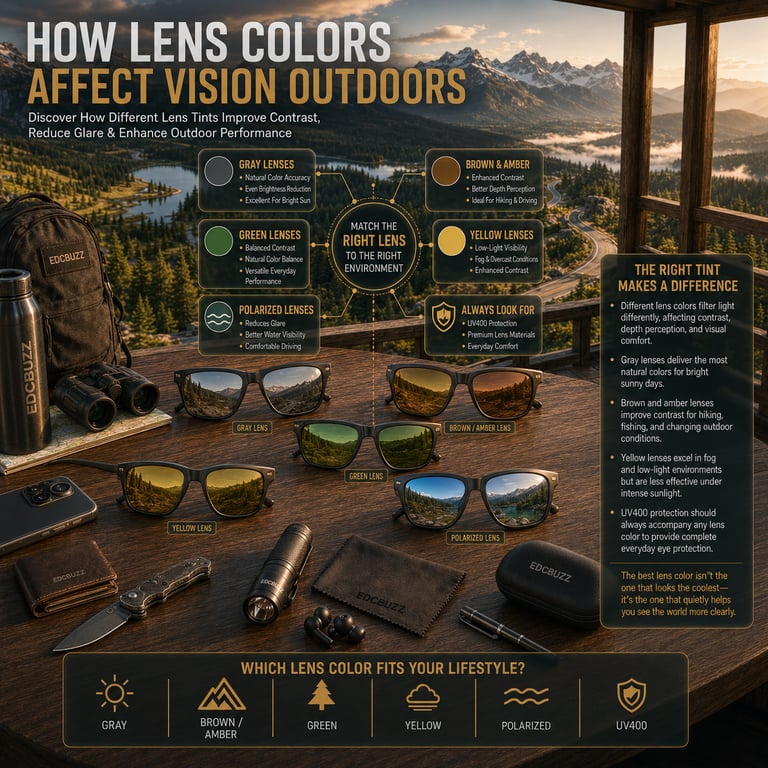
How Lens Colors Affect Vision Outdoors
Discover how different lens colors affect outdoor vision, glare reduction, and eye comfort to find the best lens color for outdoors.
EDC SUNGLASSES
The EDCBuzz Editorial Team - Led by AJ “Buzz” Eichman
7/4/20267 min read
When you’re out in the wild, city streets, or anywhere with that giant glowing ball in the sky, your sunglasses aren’t just a fashion statement. The color of their lenses actually changes how you see the world — sometimes subtly, sometimes like switching from a flip phone to a smartphone. I’ve spent enough time with different lens colors in different conditions to tell you that picking the right one goes beyond matching your shirt or mood. It’s about improving outdoor vision, reducing glare, and sparing your eyes the fatigue you didn’t even realize was setting in.
Lens colors might seem like a small detail, but after weeks carrying and using various shades, you notice things. How natural colors look, how much light is filtered, how contrast pops or gets muted, and whether your eyes feel strained after hours on the trail or road. Let’s break down what each lens color actually does, when it shines, and when it might just be getting in the way. To better understand your options, start with EDC Sunglasses and the Sunglass Lens & Frames Guide.
Quick Verdict
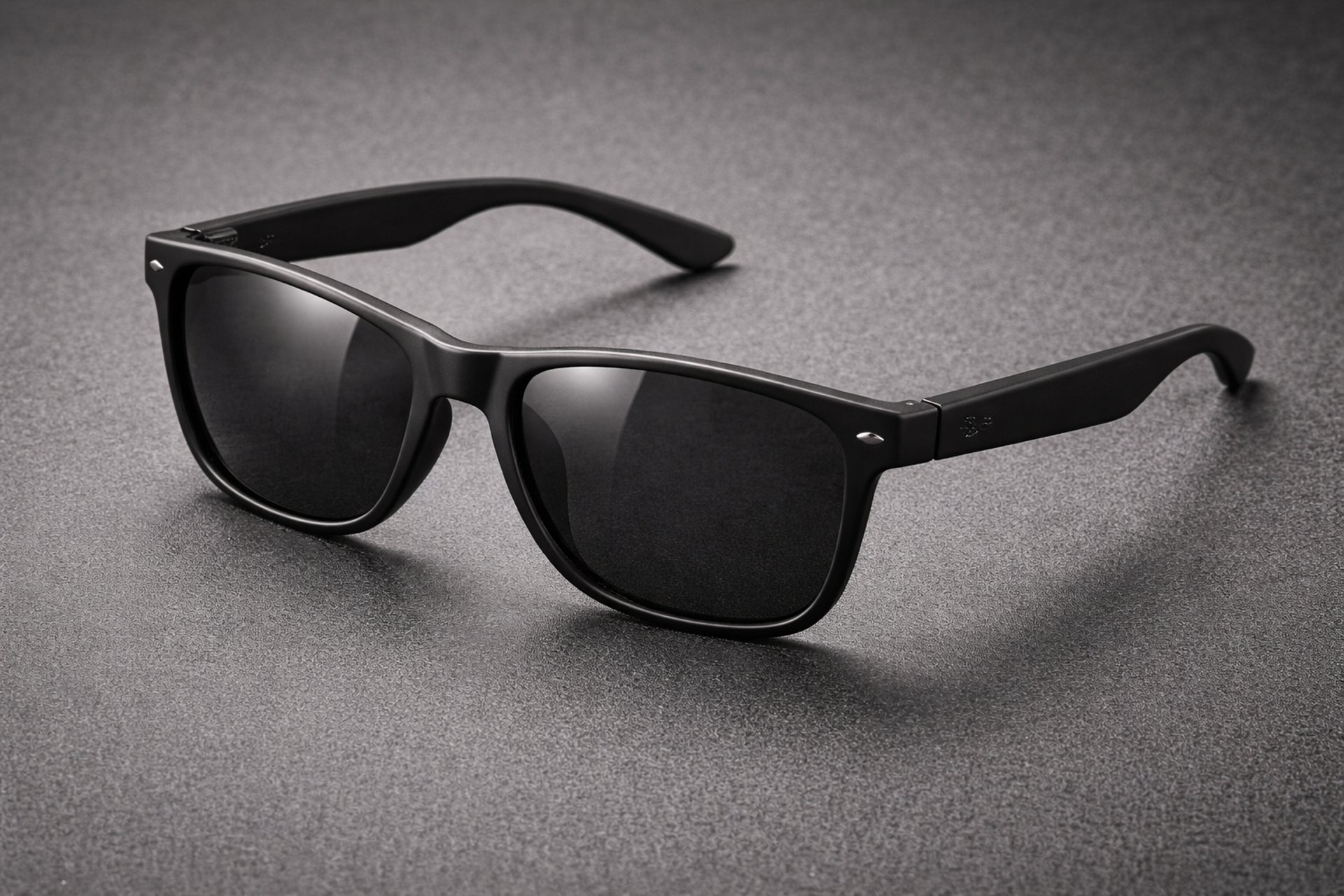
Gray lenses offer the most natural color perception and reduce brightness evenly, making them solid all-around choices for bright, sunny days.
Brown and amber lenses boost contrast and depth perception, perfect for variable outdoor lighting — think fishing, hiking, and driving.
Yellow lenses shine in low-light and foggy conditions but fall short under bright sunlight.
Green lenses strike a balance between contrast enhancement and color accuracy, suitable for moderate to bright light.
Polarized lenses help tame glare from reflective surfaces like water and roads, improving comfort but with some caveats.
Always check for UV protection regardless of tint; eye safety should never be an afterthought.
How Lens Colors Work to Affect Vision
Lens colors work by filtering specific wavelengths of light, changing what colors hit your eyes and how much brightness gets through. This isn’t just window dressing; it directly impacts how well you see contrast, depth, and details outdoors. When the sun bakes down or clouds dull the day, the right lens can mean the difference between clear vision and squinting or worse, missing obstacles or details.
Each tint shifts your perception in subtle ways. For example, some colors block more blue light, which tends to scatter and cause haze, improving clarity and depth. Others reduce overall brightness evenly without messing with color balance, which keeps things looking natural but still comfortable. If you're still narrowing down your options, How to Choose Sunglasses for Everyday Carry is a helpful place to start.
Common Lens Colors and Their Visual Benefits
Gray Lenses
If you want minimal distortion and decent brightness reduction, gray lenses are the reliable workhorse. They keep colors true to life, so you’re not wondering why the trees suddenly look cartoonish, and they cut glare from bright sunlight effectively. After a full day wearing these, the sensation is a consistent comfort — no fatigue spike, no weird color shifts sneaking up on you.
Brown and Amber Lenses
These lenses excel at enhancing contrast and depth perception. They filter out blue light more aggressively, which makes terrain, water ripples, and shadows pop. If you spend a lot of time fishing or hiking through uneven landscapes, this tint helps your brain decode the environment better. They work well in changing light conditions — not too dark for cloudy spells, not too light for sunlit patches. It’s a bit like your eyes get a natural boost, no extra effort needed. Just keep in mind they do tint your world toward warmer hues, shifting greens and blues somewhat.
Yellow Lenses
These lenses are the “fog lights” of eyewear. They brighten dull, low-contrast environments like fog, dusk, and overcast days by boosting contrast dramatically. The catch? Bright sunlight will feel harsh and tiring when using yellow lenses. After a few hours in direct sun, your eyes might plead for mercy. They’re a niche player but a valuable one if you do early morning runs or hunt out the trail when light’s low.
Green Lenses
Green sits sort of in the middle and does a respectable job balancing contrast enhancement with color fidelity. You get slightly better visual sharpness without the strong color shift of brown or amber lenses. They’re versatile — good for sunny days and moderate light conditions alike. Wearing green lenses over time feels smooth, with your eyes not quite working overtime or under-challenged. Plus, they don’t turn everything into a sepia tone, which earns points for keeping the world recognizable.
The Role of Polarization and UV Protection
Polarization is a helpful addition to lens color but not a fix-all. Polarized lenses include a special filter that blocks horizontal light waves, which are the main culprits behind blinding glare from flat surfaces like water, wet roads, and shiny cars. For activities like fishing or driving, these lenses reduce eye strain noticeably after long periods.
However, polarization can interfere with reading screens or seeing through certain optical displays — think GPS or smartphones — where the polarized filter may cause dark patches or distorted images. It’s a minor annoyance compared to glare reduction but something you’ll quickly notice if you switch between devices outdoors frequently.
Regardless of color or polarization, UV protection should always be a requirement, not negotiable. The best lenses block 99 to 100% of UVA and UVB rays — those invisible solar bullies that damage your eyes over time. Cheap lenses or pretty tints without this protection don’t deserve your face time. You can also learn Do Mirrored Sunglasses Actually Reduce Glare? if you're comparing glare-reduction technologies.
Materials and Construction of Lens Tints
Lens material isn’t just about clarity but also durability and weight — key factors when you plan to carry your sunglasses all day. Glass lenses offer top-notch clarity but come with the trade-off of weight and fragility. Polycarbonate lenses, common in everyday carry eyewear, are lighter and more impact-resistant, making them a better choice for active users.
Mirror coatings can layer on top of the base color to reduce glare further and tweak brightness levels. They also play with the aesthetic, giving you some leeway if you want your sunglasses to have that “look,” without sacrificing function. For an excellent real-world comparison, see Serengeti Anteo vs Oakley Sutro TI Sweep (Glass vs Polycarbonate).
Common Mistakes in Choosing Lens Colors
One of the most frequent missteps is picking lens colors based solely on how they look rather than how they perform in your typical outdoor environment. Yellow lenses might seem cool, but using them in blazing sun can lead to headaches and eye fatigue. Similarly, ignoring UV protection or the material quality because you’re chasing color leaves you vulnerable to eye damage or lens scratch issues.
Assuming polarized lenses are a universal solution can also backfire. While helpful for glare, they might make screen use outdoors a frustrating experience. Matching your lens color thoughtfully to your activities and lighting conditions matters more than following trends or aesthetic preferences. For more buying pitfalls, read Common Mistakes People Make When Buying Sunglasses.
Tips for Selecting the Right Lens Color for Everyday Carry
Assess where and when you spend most outdoor time. Bright sunlight calls for gray or green, mixed or changing light plays to brown or amber strengths, and low light benefits from yellow.
Look for UV400 protection to guard your eyes even if the tint feels light.
Consider lens material based on your level of activity — polycarbonate if you’re rugged or glass if you prioritize optics.
Polarized lenses are a strong recommendation for water or road glare but test their effect on your devices before committing.
Remember, your ideal lens isn’t the one that looks most stylish on the rack but the one you’ll carry daily without noticing it — because comfort beats vanity every time. If you're shopping on a tighter budget, Best Budget Sunglasses offers solid options.
FAQs About Sunglasses Lens Colors and Outdoor Vision
What lens color is best for bright sunlight?
Gray lenses provide natural color perception while reducing brightness, making them ideal for intense sunlight. Green lenses also manage bright conditions well, with a slightly softer tone.
Which lens color improves contrast for outdoor sports?
Brown and amber tints enhance contrast and depth perception, favored in fishing, hiking, and other outdoor activities that involve varied terrain.
Are polarized lenses necessary for hiking or fishing?
Not necessary but highly beneficial, especially near water or wet surfaces, as they reduce glare and improve visual comfort.
How do yellow lenses affect vision in foggy or low light?
They boost contrast and sharpness, improving visibility in fog, dawn, or dusk conditions but may cause discomfort in bright light.
Can lens color affect color accuracy or perception outdoors?
Yes. Gray and green tints maintain color fidelity better, while brown and amber can warm color perception, and yellow can overly brighten certain hues.
What lens materials are best for everyday carry sunglasses?
Polycarbonate lenses hit the sweet spot between durability, light weight, and decent optical clarity for everyday use.
How to choose lens color based on different outdoor activities?
Match the lens tint to your typical light environment—gray or green for general use and bright sun, brown/amber for versatile light and contrast, yellow for low-light scenarios.
Do all tinted lenses provide UV protection?
No. Always check for UV400 or equivalent certification to ensure they block harmful UV rays completely.
Conclusion
Choosing the right lens color for your outdoor eyewear isn’t about fashion; it’s about function and comfort that last beyond your first glance in the mirror. After carrying and using different tints in varied situations, the differences become clear—and sometimes surprising. Gray lenses keep colors honest and eyes relaxed in full sun, brown and amber provide visual depth and sharpness when light plays tricks on you, yellow picks up the slack in dim conditions, and green sits happily in between.
Pair those with polarization when glare is a factor, never skimp on UV protection, and pick durable lenses that won’t turn your daily carry into a pocket weight. The right lens color will quietly improve your outdoor vision, reduce fatigue, and may even come with that occasional side benefit of making you look just a little less like you forgot your options existed—no dad jokes about sunglasses that blend in too well, promise. For more guidance, continue with What Color Sunglass Lens Is Best?, How Dark Should Sunglasses Be?, How Much Should You Spend on Sunglasses?, and goodr FXG vs KOO Supernova (Cheap vs Expensive).
Contact@TheBuzzHQ.com
© 2026 EDCBuzz. All rights reserved.
EDCBuzz
Master everyday carry systems with clarity and precision. Built for real environments and practical use.
For educational purposes only.
General Inquiries: