
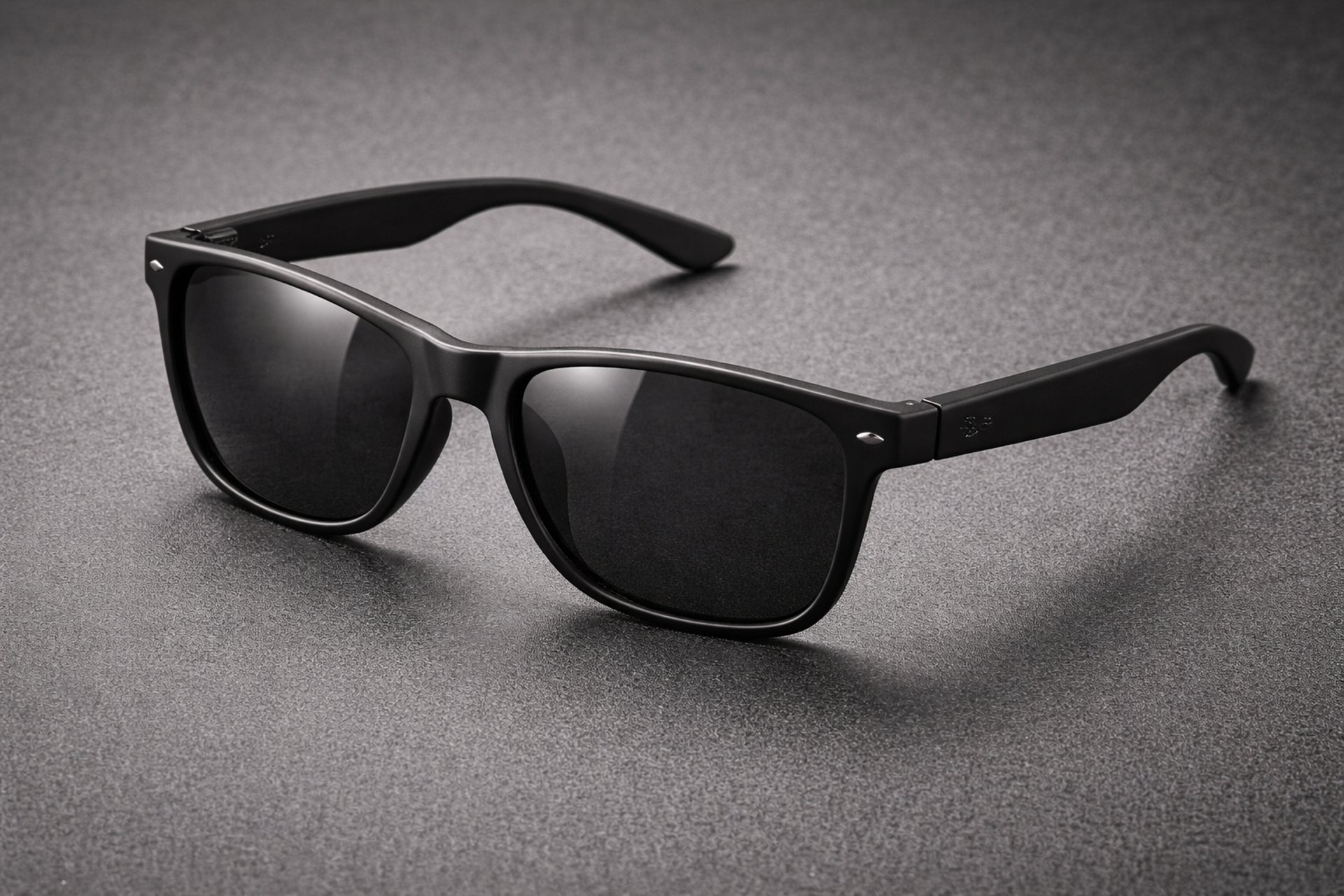
Why Do Premium Sunglasses Cost So Much?
Discover why premium sunglasses cost more by exploring advanced materials, lens technologies, durability, and brand value that enhance your everyday wear.
EDC SUNGLASSES
The EDCBuzz Editorial Team - Led by AJ “Buzz” Eichman
7/4/20268 min read
Everyday carry gear isn’t just about utility; it’s about thoughtful design and engineering that enhance everyday experiences. Premium sunglasses fit squarely into this category. Their cost often raises eyebrows, but when you unpack how frame materials, lens technology, durability, and brand craftsmanship come together, the price starts to make more sense. Premium sunglasses are not simply fashion statements — they are carefully engineered tools for vision protection and comfort that perform well day after day. Whether you're shopping for EDC Sunglasses or narrowing choices by Sunglasses By Activity, understanding what drives premium pricing helps you buy with confidence.
Quick Verdict
Premium sunglasses use advanced materials like titanium and carbon fiber for lightweight strength, improving comfort and longevity.
Lens technologies such as polarization, photochromics, and multi-layer coatings enhance visual clarity, reduce eye strain, and protect against harmful UV rays.
Superior durability stems from precision hinge design, corrosion resistance, and impact-resistant lenses, making premium models reliable through extended use.
Brand reputation influences pricing through design innovation, verified quality control, and added value from warranties and customer trust.
The Role of Advanced Frame Materials in Premium Sunglasses
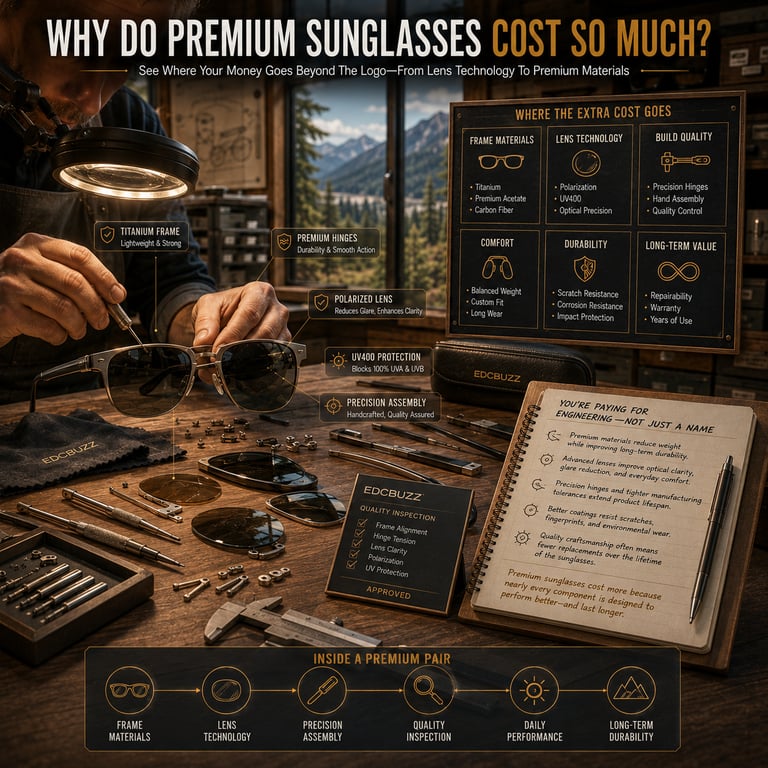
When evaluating why premium sunglasses command higher prices, the frame material is a foundational element. Unlike budget sunglasses that often rely on standard plastics, premium frames incorporate engineered materials including titanium, acetate sourced from natural fibers, and carbon fiber composites. These materials don’t just look better; their mechanical properties impact the sunglasses’ performance in measurable ways.
Titanium, for example, is prized for its exceptional strength-to-weight ratio and corrosion resistance. Frames made of titanium remain lightweight enough for all-day wear but resist bending or warping, even under physical stress or exposure to sweat and moisture. This means a consistent fit and durability that keeps up with active lifestyles. Acetate adds another dimension by combining comfort with a refined aesthetic. Being a natural polymer, acetate frames are hypoallergenic and can be crafted in a wide variety of colors and finishes without sacrificing sturdiness. Carbon fiber frames take durability and weight savings even further, handling stress while maintaining minimal mass on the face.
The design and material choice of the frame balance comfort, longevity, and look. Heavier frames may initially feel sturdy but tire the wearer over time. Conversely, ultra-lightweight materials sometimes compromise robustness. Premium sunglasses strike a technical balance that offers structural integrity while avoiding discomfort during extended use. This is one reason many Best Tactical Sunglasses prioritize advanced frame materials over basic plastics.
Lens Technology: Polarization, Photochromics, and Protective Coatings
Lens technology plays a critical role in escalating the cost of premium sunglasses. It’s not just about darkening lenses to block sunlight — it’s about enhancing the visual experience and protecting eye health through refined engineering.
Polarized lenses are often a hallmark of premium models. These lenses embed a special filter that blocks horizontally polarized light, the main cause of glare from reflective surfaces like water, roads, or car hoods. The result is improved contrast and reduced eye strain, especially during activities like driving or fishing. This technology requires precise layering during lens manufacturing and quality control to ensure consistent effectiveness, thus increasing production costs. If you're unfamiliar with the technology, What Are Polarized Sunglasses and Are They Worth It? explains the benefits in greater detail.
Photochromic lenses add adaptive functionality. They alter their tint in response to ultraviolet light exposure, darkening outdoors and quickly lightening indoors or in shade. This responsiveness requires chemical compounds integrated into the lens material that react reliably over thousands of cycles without degrading. It means you get sunglasses that adjust automatically throughout the day, reducing the need for multiple pairs. Learn more in Photochromic Lenses Explained: How They Work.
High-grade protective coatings extend lens performance beyond visual enhancements. Anti-scratch coatings guard the lens surface from abrasion caused by everyday wear, while anti-reflective treatments minimize internal reflections that can degrade clarity and cause distractions. Hydrophobic layers repel water and oils, keeping the lenses cleaner and easier to maintain. These film stacks involve advanced deposition technologies and specialty materials, adding cost but greatly improving usability.
All told, premium lens technologies elevate sunglasses from simple filters to sophisticated visual aids that protect and preserve eye comfort in dynamic environments.
Durability and Construction: Why Premium Sunglasses Last Longer
Durability might seem straightforward but it’s intimately linked with materials, manufacturing precision, and component design. Premium sunglasses justify their price by delivering longer product lifespans and reliable performance, especially relevant for frequent daily use or demanding outdoor activities.
A visible sign of durability is hinge construction. Premium hinges typically use reinforced metals or spring mechanisms that provide smooth opening and closing action without loosening or failure over time. Poor-quality hinges common in budget models often become loose or break, turning the sunglasses into a disposable item.
Corrosion resistance is another aspect. Metals like titanium resist oxidation from sweat and moisture, meaning the frame won’t degrade or discolor on frequent wear. Similarly, saltwater and environmental exposure during outdoor use can break down lesser alloys quickly, making higher-grade metals worth the investment if sunglasses spend significant time in harsher conditions.
Lens impact resistance is often overlooked but critical. Premium sunglasses incorporate tougher lens substrates or reinforce coatings to reduce chipping and cracking after accidental hits or drops. Even if not intended for rugged use, enhanced impact protection translates to fewer replacements and better safety from shattered glass, which is also a major consideration when shopping for Best Safety Glasses.
The result of these factors is a pair of sunglasses built to maintain fit, function, and form for years rather than months, shifting the cost from a one-time expense to a long-term investment.
Brand Value and Design Innovation Driving Price Premiums
Brand value adds a more subtle, yet impactful, layer to pricing. Established premium sunglass manufacturers invest heavily in design innovation, quality control, and user experience research. Their names carry weight built on decades of consistent product reliability and customer satisfaction.
This reputation isn’t just marketing fluff. It means the brand rigorously tests frames and lenses for performance standards above what typical budget lines provide. Selection of manufacturing partners, use of patented technologies, and ongoing improvements all add to the intrinsic value of their products.
Additionally, premium brands often offer superior warranty coverage and customer service. This reduces risk for the buyer and signals confidence in the product’s longevity. The price includes more than materials and construction — it factors in design development, quality assurance, and support infrastructure.
Design innovation also means that premium sunglasses regularly push forward aesthetic trends and utility features. Whether it’s new frame shapes optimized for better coverage or lens tints tailored to specific environments, this ongoing R&D adds to the product’s appeal and cost. Comparing models like goodr FXG vs KOO Supernova (Cheap vs Expensive) highlights how those engineering differences can influence value.
How to Choose the Right Premium Sunglasses for Your Daily Needs
Selecting premium sunglasses requires more than hunting for the most expensive model. Understanding your daily use case and what features directly impact your experience allows you to balance budget with performance.
If your primary use involves driving or commuting in variable light, polarized lenses should be a priority due to glare reduction. Photochromic lenses can add convenience if you routinely move between indoor and outdoor environments within short periods. For outdoor sports like hiking or cycling, durability and impact-resistant lenses coupled with lightweight titanium frames reduce fatigue and increase longevity.
Frame fit and size are equally important. Premium frames offer a variety of shapes and sizes to ensure proper coverage of the eyes, blocking peripheral UV rays. Poor fit can reduce protection and introduce discomfort. Trying on multiple styles helps identify models that match your facial structure while delivering intended coverage levels. If lens materials are part of your decision, Choosing Between Glass and Polycarbonate Lenses provides a detailed comparison.
Consider your tolerance for maintenance as well. Some lens coatings and frame finishes require careful cleaning approaches to avoid degradation. Investing in well-constructed glasses minimizes this hassle but it’s worth verifying care instructions before purchase.
In short, picking premium sunglasses is an exercise in matching technical features to real-world requirements rather than price or brand alone.
Common Mistakes When Buying Expensive Sunglasses
One frequent misconception is equating high price solely with brand prestige, ignoring material and tech quality differences. A well-known logo does add value but true cost drivers come from the underlying engineering, not marketing.
Choosing frames that feel heavy or awkward on the face is another common error. Even premium materials can be shaped or sized poorly, leading to discomfort during extended wear. Always test fit before committing.
Some buyers neglect to evaluate essential lens features like polarization or UV protection, assuming “all sunglasses do the same.” This often leads to inadequate glare reduction or incomplete eye protection. Understanding Polarized Sunglasses and UV Protection Explained can help avoid this mistake.
Ignoring the fit and coverage area also reduces effectiveness. Lenses and frames should block light from entering around the edges, which is more critical outdoors or near reflective surfaces.
Finally, underestimating the value of durability and warranty coverage can result in higher long-term costs due to replacements or repairs with budget sunglasses.
Frequently Asked Questions About Premium Sunglasses
What materials make premium sunglasses more expensive?
Premium frames use materials like titanium, natural acetate, and carbon fiber which combine high strength with lightweight comfort and corrosion resistance. These materials cost more to source and manufacture but deliver longer-lasting frames.
How do lens technologies affect the cost and performance of sunglasses?
Technologies like polarized filters reduce glare by selectively blocking horizontal light, improving visual comfort. Photochromic lenses change tint responsively to UV exposure. Protective coatings such as anti-scratch and hydrophobic layers enhance longevity and clarity. Each layer adds complexity and cost but significantly improves user experience.
Are premium sunglasses more durable than budget options?
Yes, premium sunglasses typically feature reinforced hinges, corrosion-resistant materials, and impact-resistant lenses, all designed to withstand wear and environmental stress over extended periods, unlike many budget models which may fail more quickly. Comparing models like Serengeti Anteo vs Oakley Sutro TI Sweep (Glass vs Polycarbonate) also illustrates how premium materials contribute to durability.
Does brand reputation justify the high price of premium sunglasses?
Brand reputation often reflects rigorous quality control, consistent manufacturing standards, thoughtful design innovation, and responsive warranty services, contributing to a higher perceived and real value that justifies part of the price.
Can premium sunglasses improve visual clarity and reduce eye strain?
Absolutely. The combination of polarization, carefully engineered lens tints, and anti-reflective coatings reduces glare, improves contrast, and minimizes visual fatigue, particularly in challenging outdoor lighting conditions. Lens tint selection also plays a role, as explained in How Lens Colors Affect Vision Outdoors.
What should I consider when choosing premium sunglasses for everyday use?
Focus on frame fit for comfort, lens features that align with your lifestyle (polarization, photochromics, UV protection), durability for how you plan to use them, and your budget. Avoid prioritizing brand alone or overlooking important technical features.
Are polarized lenses always worth the extra cost?
If you spend significant time outdoors near reflective surfaces like water, pavement, or snow, polarized lenses provide clear benefits by cutting glare and enhancing visibility. For indoor or low-glare environments, the added cost may be less impactful.
How does frame design affect comfort and usability in premium sunglasses?
Frame design determines weight distribution, coverage area, and ventilation. Better designs use materials and ergonomics to reduce pressure points, block peripheral light, and minimize fogging or slipping during movement, improving all-day wearability. Mirrored coatings can also improve comfort in bright environments, and Do Mirrored Sunglasses Actually Reduce Glare? explains when they are most effective.
Practical Conclusion
Premium sunglasses are an investment that goes beyond initial appearance or brand recognition. Their cost reflects carefully selected materials engineered for strength and lightweight comfort, lens technologies that optimize vision and protection, and construction designed for durability in everyday scenarios. Brand value and warranty services add reassurance but should be considered alongside technical merits.
For anyone who relies on sunglasses daily — whether to reduce glare while driving, maintain clarity on outdoor adventures, or simply protect eyes from UV damage during commutes — understanding these factors allows a more informed choice. The most expensive pair is not always the best for your needs, but a well-chosen premium model will deliver better performance, longer life, and more consistent comfort. Ultimately, the question isn’t just why premium sunglasses cost so much — it’s what you gain when you choose them wisely.

Contact@TheBuzzHQ.com
© 2026 EDCBuzz. All rights reserved.
EDCBuzz
Master everyday carry systems with clarity and precision. Built for real environments and practical use.
For educational purposes only.
General Inquiries: