
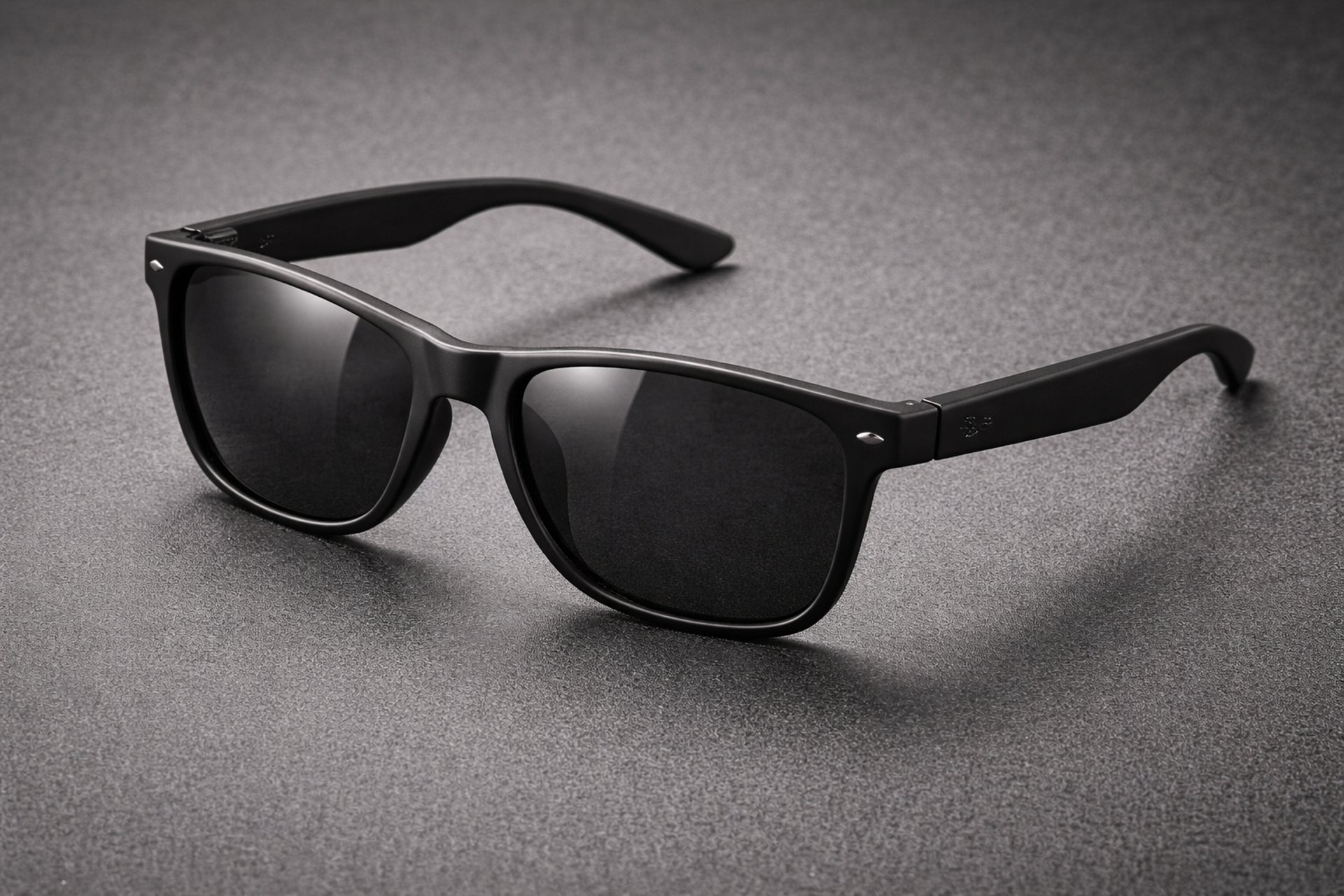
Do Mirrored Sunglasses Actually Reduce Glare?
Discover how mirrored sunglasses reduce brightness and how they compare with polarized lenses for glare reduction and outdoor comfort.
EDC SUNGLASSES
The EDCBuzz Editorial Team - Led by AJ “Buzz” Eichman
7/4/20267 min read
If you’ve ever squinted through a blazing bright summer afternoon or tried to navigate a reflective lake sunrise, you’ve probably reached for a pair of sunglasses hoping they’d take the edge off. Mirrored sunglasses look sharp, often call for a second glance, and promise to reduce glare, but do they actually deliver on that promise? That’s what I spent some decent time testing — not wearing them once just for the photo shoot, but using them across different environments where glare is truly a nuisance. Let me walk you through what I found after living with mirrored lenses and how they stack up against other glare-busting options like EDC Sunglasses and Sunglasses By Activity.
Quick Verdict
Mirrored sunglasses reflect a significant portion of aggressive sunlight, toning down overall brightness to make bright outdoors more bearable.
They don’t block polarized glare—the sneaky horizontal light waves reflected off water, roads, and shiny surfaces.
For long-term comfort, polarized lenses step up by selectively filtering glare, making them better for activities involving water, driving, or urban reflections.
Mirrored coatings can be more vulnerable to scratching, so lens material and durability play a big part if you want them in your everyday carry.
What Are Mirrored Sunglasses and How Do They Work?
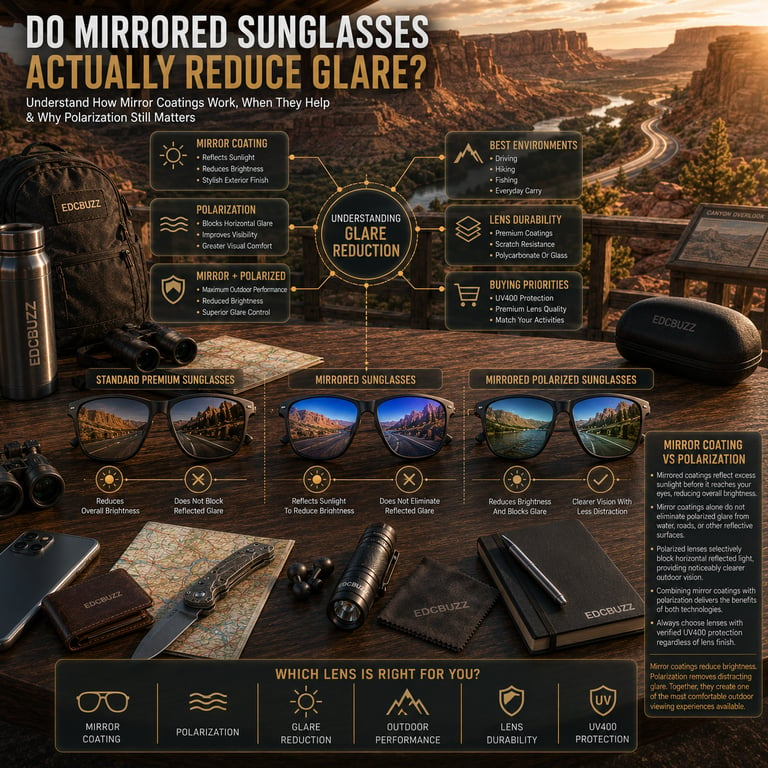
At first blush, mirrored sunglasses seem like something out of a sci-fi movie, with their shiny, reflective exteriors that give you that “I mean business” look. Beneath that flashy coating, though, is a relatively simple concept: a reflective layer applied to the outside of the lenses that bounces back some of the sunlight hitting them. Think of it as a little canopy shield for your eyes, redirecting excess light away before it even has a chance to brighten your view.
The coating usually consists of a thin metallic layer that’s bonded to the lens surface. Its main action is reflecting light—not selectively filtering the kind that makes your gaze uncomfortable, but cutting down the overall brightness. Imagine standing near a mirror on a sunny day; that reflected glare can be a headache. Mirrored lenses intercept some of that, saving your retina from having to work overtime.
But here’s the twist: mirrored lenses do not polarize light. They don’t have that special filter that blocks what’s called horizontal light waves—those waves responsible for the sharp glare you get from wet roads, glass surfaces, or water bodies. If wearable technology interests you, it's also worth comparing them with Best Smart Glasses.
Understanding Glare and Why It Matters for Eye Comfort
Glare comes in two main flavors: direct sunlight and reflected light. Direct sunlight brightness is straightforward—the sun’s powerful rays hitting your eyes, causing discomfort and sometimes squinting-induced moods worse than Monday mornings. Reflected glare, on the other hand, happens when light bounces off shiny surfaces toward your eyes, which can blindside you when you least expect it.
This second type of glare is particularly tricky because it's directional and often horizontally polarized. That’s why driving on a wet highway or spending time on water can feel like constantly staring at a spotlight. Block this, and you gain not only comfort but better visibility and safety. Golfers dealing with open fairways often notice these effects too, which is why Best Golf Sunglasses are designed with glare reduction in mind.
Polarized vs Mirrored Lenses: What’s the Difference?
If mirrored coatings are the shiny armor that turns away brute sunlight, polarized lenses are more like the seasoned gatekeepers who inspect every incoming light wave and selectively allow only the good ones past. Polarized lenses contain a microscopic filter that blocks horizontal light waves causing glare, dramatically improving clarity and reducing eye strain in specific situations.
So after weeks using mirrored sunglasses solo, and then combining mirrored coatings with polarized lenses, I noticed a marked difference. Mirrored lenses reduce brightness, which makes for less harsh light entering your eyes, but won’t fully cut down on the sharp glare bouncing off reflective surfaces. It’s like turning down the volume instead of muting it.
In contrast, polarized lenses address that glare directly, resulting in noticeably clearer views when driving, fishing, or hiking near reflective water or snow. When mixed with mirrored coatings, you get the benefits of both: less overall brightness and minimized horizontal glare, all wrapped up in a style statement. For a real-world comparison, see Ray-Ban RB3025 vs Randolph Concorde Aviator (Polarized vs Non-Polarized).
Benefits of Mirrored Sunglasses for Outdoor Activities
Where do mirrored sunglasses really earn their keep? After logging miles of outdoor wear, certain details stand out. They cut through the relentless brightness of open skies on hiking or running trails, making those early or midday treks more pleasant. For casual use in the city, they add flair while toning down harsh spots behind glass buildings or shiny street surfaces.
They also help reduce eye fatigue during prolonged exposure to intense sunlight. You won’t find the same glare-busting power from the polarization department, but the reflective coating softens overall brightness in a way that feels more relaxed at the end of a sunny day.
One quirk I noticed is that mirrored lenses tend to show scratches more prominently. This isn’t just an aesthetic gripe; scratches can scatter light and spoil your visual experience. If you’re carrying these daily, consider lenses with tougher materials, like polycarbonate or specially treated glass, to prolong their life. Otherwise, the coating might go from a sleek mirror to a scuffed-up mess quicker than you’d like. If durability is a priority, compare Mechanix Vision Type-E vs Oakley Half Jacket 2.0 (Safety Glasses vs Sunglasses).
Can Mirrored Lenses Be Combined with Polarization?
Yes, and it’s a combination that makes sense for anyone serious about keeping glare in check without sacrificing style. The hybrid option pairs the light-reflecting benefits of mirror coatings with the selective glare filtering of polarization. I spent a good chunk of time wearing these and can confirm they settle into daily use quite comfortably — the kind of glasses that go well with a rifle or a fishing rod, if you had those kinda hobbies (spoiler: I don't).
Such hybrids come with a slightly higher price tag but are worth it if you want comprehensive glare reduction. They handle scenarios ranging from driving on sun-baked asphalt to chilling by that sparkling lake without leaving your eyes feeling dry and scratchy by sunset. Before buying, it also helps to read How to Choose Sunglasses for Everyday Carry.
Choosing the Right Sunglasses for Your Use Case
If you plan on wearing your sunglasses around dense urban landscape glare or while jogging in bright weather, mirrored sunglasses on their own might be enough to improve comfort. But if your day involves water-loving adventures or highway mileage behind the wheel, adding polarization should be high on your priority list.
Style and budget also come into play. Mirrored lenses tend to catch eyes and nods in the crowd simply because of their reflective look. If you want a bit of that shine without compromising comfort, mirrored plus polarized hybrids cover all bases.
Don’t forget durability and lens material. As mentioned, cheaper mirrored lenses can scratch easily, becoming more of a hassle than a help. Invest in coatings applied to strong, everyday carry-ready materials — polycarbonate or glass lenses with durable treatments will withstand daily handling better. Choosing What Color Sunglass Lens Is Best? can also make a noticeable difference depending on where you spend most of your time outdoors.
Common Mistakes When Buying Mirrored Sunglasses
Mirrored sunglasses have some pretty well-known misconceptions swirling around, and I’ve seen these first-hand slip-ups.
One common mistake is assuming that mirrored coatings alone reduce all kinds of glare. It’s tempting to think the shiny outer layer blocks everything, but that’s not the reality. They reduce overall brightness but fail to combat polarized glare from reflective surfaces.
Another mix-up is confusing mirror coating with polarization, expecting the same glare control from both. Treat them as partners, not substitutes.
People also expect mirrored sunglasses to improve clarity or reduce eye strain as effectively as polarized lenses. While mirrored lenses enhance comfort by lowering brightness, they don’t sharpen visual clarity in glare-heavy moments the way polarization does.
Neglecting lens durability is another pitfall. With daily carry, coatings and lens materials are critical to prevent premature scratching, which quickly diminishes the benefit.
Finally, wearing mirrored lenses indoors or in low-light conditions reduces their effectiveness and might even make things harder to see. Save them for the bright outdoors where their reflective magic really counts. You should also understand How Dark Should Sunglasses Be? before choosing extremely dark lenses.
Frequently Asked Questions
Do mirrored sunglasses reduce glare as well as polarized lenses?
Mirrored sunglasses cut down overall brightness by reflecting light but don’t filter polarized glare from horizontal reflections. Polarized lenses are more effective at reducing this kind of glare.
Can mirrored and polarized coatings be combined on the same sunglasses?
Yes, many sunglasses combine mirrored coatings with polarization to maximize glare reduction and comfort in bright, reflective environments. It's also worth considering How Much Should You Spend on Sunglasses? before upgrading.
How do mirrored sunglasses differ from tinted lenses in glare reduction?
Mirrored coatings reflect light before it reaches your eyes, lowering brightness, while tinted lenses absorb light but do not specifically reduce glare caused by reflections.
Are mirrored sunglasses better for water or snow activities?
Mirrored lenses help with overall brightness but do not block polarized glare common on water or snow surfaces. Polarized lenses, or hybrids with mirrors and polarization, are better for these conditions. Avoiding Common Mistakes People Make When Buying Sunglasses can help you choose the right option.
What lens materials work best with mirrored coatings for durability?
Polycarbonate and high-quality glass lenses with durable coatings are recommended to prevent scratches and extend the life of mirrored sunglasses.
Do mirrored lenses protect against UV rays or just reduce brightness?
UV protection is independent of mirror coating and depends on the lens material and treatments applied. Ensure your sunglasses have adequate UV protection, regardless of mirroring.
Can wearing mirrored sunglasses cause color distortion or vision issues?
Mirrored coatings generally do not cause significant color distortion, but some lens tints combined with mirroring can alter color perception slightly. Polarized lenses may also affect color subtly.
How should I choose between mirrored and polarized sunglasses for everyday outdoor use?
Consider your typical environment: choose mirrored sunglasses for general brightness reduction and style; polarized or hybrid lenses if you frequently encounter reflective surfaces like water, roads, or snow. You should also know When Is It Time to Replace Your Sunglasses?
Practical Conclusion
After practical, everyday testing, mirrored sunglasses prove to be more than just a cool look. They genuinely reduce brightness and make bright outdoor environments more manageable, especially for casual urban use or daytime strolls. However, when it comes to cutting the most troublesome kinds of glare—those pesky horizontal light waves—polarized lenses still lead the pack.
If your daily routine puts you near reflective water, roads, or snow, I’d lean toward sunglasses that combine both mirror coatings and polarization for the full benefit. Just keep an eye on lens quality and durability since a scratched mirror coating feels like carrying a scratchy paperweight instead of slick eyewear.
In short, mirrored sunglasses do reduce glare, but not all glare is created equal. Knowing what kind you’re up against can save you squint lines down the road, and maybe—a little secret here—they’ll keep you looking sharp while doing it. After all, if you’re going to shield your eyes, you might as well do it in style.
Contact@TheBuzzHQ.com
© 2026 EDCBuzz. All rights reserved.
EDCBuzz
Master everyday carry systems with clarity and precision. Built for real environments and practical use.
For educational purposes only.
General Inquiries: