
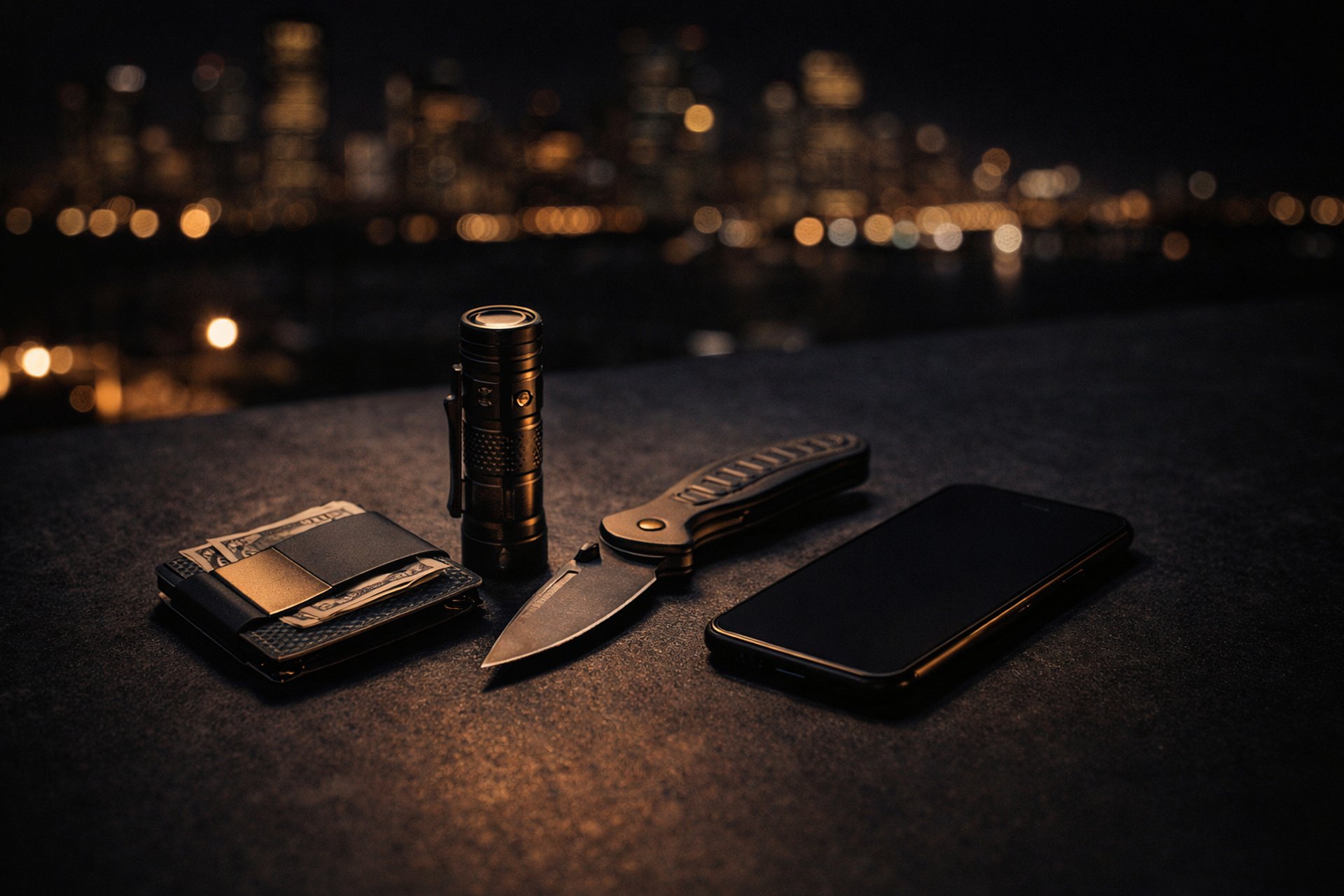
Most Common Maintenance Technician EDC Mistakes
Discover key maintenance technician EDC mistakes and learn practical tips to keep your everyday carry tools organized, durable, and ready for action.
LOADOUTS
The EDCBuzz Editorial Team - Led by AJ “Buzz” Eichman
6/11/20267 min read
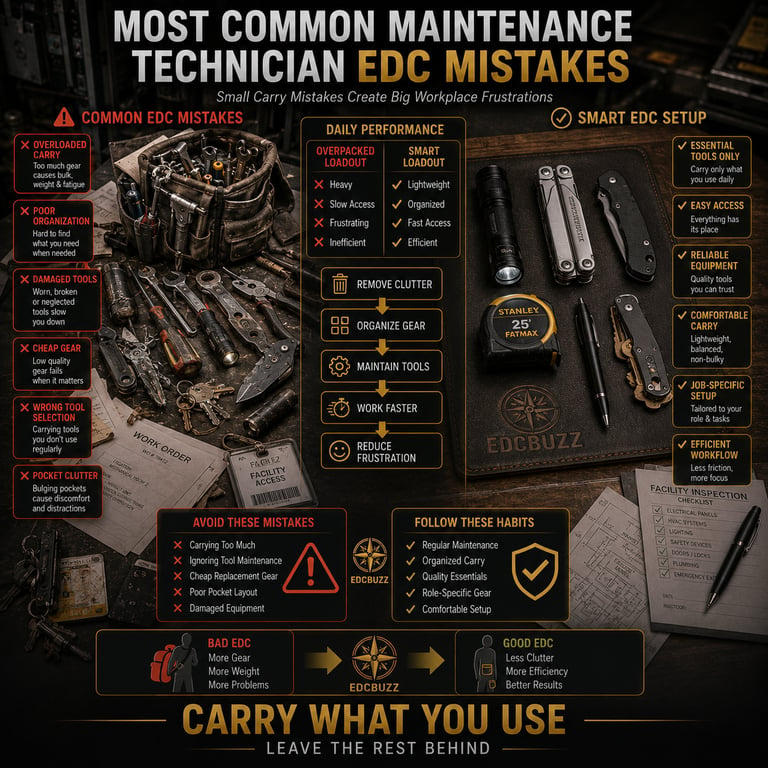
For maintenance technicians, an everyday carry (EDC) kit isn't just a collection of tools — it’s the backbone of efficiency when you’re racing against time to fix something before it breaks down completely. But building and maintaining an optimal EDC setup isn't always straightforward. There are plenty of traps that techs fall into, especially when assembling tools for diverse environments and varying repair tasks. Overloading your kit, neglecting proper tool upkeep, or carrying the wrong gear for the job can turn what should be a smooth fix into a fumbling mess. After carrying and using maintenance technician EDC gear day in and day out, I’ve learned that the details often make all the difference. This article shines a light on the most common EDC mistakes and offers practical tips to keep your toolkit lean, capable, and ready for action.
If you're evaluating your current setup, the EDC Loadouts Guide and EDC Loadout Builder by Budget can help identify where your carry system may be falling short and where improvements make the most sense.
Quick Verdict
Overpacking is a surprisingly common pitfall — lugging around every tool you own does more harm than good.
Skipping regular maintenance on your tools is like showing up to a race with flat tires — it catches up at the worst moment.
Organization matters more than you think; a well-thought-out setup saves minutes and frustration on the job.
Ergonomics and durability aren’t optional extras — they’re the quiet workhorses that keep you going through long shifts.
Why Proper EDC Matters for Maintenance Technicians
A maintenance technician’s daily routine demands flexibility and speed. Whether it’s a quick plumbing fix or a mechanical adjustment in a noisy factory, your EDC tools need to be reliable and easy to access. A thoughtful selection of well-maintained gear can shave precious minutes off your workflow and reduce fatigue over long workdays. All too often, the EDC kit becomes a catchall for every possible tool, turning that trusty belt or pouch into an unbalanced, clunky nightmare.
Over time, the weight settles in your back pocket, or the bulk makes you hesitate before sitting down — nobody likes the unexpected chair surprise from their own loadout. Beyond comfort, proper EDC choices prevent the frustration of digging through jumbled gear or fumbling with tools that aren’t up to snuff. When you know your EDC works just right, you can focus on the task, not the tools.
For examples of balanced setups that avoid many of these mistakes, compare the Best Budget Maintenance Tech EDC Loadout and Best Premium Maintenance Tech EDC Loadout.
Top Common EDC Mistakes to Avoid
Overloading Your Setup
It may seem logical to carry every possible tool you might need, but the reality is that excess weight and clutter slow you down. After a few days with a heavy, overpacked kit, you start to notice the drag. Movement feels less fluid, pockets bulge unattractively, and your hand gets caught fumbling through the mess. Carrying bulky tools “just in case” often means doubling up on items rarely used, which just adds unnecessary heft.
Many technicians discover that How Maintenance Techs Can Build an EDC Loadout Under $250 isn't really about saving money—it's about learning to prioritize what actually gets used.
Neglecting Tool Maintenance
Tools get used hard in maintenance work. It’s not enough to buy quality gear; you have to keep it in shape. Neglected tools may rust, develop stiffness in their moving parts, or simply fail when you least expect it. Think of it like maintaining a car — skipping oil changes doesn’t save time in the long run. A quick clean and lubrication routine after each shift pays dividends when you next need smooth, functional joints and sharp edges.
Poor Organization
A toolbox without order is like a desk covered in papers — you know something’s there, but good luck finding it fast. Poorly arranged EDC gear leads to wasted time digging and increases the chance of dropping or damaging tools. Without systematic organization, sloppy gear can frustrate even the most patient technician, turning quick fixes into drawn-out ordeals.
Technicians who carry streamlined kits often follow many of the principles outlined in What Every Maintenance Technician Should Carry Daily.
Ignoring Ergonomics and Build Quality
Cheap, awkwardly designed tools might get you through the day, but they chip away at comfort and performance. Ergonomics matters when you’re twisting, turning, or gripping all day. Hand fatigue sets in quickly with poorly shaped handles or tools made from sub-par materials. Durability is just as critical; compromised construction can cause tools to fail unexpectedly or even cause minor injuries.
Carrying Damaged or Low-Quality Tools
Sometimes we reach for tools past their prime. Carrying cracked screwdrivers or worn pliers can feel like relying on a crutch that’s about to break under pressure. It’s not just about functionality; it’s about safety. Damaged tools jeopardize the job and sometimes your fingers. Investing in reputable brands and routinely inspecting gear keeps your EDC trustworthy and safe.
Using Generic Tools Without Consideration for Task Demands
Generic or multi-purpose tools might look like a convenient catch-all, but one-size-fits-all rarely fits all well. Specialized maintenance tasks often require tools with precise features or sizes. Using the wrong tool can be inefficient, make the job harder, or risk damage. Choosing EDC items aligned with your typical workload prevents compromises in speed and quality.
This is one reason Why Your Job Should Influence Your EDC Loadout remains such an important concept when building a practical carry system.
Essential Tools Every Maintenance Technician Should Carry
A typical maintenance technician’s EDC should cover basics but avoid excess. Here’s a practical list that blends compactness with capability:
A quality multi-tool with pliers, wire cutters, and screwdrivers
A compact flashlight or headlamp for visibility in tight spaces
A sturdy utility knife or cutting tool for wire and packaging
Precision screwdrivers and a set of hex keys for mechanical tweaks
A tape measure or a small ruler for quick measurements
Durable gloves for hand protection when needed
An organized pouch or belt system to keep tools accessible and secure
Selecting items suited to your daily tasks means your EDC stays light and effective. For instance, if your work involves frequent electrical maintenance, insulated tools and a voltage tester become priorities, while a plumber might favor pipe wrenches and joint sealants.
If you're still selecting core gear, Top Multi-Tools for Maintenance Technicians is a great place to start.
Tips for Organizing and Maintaining Your EDC Kit
Good organization is like a well-set table — everything in its place so the job runs smoothly. Start by assigning specific spots for each tool in your pouch or belt. Tool-specific storage solutions like molded pouches or segmented compartments prevent shifting and damage. Regularly review your setup to remove tools that have become redundant or are rarely needed.
Maintenance isn’t just the job you perform for others — your EDC gear needs that same kind of care. Wipe down tools after use to remove grime and moisture, apply lubricant on moving parts like pliers or folding tools, and inspect for cracks or wear regularly. Replacing worn or broken gear promptly keeps your kit reliable and safe.
How to Choose Durable, Ergonomic Tools
Durability is the quiet MVP in your EDC lineup. Opt for high-quality stainless steel tools when possible, as their corrosion resistance is crucial for tools exposed to moisture or harsh environments. Ergonomic handles shaped to reduce hand fatigue make repetitive gripping and twisting less taxing end-of-day.
Weight distribution also plays a subtle but significant role in comfort. An evenly balanced carry feels less cumbersome and reduces strain on hips and back when moving around sites or climbing stairs. While multi-tools consolidate function and save space, sometimes dedicated single-use tools outperform in grip and precision. Knowing when to choose one over the other comes down to your specific work style and tasks.
Real-World Examples of EDC Use in Maintenance Tasks
After logging weeks in a manufacturing plant, I’ve learned that carefully tailored EDC gear pays for itself in avoiding hassle. For example, swapping out a bulky multi-tool with individual precision screwdrivers drastically reduces wrist fatigue on repetitive panel assembly tasks. Meanwhile, a compact, weather-resistant flashlight made quick work inspecting dark electrical cabinets during night shifts, where fumbling to find a light lost minutes I couldn’t afford.
In outdoor maintenance on irrigation systems, corrosion-resistant tools kept their edge and smooth operation despite muddy, wet environments. An organized pouch with custom slots helped avoid the frustration of digging through clutter — a simple win that improved workflow. Those small gains, noticed only over time, make the difference between a decent EDC and one that truly supports the work.
And after enough time in dark equipment rooms and service corridors, many technicians come to understand Why Flashlights Matter More Than Knives for Maintenance Work.
Frequently Asked Questions About Maintenance Technician EDC
What are the essential tools for a maintenance technician’s EDC?
A well-rounded kit includes a quality multi-tool, flashlight, utility knife, precision screwdrivers, tape measure, gloves, and an organized pouch or belt. Tailor your kit to your main tasks for efficiency.
How often should maintenance tools be cleaned and maintained?
After every use or daily at a minimum. A quick wipe-down, lubrication of moving parts, and regular inspection prevent rust and mechanical failure.
What materials make the best durable and lightweight EDC tools?
High-quality stainless steel offers excellent corrosion resistance and durability. Ergonomic rubberized or molded handles help with grip and reduce hand fatigue.
How can I organize my EDC tools for quick access on the job?
Use tool-specific pouches or segmented compartments. Assign designated spots and regularly declutter your setup to avoid unnecessary gear.
What common mistakes should I avoid when assembling my maintenance EDC kit?
Avoid overpacking, neglecting maintenance, carrying damaged tools, poor organization, ignoring ergonomics, and using generic tools not suited for your tasks.
Are multi-tools better than carrying multiple single-purpose tools?
Multi-tools consolidate functionality and reduce weight, but sometimes dedicated tools offer better ergonomics and performance. Choose based on your specific workflow.
How do I tailor my EDC to different types of maintenance work?
Assess the typical tasks and environments you encounter. Prioritize specialized tools for frequent repairs and remove seldom-used items to keep your kit light.
What safety considerations should I keep in mind for EDC tools?
Carry tools in good repair to prevent injury, use protective gloves when necessary, and ensure tools are securely stored to avoid damage or accidents.
Conclusion
A maintenance technician’s EDC kit is more than an assortment of tools — it’s a finely tuned part of your daily workflow. The most common mistakes arise from overpacking, neglecting upkeep, and ignoring the practical details like ergonomics and organization. After spending real days carrying these tools, the lesson is clear: less is more, but only if you choose wisely and care for your gear. When your tools fit your needs, feel comfortable, and stay in good shape, you’ll find the work goes smoother, faster, and with fewer headaches.
For professionals comparing different work-focused carry styles, the Landscaper vs Maintenance Tech EDC Loadout comparison highlights how priorities change between similar hands-on careers.
And that’s the kind of maintenance setup worth carrying every time you head out the door. As they say in the toolbox world, a well-kept tool isn’t just a good tool — it’s your reliable partner in getting the job done without the pocket surprise.

Contact@TheBuzzHQ.com
© 2026 EDCBuzz. All rights reserved.
EDCBuzz
Master everyday carry systems with clarity and precision. Built for real environments and practical use.
For educational purposes only.
General Inquiries: