
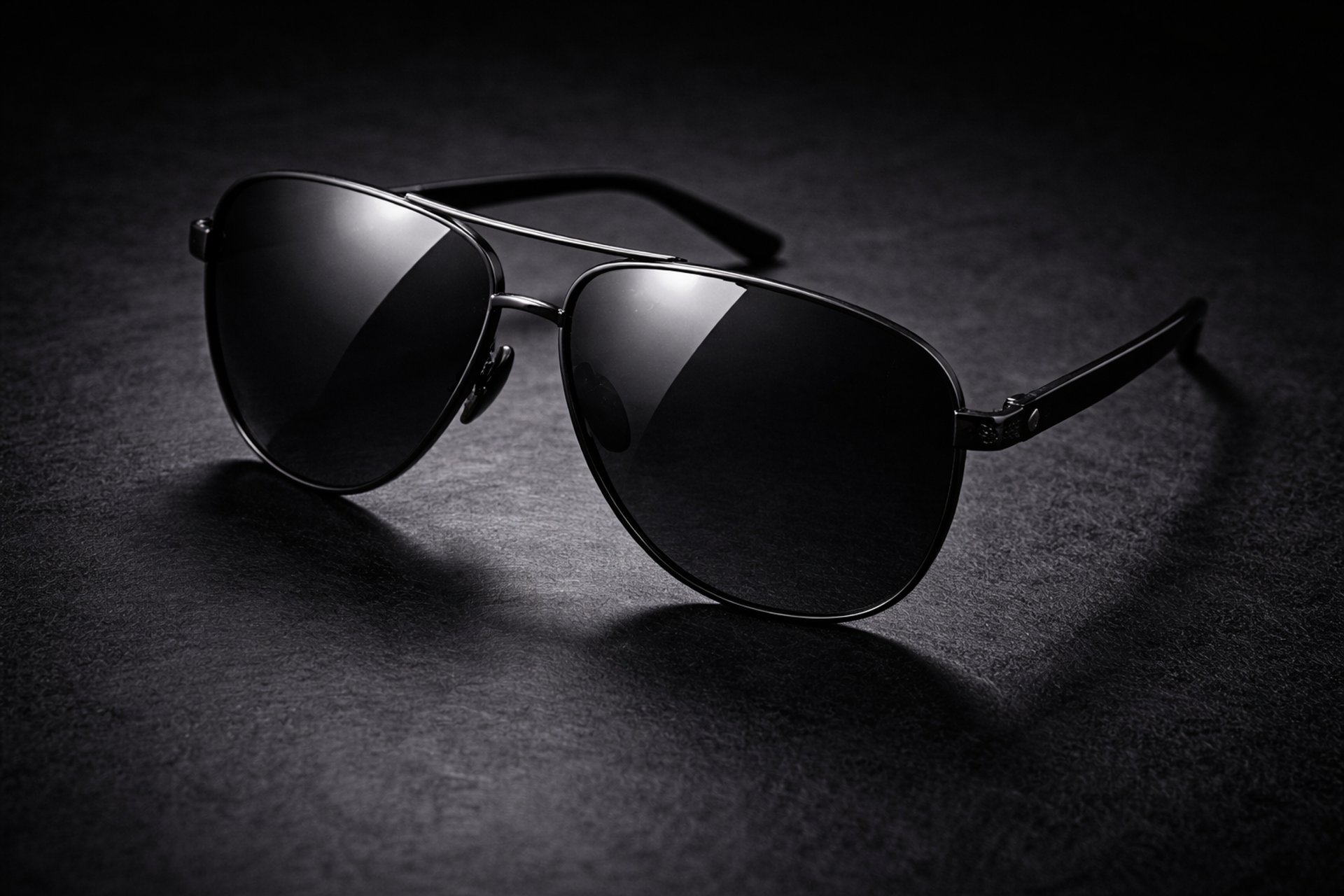
How to Store Sunglasses Properly
Learn how to store sunglasses properly with simple tips that protect your eyewear, extend their life, and keep your vision clear and sharp.
EDC SUNGLASSES
The EDCBuzz Editorial Team - Led by AJ “Buzz” Eichman
7/4/20267 min read
Sunglasses aren’t just a bit of shade for your eyes. Over the years, I’ve come to see them as a modest investment in comfort and protection. They keep glaring sun off your face, help you see better in bright conditions, and sometimes even save you from a headache or worse. But all the benefit in the world won't mean much if your sunglasses get damaged or scratched because you didn’t store them right. I’ve been around enough long trails and winding roads to know: sunglasses left to their own devices rarely come out the same.
Storing sunglasses properly extends their life, saves you money, and keeps your vision as clear as the day you first put them on. It’s not complicated, but it does take a bit of care and thought. I’ll talk you through what I’ve learned over time on how to store sunglasses so they stay useful and intact. For a broader look at choosing and caring for eyewear, see EDC Sunglasses and Sunglass Lens & Frames Guide.
Quick Verdict
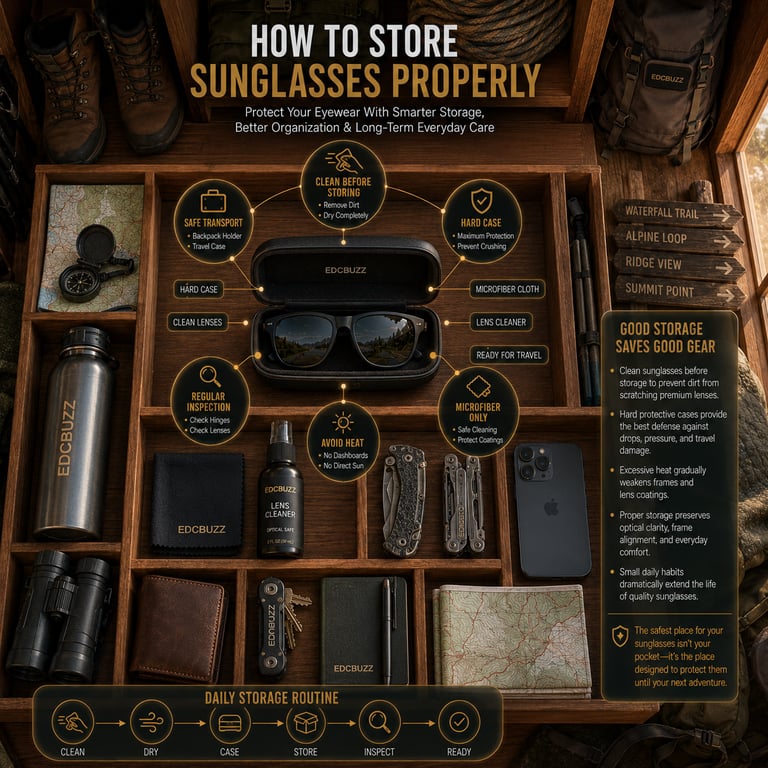
Always clean your sunglasses before putting them away to avoid scratching lenses.
Use a hard protective case when possible for the best defense against damage.
Avoid leaving sunglasses in hot cars or direct sunlight when you’re not using them.
Don’t stash sunglasses loosely in bags or pockets—there’s no mercy there.
Why Proper Sunglasses Storage Matters
You might think sunglasses are tough enough to handle a bit of rough treatment. After all, they’re meant for outdoors. But I’ve seen plenty cracked frames and scratched lenses caused by not storing them right. When you toss sunglasses in your pocket or just slide them into a bag without any protection, grit and hard objects do their damage quietly but surely.
Proper sunglasses storage helps prevent several common problems: scratches on lenses, bent or warped frames, and deterioration of lens coatings. Even if your lenses look fine at first glance, tiny scratches or coating damage can reduce optical clarity and eye protection over time. You won’t notice it right away, but it’s there.
Keeping your sunglasses in a good case, cleaning them before storage, and avoiding extreme temperatures are simple steps that save you replacement headaches down the line. This care also respects the investment you made. I’ve always found that if you take care of your gear quietly and consistently, it takes care of you when it counts. If you rely on eyewear during sports, Best Golf Sunglasses highlights models built for long days outdoors.
How to Clean Sunglasses Before Storing
Before you put your sunglasses away, give them a quick cleaning. Not just for looks—any sand, dirt, or oil left on the lenses can scratch the surface when stored. Use a microfiber cloth, the kind you’d find in optics or camera shops. It’s soft enough not to cause scratches but strong enough to remove grime.
If you need a cleaner, pick one meant for coated lenses—something gentle without harsh chemicals. Avoid household cleaners, alcohol, or ammonia-based products. Those wipe out the coatings that help reduce glare and protect your eyes.
Clean the lenses gently and don’t apply pressure with your fingers or rough cloths. After cleaning, make sure the lenses are fully dry before storage. Storing damp sunglasses can sometimes cause fogging or mold buildup inside the case over time. If you're wondering when it's worth replacing an older pair instead, read How Long Do Sunglasses Last?
Best Types of Sunglasses Cases and Storage Options
Choosing the right case is as important as cleaning. There are soft pouches and hard cases. Both have roles, but if you want to protect your sunglasses when they’re not in use, a hard case offers better shield against crushing or bending. The sturdy shell keeps your frames and lenses out of harm’s way if dropped or sat on.
Soft cases are handy for carrying around daily because they’re lightweight and slip into pockets with ease. But don’t rely on them alone for long-term storage or traveling. They won’t stop heavy pressure.
If you’re on the move and don’t always have a case, consider dedicated holders clipped onto backpacks or vehicles. These give your sunglasses a spot to live where they’re less likely to get scratched or forgotten.
Storing sunglasses vertically or wedging them in tight spots without support isn’t a good idea either. Frames can bend out of shape, especially metal ones, and lenses might get scratched. Lay them flat inside a case or organizer, lens side up or with a dedicated divider if possible. If you're considering connected eyewear, Best Smart Glasses includes options that require even more careful storage.
Storage Tips for Different Sunglasses Materials and Lenses
Sunglasses come with various frame materials—plastic, metal, even mixing both—and lenses with special coatings, including polarized and UV protection. Each type has quirks for proper storage.
Plastic frames can warp if left in overly hot places for too long. That includes your dashboard or glove box on a hot day. Temperature extremes break down plastics over time, so keep sunglasses in a cool, dry spot.
Metal frames are less heat-sensitive but bend more easily if not supported. Leave them hanging or stuffing into pockets, and you might find the arms misshapen the next time you reach for them.
Polarized and coated lenses deserve a little extra attention. The coatings are delicate. Using the wrong cleaner or abrasive cloth will chip away their effectiveness. Sticking with microfiber and lens-safe sprays is your best bet. Store these sunglasses in a case where they won’t rub against rough surfaces or other objects. If you're comparing lens materials, Serengeti Anteo vs Oakley Sutro TI Sweep (Glass vs Polycarbonate) offers a useful breakdown.
Common Storage Mistakes and How to Avoid Them
I’ve seen plenty of people damage perfectly good gear simply by mishandling their sunglasses. Some mistakes keep cropping up:
Storing sunglasses without any case, leaving lenses unprotected. That’s just asking for scratches.
Placing sunglasses down on the lenses rather than the frame. Even a bit of dirt beneath can cause scoring.
Not cleaning sunglasses before storage traps grit that grinds away coating every time you put them on.
Leaving sunglasses baking in cars or by windows gets frames warped and coatings weakened faster than you think.
Using paper towels, cotton shirts, or anything rough for cleaning quickly ruins lens coatings.
Avoid these by building habits that protect your gear quietly. You don’t need fancy tools—just a proper case, a good cloth, and a little attention. If you're deciding between adaptive and fixed lenses, Julbo Shield REACTIV vs Maui Jim Stone Shack (Photochromic vs Polarized) can help.
Everyday and Travel Storage Solutions for Sunglasses
How you store sunglasses depends on where you are and how often you need them. For daily carry, a compact yet sturdy hard case tucked in your bag or glove compartment keeps sunglasses safe and accessible. Add a microfiber cloth inside and you’re set.
Outdoors or for active use, clip holders on backpacks or hats help keep sunglasses handy without risking damage from stuffing them carelessly. Just make sure the holder itself offers some protection against scratches and bumps.
At home, a dedicated drawer or organizer is ideal. If your sunglasses live in a soft pouch, keep the case nearby for extra protection when possible. It also helps to keep cleaning cloths close so you’ll remember to wipe lenses gently.
Travel calls for a hard case that can handle being squeezed in luggage. I’ve seen checked bags tossed without mercy; only the toughest cases keep sunglasses safe through the chaos. If you frequently switch between clear and dark lenses, When Should You Wear Photochromic Sunglasses? explains when they're the better choice.
Frequently Asked Questions About Sunglasses Care and Storage
What is the best way to clean sunglasses before storing?
Use a microfiber cloth and a lens-safe cleaning spray. Avoid harsh chemicals or rough materials. Gently wipe the lenses until free of dust, oils, and smudges. Always dry completely before storage. Are Polarized Sunglasses Good for Driving?
Can I store sunglasses in soft cases instead of hard cases?
Soft cases are fine for short-term, daily carry where weight and size matter. For long-term storage or travel, hard cases offer better protection against impacts and crushing.
How should I store sunglasses if I don’t have a case available?
Lay them flat on a clean surface with lenses facing up if no case is available. Avoid placing anything on top or putting them in pockets with keys or loose objects that could scratch. Get a case when you can.
Are there special storage tips for polarized or coated lenses?
Yes. Use only gentle cleaners made for coated lenses and always store in a case to prevent damage. Avoid placing lenses against abrasive surfaces or exposing them to extreme heat. Do You Need Polarized Sunglasses for Fishing?
Is it safe to leave sunglasses in a car or outdoors when not wearing them?
No. Heat buildup can warp frames and degrade coatings. Sunlight and temperature swings aren’t kind to sunglasses, so bring them inside or keep them in a cool case.
How often should I clean and inspect my sunglasses for damage?
Aim to clean daily if you use them regularly and inspect frames and lenses weekly. Catching small problems early prevents bigger ones later.
Can storing sunglasses vertically damage the frame?
It can. Frames, especially metal ones, may bend out of shape if not supported evenly. It’s better to lay sunglasses flat in a case or organizer.
What materials are best for sunglasses cases to protect lenses?
Hard plastic, aluminum, or semi-rigid molded cases provide the best defense against impacts. Soft cases are lighter and more portable but offer less protection. Are Safety Glasses Good Enough for Outdoor Work?
Practical Conclusion
Sunglasses are one of those everyday tools that quietly do their job when treated right. Keep them clean, stored safely in a good case, and away from heat, and they’ll stick around longer than you expect. It’s not a complicated ritual, but it’s one worth practicing, especially if you depend on them regularly.
I’ve carried and cared for plenty of gear in different conditions. The difference between a pair of sunglasses that last and one you replace too soon is often in the small, steady habits of proper storage. When you handle your glasses with care, you’re not just protecting a frame or lens—you’re protecting your eyes and your vision, day after day. Are Polarized Sunglasses Good for Hiking?

Contact@TheBuzzHQ.com
© 2026 EDCBuzz. All rights reserved.
EDCBuzz
Master everyday carry systems with clarity and precision. Built for real environments and practical use.
For educational purposes only.
General Inquiries: