
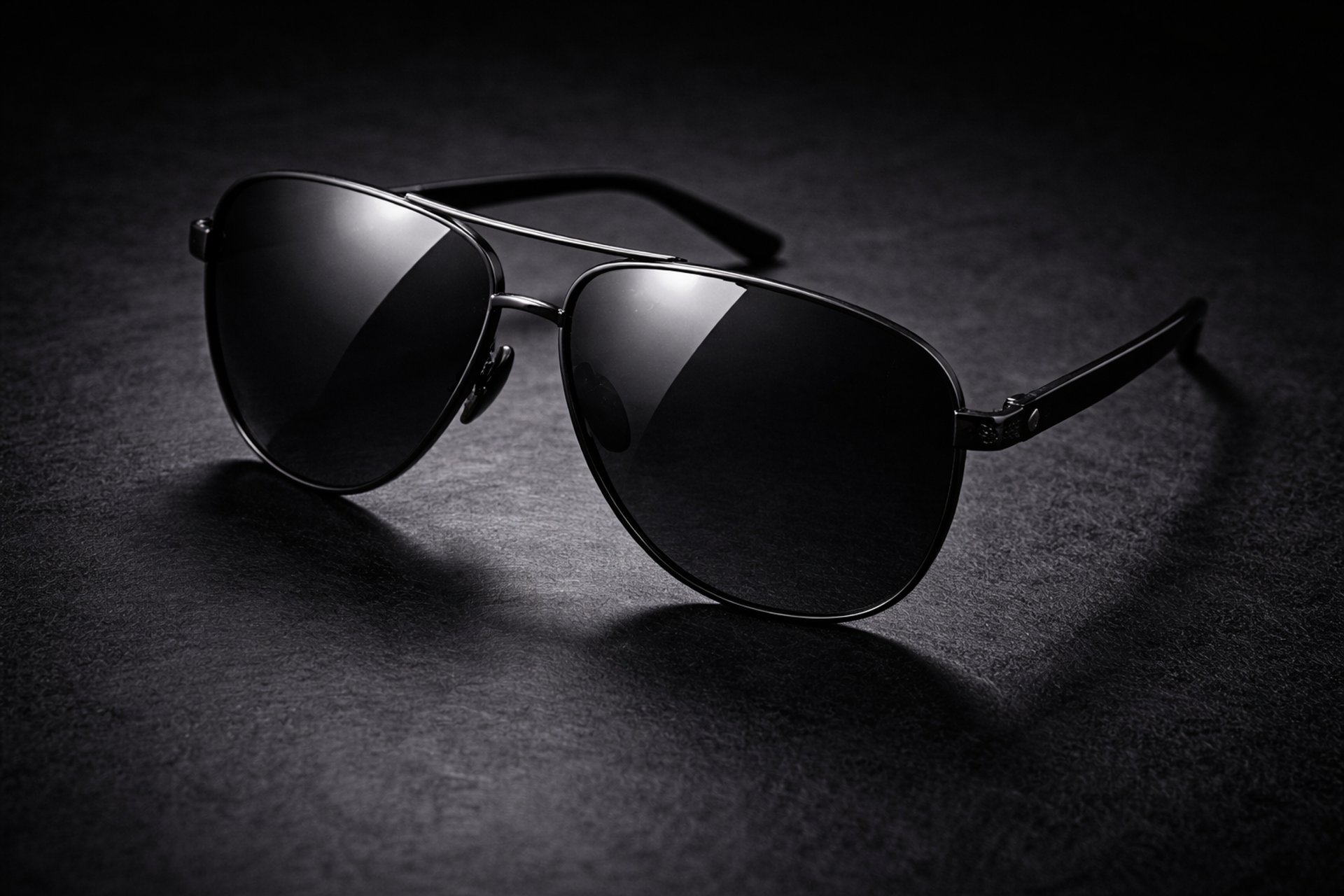
How Long Do Sunglasses Last?
Discover how long sunglasses last and get essential sunglasses care tips to extend their lifespan and keep your eyes protected.
EDC SUNGLASSES
The EDCBuzz Editorial Team - Led by AJ “Buzz” Eichman
7/4/20266 min read
Sunglasses seem like simple gear, but they’re a lot more important than a fashion accessory when you spend your days outdoors. Over the years, I’ve watched plenty of people underappreciate how sunglasses wear down, leaving their eyes unprotected when it matters most. The question of how long sunglasses last isn’t simple — it depends on what you use them for, how you care for them, and how well they were made in the first place. But if you want your shades to reliably shield you from the sun without fuss, it helps to understand the typical lifespan of sunglasses and how to keep them going a little longer. For a broader look at choosing the right eyewear for different situations, check out EDC Sunglasses and Sunglasses By Activity.
Quick Verdict
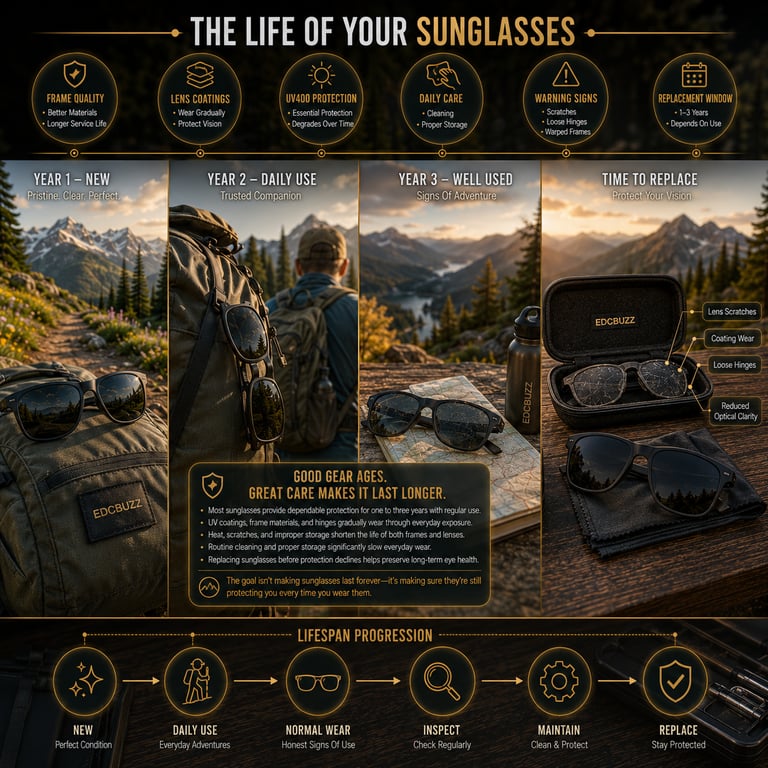
Sunglasses often stay functional for around 1 to 3 years, depending on quality and use.
UV protection coatings degrade over time, so scratched or worn lenses might not guard your eyes properly.
Frames and lenses made from tougher materials last longer and handle rough conditions better.
Proper cleaning, storage, and avoiding extreme heat help extend the life of your sunglasses.
Typical Lifespan of Sunglasses
If you ask most folks, sunglasses will last as long as they don’t lose their shape or the lenses don’t get too scratched up. That’s part of it, but the protective side of sunglasses has an expiry date too. Most manufacturers say 2 to 3 years is about right for replacement in normal day-to-day use. After that, the UV blocking ability—the main reason you’re wearing them—can start to weaken.
I’ve seen plenty of good pairs last a solid couple years before needing a change. It’s not unusual for budget sunglasses to fall apart closer to the one-year mark, especially if they’re tossed in pockets or left in hot places. On the other hand, high-quality frames and lenses calibrated for longevity can push beyond three years without much loss in protection, but only if treated right. If you spend a lot of time on the trail, Best Hiking Sunglasses highlights durable options built for demanding conditions.
Factors Affecting Sunglasses Durability
When it comes to sunglasses durability, a few things make a difference:
Frame Construction
Frames built from strong, flexible materials like certain metals or durable composites tend to outlast cheap plastics. They don’t warp or snap easily when you’re bending down or carrying them in a pocket. Still, no material is invincible. Check for loosened hinges or cracks, because those are signs damage is setting in.
Lens Material and Coatings
Polycarbonate and glass lenses each have their own strengths—polycarbonate is lightweight and impact-resistant, but that comes with a scratch-prone surface if you skip protective coatings. Glass resists scratches better but weighs more and can shatter on impact. Lens coatings like polarized or anti-reflective layers improve vision and comfort but need careful cleaning to stay effective. Over time, these coatings breakdown, especially if exposed to saltwater, sweat, or harsh chemicals. For a closer look at affordable versus premium construction, see goodr FXG vs KOO Supernova (Cheap vs Expensive).
Frequency and Type of Use
Wearing your sunglasses for casual drives or short walks won’t wear them out as fast as daily use for fishing, gardening, or hiking. The more exposure to sweat, dust, and rough handling, the faster wear sets in. Environmental exposure to salt spray, sand, and humidity can hasten frame corrosion and lens deterioration.
How UV Protection in Sunglasses Works
What often goes unseen is how sunglasses actually protect your eyes. Most lenses come with UV400 protection, blocking both UVA and UVB rays. That’s not about tint but about a coating or lens composition that absorbs or reflects harmful ultraviolet light.
This protection isn’t permanent. It wears off gradually, even if you don’t notice it. Scratches on your lenses don’t just impair your view—they can also compromise the UV defense by allowing rays through damaged spots. That’s why seeing faint lens wear or color fading doesn’t mean your eyes are safe anymore.
If you rely on your sunglasses daily, think of UV protection like sunscreen—it needs reapplication, or in this case, fresh lenses, over a few years. If you want to compare protective eyewear designed for hazardous environments, Mechanix Vision Type-E vs Oakley Half Jacket 2.0 (Safety Glasses vs Sunglasses) explains the differences.
Signs It’s Time to Replace Your Sunglasses
Several signals tell you when to retire a pair of sunglasses. Pay attention to:
Scratches on the lenses that interfere with vision or let UV rays through
Warped or damaged frames that don’t fit comfortably or securely
Loose hinges that cause unstable wear patterns or increase risk of dropping
Fading or discoloration of lenses, which might mean coatings are breaking down
Noticeable reduction in eye comfort or increase in glare during bright conditions
If you’re carrying one pair day in and day out, it’s wise to swap them out every two or three years regardless, long before they fail unexpectedly. Classic styles can certainly last for years when cared for properly, and Best Aviator Sunglasses showcases several long-lasting options.
Sunglasses Care Tips and Maintenance
Taking care of sunglasses is straightforward once you know what to avoid:
Use a soft microfiber cloth and lens cleaner made for eyewear, never paper towels or clothing which scratch lenses
Always store sunglasses in a rigid case when not in use — that prevents accidental crushing or dropping
Avoid leaving sunglasses inside hot cars or exposing them to extreme temperatures, which can twist frames and peel coatings
Rinse lenses with water before wiping off dust or grit to prevent scratches
Tighten loose screws on hinges periodically, or have a professional do it if you’re not comfortable
Simple maintenance isn’t glamorous, but it adds up when you depend on your sunglasses to protect your eyes properly outdoors. If you're using lenses that automatically adjust to changing light, When Should You Wear Photochromic Sunglasses? explains how to get the most from them.
Materials and Construction Differences
Understanding what your sunglasses are made of helps you set reasonable expectations.
Plastic Frames
Lightweight and cheap, but prone to warping in heat and cracking after stress. Better suited for light use or casual wear.
Metal Frames
Usually sturdier and more resilient. Aluminum alloys and stainless steel resist corrosion well, but some cheaper metals can rust if wet or sweaty all day.
Composite Frames
A blend that can capture the best of both worlds—flexibility, durability, and lightness. These are often found in outdoor-focused glasses designed for rough conditions.
Lens Types
Polycarbonate lenses are common for everyday and active use—light and impact resistant but need careful handling to avoid scratches. Glass lenses are heavier but maintain clarity longer under harsh conditions. High-quality polarized lenses cut glare and improve vision but add to care demands. If you're considering connected eyewear, Can Smart Glasses Replace Traditional Sunglasses? explores where that technology fits.
Common Mistakes That Shorten Sunglasses Life
People often neglect the small things that degrade their glasses over time. Here’s the usual culprits:
Cleaning lenses with rough materials or household cleaners instead of proper microfiber cloths and lens solutions
Leaving sunglasses on the dashboard or car seat under blazing sun, which bakes frames and peels coatings
Ignoring small frame cracks or loose screws until the glasses fail outright
Dropping sunglasses frequently or storing them in bags without protection
Assuming lens tint or fading means the sunglasses are still protecting UV well
Avoiding these habits is less about pampering your gear and more about not getting caught unprotected when you need it. If you regularly wear protective eyewear on the job, Are Safety Glasses Good Enough for Outdoor Work? explains when they're the better choice.
Frequently Asked Questions About Sunglasses Longevity
How long do sunglasses typically last?
Most last between 1 and 3 years depending on quality and care. Heavy daily use can shorten lifespan.
What factors affect sunglasses durability?
Frame material, lens type and coatings, frequency of use, and environmental exposure all play a role. Are Polarized Sunglasses Good for Hiking?
How can I tell when to replace my sunglasses?
Look for lens scratches, frame warping, loose hinges, coating wear, or discomfort and glare during use.
What are the best care practices for sunglasses?
Clean with microfiber cloths and lens solutions, store in protective cases, avoid heat and chemicals, tighten screws periodically.
Do lens scratches impact UV protection?
Yes, scratches can allow UV rays through damaged areas, reducing the effectiveness of the lenses. Are Polarized Sunglasses Good for Driving?
Can I repair damaged sunglasses?
Minor frame repairs and hinge tightening are often possible, but scratched lenses or worn coatings generally require replacement.
Are all sunglasses' lenses equally durable?
No. Polycarbonate lenses are impact resistant but scratch easily, whereas glass lenses resist scratches better but are heavier.
How does UV protection in sunglasses work and degrade over time?
UV protection comes from lens materials and coatings that absorb or block ultraviolet light. These coatings wear down with time and exposure to scratches or harsh environments. Do You Need Polarized Sunglasses for Fishing?
Conclusion
I’ve spent more time outdoors than most, and one thing is certain: sunglasses that fail you aren’t just a nuisance—they leave you vulnerable. The lifespan of sunglasses is more than just how long they physically hold together; it’s about how long they protect your eyes effectively. You’ll find that decent frames and good lenses, paired with simple care habits, let you stop thinking about your sunglasses while you focus on what’s around you. When it’s time to replace them, you’ll notice without fuss, and that’s the sort of reliability worth having on your face every day.
Keep your sunglasses in a sturdy case, clean them gently, and don’t wait for problems to become obvious. That’s how you make them last beyond just a single season of wear. Because in the end, protection from the sun’s glare and harmful rays is not something to take lightly—or to replace only after damage sets in. Opt for function, treat them right, and you’ll keep your eyes safer for all the moments ahead.
Contact@TheBuzzHQ.com
© 2026 EDCBuzz. All rights reserved.
EDCBuzz
Master everyday carry systems with clarity and precision. Built for real environments and practical use.
For educational purposes only.
General Inquiries: