
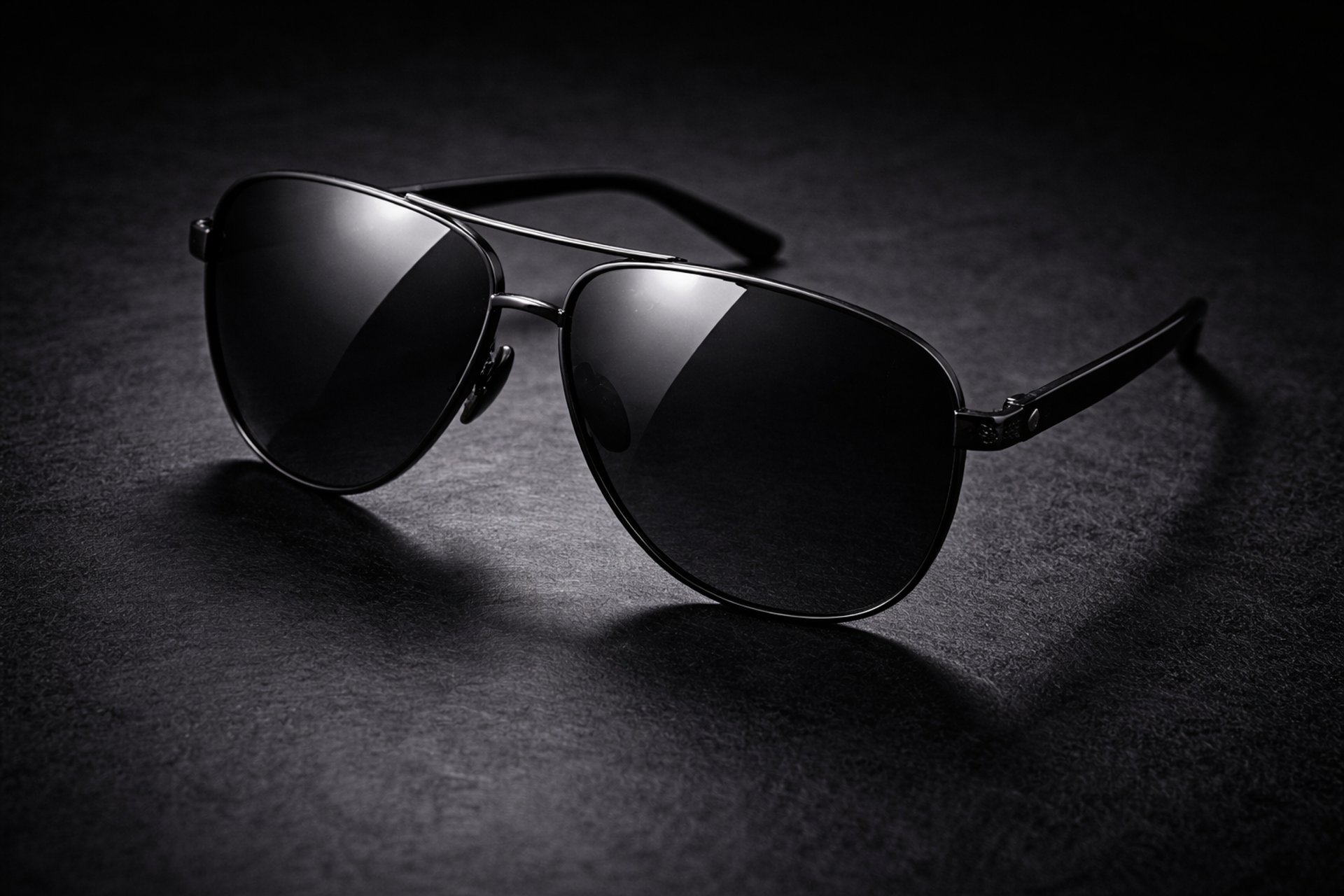
Are Polarized Sunglasses Good for Hiking?
Discover the benefits of polarized sunglasses hiking offers for glare reduction, UV protection, and improved trail visibility on your next outdoor adventure.
EDC SUNGLASSES
The EDCBuzz Editorial Team - Led by AJ “Buzz” Eichman
7/4/20267 min read
If you’ve spent any decent time on trails, you know glare is like that annoying hiking buddy who just won’t shut up — constantly distracting, sometimes blinding, and making you question if you brought the right gear. Polarized sunglasses often get touted as the must-have solution for dealing with glare on the trail. But do they really live up to the hype? After spending several weeks taking polarized sunglasses out on various hikes — sunny ridgelines, shaded forests, rocky river crossings — I’ve got a good sense of how they perform day in, day out. This isn’t a first impression based on flashy marketing; it’s the type of insight you only get after the novelty fades and comfort, visibility, and practicality become the real deal breakers. If you're comparing different options, learning about EDC Sunglasses and the Sunglass Lens & Frames Guide can help you understand how lens technology and frame design affect trail performance.
Quick Verdict
Polarized sunglasses dramatically cut glare from reflective surfaces like wet rocks and streams, easing eye strain and improving trail visibility.
They provide solid UV protection — a must for long days outdoors under harsh sun.
You’ll notice better contrast and clearer views, which help spot obstacles and trail signs sooner.
They’re less effective (sometimes even a bit of a hindrance) in low-light or dense forest shade where glare isn’t an issue.
Some users find screen visibility suffers with polarized lenses, making GPS or phone use trickier on the move.
How Polarized Sunglasses Work: The Science Behind Glare Reduction
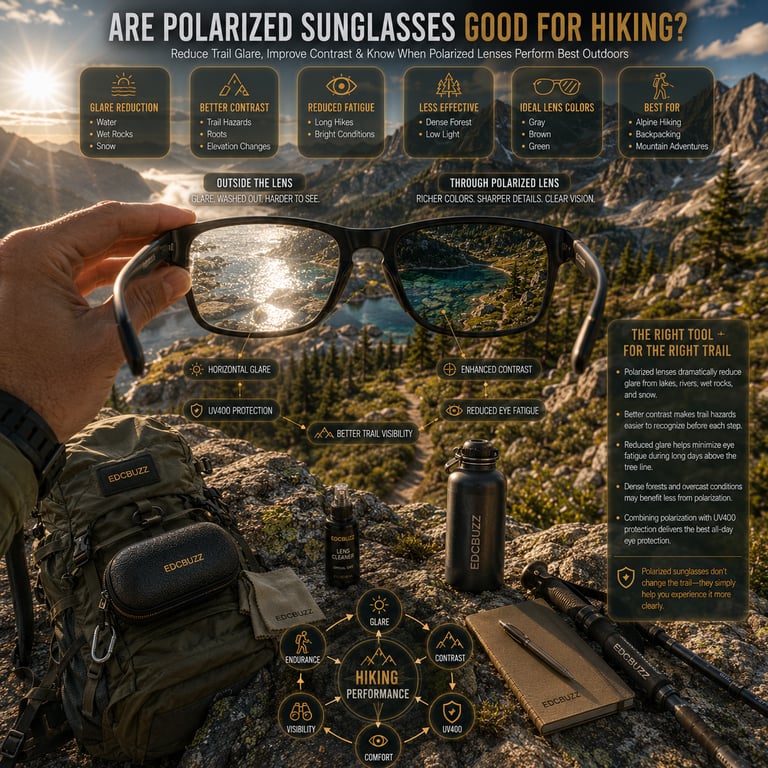
Glare is sunlight bouncing off flat surfaces — water, snow, wet rocks — and sending a horizontal reflection right at your eyes. Polarized lenses contain a vertical filter that blocks these horizontal reflections, thanks to some neat physics magic. This means less blinding shine, and a visual world that suddenly feels less washed out and more detailed. It’s like cleaning a foggy windshield — everything from leafy undergrowth to distant trail markers comes into sharper focus.
But it’s important to remember polarization targets glare specifically. UV protection, which guards your eyes from long-term sun damage, is a separate feature. The best hiking sunglasses combine both so you’re not just reducing shine but shielding your vision from harmful rays.
Benefits of Polarized Sunglasses for Hiking
After a solid run of daily hikes spanning rocky summits and mossy forest floors, I can say polarized sunglasses settle nicely into a hiker’s routine. The biggest everyday win is reducing glare off wet surfaces. Streams and puddles normally send harsh reflections that force you to squint or awkwardly tilt your head. With polarized lenses, the intensity dial turns way down, which after a few hours hiking feels more like comfort than a luxury. It’s easy to forget you’re even wearing them — one of the best compliments a pair of sunglasses can earn.
Contrast improvement is another subtle but meaningful benefit. Trails littered with rocks, roots, and drop-offs demand sharp assessment to avoid stumbles. Polarization helps those natural contrasts pop just enough to spot hazards earlier. On a few rocky descents, I caught myself trusting my vision more, pushing confidence rather than creeping along cautiously.
The UV protection layer is arguably as important as the glare control. Prolonged exposure under mid-day sun, especially above the treeline, can cause serious eye fatigue and damage over time. Wearing polarized sunglasses with full UVA/UVB blocking means less worry about long-term harm — something your future self will appreciate, even if it feels like a small thing amid tougher trail challenges. If you're shopping for a dedicated pair, it's worth looking at the Best EDC Sunglasses available for everyday outdoor use.
Polarized vs Non-Polarized Sunglasses: Which is Better for the Trail?
The truth is, polarized sunglasses aren’t a one-size-fits-all miracle. I carried a non-polarized pair on a few hikes, mostly in dense forest shade or overcast days. Without the polarization filter, glare wasn’t a problem, and the lenses sometimes offered better brightness and color vibrancy. That made it easier to navigate dimmer sections where polarization could reduce visibility or dull colors too much.
But on bright, sunny days—especially crossing streams or hiking snowy ridges—polarized lenses won hands-down in comfort and clarity. The glare reduction improves safety by making it easier to spot slippery rocks and uneven ground, which can help prevent some common hiking mishaps. They also cut down the pesky eye fatigue that creeps up after hours in harsh light. If you're curious how premium glass compares with modern polycarbonate designs, the Serengeti Anteo vs Oakley Sutro TI Sweep (Glass vs Polycarbonate) comparison is worth reading.
Choosing the Right Lens Color and Material for Hiking
Not all polarized lenses are created equal, and lens color can have a big impact depending on your trail environment. Neutral gray tints keep colors true and reduce overall brightness, good for bright conditions without color distortion. Brown or amber lenses boost contrast in lower light and add warmth to the scene, ideal for forests or early mornings. Green lenses offer a balanced approach with color enhancement and glare reduction.
Material matters just as much. Polycarbonate lenses are lightweight and impact-resistant — perfect for rough use on the trail. Glass lenses deliver better optical clarity but add weight, which might become noticeable after a full day of hiking. Over time, some cheaper polarized lenses lose their effectiveness or scratch easily, so investing in quality coatings for scratch resistance and hydrophobic surfaces pays off. The goodr FXG vs KOO Supernova (Cheap vs Expensive) comparison highlights how build quality can influence long-term durability.
It’s also worth noting that polarized lenses can sometimes interfere with reading LCD screens, like GPS devices or smartphones, depending on the angle. If navigation tech is a must-have for you, test your sunglasses with your gear before committing.
Common Mistakes When Selecting Hiking Sunglasses
After seeing plenty of polarized sunglasses come and go in my gear rotation — and watching fellow hikers struggle with their picks — here are some traps to avoid:
Assuming polarized sunglasses work equally well in every setting. They excel in bright, reflective conditions but can reduce visibility in shaded or low-light forests.
Focusing only on polarization and neglecting the importance of full UV protection. Both features are vital for eye health on the trail.
Buying cheap polarized glasses with low-quality lenses or flimsy frames that are uncomfortable and prone to damage. You want something tough but comfortable enough to wear all day.
Overlooking lens color choice, which affects how terrain and colors appear. The “best” color varies depending on your typical hiking environment.
Skimping on scratch-resistant or impact-resistant coatings. The trail demands durability if you want your sunglasses to last beyond a few outings. Before buying, it also helps to know Do Expensive Sunglasses Really Protect Your Eyes Better?
Real-World Hiking Scenarios: When to Use Polarized Sunglasses
After testing polarized lenses on a variety of trails, I found they’re best packed for certain conditions and less necessary in others. Bright, sun-drenched ridges, water crossings, and snowfields are prime polarized real estate. In these settings, glare is constant and harsh, and those mirrored surfaces can cause real visual fatigue.
On dense forest hikes where the canopy blocks a lot of the sun, polarized sunglasses still offer UV protection but don’t always improve clarity. In fact, in low light, the polarization can sometimes make the trail look a touch darker or less vibrant. For long days switching between shade and sun, I often carry a pair with interchangeable lenses or packs a backup non-polarized pair. If you'll also be spending time around water, Do You Need Polarized Sunglasses for Fishing? covers when polarization provides the biggest advantage.
Maintenance and Care Tips for Hiking Sunglasses
Living with sunglasses on the trail means dirt, sweat, and the occasional drop. I’ve learned a few habits that keep polarized hiking sunglasses in fighting shape:
Always use a microfiber pouch or hard case when stowing. Loose in the pack pocket is a warranty for scratches.
Clean lenses gently with suitable lens wipes or a soft cloth. Avoid harsh materials or chemicals that can degrade coatings.
Regularly check hinges and nose pads to maintain fit — nothing ruins the day like slipping glasses or pinching.
Don’t leave them exposed to extreme heat, like the dashboard of a car on a hot day, which can warp frames or damage lenses. If you use adaptive lenses on the trail, it's also helpful to know When Should You Wear Photochromic Sunglasses?
Answering Common Questions About Polarized Sunglasses and Hiking
What are polarized sunglasses and how do they work?
They have a special vertical filter that blocks reflected horizontal light rays (glare), improving visual clarity by reducing eye strain and reflections from surfaces like water, snow, and rocks.
Are polarized sunglasses better than non-polarized for hiking?
It depends on conditions. Polarized lenses excel in bright, reflective environments by reducing glare and improving contrast, but non-polarized sunglasses might be better for shaded or low-light forest trails.
Do polarized lenses protect against UV rays?
Polarization is separate from UV protection. Quality hiking sunglasses combine both polarization with 100% UVA/UVB blocking for full eye protection.
Can polarized sunglasses affect my ability to see trail signs or digital devices?
Yes, polarization can cause LCD screens like GPS or smartphones to appear distorted or darkened at certain angles, which might require adjusting the screen or sunglasses position. If you're considering wearable technology instead, see Can Smart Glasses Replace Traditional Sunglasses?
What lens colors are best for hiking conditions?
Gray lenses offer true color without distortion, brown or amber enhance contrast in variable light, and green lenses balance color and glare reduction; choose based on your typical trail environment.
Are there any downsides to using polarized sunglasses while hiking?
They can reduce visibility in low-light or dense forest areas where glare is minimal, and they might complicate reading electronic screens.
How do I choose durable hiking sunglasses with polarization?
Look for lightweight, impact-resistant lens materials like polycarbonate, durable frames with a good fit, scratch-resistant coatings, full UV protection, and lens colors suited to your environment.
Can polarized sunglasses be used in all weather conditions?
They perform best in bright, sunny conditions. In overcast or heavy shade, their benefits diminish and visibility may be affected, so consider carrying alternative lenses. If you work outdoors as well as hike, you may also want to read Are Safety Glasses Good Enough for Outdoor Work?
Practical Conclusion
Polarized sunglasses for hiking aren’t a gimmick — they deliver clear, tangible benefits when sunlight is at its harshest and glare is a constant nuisance. After weeks of trail time, they settle into regular carry with ease, easing eye strain and sharpening the details on tricky terrain. That said, polarized lenses are not universally perfect; on shady forest trails or overcast days, a non-polarized pair or lighter tint might serve better.
Choosing the right polarized hiking sunglasses means balancing lens color, material, and UV protection with your typical environment and personal comfort. Invest in quality, and you’ll have a pair that performs well and holds up trail after trail. Do they completely replace your regular sunglasses? Probably not, but they earn a permanent spot in the pack for those bright days when glare threatens to steal the show. Just don’t forget where you put them — unlike that one time I sat down hard and only noticed the sunglasses once I rubbed my face.

Contact@TheBuzzHQ.com
© 2026 EDCBuzz. All rights reserved.
EDCBuzz
Master everyday carry systems with clarity and precision. Built for real environments and practical use.
For educational purposes only.
General Inquiries: