
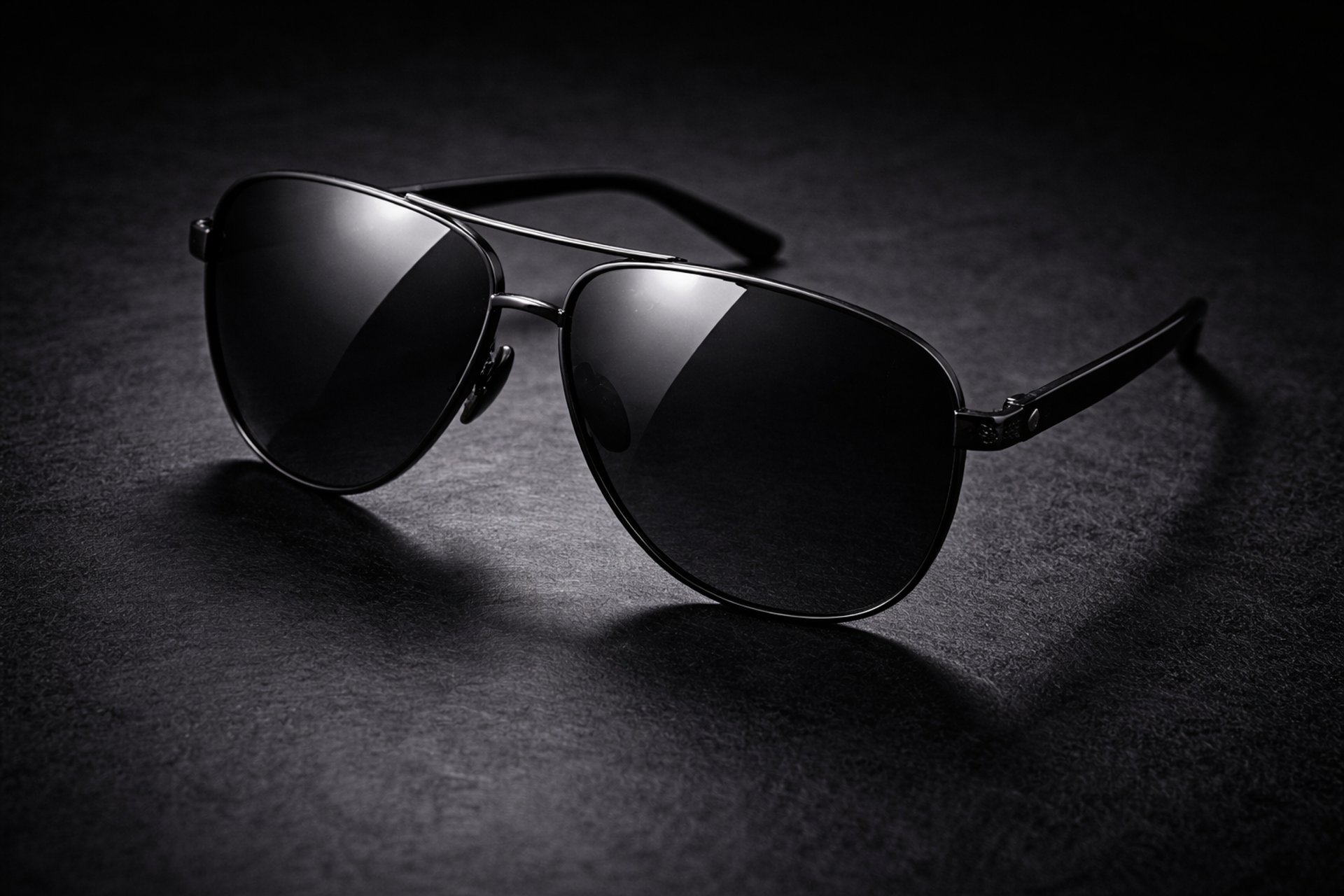
How to Remove Scratches from Sunglass Lenses
Discover practical ways to remove scratches from sunglass lenses, protect coatings, and maintain clarity with simple at-home and professional tips.
EDC SUNGLASSES
The EDCBuzz Editorial Team - Led by AJ “Buzz” Eichman
7/4/20267 min read
Scratches on sunglass lenses are more than just an eyesore—they genuinely impact how you see the world. Light reflecting off scratches can create distracting glare, reduce clarity, and sometimes turn your morning coffee run into a guessing game. Before you resign yourself to the “new lenses” fund, there are practical ways to remove scratches from sunglass lenses or at least improve their condition enough to keep using them a while longer. This guide walks through what works, what doesn’t, and how to care for your lenses so those tiny abrasions don’t sneak back in.
For a complete overview of EDC Sunglasses and the different materials covered in the Sunglass Lens & Frames Guide, it helps to understand your lenses before attempting any scratch repair.
Quick Verdict
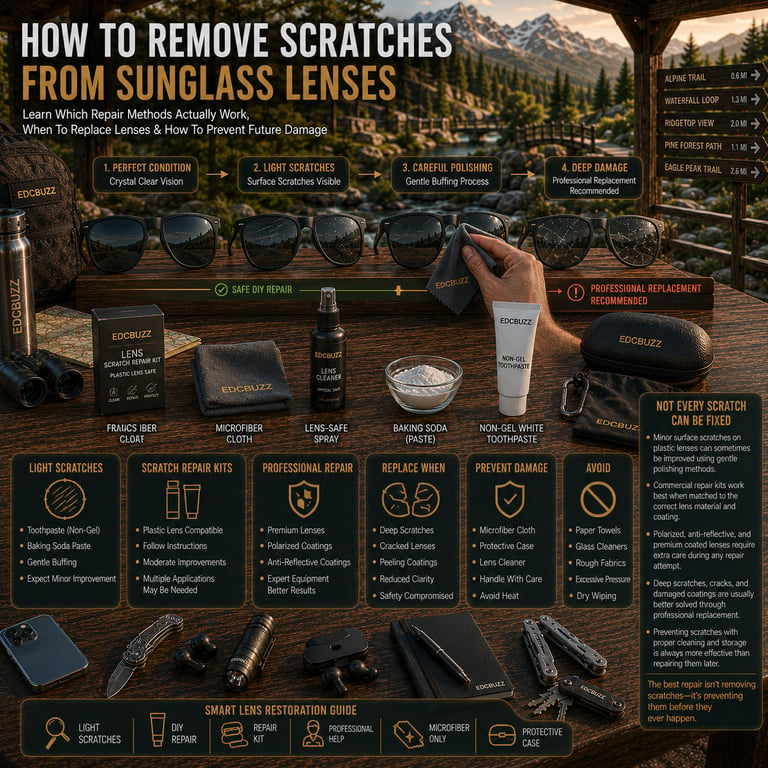
Light scratches on plastic lenses can often be minimized using gentle abrasives like toothpaste or baking soda paste.
Commercial scratch repair kits can offer targeted fixes but work best when matched to your lens material and coatings.
For deep scratches or coated lenses (polarized, UV-protective), professional repair or replacement is usually safer and more effective.
Daily cleaning with a microfiber cloth and avoiding harsh chemicals are key to preventing scratches and extending sunglass life.
Understanding Sunglass Lens Materials and Coatings
Lenses are not all cut from the same cloth—or in this case, molded from the same plastic or glass. Most everyday sunglasses have plastic lenses, which are lighter and less expensive but prone to scratching. Glass lenses resist scratches better but come with added weight and potential for shattering. Knowing what your lenses are made of is important because it guides your approach to scratch removal.
Coatings add another layer of complexity. Polarized, anti-reflective, and UV-protective coatings improve visual comfort and protection but can be delicate. Abrasive cleaning can peel or dull these coatings, sometimes causing more harm than good. So, before whipping out your toothpaste or polish, check your lens care instructions or manufacturer details to see if your lenses have special coatings. If you're shopping on a tighter budget, many of the options in Best Budget Sunglasses use durable plastic lenses that benefit from proper care.
Common Causes of Lens Scratches and Damage
Scratches usually happen in the pockets where sunglasses mingle with keys and coins—or in the bottom of a bag digging through who knows what. Even cleaning with a dirty cloth can grind tiny particles into the lens surface, leaving behind new scratches. Abrupt drops onto rough surfaces or careless wiping with paper towels instead of microfiber can also leave lasting marks.
Sometimes it’s just wear and tear. Over time, micro-abrasions stack up until they reduce the clarity of the lens, making the ideal time for repair or replacement an odd guessing game. Active users wearing Best Athletic Sunglasses often encounter these issues more frequently because of sweat, dust, and constant movement.
Simple At-Home Scratch Removal Methods
Usually, the first impulse is to reach for a household item to polish out those scratches. And you know what? Some at-home fixes do have merit—especially for light surface scratches on plastic lenses.
Toothpaste, yes, the same one you use for brushing, is a popular mild abrasive. Apply a small dab of non-gel, non-whitening toothpaste to a soft microfiber cloth and gently rub it in circular motions over the scratched area for about 10 seconds. Follow up by rinsing with cool water and drying carefully. Baking soda paste works similarly: mix baking soda and water to a thick paste and treat the scratch area with the same gentle buffing approach.
But here’s the catch: these methods only work on very light scratches. They also carry some risk of dulling coatings if overused or used with too much force. Think of it like sanding fine wood—you want to be delicate and precise, not start a fire. After polishing, proper storage is just as important, so be sure to learn How to Store Sunglasses Properly.
Using Commercial Scratch Repair Kits Safely
When toothpaste and baking soda don’t cut it, dedicated scratch repair kits designed for eyeglasses can be the next logical step. These kits typically include mildly abrasive polishing compounds and microfiber cloths, sometimes paired with repair solutions meant to fill scratches.
The key to success here lies in selecting a kit that matches your lens material and coatings. Not all products are universal. For example, some compounds meant for plastic lenses may damage glass, and some kits might not be compatible with polarized lenses. Start by reading user reviews and manufacturer recommendations carefully.
Applied correctly, these kits can noticeably reduce the appearance of scratches and improve lens clarity, especially for small to medium surface damage. Expect some improvement rather than miraculous restoration. If your lenses include photochromic technology, it's also worth understanding Julbo Shield REACTIV vs Maui Jim Stone Shack (Photochromic vs Polarized) before attempting repairs.
When to Seek Professional Lens Repair or Replacement
If scratches are deep, widespread, or on lenses with expensive coatings, professional help is the safer bet. Lens replacement is sometimes the most cost-efficient decision, especially with high-end eyewear where coatings are critical for comfort and clarity.
Professionals can also repair lenses with techniques and materials unavailable in consumer kits, reducing risks of further damage. If your lenses come with warranties, check if scratch repair or replacement is covered. Often, this is the cleanest, headache-free solution. Comparing premium polarized models like Ray-Ban RB3025 vs Randolph Concorde Aviator (Polarized vs Non-Polarized) also shows why protecting quality coatings is worth the effort.
Daily Cleaning and Care Tips to Prevent Scratches
Once your lenses are shiny again, keep them that way by adopting good cleaning habits. Always use a dedicated microfiber cloth—not the sleeve of your shirt—to wipe your lenses. When they’re really dirty, rinse with water and use a lens-safe cleaning spray.
Avoid household glass cleaners and paper towels, which are too abrasive for coated lenses. Store sunglasses in protective cases when not in use, and avoid slipping them into crowded pockets or bags without shelter.
Regular maintenance not only preserves lens clarity but ensures every scratch that does happen stands out less painfully against an otherwise clean surface. Moisture can also affect visibility, so learning How to Keep Sunglasses from Fogging Up is another useful maintenance habit.
Common Mistakes to Avoid When Repairing Lenses
A few things to watch out for when tackling lens scratches:
Using household glass cleaners or abrasive materials that strip coatings faster than the scratches are fixed.
Over-applying DIY abrasives like toothpaste—think light buffing, not an industrial sandblast.
Neglecting to clean lenses thoroughly before repair attempts, which can grind dirt into the surface and make scratches worse.
Assuming deep scratches can be eliminated at home without risks.
Forgetting to confirm the lens material and coating type before applying any product.
Relying solely on DIY fixes for cracked or heavily damaged lenses—in those cases, professional intervention or replacement is best.
Taking the time to understand your lenses and treating them carefully pays off in longer-lasting clarity and comfort. Loose hardware can also contribute to accidental drops, making How to Tighten Loose Sunglass Hinges worth reviewing.
FAQs About Sunglass Lens Scratch Repair
Can scratches on polarized sunglass lenses be removed completely?
Polarized coatings add complexity. Light surface scratches might be minimized with gentle methods, but deep scratches often require professional repair or lens replacement to avoid damaging polarization. If you primarily drive with polarized lenses, see Are Polarized Sunglasses Good for Driving?.
What household items safely remove minor scratches from plastic lenses?
Non-gel toothpaste and baking soda paste are common mild abrasives used carefully for light scratches. Always use soft microfiber cloths, gentle pressure, and avoid overuse to protect coatings.
Are there risks to using toothpaste for lens scratch removal?
Yes. Overuse or applying too much pressure can dull or damage lens coatings, particularly on polarized or anti-reflective lenses. Use sparingly and only on minor surface scratches.
How do I know if my sunglass lenses have special coatings that need professional care?
Check manufacturer details or product documentation. Expensive brands often advertise coatings like polarized or anti-reflective. If uncertain, contact the manufacturer or an optician for guidance.
Can scratch repair kits work on glass sunglass lenses?
Some kits are designed specifically for plastic lenses and may not suit glass. Always confirm compatibility before use. Glass is less prone to scratches but harder to polish once damaged.
Is it better to replace scratched lenses or try to repair them?
For light scratches, repair attempts can be worthwhile. For deep scratches, cracked lenses, or those with delicate coatings, replacement is usually safer and more effective. Understanding How Long Do Sunglasses Last? can also help determine when replacement makes more sense than repair.
How often should I clean my sunglasses to prevent scratches?
Clean them regularly, ideally after each use, with a microfiber cloth and lens-safe cleaner. This routine prevents grit buildup that causes scratches during handling.
Are there specific tools recommended for everyday lens cleaning?
Microfiber cloths paired with lens cleaning sprays designed for eyewear are best. Avoid paper towels, tissues, or fabrics with abrasive fibers that can cause micro-scratches. If your adventures involve trails and changing light conditions, read Are Polarized Sunglasses Good for Hiking?.
Practical Conclusion
After carrying and living with sunglasses long enough to notice the slow-but-sure creep of scratches, I’ve learned the value of practical, careful care combined with realistic expectations. Removing scratches from sunglass lenses isn’t always about miraculous fixes; it’s about slowing the damage, improving minor blemishes, and knowing when to call in the pros or go straight to replacement.
Light abrasive methods like toothpaste and baking soda paste can temporarily improve plastic lenses, as long as you’re patient with the process and gentle with the pressure. Commercial scratch repair kits offer a more polished approach but require attention to compatibility and coatings. For anything beyond light surface damage, professional repair or lens replacement is the wise path to keep your vision crisp and your carry consistent.
Don’t forget that prevention beats repair. Build cleaning into your daily routine with proper tools, protect your lenses in sturdy cases, and be mindful about storage to keep the scratches at bay. Your sunglasses are part of your everyday carry, after all—they deserve a little respect for the daily clarity they provide.
And hey, if you do find a stubborn scratch that just won’t quit, at least now you’ll know it’s not the end of the world—just an excuse to shop for a new pair when the time’s right. After all, isn’t part of the joy in EDC discovering which gear really stands up to life’s little bumps and scrapes?
Contact@TheBuzzHQ.com
© 2026 EDCBuzz. All rights reserved.
EDCBuzz
Master everyday carry systems with clarity and precision. Built for real environments and practical use.
For educational purposes only.
General Inquiries: