
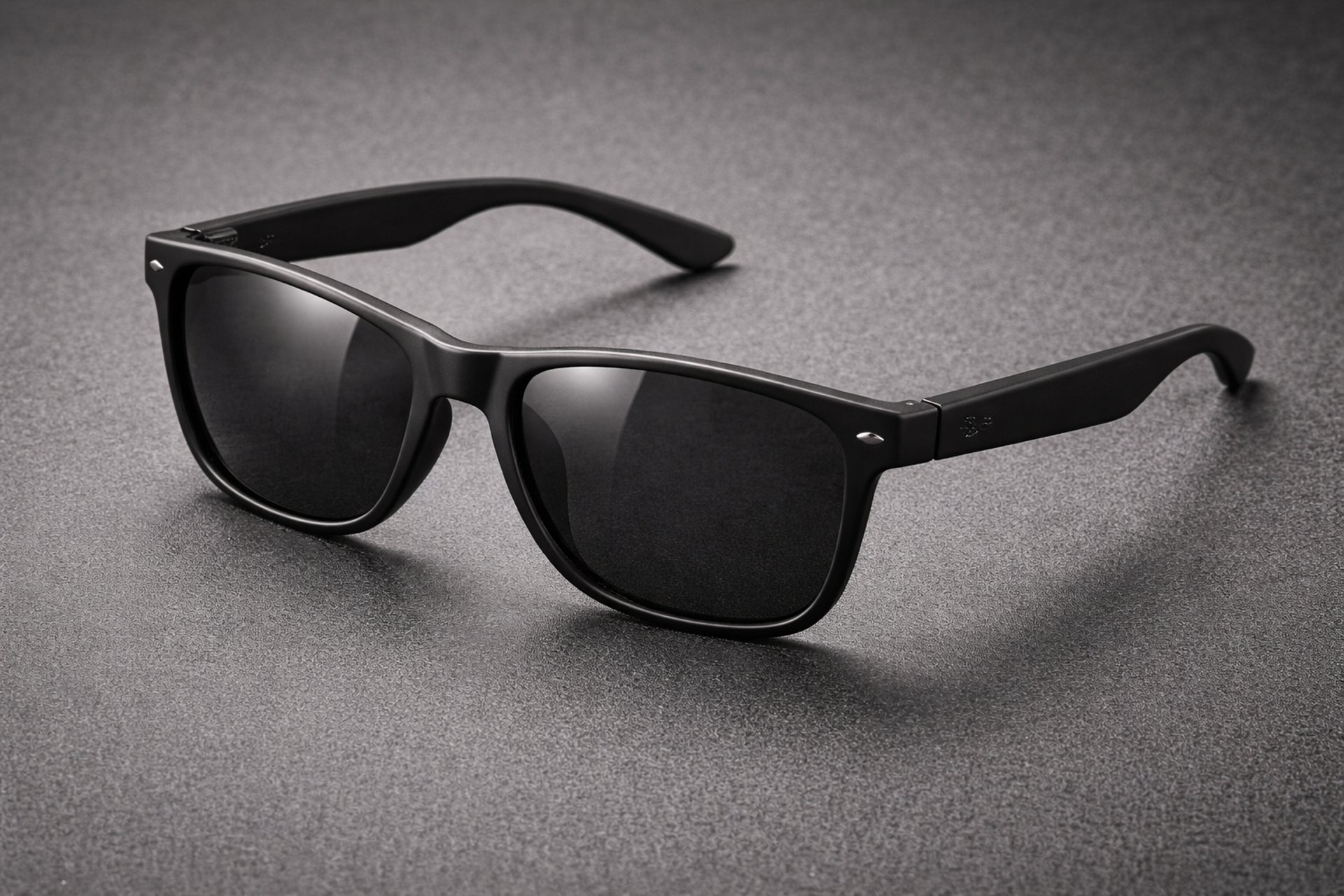
How to Keep Sunglasses from Fogging Up
Discover practical tips to prevent sunglasses fogging with easy cleaning, anti-fog treatments, and fit adjustments for clear vision daily.
EDC SUNGLASSES
The EDCBuzz Editorial Team - Led by AJ “Buzz” Eichman
7/4/20267 min read
If you carry sunglasses daily, you’ve probably experienced that annoying moment when your lenses fog up just as you need a clear view most. Whether you’re stepping out on a chilly morning, switching from an air-conditioned space to the warm outdoors, or just out for a workout, foggy lenses have a way of turning useful gear into a blurrier version of itself. It’s not just inconvenient; it’s a legitimate safety nuisance for anyone depending on their shades to maintain clear vision through sweat, breath moisture, or sudden temperature changes.
The good news is that fogging isn’t some unavoidable fate. With the right approach to anti-fog care, lens maintenance, and fit adjustments, you can significantly reduce—and often eliminate—those pesky foggy moments. After weeks of wearing and testing different methods, I’ve gathered practical tips that really stand up to daily use without resorting to gimmicks.
For more tips on choosing and using EDC Sunglasses in different situations, explore our complete guide along with Sunglasses By Activity to find the right pair for your daily routine.
Quick Verdict
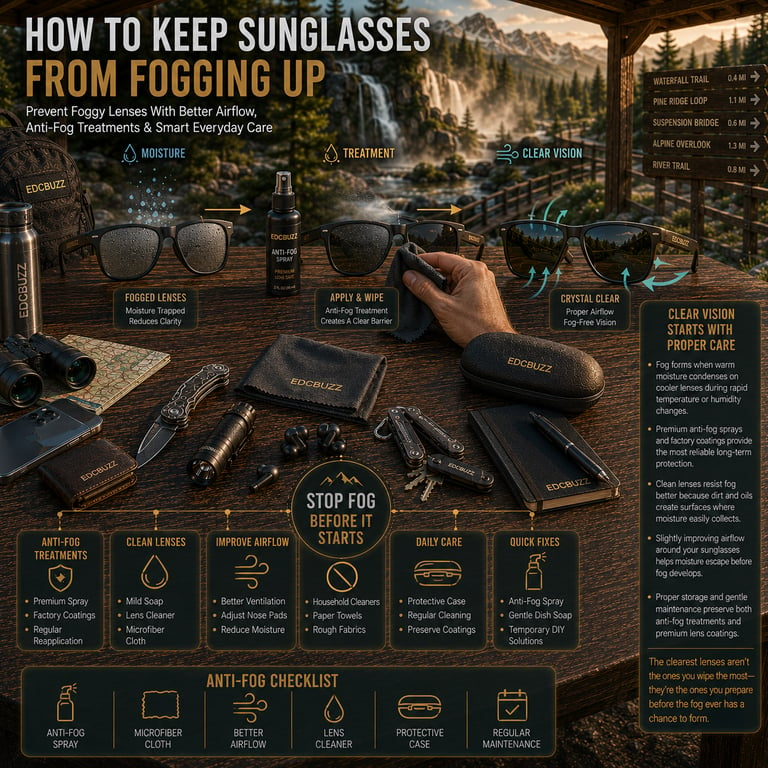
Anti-fog sprays and coatings provide the most consistent long-term results but require regular upkeep.
Regular cleaning with microfiber cloths and gentle cleaners reduces oils and grime that worsen fogging.
Adjusting how your sunglasses sit on your nose and allowing airflow decreases moisture buildup naturally.
DIY solutions like a thin wipe of diluted dish soap or shaving cream can help short-term but aren’t a permanent fix.
What Causes Sunglasses to Fog Up?
It’s not magic, but it might feel like it when your lenses suddenly cloud over. Fogging happens because moisture from your breath, sweat, or the surrounding air condenses when it hits the cooler surface of your lenses. Imagine breathing out on a cold day and watching your bathroom mirror mist up during a shower — the same thing happens on your sunnies.
The subtle physics behind this involve temperature and humidity shifts, sometimes compounded by how close the lenses sit to your face. If your sunglasses fit snug but don’t allow some air to circulate, moisture has nowhere to go except to collect on the inside surface of the lens. From daily commutes with masks to outdoor workouts where sweat runs, the combination of heat, moisture, and cooler lenses is your fog enemy. If you're looking for frames designed to perform during outdoor adventures, our Best Hiking Sunglasses guide highlights models with ventilation-friendly designs.
How Anti-Fog Coatings and Treatments Work
Modern sunglasses often come with built-in anti-fog coatings. These are usually applied at the factory and work by preventing moisture from forming tiny droplets that scatter light and obscure vision. Instead, the water spreads into a thin transparent layer that your eyes barely notice.
In addition to factory coatings, anti-fog sprays and wipes are popular for refreshing or adding another layer of fog prevention. Most rely on surfactants or hydrophilic agents that do what the name suggests — attract water molecules to form thin films instead of beads. Some products are hydrophobic, repelling water altogether, which can work well when combined with the right lens materials.
The catch is that these coatings and treatments often wear off or degrade with repeated cleaning or rough use. So, keeping your lenses clean and treating them regularly matters more than many realize. Higher-end eyewear featured in our Best Premium Sunglasses guide often includes more durable factory-applied coatings.
Practical Everyday Carry Tips to Prevent Fogging
After living with sunglasses through various weather and activity conditions, a few simple changes made a world of difference:
Carry and Clean in a Protective Case
Slipping your sunglasses into a hard case not only shields lenses from scratches but also helps maintain any anti-fog coatings. In my experience, end-of-day pocket jostling without protection leaves grime that fights against your anti-fog efforts. Learning How to Store Sunglasses Properly helps preserve both the lenses and their protective coatings.
Use a Quality Microfiber Cloth
Sure, you can grab whatever rag’s handy, but microfiber cloths designed for eyewear are way gentler on lenses. Oils and smudges left on lenses provide more “footholds” for moisture to coalesce, making fog worse.
Apply Anti-Fog Spray Regularly
Treating lenses with a reputable anti-fog spray before heading out creates a thin shield against moisture. It’s not a one-and-done deal — after a few days of wear and cleaning, you’ll want to reapply to maintain the effect.
Position Sunglasses Slightly Lower on Your Nose
This minor fit tweak opens up airflow to the back of the lenses, reducing trapped breath moisture. While it might look less than perfect at first, it’s much better than dealing with foggy vision when you actually need to see clearly.
Avoid Rapid Temperature Transitions When Possible
Stepping from a chilly car into a warm building often triggers immediate lens fog. If you can, acclimate gradually or pre-treat lenses. It’s a small behavior tweak that saved me from scrambling with a fogged-up lens during winter commutes.
Cleaning and Maintenance Best Practices for Sunglasses
Maintaining clear lenses is as much about cleaning right as it is about treating them against fog. Here’s what settled in after weeks of use:
Avoid Harsh Chemicals
Window cleaner, household sprays, or anything with ammonia might make your lenses shiny but at the cost of damaging anti-fog coatings. Stick with cleaning solutions designed specifically for eyewear.
Clean Lenses with Mild Soap and Water
A drop of gentle dish soap and warm water, followed by a rinse and gentle drying with a clean microfiber cloth, does wonders. This removes grime that captures moisture while being safe on coatings.
Don’t Overdo It
Cleaning every day might seem good in theory, but overwashing—especially with sprays—can degrade coatings faster. Find a balance that keeps lenses clear but doesn’t strip protective layers.
Store Sunglasses Properly
Leaving sunglasses face-down on rough surfaces, or stuffing them in tight pockets without protection, scratches coatings and encourages fog buildup. A hard case remains the best daily carry companion.
DIY and Commercial Anti-Fog Solutions Compared
For those not keen on buying specialized sprays, DIY options often catch attention. Things like diluted dish soap wiped thinly across lenses or a light rub of shaving cream can keep lenses fog-free for a few hours. I’ve tried both, and while they work in a pinch, these methods tend to leave residue that requires thorough cleaning afterward.
Commercial sprays, matched with regular cleaning and proper storage, provide more reliable and lasting fog prevention. The trade-off is cost and upkeep, but if you’re counting on your sunglasses for daily activities or work, the extra effort pays off. If you're deciding between affordable and premium performance, our goodr FXG vs KOO Supernova (Cheap vs Expensive) comparison shows where spending more can make a difference.
Adjusting Fit and Ventilation to Reduce Fogging
An often overlooked fix lies in how your sunglasses sit on your face. A tight, sealed fit sounds like it would keep everything in place. However, it also traps breath and sweat moisture against the lenses.
Letting your glasses sit a notch lower or adjusting nose pads to improve airflow helps. Some sunglasses designed with small vents or breath channels take this to another level, but you don’t have to buy fancy gear to benefit from a little space. If your frames have become loose over time, learning How to Tighten Loose Sunglass Hinges can also improve fit and stability.
Depending on your face shape and activity, this can be the difference between a foggy day and a clear one. After all, your sunglasses should help you see better, not turn into an obstacle course of moisture.
Common Mistakes When Handling Foggy Lenses
It’s tempting to grab whatever’s nearest when fog clouds your view, but certain habits make things worse:
Using Abrasive Materials
Paper towels, shirtsleeves, or rough fabric can scratch coatings, turning anti-fog investments into costly mistakes.
Ignoring Environmental Factors
Failing to consider humidity or temperature when putting on sunglasses invites foggy lenses—and frustration.
Relying Only on Wiping
Constantly wiping lenses can smear or wear off anti-fog coatings faster than you might think.
Assuming Coatings Are Permanent
Even the best coatings need reapplication or proper care to last. Don’t treat sunglasses like they’re set-it-and-forget-it gear. Lens material also plays a role, as explored in our Serengeti Anteo vs Oakley Sutro TI Sweep (Glass vs Polycarbonate) comparison.
Overdressing Fit
A perfect seal that doesn’t breathe is an invitation to fog. Finding the balance between stability and ventilation is key.
Frequently Asked Questions About Sunglasses Fogging
What causes sunglasses to fog up so easily?
Fog forms when moisture from your breath, sweat, or ambient humidity hits the cooler lens surface, condensing into tiny droplets that block your vision.
How can I quickly defog my sunglasses in the field?
A quick wipe with a clean microfiber cloth combined with a breath of fresh air often helps, but for more lasting results, pre-treat lenses with anti-fog spray. If you regularly drive in changing weather, Are Polarized Sunglasses Good for Driving? explains how lens choices affect visibility.
Are anti-fog sprays safe for all lens types?
Most sprays are safe for polycarbonate and glass lenses, but always check manufacturer recommendations as some coatings might react differently.
Can I use household products to prevent fogging on my sunglasses?
Yes, diluted dish soap or shaving cream can work temporarily, but they leave residues and don’t replace dedicated anti-fog treatments. If you wear your sunglasses during outdoor adventures, Are Polarized Sunglasses Good for Hiking? covers another important lens consideration.
How often should I clean my sunglasses to prevent fogging?
Cleaning every few days or when lenses are visibly dirty strikes a good balance between keeping lenses clear and preserving coatings.
Do polarized lenses fog more than regular lenses?
Polarization itself doesn’t directly cause fogging, but lens materials and coatings often vary, influencing how much fog builds up. Anglers may also want to read Do You Need Polarized Sunglasses for Fishing? for more information on polarized lens performance.
What are the best lens materials for anti-fog performance?
Polycarbonate lenses frequently come with built-in anti-fog properties, making them popular for active outdoor use.
Can adjusting the fit of my sunglasses reduce fogging?
Yes, improving ventilation by wearing sunglasses slightly lower or modifying nose pads allows breath moisture to escape, reducing fog.
Conclusion
Sunglasses fogging up is one of those small but persistent daily nuisances that, once you find the right solutions, quickly becomes a minor detail instead of a constant annoyance. The secret isn’t a magic one-time fix but a thoughtful combination of long-term cleaning, proper treatments, fit adjustments, and mindful handling.
With anti-fog coatings or sprays, gentle cleaning routines, and a little attention to how your sunglasses sit, you can keep your lenses clear through shifts in temperature and moisture. For anyone carrying shades daily—whether commuting, working, or enjoying the outdoors—these practical steps transform foggy lenses from an aggravation to an afterthought. Just remember, your sunglasses aren’t just an accessory; they’re daily tools. Treat them like it, and they’ll repay you with clear sight and fewer “huh, did I really just walk into that?” moments. If your current pair is showing its age despite proper care, our guide on How Long Do Sunglasses Last? can help you decide when it's time for a replacement.

Contact@TheBuzzHQ.com
© 2026 EDCBuzz. All rights reserved.
EDCBuzz
Master everyday carry systems with clarity and precision. Built for real environments and practical use.
For educational purposes only.
General Inquiries: