
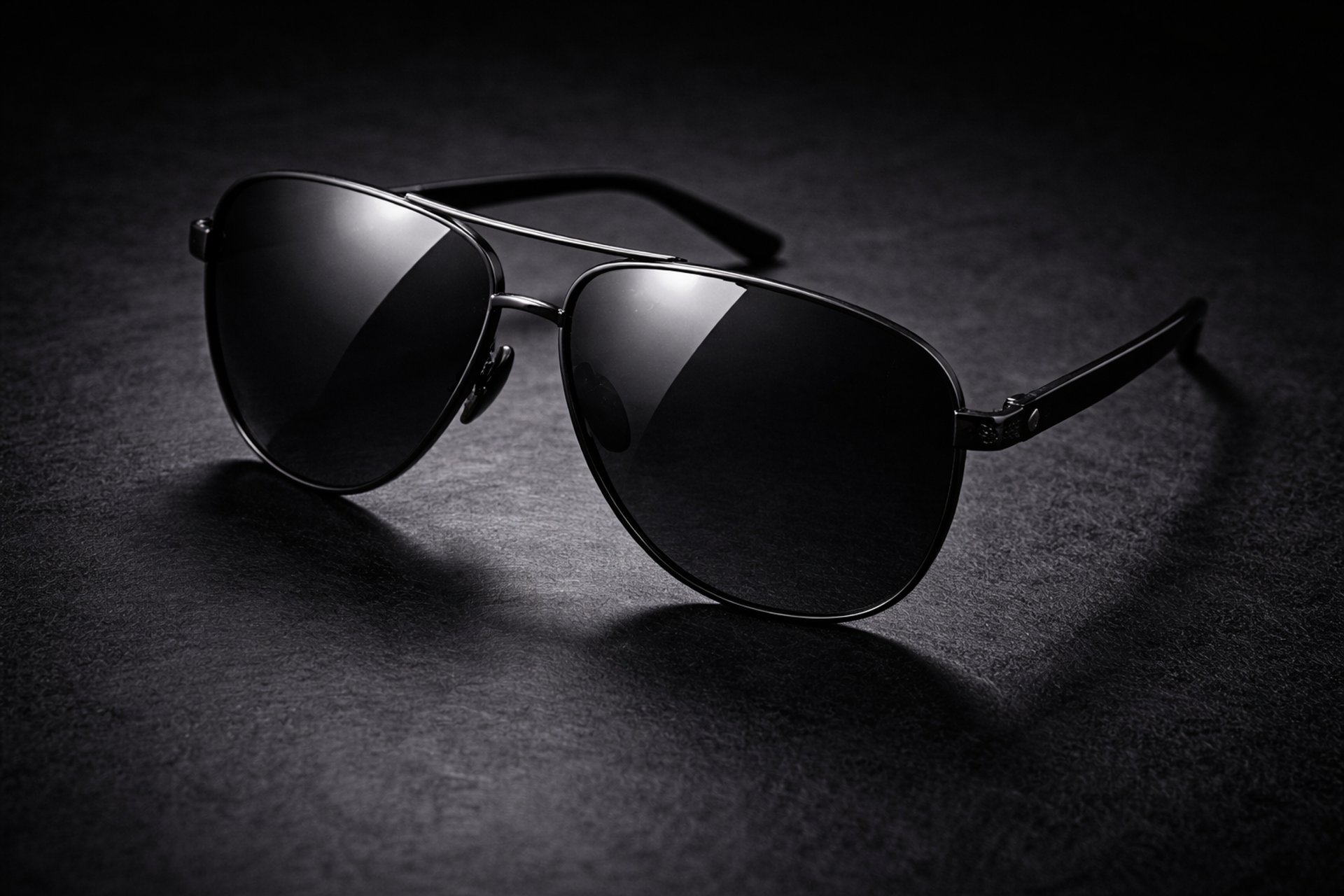
How Much Should You Spend on Sunglasses?
Discover how to choose the right sunglasses cost by balancing UV protection, comfort, and durability for your daily needs.
EDC SUNGLASSES
The EDCBuzz Editorial Team - Led by AJ “Buzz” Eichman
7/4/20268 min read
How Much Should You Spend on Sunglasses? A Smart Guide
There’s a surprising art to choosing sunglasses that will stick with you—and your wallet—over time. When you’re in the market for shades, it’s tempting to think that higher price tags must mean stronger UV protection, sharper lenses, or longer-lasting frames. But as someone who’s logged more than a few miles with various pairs tucked in every pocket and perched on enough noses, I can tell you it’s rarely that simple. The real cost of sunglasses is about balancing protection, comfort, durability, and yes, price—without buying more than you need or skipping on safeguards that matter.
After living with sunglasses of all price ranges, I’ve learned that the sensible way to spend is to align your choice with how you use them day-to-day, not just how they look on the shelf. No one wants a pair that weighs down your pockets or fogs up in the middle of a commute. And missing out on proper UV protection? Well, that’s a gamble with your eyes, not just your style points.
If you're shopping for EDC Sunglasses, starting with How To Choose Sunglasses will help you narrow down the features that actually fit your daily routine.
Quick Verdict
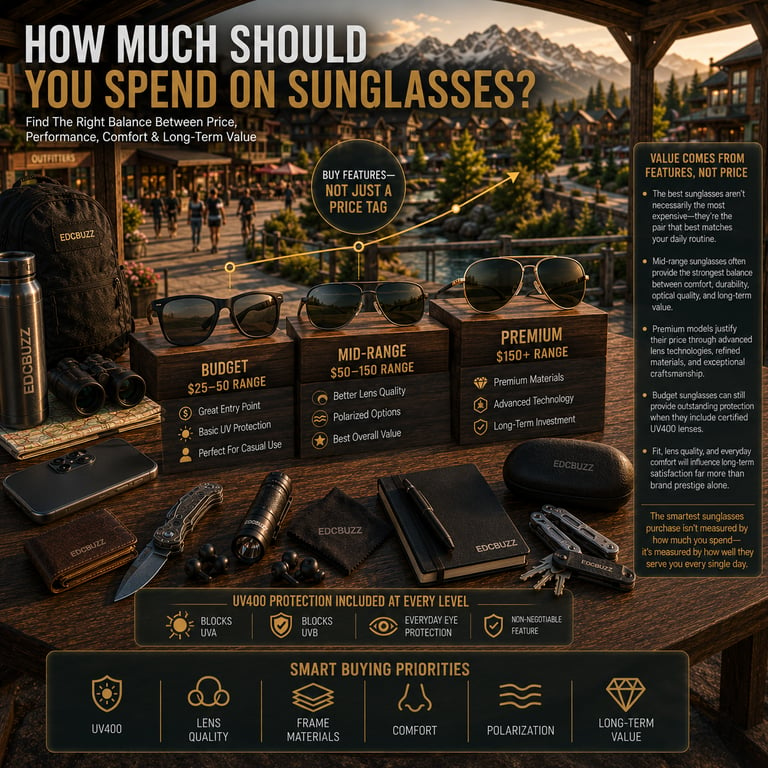
Sunglasses under $50 often deliver basic UV protection but tend to compromise on durability and lens quality.
Mid-range sunglasses ($50–$150) find a solid middle ground with polarized lenses, better materials, and enhanced comfort for regular use.
Premium sunglasses ($150 and up) offer advanced lens technologies, top-notch frames, and proven durability, worth it if you spend long hours under the sun.
Always prioritize UV protection—look for 100% UVA and UVB blocking—over flashy branding or fashion hype.
Understanding Sunglasses Price Ranges
Talking dollars and cents with sunglasses, you usually get what you pay for, but the spectrum is wide. Budget pairs under $50 catch the most casual buyer’s eye and deliver some level of UV protection. But after a few wears, the build quality can show its cracks—looser hinges, flimsy frames, and lenses that scratch easily or even distort vision if you're a stickler for clarity.
Stepping into the mid-range bracket, $50 to $150, is where many sunglasses start to settle into everyday comfort. Frames here often feature sturdier plastics or lightweight metals, tempered with design tweaks that preserve your patience over hours of wear—think better grip on your nose and less pinch around your temples. Polarized lenses start to appear frequently, cutting down glare significantly especially if you spend time around water or driving.
Then come the premium pairs. At $150 and beyond, you’re usually paying for advanced lens coatings, impact resistance, and materials engineered for durability—some of which could last years of near-daily use. The fit tends to be more thoughtful, too, with customizations and finishes designed to stay comfortable and stable in various conditions. But here’s the kicker: if you only wear sunglasses during short, occasional outings, splurging in this category might be overkill. If you're frequently on the course, investing in one of the Best Golf Sunglasses may be worth the extra cost.
Key Features That Affect Sunglasses Cost
Not all sunglasses are created equal, and price differences often boil down to three main feature buckets: lens quality, frame material, and special coatings or technologies.
Lens Quality and Type
Lens clarity and protection are paramount. Glass lenses, although heavier, offer greater scratch resistance and optical clarity but usually come with a steeper price. Polycarbonate or nylon lenses, common in budget and mid-level options, are lighter and impact-resistant but show scratches more readily over time.
Polarization is another big factor. It reduces glare from reflective surfaces, which matters a lot if your daily routine includes driving, cycling, or outdoor activities near water. Polarized lenses tend to bump the price but can enhance vision comfort remarkably. If you’re mostly in urban settings or shaded environments, polarization might be less critical. For a closer look at lens materials, compare Serengeti Anteo vs Oakley Sutro TI Sweep (Glass vs Polycarbonate).
UV Protection
This is the non-negotiable. Sunglasses must block 100% UVA and UVB rays regardless of price. Unfortunately, cheap pairs sometimes skimp here, offering “UV protection” that’s partial or uncertified. That’s a risk to eye health no matter how light or stylish those frames feel.
Frame Materials
Frames influence weight, durability, and comfort. Budget sunglasses often use cheaper plastics prone to cracking and loosening. Mid-range options use reinforced plastics like acetate or blend with metal parts that hold up better. Premium sunglasses elevate this with titanium, carbon fiber, or proprietary composites, all aimed at handling regular knocks and long wear without sagging or discomfort. Many of the Best Tactical Sunglasses use these tougher frame materials because they're designed for harsher environments.
Why UV Protection Matters More Than Price
No matter how shiny the frame or how trendy the shape, if your sunglasses don’t block UV rays effectively, they aren’t doing their primary job. Too many folks assume that expensive equals better protection, but you’ll find both low-cost and premium options that meet the 100% UVA/UVB standard.
What you might notice however, is that higher-quality lenses not only block UV but reduce eye strain through better coatings and less distortion. Over time, that translates into less headache, less squinting, and fewer complaints when you finally take off your glasses after, say, a long drive.
Materials and Lens Technology Explained
As with anything you carry daily, comfort and durability over time can’t be overstated. Polycarbonate lenses feel practically weightless but can get scratched if you’re not careful. Glass lenses shrug off scratches like a champ but add a little heft to your pocket.
Frames built with flexible composites or titanium tend to conform to your wear habits—pressing gently where they need to, but holding firm in rough spots like hinges. Over months, this nuanced feel is what separates sunglasses you tolerate from those you actually rely on daily.
Coatings on lenses can also boost your experience—anti-reflective coatings cut distracting light from behind the glass, mirror coatings reduce incoming brightness, and hydrophobic layers help beads of water slide right off leaving vision clearer. Premium pairs tend to stack these features, which means price reflects more than just a name on the side. If you're wondering whether paying more is worthwhile, goodr FXG vs KOO Supernova (Cheap vs Expensive) offers a practical comparison.
How to Choose Sunglasses Based on Your Needs
Before deciding how much to spend on sunglasses, consider where and how often you’ll wear them. If you’re mostly commuting, a mid-range pair with polarized lenses strikes a great balance. For rugged outdoor work like gardening, lightweight impact-resistant lenses coupled with durable frames make sense.
If you’re an outdoors enthusiast or spend hours driving, investing in premium sunglasses with proven lens tech can save you eyestrain and discomfort in the long run. On the other hand, if you’re picking up sunglasses primarily for the occasional weekend jaunt, a well-chosen budget or mid-level pair will probably do the trick.
Small details matter here too. A pair that fits your face well—not too tight, not sliding down your nose—goes a long way toward avoiding headaches and the urge to fidget.
Common Buying Mistakes to Avoid
Don’t assume price guarantees superior UV protection. Always check for 100% UVA and UVB blocking labels.
Avoid sunglasses without any certification or credible safety information—cheap “fashion” pairs can do more harm than good.
Don’t prioritize brand name over fit and lens quality. That flashy logo won’t soothe an aching nose or blurry vision.
Skipping out on polarized lenses when you really need them can cost you comfort, even if your eyes stay protected.
Never overlook comfort. A pair that fits poorly isn’t going to stick with you, no matter the cost or durability claims. Avoiding the Common Mistakes People Make When Buying Sunglasses can save you money in the long run.
Best Value Sunglasses: Where to Spend and Where to Save
Getting the best bang for your buck means focusing on what matters most. Invest in lenses that offer full UV protection and polarization if your activities benefit from reduced glare. Don’t overspend on premium frames if you only wear sunglasses occasionally, but do choose frames that fit well and are sturdy enough to survive daily handling.
If scratch resistance and optical clarity are priorities, budgeting for glass or coated lenses makes sense. Otherwise, quality polycarbonate will keep you comfortable and shielded without adding bulk or breaking the bank.
Shopping Tips for Getting the Right Sunglasses
When shopping, try on multiple pairs across price points, and spend time wearing each. Notice if they press tightly after half an hour or slide uncomfortably. Check visibility in different lighting conditions and ask about lens technologies offered.
Don’t hesitate to read labels carefully. Sometimes, a budget pair might surprise you with solid UV protection, while a flashy one might be all style. Also, consider warranty and return policies—real-world durability sometimes reveals itself only after a few weeks or months.
If you commute or spend a lot of time outdoors, it can pay off to carry two pairs: one simpler set for everyday errands and a more advanced pair for when the sun is really working against you. Properly How to Clean Sunglasses Without Scratching Them will also extend the life of both pairs.
Frequently Asked Questions
How much should I spend on quality sunglasses?
It depends on your daily needs and activities, but many people find that a $50–$150 mid-range pair offers the best combination of protection, comfort, and durability.
Do expensive sunglasses really protect my eyes better?
Not necessarily. UV protection standards matter most and can be met by affordable sunglasses. Higher-end pairs usually add lens clarity, polarization, and frame quality.
What features justify higher prices in sunglasses?
Advanced lens coatings, impact resistance, premium frame materials, superior fit, and trusted brand craftsmanship tend to drive up prices.
Are polarized lenses worth the extra cost?
If you spend time near reflective surfaces like water or on the road, yes. Polarization reduces glare and eye strain, improving comfort.
How can I tell if sunglasses block 100% UV rays?
Look for labeling that states 100% UVA and UVB protection or UV400 coverage. Certified brands will include this info on tags or packaging. If your lenses are heavily worn, it may also be When Is It Time to Replace Your Sunglasses?
Is brand reputation important when buying sunglasses?
Brand reputation may indicate quality standards and warranty but don’t rely on it alone. Check features, fit, and lens specs first.
Can cheaper sunglasses cause eye damage?
If they lack certified UV protection, yes. Wearing them might increase UV exposure by dilating pupils under tinted lenses without blocking rays. Minor cosmetic damage can sometimes be addressed by learning How to Remove Scratches from Sunglass Lenses.
What frame materials are best for daily wear?
Lightweight and durable materials like acetate, titanium, and composite blends usually offer the best balance of comfort and toughness. Keeping them maintained by learning How to Tighten Loose Sunglass Hinges helps maximize their lifespan.
Practical Conclusion
Choosing how much to spend on sunglasses is less about picking the highest number on the price tag and more about syncing features with function. After living with all sorts—from the “good enough” budget pairs to the premium options that feel custom-molded—I can say that a well-made mid-range set ticks most boxes for everyday carry.
Don’t underestimate the value of a good fit, consistent UV protection, and lenses that reduce glare—these factors contribute more to your long-term satisfaction than logos or shiny frames. Sunglasses, after all, are a daily companion, not just an accessory. Pick a pair that you can actually live with, and your eyes will thank you quietly for years to come. And if you forget the sunglasses in your pocket once or twice, at least it won’t be because they weighed you down—something I’ve learned after more than a few “sit-down surprises.” If fogging is a recurring issue, How to Keep Sunglasses from Fogging Up is worth reading.

Contact@TheBuzzHQ.com
© 2026 EDCBuzz. All rights reserved.
EDCBuzz
Master everyday carry systems with clarity and precision. Built for real environments and practical use.
For educational purposes only.
General Inquiries: