
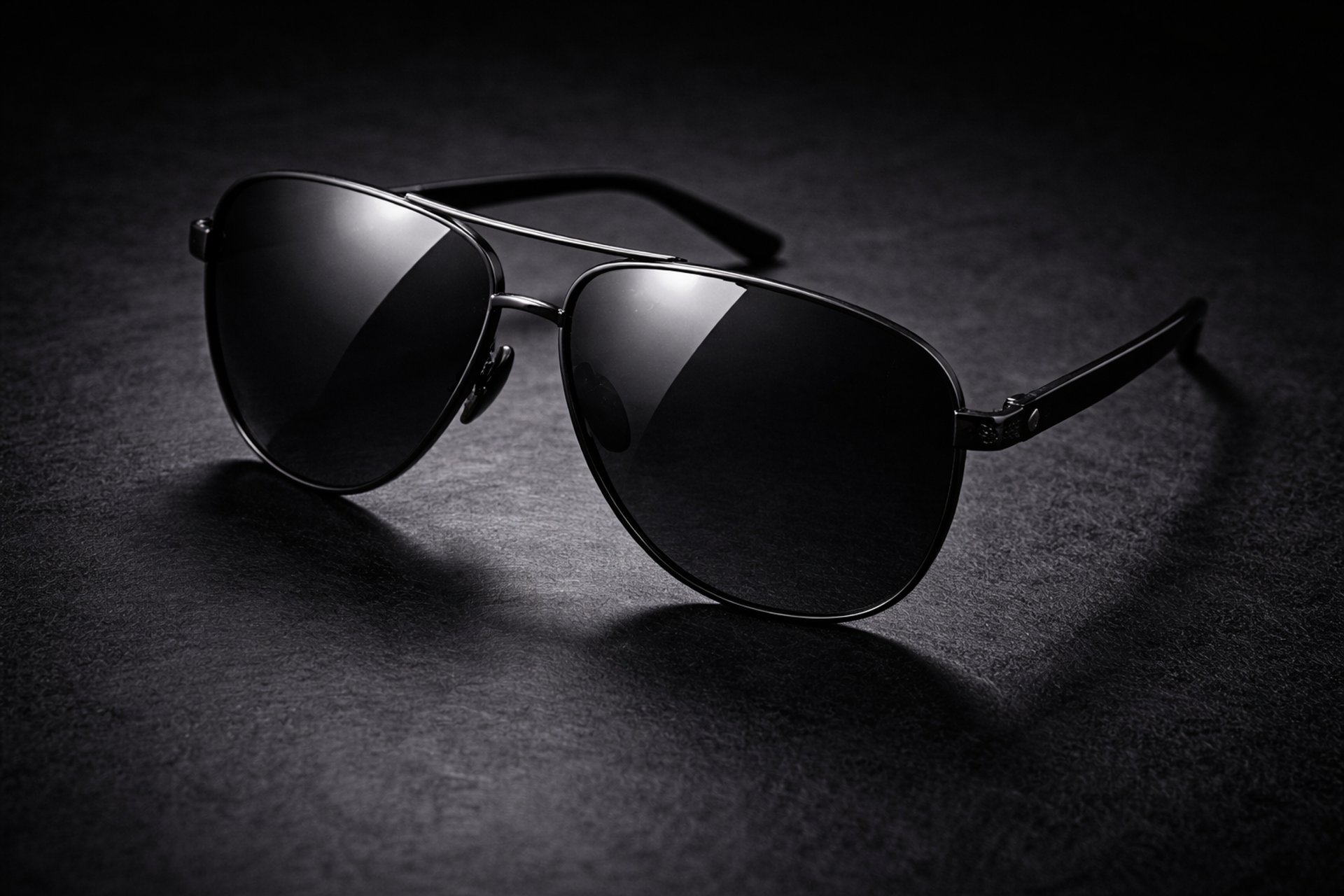
Common Mistakes People Make When Buying Sunglasses
Discover the top mistakes to avoid when buying sunglasses to ensure UV protection, comfort, lens quality, and style-function balance.
EDC SUNGLASSES
The EDCBuzz Editorial Team - Led by AJ “Buzz” Eichman
7/4/20267 min read
Buying sunglasses might seem straightforward — you pick a pair that looks good and you’re done, right? After all, they’re just shades, not a complex multitool or a precision watch. But spend a little time living with a pair, and you’ll notice that what you buy matters far more than that first glance in the store mirror. The common mistakes folks make when buying sunglasses often boil down to putting style first, overlooking protection, or ignoring how they’ll actually feel hours into wear.
Sunglasses are more than just accessories; they’re a critical line of defense for your eyes against UV rays, glare, and visual fatigue, especially for everyday carry. Getting the right pair means balancing style with real-world usefulness: proper fit, solid lens quality, and protection you can trust. Neglect those, and you’re likely to end up with discomfort, poor vision clarity, or worse — compromised eye safety.
I’ve carried multiple pairs through long days of commuting, time outdoors, and casual wear. Over time, small issues become glaring annoyances. So here’s what to watch out for, and where buyers typically slip up when buying sunglasses. If you're looking for EDC Sunglasses, the Sunglass Lens & Frames Guide is a great place to understand what really matters before buying.
Quick Verdict
Always verify 100% UV protection — it’s non-negotiable for safeguarding your eyes.
Prioritize a comfortable fit that stays put without squeezing or sliding.
Don’t underestimate lens quality: polarization and anti-reflective coatings make a noticeable difference.
Balance style with function; fashion shouldn’t trump protection or everyday comfort.
Why UV Protection Matters in Sunglasses
The number one point that trips up many buyers is assuming “dark lenses” equal eye protection. The truth is, lens darkness tells you nothing about UV blocking. UV rays, both UVA and UVB, silently damage your eyes over time, contributing to cataracts and other issues. Good sunglasses should block 100% of UVA and UVB rays or be rated UV400.
After a few weeks using sunglasses without verified UV protection, you won’t feel any immediate difference. That’s the problem — damage accumulates without warning. I’ve learned not to take “looks dark” as proof. Think of UV protection like sunscreen for your eyes; it’s essential whether it’s sunny or overcast. Many of the Best EDC Sunglasses prioritize certified UV protection over cosmetic styling.
How to Ensure Proper Fit for Comfort and Effectiveness
Fit is where style and function often clash. Too many people grab frames that look good but don’t fit well. You want sunglasses that sit securely without pinching. After hours of wear, a poor fit causes pressure points or slipping, which means constant adjusting — not so practical.
The ideal fit balances snugness with comfort. Frames shouldn’t squeeze your temples, and the bridge should rest lightly without leaving marks. Also consider how the arms interact with your ears — too tight and they’ll wear you down; too loose and they’ll slide off at the worst moments.
One detail I didn’t expect to notice until after daily wear: how the glasses seal around your face. Ill-fitting frames can let stray light in, which defeats the purpose of the lenses. So, test fit from different angles and see if light leaks bother you, especially if you’ll be outdoors a lot. Classic models featured in Ray-Ban RB3025 vs Randolph Concorde Aviator (Polarized vs Non-Polarized) show how fit can differ even between similar frame styles.
Understanding Lens Quality and Coatings
Lens quality isn’t just about clarity; it’s about reducing eye strain and improving your vision in varied environments. Polarized lenses are well worth the investment if you spend time driving or near reflective surfaces like water or pavement. They cut horizontal glare that can otherwise obscure your view or tire your eyes.
Beyond polarization, anti-reflective coatings also matter. They minimize reflections on the lens surfaces themselves, which helps when transitioning between lighting conditions. Over time, you’ll appreciate not having to tilt your head or squint as much.
Glass lenses offer better clarity but often at the cost of weight and fragility. Polycarbonate lenses are lighter and impact resistant, ideal for everyday rough and tumble. From experience, heavier lenses get noticeable after long wear, making your face feel weighed down — it’s a subtle fatigue you won’t catch right away. If you're deciding between work eyewear and everyday shades, Mechanix Vision Type-E vs Oakley Half Jacket 2.0 (Safety Glasses vs Sunglasses) highlights those differences.
Balancing Style Versus Function in Sunglass Choice
It’s easy to get swept up in trendy frames that look great on a quick try-on. The reality settles in after repeated use. Frames with unconventional shapes or materials can compromise comfort or durability. For instance, overly large or heavy frames might draw compliments but become a nuisance during all-day wear.
One little observation: if your sunglasses loudly announce themselves in your pocket or bag through bulk or weight, you’re less likely to carry them consistently. A good EDC pair fits as naturally as your favorite wallet or multitool — noticeable only when you actually need them.
Style is important — nobody wants to look like they raided a lab coat clearance sale. Still, aim for a balance. When a frame prioritizes aesthetics but cuts corners on lens protection or fit, you end up regretting the trade-off.
Common Lens Colors and Their Practical Uses
Lens color affects how you perceive contrast and brightness but again, this is often overlooked. Gray lenses are the most neutral, providing balanced color perception without distortion, making them great for driving or general outdoor use.
Amber or brown lenses enhance contrast, which can help with activities like hiking or cycling through varied terrain. Yellow lenses improve depth perception and can brighten low-light conditions, but they’re less suited to bright sunlight and can distort colors.
Picking lens colors to match your primary outdoor activities means better performance and less visual strain. I’ve noticed on long drives that the wrong tint can make traffic signs harder to read or cause background colors to wash out. Aviator fans should also consider lens tint when browsing the Best Aviator Sunglasses.
Materials and Durability Considerations for Everyday Wear
Everyday use means your sunglasses will likely get bumped, dropped, or stuffed unceremoniously in pockets or bags. Durability matters — frame materials like lightweight metals or reinforced plastics provide resilience without adding unnecessary weight.
Lens materials also factor in. Polycarbonate mirrors durability and modest optical performance, whereas glass offers excellent clarity but risks chipping or cracking with impact.
After weeks carrying several types, the ones that survive without scratches or warping are the ones you’ll actually keep using. Don’t disregard how coatings handle wear — anti-scratch and oleophobic (fingerprint repellent) finishes make maintaining clarity easier over time. Eventually, you'll also want to know When Is It Time to Replace Your Sunglasses?
Tips to Avoid Frequent Buying Mistakes
Many mistakes come down to rushing the decision or prioritizing one aspect to the detriment of others. Here are a few ways to sidestep common pitfalls:
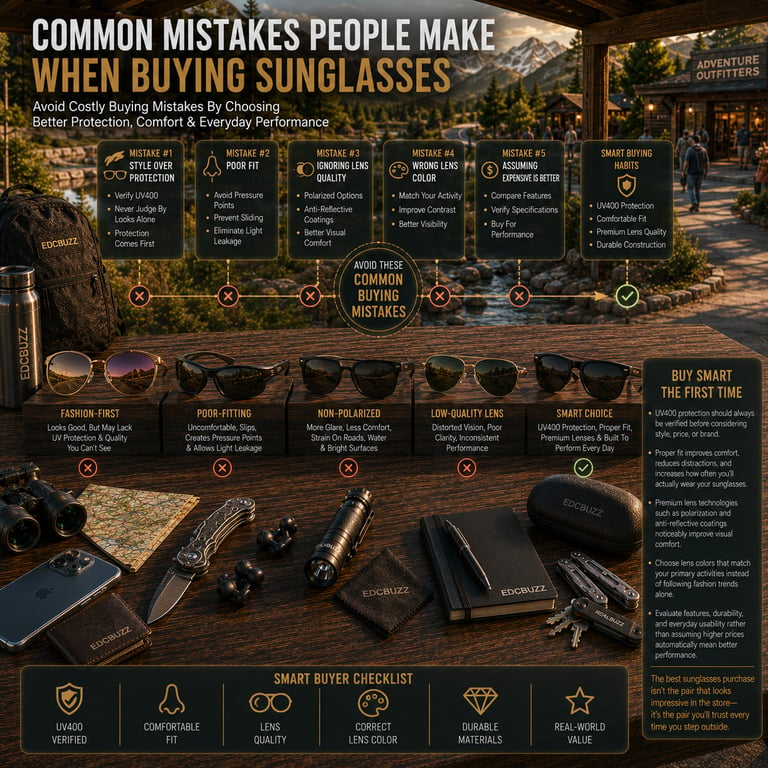
• Don't buy solely on style — always check for 100% UV protection labeling or certification.
• Test fit throughout typical daily activities, whether walking, driving, or just sitting at your desk.
• Consider lens features like polarization, coatings, and tint colors that suit your primary use cases.
• Be wary of price tags — expensive doesn’t automatically mean better protection or comfort.
• Handle frames and lenses to assess build quality and durability; flimsy feels usually translate to shorter lifespan. Properly learning How to Clean Sunglasses Without Scratching Them also helps preserve the quality you paid for.
Common Mistakes
Let's call these out plainly, as I’ve seen them play out more times than I can count.
Choosing Sunglasses Based Solely on Style Without Verifying UV Protection
That dark tint might look cool, but without confirmed UV blocking, it’s like wearing clear lenses in disguise. Your eyes get exposed to more harmful rays because they dilate behind the tint.
Ignoring Importance of Lens Quality, Including Anti-Reflective and Polarized Coatings
Skipping these features means you’re missing out on reducing glare and visual fatigue, especially in reflective or bright conditions.
Purchasing Ill-Fitting Frames Causing Discomfort or Light Leakage
Sunglasses that pinch or slide create distractions. Worse, gaps let in stray light, which can strain your eyes or reduce contrast.
Overlooking Lens Color Impact on Visibility and Contrast
Poor lens color choice makes activities like driving or sports harder and less safe.
Not Considering Durability of Frame Materials for Daily Use
Flimsy frames won’t last, forcing either costly replacement or settling for lower-performing gear.
Assuming Higher Price Always Equals Better Protection or Quality
Sometimes you pay for brand or style, not specs. Always verify performance claims independently.
Frequently Asked Questions About Buying Sunglasses
How do I know if my sunglasses provide adequate UV protection?
Look for labels stating 100% UV protection or UV400. Some brands share test certifications. If unsure, ask for documentation or shop from reputable sellers.
What is the difference between polarized and non-polarized lenses?
Polarized lenses reduce glare from reflective surfaces by filtering horizontal light waves. Non-polarized lenses don’t, which can lead to eye strain outdoors or while driving.
Which lens colors are best for different outdoor activities?
Gray lenses are versatile and neutral for driving or casual wear. Amber/brown helps with contrast for hiking or cycling. Yellow improves depth perception in low light but distorts colors under bright sun.
How should sunglasses fit for everyday comfort and effectiveness?
They should feel snug without pressure, stay in place during movement, and not let light leak at the edges. Try various frames and wear them for a few minutes to test.
Are expensive sunglasses always better quality?
Not necessarily. Check specs for UV protection, lens quality, and frame durability rather than relying on price alone. Proper How to Store Sunglasses Properly also helps quality sunglasses last much longer.
How does lens material affect durability and clarity?
Glass lenses offer better optical clarity but are heavier and prone to breaking. Polycarbonate lenses are lighter, more impact-resistant, and generally good enough for most users.
Can sunglasses protect my eyes from all types of sunlight risks?
They protect against UV rays and glare but don’t shield against all environmental factors (like dust or airflow). Choose lenses and frames accordingly. If your lenses become damaged, How to Remove Scratches from Sunglass Lenses may help restore visibility.
How often should I replace my sunglasses for optimal protection?
Replace them if lenses get scratched or coatings wear off, reducing clarity or UV protection. Otherwise, good quality sunglasses can last several years with proper care. Keeping them maintained by learning How to Tighten Loose Sunglass Hinges and How to Keep Sunglasses from Fogging Up can also extend their useful life.
Conclusion
Buying sunglasses is more than a simple grab-and-go fashion statement. It’s about finding eyewear that genuinely protects your eyes, fits comfortably through your day, and keeps your vision clear and fatigue-free. The mistakes people often make — prioritizing style at the expense of UV protection, ignoring lens quality, overlooking fit, or assuming higher prices automatically equal better gear — are easy to fall into without taking time to test and learn.
From my experience carrying and relying on sunglasses through varied daily activities, the difference shows up not in that shiny first impression, but in how the glasses wear after hours on your face, how consistently they block glare, and how confidently they hold up to daily use.
Take the time to verify UV protection, prioritize fit, evaluate lens quality, and balance style with real-world function. That way, your next pair will be one you actually carry, trust, and—most importantly—wear well into the future. After all, if it’s light enough to disappear in your pocket but sturdy enough to handle your daily hustle, you’ve found a true everyday carry companion.

Contact@TheBuzzHQ.com
© 2026 EDCBuzz. All rights reserved.
EDCBuzz
Master everyday carry systems with clarity and precision. Built for real environments and practical use.
For educational purposes only.
General Inquiries: