
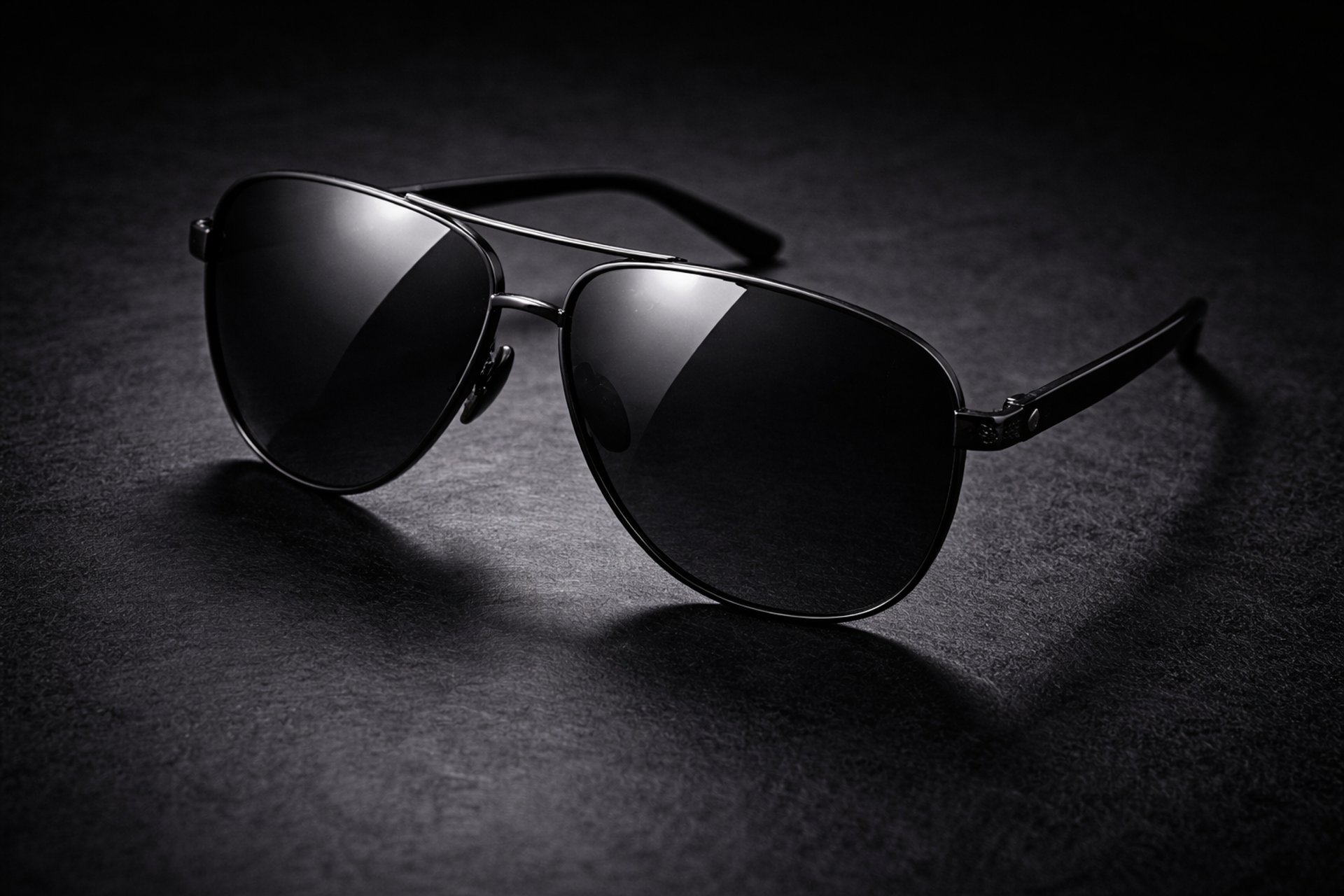
When Is It Time to Replace Your Sunglasses?
Learn when to replace sunglasses by spotting lens damage, frame wear, and coating degradation to keep your eyes protected and vision clear.
EDC SUNGLASSES
The EDCBuzz Editorial Team - Led by AJ “Buzz” Eichman
7/4/20266 min read
When Is It Time to Replace Your Sunglasses?
Sunglasses are more than just a style statement. They are everyday carry essentials that protect your eyes from the sun’s harsh glare and harmful UV rays while helping you see clearly in bright conditions. Like any piece of gear you carry daily, sunglasses wear down over time—from scratched lenses to loose hinges—affecting both their performance and comfort. Knowing when to replace sunglasses is less about fashion trends and more about maintaining effective eye protection and visual clarity over the long haul.
If you're shopping for EDC Sunglasses, browsing Sunglasses By Activity can help you choose a replacement that's better suited to how you actually use your eyewear every day.
Quick Verdict
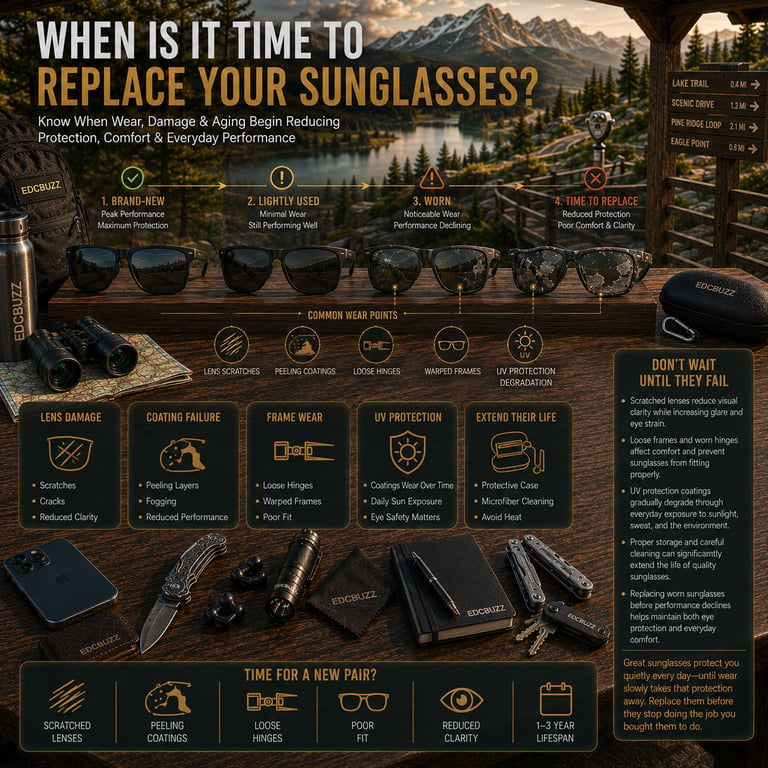
Replace sunglasses when lenses show scratches, cracks, or peeling coatings that reduce clarity and UV protection.
Frames that feel loose, warped, or have broken hinges are a sign it’s time for an upgrade.
UV protection coatings degrade over time; replacing sunglasses every 1 to 3 years ensures continued eye safety.
Proper cleaning and storage can extend lifespan, but don’t ignore damage even if sunglasses still look fine.
Why Sunglasses Are More Than Just Style Accessories
Sunglasses often get pegged as accessories—something to complete your outfit or give a bit of flair to your everyday carry. But after weeks of real wear, they reveal their true role: practical tools that must perform reliably over time. The UV protection your sunglasses provide isn’t just a sales pitch, it’s essential to prevent eye damage and strain. Meanwhile, lens clarity directly affects how you perceive the world around you, making it a genuine safety and comfort consideration.
Anyone who’s carried sunglasses daily knows that initial "wow" factor fades fast. What matters most is how the glasses feel on your face after wearing them for hours, how well they stay put during repeated use, and whether the lenses keep your vision crisp when the novelty wears off. Good sunglasses settle quickly into your routine, and the ones that don’t tend to end up at the bottom of your bag or worse, scratched beyond reuse. Many of the Best Premium Sunglasses stand out because they maintain that comfort and clarity for years.
Signs It’s Time to Replace Your Sunglasses
The first sign you should swap out your trusty shades isn’t when they slip off your nose one too many times, though that’s not far behind. Pay attention to these telltale indicators:
Lens Damage
Scratches and cracks on the lenses do more harm than simply ruining the view. Each scratch not only blurs your vision but also compromises the UV coatings designed to keep your eyes safe. When light hits damaged lenses, it scatters unpredictably, increasing glare and eye strain. Worse, tiny cracks can let in UV rays you thought you were blocking, making your glasses a hazard in disguise.
Peeling or fogging coatings are less conspicuous but equally problematic. Anti-reflective and polarized coatings reduce glare and improve clarity, so when they start flaking or discoloring, your sunglasses become less effective. At that point, it’s no longer a stylish choice; it’s a practical one to replace them. If you're curious how different lens materials hold up over time, see Serengeti Anteo vs Oakley Sutro TI Sweep (Glass vs Polycarbonate).
Frame Wear and Comfort
Frames are the unsung heroes of sunglasses. After all, even the best lenses won’t be much use if the glasses don’t fit comfortably or stay in place. Frames that warp out of shape, crack at hinges, or develop loose joints tend to cause discomfort or require constant adjustment—annoyances that add up.
Keep in mind that not all frames age equally. Acetate frames might get brittle over time, metal frames can loosen or corrode with sweat exposure, and nylon frames offer different levels of durability. If you notice the fit slipping or the bridge pinching your nose after a day’s wear, it’s a sign the frame isn’t holding up as it should—time to retire them. Photochromic lenses also age differently than traditional polarized lenses, as explored in Julbo Shield REACTIV vs Maui Jim Stone Shack (Photochromic vs Polarized).
The Lifespan of UV Protection Coatings
UV protection isn’t a “set it and forget it” feature. Continuous exposure to sunlight, sweat, and environmental chemicals gradually breaks down the coatings that block harmful rays. This degradation is invisible until you notice eye fatigue or headaches that weren’t there before.
Most experts recommend replacing sunglasses every one to three years, depending on how regularly you wear them outdoors and the conditions they face. If you’re working outside all day, cracking them on and off, or exposing them to saltwater spray, your shades will wear out faster than someone who uses them for occasional driving. Properly How to Store Sunglasses Properly between uses helps maximize that lifespan.
Tips for Proper Sunglasses Care to Extend Their Life
Sunglasses can last longer and perform better with a few care habits that don’t require much effort:
Always store sunglasses in a protective case when not in use. An unprotected pair is an invitation for scratches or worse.
Clean lenses with microfiber cloths and lens-safe solutions. Avoid household cleaners or abrasive materials that chew up coatings.
Inspect hinges occasionally and tighten loose screws to maintain fit.
Avoid leaving sunglasses on hot dashboards or in direct sunlight when not worn, as heat can warp frames or warp coatings.
After a few weeks, these small habits prevent the kind of damage that sneaks up on you. Learning How to Clean Sunglasses Without Scratching Them makes a significant difference in preserving lens coatings.
When to Upgrade or Replace Your Sunglasses
Replacing sunglasses isn’t just about damage or wear. Vision changes play a role, too. If your prescription changes, lens upgrades may be necessary—especially if you get prescription sunglasses. Also, technology improves. New lens materials and coatings can offer better clarity and durability than models from a few years ago.
Choosing replacements comes down to how you use your sunglasses. Daily commuters might prioritize impact resistance and lightweight frames. Outdoor workers need the toughest lenses available. And everyone appreciates a comfortable fit that lasts. If driving is your primary use, consider upgrading to one of the Best Driving Sunglasses.
Common Mistakes to Avoid
Ignoring scratches or haze on lenses thinking they’re just cosmetic. Over time, this reduces UV protection and strains your eyes.
Assuming UV protection lasts forever. Manufacturers can’t guarantee coating life spans beyond a few years.
Keeping sunglasses with broken or loose frames, which leads to discomfort and unreliable wear.
Cleaning lenses with harsh chemicals or cloths that scratch or chip coatings.
Storing sunglasses improperly, leaving them vulnerable to damage.
Judging sunglasses solely on looks without checking for performance-related wear. If minor damage has already appeared, How to Remove Scratches from Sunglass Lenses may help before replacement becomes necessary.
Frequently Asked Questions About Sunglasses Replacement
How do I know when my sunglasses no longer protect against UV rays?
UV coating deteriorates invisibly over time. If your lenses are scratched, peeling, or if you notice increased glare and eye strain, it’s a good indication that protection is compromised.
Can scratched lenses still block UV rays effectively?
While some UV protection remains, scratches scatter light and weaken coatings, reducing overall effectiveness. It’s safer to replace lenses with significant damage.
How often should I replace my sunglasses if I use them daily outdoors?
Every 1 to 3 years is a good guideline, depending on exposure and use conditions. Outdoor workers or frequent users should consider replacing closer to the 1-year mark. You can also learn more in How Long Do Sunglasses Last?
Are there materials that last longer for sunglasses frames and lenses?
Polycarbonate lenses offer good impact resistance but scratch easier without coatings. Metal frames tend to last longer but may corrode, while nylon and acetate have different durability profiles to consider based on your use.
What are the best practices for cleaning and maintaining sunglasses?
Use a microfiber cloth with lens cleaner specifically made for coated lenses. Store sunglasses in cases and avoid exposure to heat and chemicals.
Is it necessary to replace sunglasses if they still look fine but are several years old?
Yes. Coatings degrade even if damage isn’t visible. Regular replacement ensures ongoing eye safety. Keeping lenses clear by learning How to Keep Sunglasses from Fogging Up can also improve long-term performance.
Can replacing only the lenses extend the life of my sunglasses?
Some brands allow lens replacement, but it requires professional fitting to maintain optical quality and frame fit.
What are the signs that frames are too damaged to be repaired?
Warped frames that no longer fit comfortably, broken hinges beyond tightening, or cracks in critical areas usually mean replacement is better than repair. Sometimes, simply learning How to Tighten Loose Sunglass Hinges can extend the life of an otherwise healthy pair.
Practical Conclusion
Sunglasses aren’t just a fashion statement; they’re a daily carry tool with an important job: protect your eyes and keep your vision sharp. Over time, lenses scratch, coatings wear off, and frames loosen. These changes quietly undermine your sunglasses’ effectiveness and comfort. You don’t want to discover the hard way—during a long drive or outdoor work shift—that your trusted shades are no longer up to the task.
By keeping an eye out for scratches, fit issues, and UV protection lifespan, and by maintaining good care routines, you’ll make sure your sunglasses carry you through many seasons comfortably and safely. Replacing your sunglasses when it’s time isn’t an inconvenience; it’s a small but essential investment in your eye health and daily comfort. After all, sunglasses are one of those rare pieces of everyday gear that you really notice—only when they aren’t doing their job.
Contact@TheBuzzHQ.com
© 2026 EDCBuzz. All rights reserved.
EDCBuzz
Master everyday carry systems with clarity and precision. Built for real environments and practical use.
For educational purposes only.
General Inquiries: