
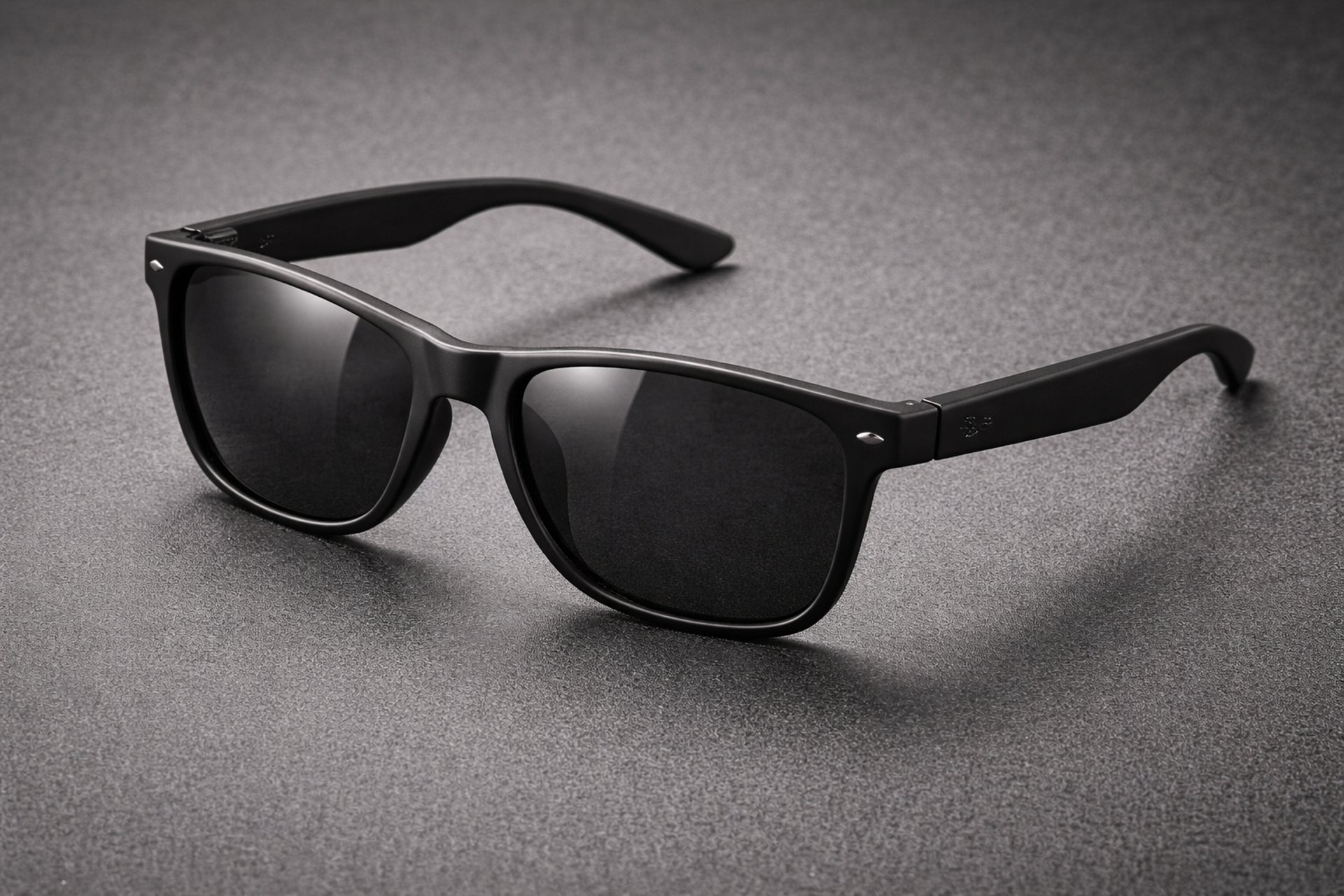
How Dark Should Sunglasses Be?
Discover how to choose the perfect sunglasses tint to balance UV protection and comfort for everyday wear and varied activities.
EDC SUNGLASSES
The EDCBuzz Editorial Team - Led by AJ “Buzz” Eichman
7/4/20269 min read
Wearing sunglasses isn’t just about looking cool or blocking out the sun’s glare—though those are certainly welcome perks. It’s fundamentally about protecting your eyes and maintaining comfort as you move through different lighting situations in your day. The question, “How dark should sunglasses be?” isn’t as simple as picking the darkest pair on the rack. There’s a careful balance between lens darkness, UV protection, and visibility that influences everything from eye strain to everyday practicality. After spending weeks living with various sunglasses—from lightly tinted to almost-night-vision level dark—I’ve gathered some insights that go beyond the specs on the box.
Finding the right sunglasses tint matters because it affects how your eyes adapt to changing light, how well you see the road or trail ahead, and whether you actually want to wear the things day in and day out. Darker isn’t always better, and lighter tints aren’t just for fashion statements. Let’s break down what lens darkness really means, its impact on your eyes, and how to pick the tint that keeps your vision sharp without feeling like you’re looking through smoked glass.
If you're shopping for EDC Sunglasses, exploring Sunglasses By Activity can help you match the right lens tint to how and where you'll actually wear them.
Quick Verdict
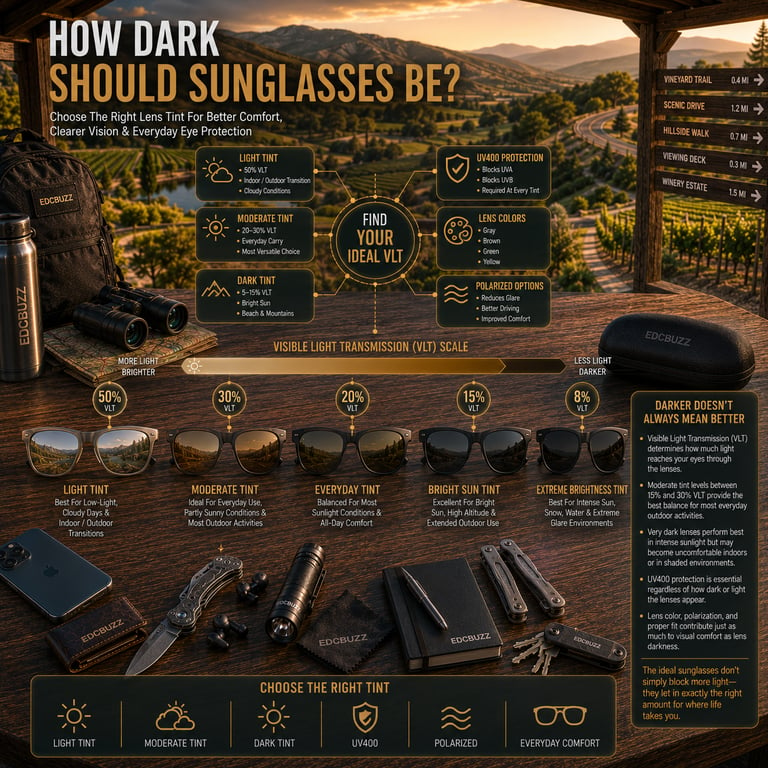
Lens darkness is measured by Visible Light Transmission (VLT); the lower that number, the darker the lenses.
For everyday wear and transitions between indoors and outdoors, a moderate tint around 15-30% VLT hits the sweet spot.
Darker tints between 5-15% VLT suit bright conditions but can strain your eyes in lower light or indoor settings.
UV protection is non-negotiable; 100% UV400 rating is critical regardless of tint darkness.
Lens color changes contrast and clarity: gray is neutral, brown ramps up contrast, yellow boosts low-light visibility.
Fit and comfort matter as much as tint—you’ll wear good sunglasses more often if they don’t irritate your nose or pinch your head.
Understanding Sunglasses Darkness: What is VLT?
When you pick up a pair of sunglasses, the shade they present is quantified as Visible Light Transmission, or VLT. To put it simply, VLT is the percentage of light that manages to pass through the lens and reach your eyes. A lens with 10% VLT means it blocks 90% of visible light; a pair with 50% VLT blocks half the light.
Going too dark (say, 5% and below) can start to make the world look like you’re permanently squinting through a tinted liquor cabinet window—great if you’re on the beach at noon but less so if you walk inside a coffee shop with those same lenses.
On the flip side, very light tints above 50% VLT won’t cut through harsh sunlight well and could strain your eyes trying to compensate on bright days.
After some testing, I found that sunglasses in the moderate range—somewhere between 15% and 30% VLT—offer an agreeable balance for most outdoor activities without feeling like a blackout curtain to the eyes. Over time, that mid-level tint becomes easier on your eyes during transitions and reduces that momentary blinding “oh no” when you exit shade into sunlight or vice versa. Many of the Best EDC Sunglasses fall within this range because of their versatility.
How Sunglasses Protect Your Eyes Beyond Darkness
It’s tempting to think “dark equals safe,” but the real MVP for protecting your eyes from harmful UV rays isn’t how much visible light the lens blocks but how well it filters ultraviolet rays. UV protection is measured by the UV400 rating, which indicates lenses block 99-100% of UVA and UVB rays.
What’s interesting is that some light tint sunglasses offer full UV protection on par with darker lenses. The takeaway here is that lens darkness and UV protection aren’t the same thing. You can’t simply judge eye safety by how dark a pair looks.
Polarized lenses are another feature many swear by, especially if you spend time near water or driving. Polarization reduces glare caused by reflections from flat surfaces. While it doesn’t alter the VLT rating, it can improve clarity and reduce eye fatigue on sunny days. I noticed it particularly during long afternoon drives where reflections off the dashboard or wet roads would otherwise feel like they were challenging my sanity. If you're comparing lens technologies, the Ray-Ban RB3025 vs Randolph Concorde Aviator (Polarized vs Non-Polarized) comparison highlights the real-world differences.
Choosing the Right Lens Color for Your Needs
Lens color plays an underrated role in how you perceive the world and how well you handle different environments. The typical suspects are gray, brown, and yellow tint lenses, each bringing distinct advantages.
Gray lenses provide the most natural color perception. If you want to maintain accurate colors—think of drivers watching traffic lights or outdoors enthusiasts enjoying nature’s palette—gray is your go-to. These lenses generally come with medium VLT levels between 15-25%, which helped me keep my vision true to life without unnecessary darkening.
Brown or amber lenses ramp up contrast, making them excellent in variable lighting scenarios like partly cloudy days or mostly shady hiking trails. They tend to have a warmer tint that’s easy on the eyes, especially when dealing with glare on bright surfaces.
Yellow lenses are the oddball, designed for low-light conditions like fog, dusk, or overcast days. While you wouldn’t want to wear yellows on a sunny afternoon, they can dramatically improve depth perception and contrast when the light fades. Don’t expect much UV blocking from yellow at high VLTs, though; if you pair them with polarization and UV400 protection, they become versatile for dawn/dusk outdoor work or winter sports. If you're deciding between adaptive and polarized options, see Julbo Shield REACTIV vs Maui Jim Stone Shack (Photochromic vs Polarized).
Sunglasses Darkness Levels for Different Activities
Depending on your daily grind or recreational pursuits, your ideal lens darkness shifts along with the ambient light and activity demands.
For daily commuters dealing with indoor/outdoor light switches—think walking between office lobbies and sunny streets—moderate light transmission (around 20-30% VLT) proved to be the most practical. The lenses reduce glare without plunging vision into a dark tunnel when the sun is lower or shaded.
Outdoor enthusiasts who tackle longer exposures like cycling, hiking in full sun, or fishing at midday benefit from darker lenses with 5-15% VLT. Combined with polarized filters, these lenses reduce eye fatigue and unwanted reflections, though extended use indoors or under tree cover did make the darker lenses feel a bit gloomier than I liked.
If your day mostly involves indoor work with occasional outdoor steps—like office breaks in bright courtyard sun—lighter tints around 30-50% VLT work fine. They won’t block too much light when outside briefly but won’t render your vision useless as you move back inside.
In driving scenarios, gray or brown lenses with moderate darkness balance color accuracy and contrast sensitivity, both of which are essential for spotting signals, pedestrians, and roadway nuances. If you also wear connected eyewear, choosing among the Best Smart Glasses requires balancing visibility with display brightness.
Common Misconceptions About Lens Darkness and UV Protection
A few persistent myths have stuck around in the sunglasses world that’s worth clearing up.
First, that darker sunglasses automatically provide better UV protection. This one is easy to bust: UV blocking comes from the lens coating or material, not the shade. I noticed some light-tint glasses that offered full UV400 coverage, proving you don’t have to go pitch-black to keep your eyes safe.
Second, wearing very dark lenses indoors or at night supposedly protects your eyes better. Reality check: very dark lenses inside can cause eye strain because your pupils dilate to let in more light—and that’s counterproductive when there’s already minimal light.
Third, the idea that lens color is just about looks. While some colors do look cool, different tints are scientifically designed to boost contrast or improve depth perception for activities ranging from driving to lawn care. Ignoring that is like buying boots for hiking and skipping the soles.
Finally, skipping proper care for your sunglasses impacts both protection and visibility. Scratched lenses aren’t just a cosmetic issue—the damage can allow UV rays to sneak in through micro abrasions or cause distorted vision that strains your eyes. After a few weeks of loose handling, I realized how much a small scratch diminished comfort on long wear days. Avoiding the Common Mistakes People Make When Buying Sunglasses can also help you get better long-term performance.
Tips for Picking Sunglasses That Suit Your Daily Lifestyle
Finding the right sunglasses is less about style trends and more about fit, comfort, and matching tint to your routine. Here’s what the past few weeks taught me:
Pay attention to how the sunglasses feel after hours of wear. If the frames pinch your temples or slide down your nose, the tint no matter how perfect won’t keep you reaching for them.
Look for a balanced tint level. If you live in a place with changing weather or lighting, mid-range VLT lenses prevent you from constantly swapping glasses.
Don’t skip UV400 certification. Always confirm that your lenses provide 100% UVA/UVB protection, even if the lenses look nearly clear.
If glare is a concern—especially driving or water activities—pick polarized lenses. The slight cost increase is worth the eye relief.
Consider lens colors based on your activities; gray for true color, brown for contrast, yellow for low light.
Keep sunglasses in good shape. Invest in a proper case and clean with microfiber cloths. You’ll thank yourself when the lenses stay crystal clear.
Try on multiple pairs to find a style that suits your face and daily gear load. You’ll be surprised how much comfort impacts whether a pair actually becomes your go-to. Before making a purchase, it's also worth considering How Much Should You Spend on Sunglasses?
Caring for Your Sunglasses to Maintain Protection
Sunglasses are an underrated everyday tool that deserves care like your favorite multitool or EDC wallet. Protecting the lenses pays off in clearer sight and sustained UV defense. Use a hard case when not in use, clean consistently with a lens-safe solution, and avoid tossing them in pockets with keys or coins. Learning How to Clean Sunglasses Without Scratching Them will help preserve lens clarity for years.
If you notice scratches or peeling coatings, it’s time to replace lenses or the entire pair. Wearing damaged lenses is a bit like carrying a leaky water bottle—fine at first, but eventually, it’s just a mess waiting to happen.
FAQ
How dark should my sunglasses lenses be for everyday wear?
For most everyday scenarios, lenses with 15-30% VLT provide a balanced tint that blocks sufficient light without reducing visibility indoors or in shade. This range adapts well across seasons and lighting changes.
Do darker sunglass lenses provide better UV protection?
No. UV protection depends on the lens material and coatings, not the darkness of the lenses. Even lightly tinted lenses can block 100% of UVA and UVB rays if they have a UV400 rating.
What lens colors are best for driving or outdoor activities?
Gray lenses offer neutral color perception ideal for driving, while brown lenses enhance contrast useful for variable lighting outdoors. Polarized options help reduce glare in both cases.
Can I wear sunglasses indoors or at night?
Wearing sunglasses indoors or at night is generally discouraged because it reduces visible light unnecessarily and can cause eye strain. Use clear or lightly tinted lenses if eye protection is needed indoors.
How do I know if my sunglasses block 100% of UVA and UVB rays?
Look for labeling indicating “UV400” protection or certification from reputable manufacturers. If unsure, consider testing with an optician or buying from trusted brands. If your current pair is showing wear, knowing When Is It Time to Replace Your Sunglasses? can help you decide.
What is the difference between polarized and non-polarized lenses?
Polarized lenses reduce horizontal glare from reflective surfaces such as water or roads, improving comfort and clarity. Non-polarized lenses don’t filter glare but may have other coatings or tints.
Are there recommended lens darkness levels for sports or outdoor work?
Yes. For high-glare conditions like fishing or cycling in bright sun, darker lenses (5-15% VLT) are preferred. For more variable conditions or work moving between indoor and outdoor spaces, moderate tints (15-30% VLT) suit better. If your lenses become damaged over time, How to Remove Scratches from Sunglass Lenses may help improve usability.
How does lens material affect darkness and protection levels?
Material impacts weight, clarity, impact resistance, and ability to integrate UV-blocking coatings. Polycarbonate lenses are light and impact-resistant with built-in UV protection; glass offers superior optical clarity but may be heavier. If you regularly move between changing temperatures or humid environments, How to Keep Sunglasses from Fogging Up can improve visibility.
Practical Conclusion
After carrying and using sunglasses of varying darkness levels and colors in my day-to-day, the lesson is clear: no one-size-fits-all darkness level exists. The best tint for your sunglasses is a thoughtful balance that suits your typical lighting conditions, activity types, and personal comfort.
Go for a moderate tint that handles transitions well, insist on UV400 protection regardless of lens color or darkness, and choose lens colors that enhance your experience rather than just look good. Lastly, don’t underestimate good fit and maintenance; a perfectly dark lens means little if your glasses are too uncomfortable or scratched to wear.
Your eyes are worth the subtle thought that goes into finding that sweet spot between darkness and clarity. Because sunglasses aren’t just about weathering the sun—they’re about making the day easier on your eyes, no matter where you are or what you’re doing. And if you find a pair light enough to forget you’re wearing them (until you sit, of course)—well, consider that a win.

Contact@TheBuzzHQ.com
© 2026 EDCBuzz. All rights reserved.
EDCBuzz
Master everyday carry systems with clarity and precision. Built for real environments and practical use.
For educational purposes only.
General Inquiries: