
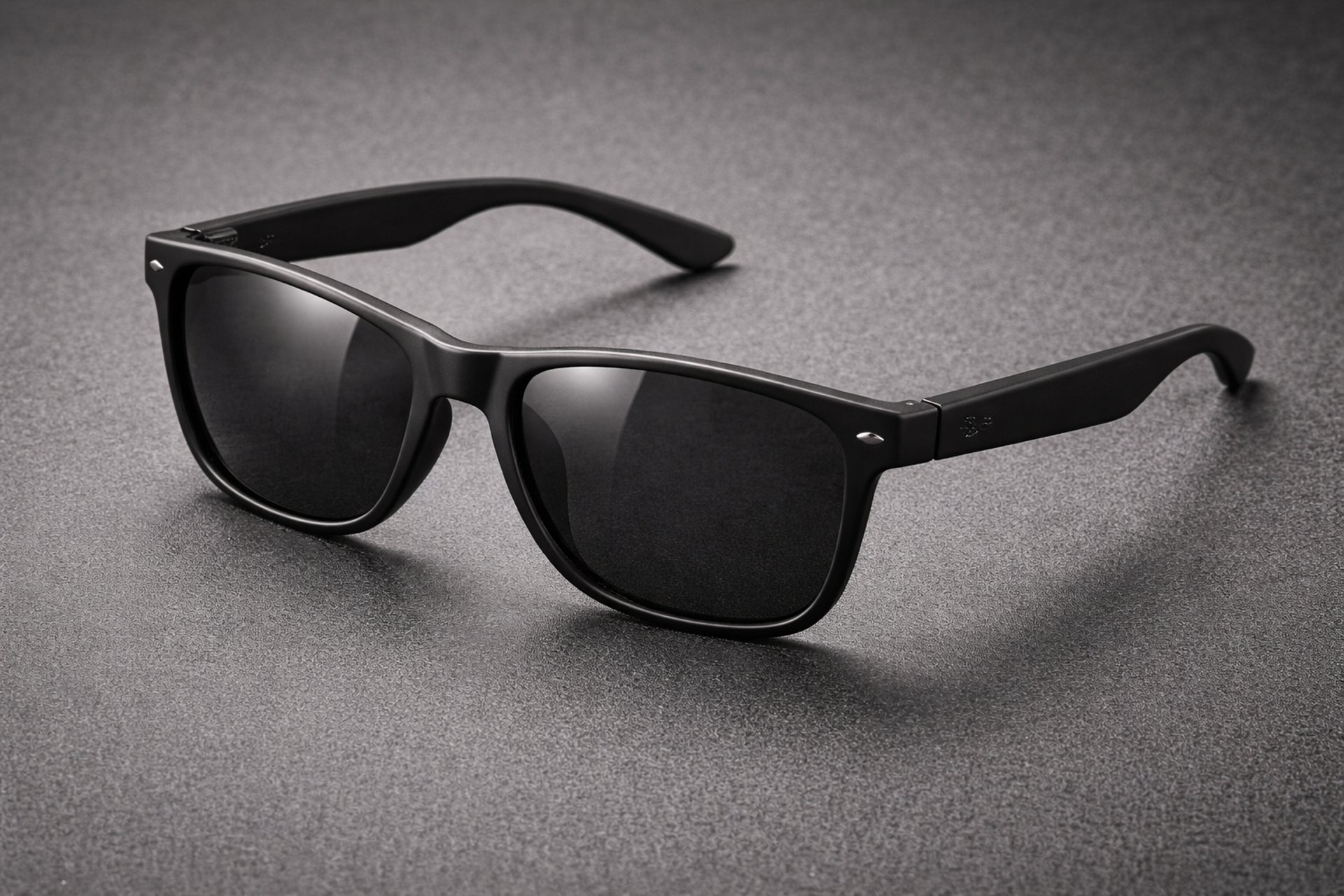
Do Sunglasses Expire?
Discover how sunglasses expiration affects their UV protection and learn essential sunglasses care tips to maximize lifespan and know when to replace your pair.
EDC SUNGLASSES
The EDCBuzz Editorial Team - Led by AJ “Buzz” Eichman
7/4/20267 min read
We all know sunglasses aren’t groceries with a sell-by date pinned to the frame. But do sunglasses expire? Well, not in the strict sense you'd expect on a carton of milk. However, the protection they provide for your eyes isn’t guaranteed to last forever. Over the years — especially when you're using them daily and exposing them to a fair deal of sun, sweat, and the occasional bad drop — their effectiveness can wane. This includes how well they block harmful UV rays and how comfortable and sturdy they remain. Knowing when and how to care for your sunglasses, and when it’s time to set them aside, can make all the difference. After all, your eyes don’t get a second chance when that glare hits just right.
To get the most from your eyewear, start with EDC Sunglasses and How To Choose Sunglasses before deciding when it's time to replace a trusted pair.
Quick Verdict
• Sunglasses don’t have a fixed expiration date, but their UV protection and physical condition decline with time and use.
• Scratched lenses and weakened frames can reduce clarity and protection, signaling the need for replacement.
• Proper cleaning and storage extend the life of your sunglasses but eventually, every pair will need to be retired.
• Replacing sunglasses isn’t just about looks — it’s about ensuring your eyes stay protected when it counts.
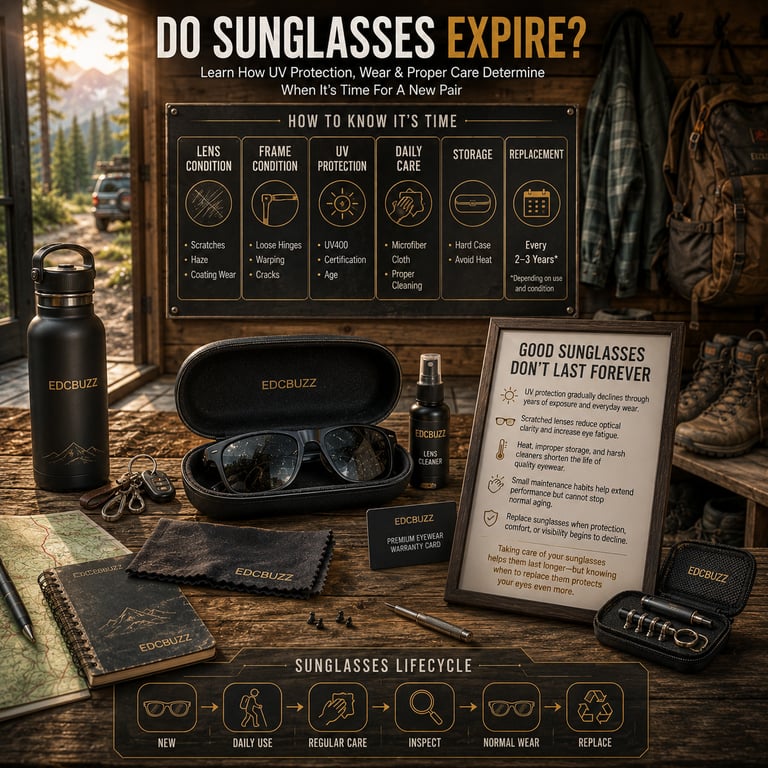
Do Sunglasses Expire? Understanding the Basics
If you asked me when my sunglasses would no longer do their job, I'd tell you the answer’s not in days or months but in how well they keep blocking the sun’s harmful rays and holding up under your usual wear. Sunglasses are built tough, but no tool escapes the slow creep of wear and tear. While they don’t come with an official expiration date, their protective qualities degrade quietly as the years pass.
The coatings that repel UV rays can wear thin after long exposure to sunlight, sweat, and moisture. You might start noticing annoying scratches or a hazy view. Frames, especially if made from plastic, can become brittle and loose. When that happens, the glasses aren’t doing just a simple fashion job — they’re failing at one of their most important roles: shielding your eyes safely. To better understand the protection those coatings provide, see Polarized Sunglasses and UV Protection Explained.
How UV Protection Works and Why It Matters
Every decent pair of sunglasses worth their salt comes with UV protection built into the lenses or coatings. This protection is what guards your eyes against ultraviolet radiation — tiny invisible rays that can cause real damage over time. The trouble is, it’s easy to assume any tinted lens will do the trick, but that’s far from true.
The UV-blocking layer is usually a chemical coating or embedded into the lens material itself. Over time, those coatings can degrade, especially if you expose the glasses to harsh conditions — think sweat, saltwater, or heat from a dashboard on a hot day. When that happens, the lenses might still look fine but won’t shield your eyes like they used to. You end up thinking you’re protected when you’re actually not, which is the kind of thing that sneaks up on you until you notice the glare or strain in your eyes. If you're curious about glare reduction, What Are Polarized Sunglasses and Are They Worth It? explains how it differs from UV protection.
Factors That Affect Sunglasses’ Lifespan
You might notice after a few seasons your old sunglasses aren’t as comfortable or clear as they once were. That’s no coincidence. The lifespan of sunglasses depends on several practical factors:
• Lens material – Polycarbonate lenses are tough and impact-resistant but more prone to scratches unless treated with a good coating. Glass lenses handle scratches better but can shatter. For a deeper comparison, read Choosing Between Glass and Polycarbonate Lenses.
• Coatings – UV and polarization coatings aren’t eternal. Harsh cleaning or exposure wears them down over time.
• Frame material – Plastic frames can become brittle and snap if left in the sun too long, while metal frames might corrode or loosen.
• Usage patterns – The more you wear them outdoors, especially in sweat-inducing or wet conditions, the faster they degrade.
• Storage habits – Tossing sunglasses in a pocket or bag without a case invites scratches and damage faster than carefully stowing them away.
Signs Your Sunglasses Need Replacing
When it comes to sunglasses, visible damage is often the first hint that the time is near to consider a replacement. Here are some signs to watch for:
• Lens scratches and haze – These reduce clarity and can cause eyestrain or headaches. You’ll notice glare and reflections becoming distracting rather than helpful.
• Loose or broken hinges – When frames start to rattle or feel unstable, you’re not just risking a lost pair; the fit and alignment that help block the sun are compromised.
• Faded or peeling coatings – Sometimes you can spot inconsistent coloring or scuffs on the lenses indicating the protective layer has worn off.
• Discomfort or pressure spots – Frames that have warped or don’t sit right can cause headaches or uneven pressure on your face.
• Worn-out nose pads or arms – These small parts make a big difference in comfort and fit, which in turn affects how well your sunglasses keep out stray light.
If your sunglasses have any of these issues, they might still be “good enough” for a quick errand, but they aren’t your reliable shield anymore. This is especially true if your time outside matters – like when you’re hiking, working outdoors, or driving long stretches. If eye discomfort has become noticeable, Why Do Some Sunglasses Cause Eye Fatigue? may help explain why.
Tips for Sunglasses Care to Maximize Lifespan
Maintaining your sunglasses is a straightforward task, but it requires a bit of discipline — the kind you pick up after years of putting gear to the test.
• Clean gently and regularly – Use mild soap with warm water, then dry with a soft cloth. Avoid harsh chemicals, paper towels, or abrasive cloths that can strip coatings or scratch the lenses.
• Store in a case – Wherever possible, keep your sunglasses in a protective case when not on your face. It’s light work, but the protection from scuffs and pokes makes a real difference.
• Avoid leaving them in extreme heat – The back window of a car on a hot day is a known enemy. Heat can warp frames and damage coatings.
• Handle with care – Putting on and taking off your sunglasses with two hands prevents unnecessary twisting. Dropping or tossing them in bags adds up fast.
• Regular checks – Every few months, give your sunglasses a close look. Tighten loose screws and replace nose pads if possible. Early fixes extend life. If you wear adaptive lenses, Photochromic Lenses Explained: How They Work also includes maintenance considerations.
When and How to Choose New Sunglasses
Replacing sunglasses is not about chasing style or the newest trends — it’s about knowing when your current pair stops serving the job you need. If your lenses no longer block ultraviolet rays effectively, or the frames have lost their fit and strength, it’s time to get a fresh pair.
Think about your typical use: Are you outdoors for long hours? Do you work in environments where your glasses take a beating? Or are you after something for casual daily wear? Your choice should reflect the balance of durability, UV protection, and comfort. Golfers, for example, can benefit from the recommendations in Best Golf Sunglasses.
As for pricier sunglasses versus cheaper ones, it often comes down to materials and construction quality rather than cost alone. A well-made pair with solid UV protection and scratch-resistant coatings will outperform cheap sunglasses that might look fine on day one. But there’s no magic in price — what counts is how well the glasses hold up over time and how effective they remain. The comparison goodr FXG vs KOO Supernova (Cheap vs Expensive) is a good real-world example.
Common Mistakes with Sunglasses Care and Replacement
People tend to make a few predictable mistakes when it comes to sunglasses. Some assume that once you buy a pair labeled as “UV protection,” you’re set for years. That’s simply not the case — UV coatings wear down and can fail silently. Another common slip-up is cleaning lenses with household cleaners or paper towels, which can actually cause micro-scratches and strip coatings. You don’t need a chemistry degree to keep glasses clean, just some mild soap and a bit of patience.
Then there’s the “use until it breaks” approach. You might be tempted to keep your battered shades for years, but scratches and loose fittings often reduce the practical protection your sunglasses provide. Using scratched lenses is not just an inconvenience — it could contribute to eyestrain and reduce your visibility in challenging conditions.
Finally, ignoring fit and frame damage can lead to discomfort or even reduced eye protection. Frames that don’t sit right allow stray light in and won’t keep you comfortable when you need them most. If you're deciding between protective eyewear types, Mechanix Vision Type-E vs Oakley Half Jacket 2.0 (Safety Glasses vs Sunglasses) covers the key differences.
Frequently Asked Questions
Do sunglasses have an expiration date?
Not in a strict sense. They don’t come with a countdown timer, but their protective features wear down over time. It’s more about usage, care, and the physical condition of the glasses than a preset expiry.
How long do sunglasses usually last?
That depends on how often you wear them and how you treat them. With decent care and moderate use, expect a pair to last several years before you start noticing diminished protection or physical wear.
Can UV protection fade over time?
Yes, UV coatings can degrade after prolonged exposure to sunlight, sweat, and harsh environments. This is why older sunglasses might not protect your eyes as well, even if the lenses still look tinted.
How should I clean and care for my sunglasses?
Use mild soap and warm water, avoid harsh chemicals and abrasive materials, dry with a soft microfiber cloth, and store them in a protective case when not in use.
When is it time to replace my sunglasses?
When you notice significant scratches, coating damage, loose hinges, discomfort, or if you suspect the UV protection is no longer effective. If your eyes feel strained when wearing them, it’s time.
Do expensive sunglasses last longer than cheaper ones?
Not always. Quality construction and lens material often matter more than price tag alone. A cheaper pair with good UV protection used carefully can outperform a pricey pair that’s neglected.
Is it safe to use scratched sunglasses?
It’s generally not ideal. Scratches can scatter light, cause glare, reduce clarity, and contribute to eye strain. Eventually, it’s safer and wiser to replace deeply scratched lenses.
Conclusion
Sunglasses are more than just a fashion accessory; they’re a piece of gear you rely on daily to protect one of your most valuable senses. While they don’t have an expiration sticker, their ability to shield your eyes from UV rays and glare fades quietly over time, especially with careless use or lack of maintenance. Simple, consistent care — like gentle cleaning, proper storage, and occasional checks — can keep them working well longer, but none last forever. When your lenses get scratched, your frames get loose, or the protection wears thin, it’s a quiet sign that it’s time to move on. Picking the right replacement comes down to real-world durability and reliable protection, not flashy marketing. Remember, the best sunglasses are the ones you stop worrying about — until one day you realize they’ve quietly stopped protecting you at all. That’s when a new pair becomes more than just a good idea; it’s a small but important investment in your everyday safety.
Contact@TheBuzzHQ.com
© 2026 EDCBuzz. All rights reserved.
EDCBuzz
Master everyday carry systems with clarity and precision. Built for real environments and practical use.
For educational purposes only.
General Inquiries: