
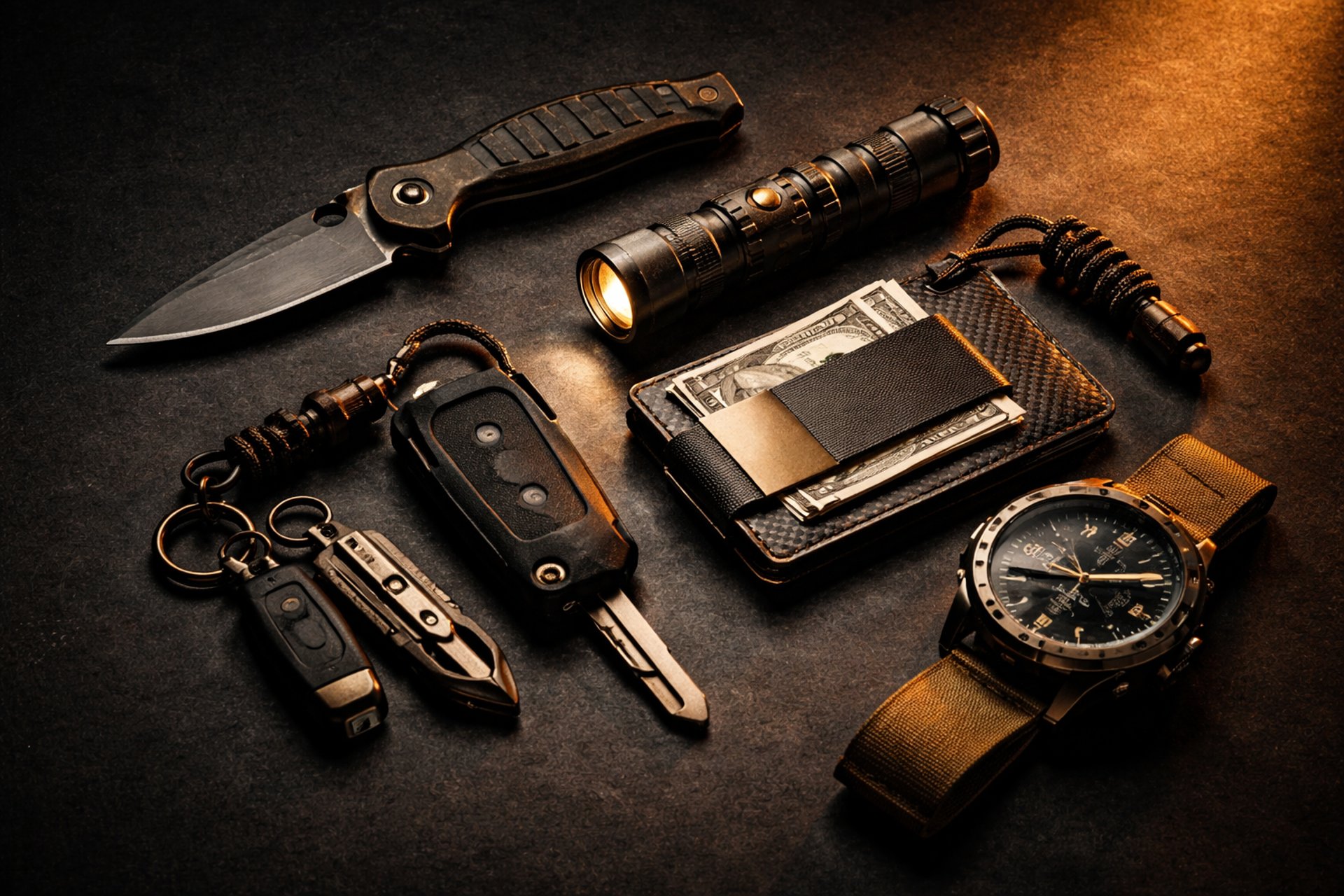
What Is EDC Audio
Explore the essentials of EDC audio gear designed for everyday use, including earbuds, headphones, and portable players that fit your daily routine.
EDC AUDIO
The EDCBuzz Editorial Team - Led by AJ “Buzz” Eichman
6/18/20267 min read
Most of us have at least one audio device we carry daily, whether it’s those quietly dependable earbuds tucked in your pocket or the trusty little music player that’s seen more of the world than you have. EDC Audio is exactly that: practical, portable audio gear designed to fit into your daily routine without causing fuss or demanding more attention than a good playlist. But what exactly makes audio gear suitable for everyday carry? And what should you be looking for once the shine of new tech wears off and you’ve been living with it day in, day out?
If you're building an everyday carry audio setup, understanding the differences between devices, comfort, durability, and long-term usability matters far more than chasing marketing hype. Let's dive into the various aspects of everyday carry audio gear so you can make an informed choice—without having to endure awkward wires or a battery that quits halfway through your commute.
Quick Verdict
EDC audio gear offers portability, durability, and comfort that become more apparent over time than at first glance.
Wireless earbuds rule convenience but wired options still hold their ground for reliable sound and no battery worries.
Battery life matters more than the marketing hype; plan based on your real daily use.
Protective cases aren’t just for show—they save your gear from scratches, tangles, and that inevitable pocket catastrophe.
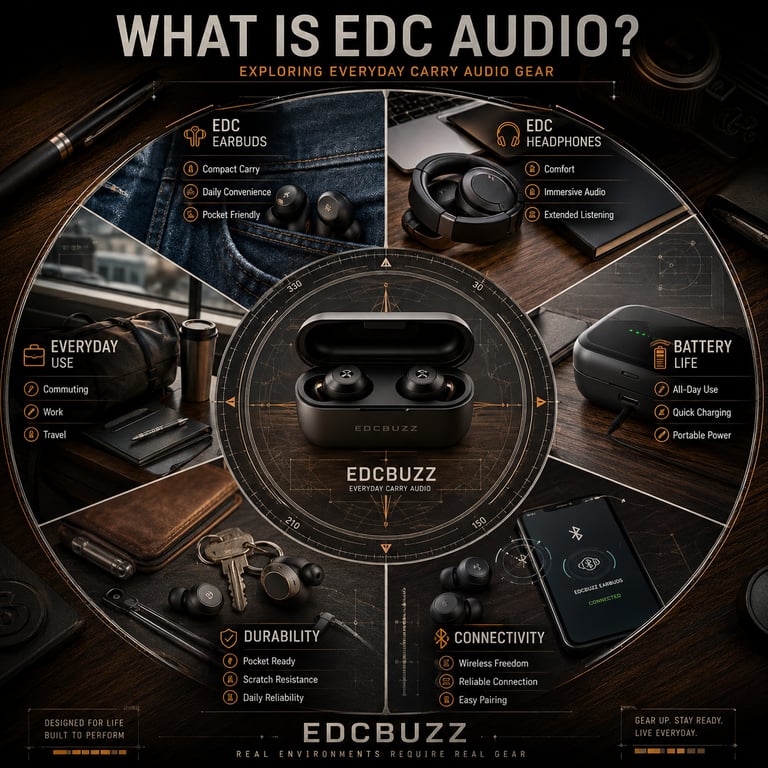
Defining EDC Audio: What Everyday Carry Audio Gear Is
At its core, EDC audio means carrying audio devices and accessories that are compact, durable, and comfortable enough to be a part of your daily life without being a nuisance. It’s easy to get distracted by specs and features, but the real litmus test comes from actual use—how the gear feels in your pocket, how it holds up after a week of commuting, or whether it’s comfortable through a long call or extended music session.
You’ll find everything from small earbuds to over-ear headphones and compact music players in the EDC audio world. The focus isn’t on having the most extravagant sound system, but rather tools designed to make everyday audio moments better and more accessible. If you're just getting started, our guide to Earbuds vs Headphones for EDC can help narrow down which format fits your daily routine best.
Popular Types of EDC Audio Devices: Headphones, Earbuds, and Music Players
The most common devices in everyday carry audio fall into three categories:
1. EDC Earbuds
True wireless earbuds dominate in popularity due to their minimal bulk and hassle-free experience. After living with a good pair, what stands out is how quickly they blend into your routine—they’re light enough to forget yet sturdy enough to withstand daily jostling in bags or pockets.
If you're shopping for your first pair, check out our recommendations for Best EDC Earbuds to see which models balance portability, comfort, and battery life.
Look for silicone tips that seal well without causing ear fatigue during long hours. In my experience, some earbuds start to nag after extended wear, but the better designs strike the right balance between comfort and secure fit.
2. EDC Headphones
While less common as a true “carry in your pocket” option, compact, foldable headphones have their place for those who prioritize sound quality and don’t mind carrying a bit more weight. The catch is that after a day’s use, you begin to notice grip pressure around your ears if the clamping force isn’t dialed in just right.
The best models tend to settle into daily use without causing discomfort, which takes more patience than you might expect. This is one reason many users eventually discover Why Comfort Matters More Than Sound Quality for EDC when selecting gear they carry every day.
3. Portable Music Players
Dedicated music players might seem old-school in an age of smartphones, but they still offer advantages like balanced audio output, longer battery life, and specific storage dedicated to music.
They often come in ruggedized builds to survive the knocks and drops of daily carry, making them a favorite for folks who want off-phone distraction or high-res sound on the go.
Materials and Build Quality: Balancing Durability and Comfort
One of the subtle things you notice with EDC audio gear after some use isn’t just how it sounds, but how its materials react to everyday wear. Most devices mix durable plastics and silicone for weight savings and flexibility—with occasional metal for reinforcement. That blend usually makes for a comfy fit that can take the occasional bump or scratch without drama.
What’s often overlooked is how materials influence grip fatigue and pocket feel. For example, earbuds with soft silicone tips might feel great going in, but they can get a bit slippery or attract dirt after a few weeks. Meanwhile, lightweight plastics allow the gear to vanish in your pocket, though some start to show wear quicker than you’d prefer.
There’s a trade-off between looking new and feeling comfortable, but it pays off when the device feels like part of you, not just an accessory. Long-term durability is something we explore in more detail in How Durable Should EDC Earbuds Be?
Performance Factors: Battery Life, Sound Quality, and Connectivity
Battery life is where reality often diverges from specs. While a manufacturer might claim eight hours of playback, the actual day-to-day experience depends on volume levels, connection stability, and usage patterns like making calls versus passive listening.
After living with several pairs of earbuds, I can say only this: if your gear can’t last through a commute and a little work session without dying, it’s dead weight in a way that’s less metaphorical and more frustrating.
For a deeper dive, compare the tradeoffs discussed in Battery Life vs Sound Quality and see how much runtime most users actually need in How Much Battery Life Do You Really Need for EDC Audio?
Sound quality usually follows the classic wireless versus wired debate. Wireless earbuds win points for convenience and freedom of movement but sometimes lag behind when it comes to fidelity, especially if you’re picky about audio nuance. Wired options still deliver a consistent quality, no matter how bad the Bluetooth congestion gets on a busy train.
Bluetooth versions affect both power consumption and connection reliability. A higher Bluetooth version tends to offer fewer dropouts and better battery optimization—which you appreciate when your earbuds keep up without hiccups through a busy day of calls, podcasts, or music.
Practical Use Cases: When and Where You’d Use EDC Audio
The charm of EDC audio gear lies in its adaptability to everyday scenarios:
Commuting: Whether you’re on a bus or walking, earbuds or compact headphones help drown out background noise or keep your favorite podcast front and center.
Office or Work: Calls and focused listening require earbuds or headphones that stay comfortable and reliable across long periods.
Outdoor Activities: Jogging or hiking calls for gear that stays put, handles sweat, and survives unpredictable weather. Devices with decent water resistance usually rise to the top here. Learn more in Water Resistance for Earbuds.
Home Use: Lightweight, handy audio gear that’s ready the moment you need it.
Travel: Lightweight and robust devices that pack easily and endure cramped luggage space without damage become your silent travel companions.
Common Mistakes to Avoid When Choosing EDC Audio
I’ve lost count of how many times people pick gear based mostly on brand names or looks only to find out the hard way that comfort or battery life is lacking.
Several common pitfalls stand out:
Prioritizing brand over practical features.
Ignoring battery specs.
Overlooking comfort.
Carrying your audio gear without protective cases.
Buying devices stacked with features you don’t need.
Many of these mistakes become easier to avoid once you understand How to Carry and Protect Your Earbuds Every Day and focus on daily usability instead of spec sheets.
Essential Accessories to Enhance Your EDC Audio Setup
You don’t have to carry just the devices themselves; smart accessories make a big difference:
Protective Cases or Pouches
A well-made case keeps earbuds and cables from tangling or taking hits in your pockets or bags.
Replacement Silicone Tips
Different ear canals demand different fits. Having multiple sizes and replacements ensures your earbuds stay comfortable and maintain their passive noise isolation quality.
Cable Clips or Organizers
If you stick with wired gear, a simple clip or organizer saves you time wrestling with cables and keeps everything neat.
Charging Hubs and Power Banks
For longer days out, extra charging options keep your gear ready to go without hunting for the nearest outlet.
Buyer’s Guide: What to Consider Before Buying Everyday Carry Audio
Thinking of upgrading or starting your EDC audio collection? Here’s what to weigh carefully:
Lifestyle Fit
Battery Demands
Comfort and Fit
Connectivity and Compatibility
Build Quality and Durability
Accessories
The goal is choosing gear that supports your daily environment rather than complicating it.
Frequently Asked Questions
What are the main types of EDC audio devices?
The primary types are true wireless earbuds, compact headphones, and dedicated portable music players, each catering to different needs from convenience to sound quality and battery life.
How do I choose between earbuds and headphones for everyday carry?
Consider your comfort preferences, where you’ll be using them most, battery needs, and sound expectations. Earbuds offer compactness and convenience, while headphones usually provide more immersive sound and comfort at the cost of size.
What materials are best for durable EDC audio gear?
Durable plastics combined with silicone tips offer a good balance of strength, flexibility, and comfort. Metal parts reinforce durability but may add weight.
How important is battery life in EDC audio devices?
Very important. Your device should last through your typical daily routine without needing a recharge.
Can EDC audio gear be used during physical activities like jogging or commuting?
Yes, but choose models designed for secure fit and water resistance.
What are common audio accessories for EDC?
Protective cases, replacement ear tips, cable organizers, and portable chargers are common accessories that enhance the life and convenience of your audio gear.
How do wireless EDC earbuds compare to wired in everyday use?
Wireless earbuds provide freedom from cables and simpler pocket carry at the cost of battery management and slightly variable sound quality.
Are there features that enhance audio experience in noisy environments?
Passive noise isolation through good ear tip seal is common and effective. Active noise cancellation exists but often adds bulk and drains battery faster.
Conclusion
After spending real time carrying and using various EDC audio gear, it’s clear that the best devices are those that slip almost unnoticed into your daily rhythm. They aren’t necessarily the fanciest or flashiest, but the most comfortable, the most reliably powered, and those that stand up to the small battles of daily life and keep delivering sound without drama.
Whether you lean toward wireless earbuds for their freedom, wired headphones for their straightforward reliability, or a portable player for dedicated music enjoyment, the key is matching the gear not just to your ears, but to your days.

Contact@TheBuzzHQ.com
© 2026 EDCBuzz. All rights reserved.
EDCBuzz
Master everyday carry systems with clarity and precision. Built for real environments and practical use.
For educational purposes only.
General Inquiries: