
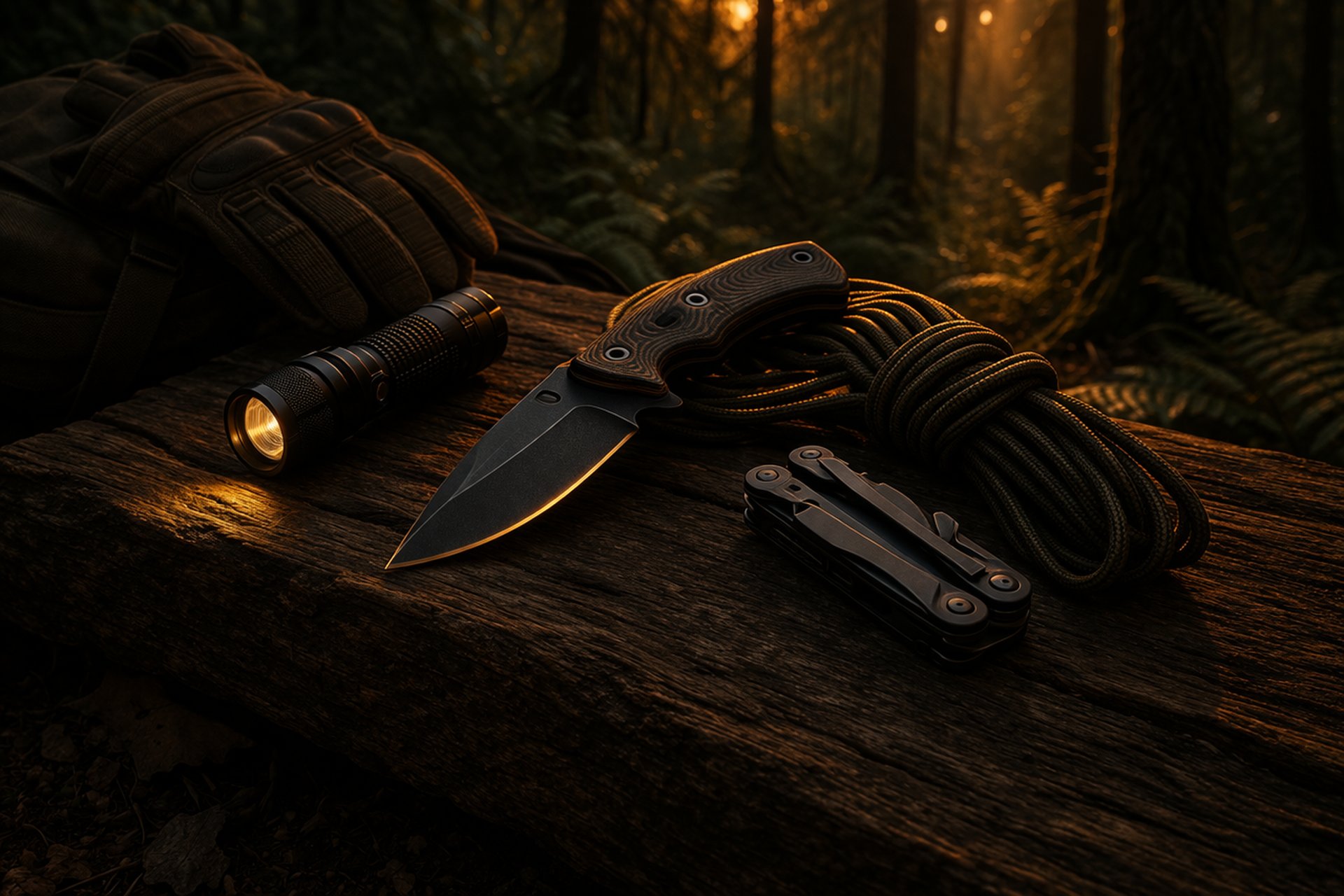
How to Build a Professional EDC Loadout
Learn how to build a professional EDC loadout with practical, durable gear that fits seamlessly into your daily routine for work and life.
LOADOUTS
The EDCBuzz Editorial Team - Led by AJ “Buzz” Eichman
6/11/20268 min read
In the world of everyday carry, crafting a professional EDC loadout is less about flashy gadgets and more about practical, reliable tools that smoothly fit into your daily routine. After all, the best EDC gear is the kind you actually carry long term, not just admire on a shelf or after an unboxing video. Your loadout should support your work and personal needs without drawing attention or discomfort. This means selecting well-made essentials that handle the small but inevitable tasks life throws at you, whether in the office or while out and about.
Putting together a professional EDC kit isn’t about hauling every tool you might wish for; it’s about thoughtful curation that balances functionality, durability, and a low-profile presence. After living with a carefully chosen EDC setup for weeks on end, I’ve noticed how some details only reveal themselves over time—the subtle pocket shape changes, the gradual shift in grip comfort, the ease or frustration of a tool’s mechanism after repetitive use. Whether you're starting with the EDC Loadouts Guide or using the EDC Loadout Builder by Budget to narrow down your options, the goal is the same: build a setup you’ll actually carry.
Quick Verdict
A professional EDC loadout hinges on compact, versatile gear that doesn’t crowd your pockets or distract from your day.
Materials like stainless steel and titanium deliver durability without adding unnecessary weight over time.
Combining multi-functional tools reduces bulk, letting each item earn its place in your kit.
Regular maintenance and periodic reevaluation keep your loadout functioning smoothly and tailored to evolving needs.
What is a Professional EDC Loadout?
Think of a professional EDC loadout as a streamlined ensemble of tools and accessories you depend on daily, blending discreet utility with solid build quality. This isn’t about having every possible gadget but owning essentials that complement your lifestyle and workflow. Whether your day involves meetings, occasional field tasks, or quick fixes at your desk, these tools should support those small moments where a quick cut, a note, or a tightened screw sideline your day without fuss.
At its core, a professional EDC kit blends practicality with presentation. Your gear needs to stay out of the spotlight, fitting neatly into pockets or bags while not betraying its usefulness with bulky profiles or loud finishes. It’s about finding that sweet spot where the tools do their job and then respectfully disappear.
Many professionals begin by comparing different carry philosophies through Do Office Workers Really Need an EDC Loadout? and eventually refining their approach into something more personalized.
Key Everyday Carry Essentials for Professionals
Knives and Cutting Tools
A reliable folding knife is often the centerpiece, chosen for its quality steel and practical blade shape. Over time, I’ve found steels like S30V or 154CM strike the right balance between edge retention and corrosion resistance—meaning the blade holds up nicely with minimal upkeep. The handle’s ergonomics matter too; after a day of repeated opening and cutting, your choice should feel secure in hand without causing grip fatigue.
Multi-Tools
Multi-tools earn their spot by packing several functions into compact frames. Pliers, screwdrivers, scissors, and blades come together in one device that can tackle minor repairs or adjustments during the day. It’s impressive how much you can do without unpacking a full toolbox—as long as you’ve picked one with straightforward, easy-to-access tools. After a few weeks, I start appreciating the smoothness of the mechanism more than its initial flash.
Flashlights
A small, bright flashlight is invaluable for low-light situations or finding dropped items without fumbling over bulky devices. Modern LED lights powered by rechargeable batteries tend to deliver bright output while staying pocket-friendly. Look for designs with simple activation methods; a flashlight that hides in your pocket until you need it, without fiddling with complicated switches, is a keeper.
Pens
A dependable pen isn’t just for signing documents. Frequent jotting down notes, sketches, or reminders means your pen needs consistent ink flow and a comfortable grip to avoid hand cramps after extended use. Refillable pens with reliable cartridges, such as gel or rollerball, usually keep up well over time. If writing tools are a priority, Top EDC Pens for Office Workers is worth reviewing.
Wallets
Slim wallets combining RFID blocking with natural wear-resistance materials like leather or carbon fiber balance security with a non-bulky profile. Over time, these wallets conform modestly to your pocket’s shape, making them comfortable for daily carry. Avoid overly stuffed wallets that gradually weigh down your pockets and posture as the day wears on.
Watches
A professional watch finishes off your kit with punctuality and subtle style. Mechanical or quartz varieties with scratch-resistant faces and comfortable bands suit all-day wear. Watches that balance form and function become surprisingly reassuring companions after a few weeks, unlike flashy ones that scream for attention and end up in desk drawers.
Materials and Build Quality to Look For
When carrying your tools day in and day out, material choice isn’t just marketing savvy; it dictates longevity and feel. Stainless steel remains a stalwart for blades and tool components, thanks to its corrosion resistance and ability to maintain a sharp edge. Titanium increasingly shows up in tool frames and handles; it’s lightweight yet strong and develops a subtle patina that only adds character over time.
Polymer components offer a balance between durability and weight saving, but high-quality construction is crucial. After juggling lightweight polymer tools alongside full-metal ones, I’ve observed that cheap polymers tend to dull the user experience—sometimes literally. The wear facets on your gear are often the first hint to overall quality.
Balance Functionality and Professionalism
A professional EDC loadout walks a tightrope between utility and discretion. You want tools that slide comfortably into your day without making a statement like they’re more important than the work you’re actually doing. For example, a multi-tool with matte finishes beats a shiny chrome one that catches the light and every glance.
Size and weight play big roles here — after a couple of days, a heavy or awkwardly shaped item feels like carrying a small pet you didn’t sign up for. Compact designs that fold or collapse neatly into place typically win the comfort contest. The goal is a loadout that’s reliable but humble, tools that help you rather than showcase your collection.
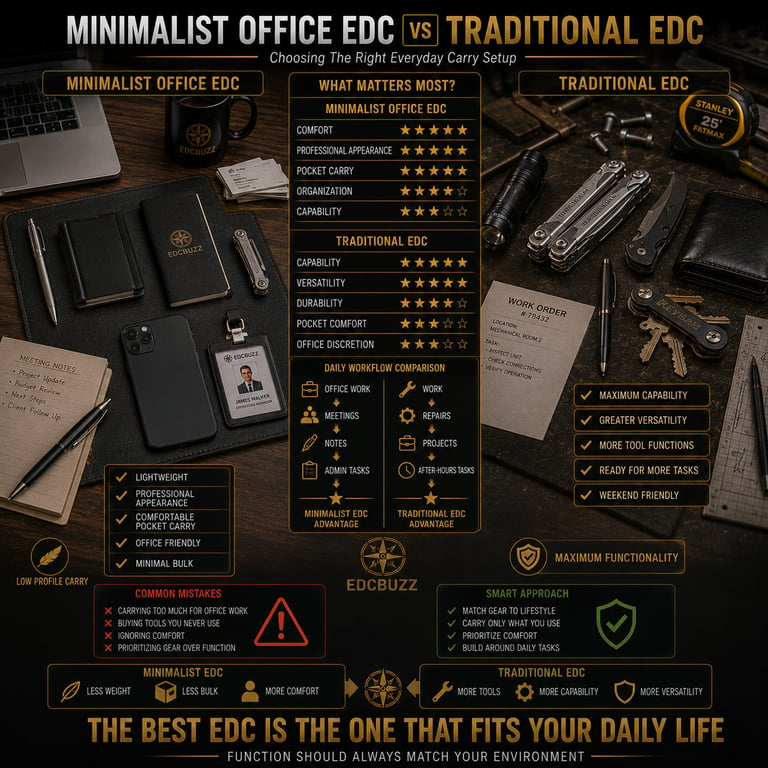
This is also where the discussion often overlaps with Minimalist Office EDC vs Traditional EDC, since balancing capability and comfort is one of the biggest decisions you'll make.
Tips for Assembling and Customizing Your EDC Kit
Start with needs analysis. What tasks do you actually encounter? If you mostly stick to office work with the occasional outdoor errand, many specialized tools might not earn their spot. Instead, opt for essentials that do double duty: a pen that writes smoothly and looks professional, a knife suitable for opening packages and small handyman jobs, and a flashlight bright enough without being bulky.
Don’t underestimate the small details. Pocket clips that hold securely yet don’t tear fabric, blade locks that snap confidently instead of wobbling, and wallet compartments designed to reduce unnecessary bulk all add up to better daily wear. Regularly test your gear in the field of everyday life—if something feels off after a day’s carry, it’s worth reconsidering.
Experimentation is fine as long as you track what stays and what ends up in a drawer. Swapping out a flashlight or knife handle for something that fits your hand better can transform your daily carry from “meh” to “I forgot I was carrying this.” And that last bit, invisibility in pocket, is more important than it sounds. It’s light enough to disappear in your pocket — unlike the one you forgot you were carrying until you sat down.
If budget is part of the equation, How Much Should an EDC Loadout Cost? and What Should You Upgrade First in an EDC Loadout? can help prioritize spending.
Common Mistakes to Avoid in Your EDC Setup
Overloading the kit is a classic trap. Trying to cover every hypothetical scenario results in a bulky loadout that you won’t carry consistently. Extra weight causes pocket bulges, which not only looks unprofessional but can make you hunch or shift uncomfortably by midday.
Another common misstep is chasing style over substance. Flashy or overly specialized tools may seem attractive but often underdeliver on everyday utility. They can also draw unwanted attention or conflict with professional dress codes.
Ignoring ergonomics can turn a promising tool into a pocket nuisance. Items that dig into your leg, have overly stiff springs, or require awkward handling can cause unneeded strain or slow you down when speed or ease matters. Lastly, skipping maintenance—dull blades, dead flashlight batteries, and grubby pens—slowly erode your kit’s reliability and your willingness to carry it regularly.
Maintenance and Upgrading Your Loadout
A pro-level EDC is a living setup. Keep blade edges sharp, clean multi-tool joints from grit, refill pens before they run dry, and swap flashlight batteries or recharge as needed. Little habits like these extend your gear’s lifespan and keep everything ready when you need it without hassle.
Review your loadout every few months. Professionals change jobs, develop new routines, or discover better gear. A modest reset ensures your kit remains tailored to your current needs rather than a dusty relic of past interests. Frequent updates can also keep the kit fresh—little improvements in design and materials happen all the time, and it’s worth exploring them if your old setup feels stale.
Real-World Examples of Effective Professional EDC Setups
For office-heavy workdays, an excellent setup might include a folding knife with a subtle black finish paired with a reliable multi-tool featuring needle-nose pliers, a compact flashlight with tailcap switch, a refillable gel pen, a leather RFID-shielding wallet, and a minimalist watch. This combo stays light, fits well in dress pants pockets, and handles everyday needs without fuss.
If your work edges into field duties, mixing in a titanium-frame multitool with a sturdy cutting blade and adding a slightly brighter flashlight helps without crossing into bulky territory. In all cases, after a few weeks of real use, this gear settles in to become something you almost don’t notice carrying—except when it avoids a little hassle and saves the day quietly.
Frequently Asked Questions
What are the essential items for a professional EDC loadout?
A practical setup typically includes a quality folding knife, a versatile multi-tool, a small flashlight, a dependable pen, a slim wallet with RFID protection, and a durable wristwatch.
How do I choose the right EDC knife for work and everyday use?
Look for steels that balance edge retention and corrosion resistance, such as S30V or 154CM, and prioritize a handle design that feels secure after repeated use. Folding knives with discreet profiles suit professional environments best.
What materials provide the best durability for EDC gear?
Stainless steel and titanium lead the pack for balance between strength and wear resistance. Polymers are acceptable if of high quality but less durable over time.
How can I balance functionality and discretion in a professional environment?
Select gear with subdued finishes and compact designs that complement rather than draw attention. Prioritize practical features that serve your daily tasks without bulk or flash.
What are the best brands or products for professional EDC gear?
Brands like Benchmade, Leatherman, Streamlight, and Fisher Space Pen maintain solid reputations for durability and reliable performance suited to professional needs.
How often should I update or replace items in my EDC kit?
Regularly assess your loadout every few months, especially after lifestyle or job changes. Replace blades, batteries, or tools as they wear or fail to meet current demands.
Can I customize my EDC for different workdays or tasks?
Absolutely. Keep a core set consistent but tailor certain items like knives or flashlights depending on anticipated daily needs or dress code requirements.
What maintenance tips prolong the life of EDC tools?
Sharpen blades regularly, clean and lubricate multi-tool joints, replenish pen ink before it runs dry, and recharge or replace flashlight batteries on schedule.
Conclusion
Building a professional EDC loadout isn’t just a box-checking exercise—it’s an ongoing dialogue between what you carry and how you live your day. The tools you choose should earn their place by being useful, comfortable, durable, and subtle enough to blend seamlessly into your professional life. After living with these essentials, you’ll notice the value in materials that stand up to wear, forms that mold to your hand and pocket, and simple mechanisms that don’t add frustration. When your EDC gear serves quietly and consistently, it becomes less a collection of objects and more an extension of your daily workflow—ready to lend a hand whenever needed, then fade quietly back into your routine. And if you happen to find a moment’s amusement in how one tool disappears in your pocket until suddenly it’s a surprise under your chair, well, that’s just the icing on the everyday carry cake.

Contact@TheBuzzHQ.com
© 2026 EDCBuzz. All rights reserved.
EDCBuzz
Master everyday carry systems with clarity and precision. Built for real environments and practical use.
For educational purposes only.
General Inquiries: