
Comprehensive EDC Gear Checklist for Everyday Preparedness
Discover a practical EDC gear checklist to balance function, comfort, and durability for everyday preparedness without overpacking or unnecessary bulk.
EDC TUTORIALS
The EDCBuzz Editorial Team - Led by AJ “Buzz” Eichman
4/2/20268 min read
There’s a certain peace of mind that comes with having the right everyday carry setup, but it isn’t something you figure out overnight. After weeks of living with a carefully curated EDC gear checklist, you start noticing which items genuinely pull their weight and which ones just fill up pocket space. This isn’t about flash or over-the-top specs; it’s about reliable tools that make your daily life smoother, whether you’re heading to work, tackling small household tasks, or navigating a quick outdoor adventure.
A solid EDC gear list acts like your invisible sidekick — lightweight enough to forget in your pocket, but ready to step up when the moment calls. From knives that cut cleanly without a fuss to flashlights that shine just right without blinking out too soon, the essentials blend utility with consistent comfort and durability. If you want to feel prepared, take control, and avoid that sinking feeling of reaching for something that isn’t there, then having a practical checklist is where you start. For a broader foundation of how all these tools fit together, it’s worth understanding what is edc.
Quick Verdict
A well-rounded EDC gear checklist balances function, comfort, and durability for daily readiness.
Prioritizing quality materials like stainless steel and titanium pays off in long-term use.
Avoid the temptation to overpack; every extra ounce counts by day’s end.
Regularly revisiting your gear keeps your setup aligned with your lifestyle and needs.
What is EDC and Why a Gear Checklist Matters
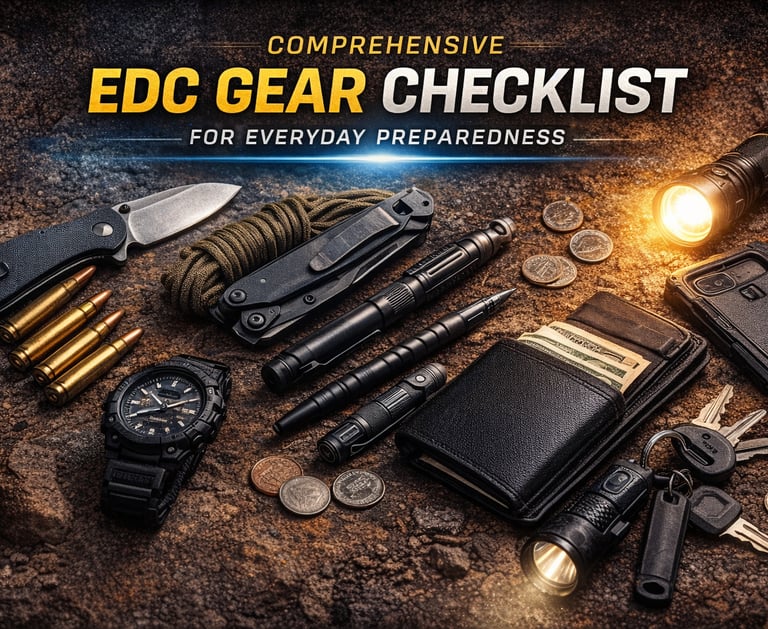
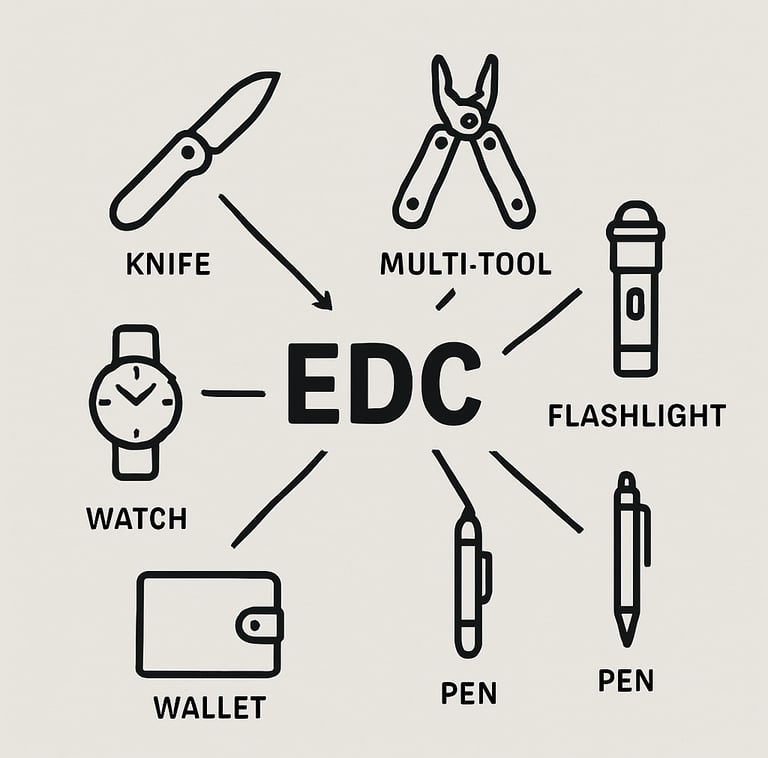
Everyday carry, or EDC, refers to those essential items you choose to have on hand throughout your day for convenience, preparedness, and a bit of peace of mind. Think of it as your small yet mighty toolkit, streamlined for pockets or bags, designed to solve minor challenges before they become major inconveniences. The list often includes knives, multi-tools, flashlights, pens, wallets, and watches — each selected for a role that’s handy from the moment you step out the door and practically indispensable as the day unfolds. For those just getting started, resources like edc for beginners help build a solid baseline before refining your setup.
Why bother with a checklist? Because your initial choices might be based on looks or a handful of online reviews, but only after carrying something through multiple days do you really understand how it fits your routine. You notice the weight lurking in your back pocket after the morning commute, or how a pen feels clumsy during fast note-taking. An EDC gear checklist keeps these lessons from being an afterthought — it’s a practical audit that ensures what you carry suits your actual daily life, not just your ideal.
Core Everyday Carry Essentials Explained
Knives should be the first thing on any serious EDC gear list, but not because they’re flashy or intimidating. A good utility knife acts like a reliable partner when slicing open packages, prepping snacks, or managing outdoor tasks without fuss. Over time, you’ll want a blade that stays sharp with minimal effort and a handle that feels secure even after a dozen cuts. Understanding the differences in design through types of edc knives and material performance from the edc knife steel guide can make a noticeable difference in long-term satisfaction. Pay attention to locking mechanisms that operate smoothly over repeated use; nothing grinds on your nerves like a stiff or finicky blade latch, which is why it’s helpful to review knife lock types explained before choosing.
Multi-tools combine several functions into one compact package, but their added weight can be a dealbreaker if you’re not careful. Pick tools that focus on the functions you genuinely need — scissors, screwdrivers, bottle opener, maybe pliers — and avoid ones overloaded with gimmicks. A heavy multi-tool might be tempting to show off at the campsite, but if it spends more time weighing you down during commutes, it’s just dead weight.
Flashlights are all about balance: brightness, battery life, and size. A compact light that fits neatly in your pocket but packs enough lumens to light up a dark stairwell is ideal. Rechargeable batteries are a nice convenience but come with the risk of running out unexpectedly if you forget to plug them in, which is why comparing options like rechargeable vs disposable flashlights becomes important when building a dependable setup. A good rule of thumb is to test your flashlight regularly and swap batteries as needed so it’s never just a paperweight when you need it most. Many reliable options are already broken down in lists like best tactical flashlights for performance-focused carry.
Pens and wallets fall under comfort and convenience but shouldn’t be underestimated. A pen that writes smoothly in all weather conditions — yes, even when your fingers are cold — goes further than a fancy-looking model. Wallets need to keep your essentials slim and secure, preferably with RFID-blocking materials these days, without turning your pocket into a bulky nuisance. After a week of lugging a thick wallet, you’ll notice exactly how pocket-bulky an otherwise “minimal” wallet can be.
Watches in an EDC setup tend to underscore practicality over flash. Look for models with good battery life, clear readability under various light conditions, and basic water resistance. Over time, you’ll appreciate a watch that doesn’t snag your sleeve or lose track of time due to finicky buttons.
Materials and Build Quality: What to Look For
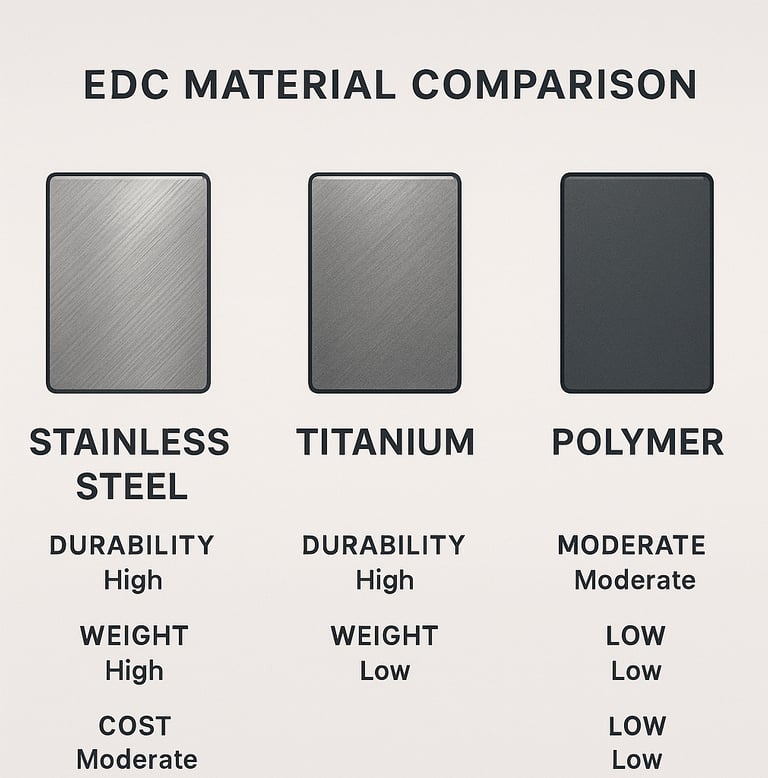
In the field, there’s little patience for gear that feels cheap or wears out quickly. Most reliable EDC gear leans on high-quality materials like stainless steel, titanium, or durable polymers. These strike a balance between toughness and weight — stainless steel provides strength with modest heft, while titanium offers remarkable durability at a lighter weight, though usually at a premium cost.
Handles and grips should endure sweat, cold, and repeated use without losing their feel. It’s easy to overlook at first, but over the course of a day, a poor grip can lead to hand fatigue or worse, slips during precise tasks. Textured or rubberized surfaces often prevent those frustrations and improve control without making the gear unwieldy.
Durability isn’t just about how much punishment gear can take but also how easy it is to maintain. A knife with a complex locking mechanism might impress at first, but if it gunked up with pocket lint after weeks and needs daily fiddling — that novelty wears off fast. Simpler, robust designs tend to survive better long-term and require less babysitting.
Adapting Your EDC Setup to Your Lifestyle
Your daily life shapes what belongs in your pocket. For commuters, a flashlight with decent lumen output that doesn’t drain your phone battery or a multi-tool that doubles as a keychain might be ideal. Office workers might prioritize a smooth pen and RFID-blocking wallet, while those frequently outdoors would want tougher knives, weather-resistant note-taking tools, or rugged watches.
It’s tempting to want a one-size-fits-all kit, but real-day experience shows that the best EDC is the one that actually shows up every day without feeling like a chore. If the gear feels like it weighs down your pants or requires a specialized pocket arrangement that slows you down, it’s a clue to simplify or swap out. Building a more refined system over time is exactly what guides like how to build an edc loadout are designed to help with.
Common Mistakes to Avoid When Building Your EDC
One of the most frequent errors with EDC gear is overpacking. Carrying a tool for every conceivable scenario sounds smart until you realize that after eight hours, the additional ounces become a persistent distraction. You want your gear to be almost forgettable until needed, not an anchor weighing you down.
Another pitfall is choosing low-quality or flashy items that don’t deliver in practical use. There’s a reason why long-term users recommend sticking to reputable brands and tested materials — the cheaper alternatives often disappoint when you least expect it. Similarly, neglecting routine maintenance can lead to failures at inconvenient moments; a blade that won’t open or a flashlight with corroded contacts is about as useful as a pocket full of lint.
Ignoring local laws and social contexts is a mistake that causes unnecessary hassle. For example, some knives and tools have legal limits on blade length or types of locking mechanisms in certain areas. It’s worth checking legalities ahead of time, so your gear is trouble-free, not trouble-brewing. Real-world comparisons like Civivi Elementum vs CJRB Pyrite can also highlight practical differences in carry and usability.
How to Maintain and Update Your Gear
An often-overlooked step in EDC ownership is maintenance. Keeping knives clean and sharp, ensuring multi-tools operate smoothly, and replacing batteries or ink refills as needed extend the life and reliability of your gear. This upkeep doesn’t require a toolkit; a bit of regular TLC can save you from scrambling for replacement parts when you least expect it.
Updating your checklist every few months based on changes in your routine or environment is smart. Maybe you start cycling to work and need waterproof items, or you move regions where the weather demands tougher finishes. Staying in tune with your daily reality helps keep your setup functional rather than a dusty relic. As your setup evolves, reviewing options like best edc knives under 100 or upgrading into best premium edc knives can refine performance over time.
Frequently Asked Questions about EDC Items
What are the essential items everyone should carry daily?
A compact utility knife, a reliable multi-tool with your essential functions, a pocket-sized flashlight, a smooth-writing pen, a slim wallet, and a readable watch form the baseline for most people. Of course, personal lifestyle tweaks this list.
How do I choose the best EDC knife or multi-tool for my needs?
Focus on blade steel quality, handle comfort, locking mechanism reliability for knives, and for multi-tools, select based on the functions you actually use to keep weight manageable.
What materials are best for durability and weight in EDC gear?
Stainless steel is a dependable all-rounder, titanium offers a premium lightweight option, and high-grade polymers increase durability without too much bulk.
How often should I update or review my EDC gear checklist?
A good rule of thumb is every three to six months or whenever your daily life changes noticeably.
Can I customize my EDC setup for both work and outdoor activities?
Absolutely. Tailoring gear for your common environments increases use and satisfaction. Consider modular setups with core essentials plus environment-specific tools.
What are common misconceptions about everyday carry gear?
That more gear is better, or that flashy means more functional. Practicality and comfort always trump bulk and bling.
How do I balance portability with functionality in my daily carry?
Prioritize versatile, lightweight tools and avoid carrying items that serve no daily use. Test your setup over multiple days to find what truly fits your routine.
Are there legal considerations I should know about for EDC knives and tools?
Yes. Laws vary by location regarding blade length, locking mechanisms, and carrying permissions. Research local rules to stay compliant.
Practical Conclusion
After spending time with a thoughtful EDC gear checklist, it’s clear that everyday carry is more about what quietly integrates into your routine than what looks impressive in a drawer. The winning items are those that earn their place by blending utility, comfort, and durability without demanding attention. Whether it’s a knife that cuts cleanly for your lunch prep, a flashlight that won’t quit halfway through a late commute, or a wallet slim enough to slip effortlessly into your pocket, these essentials enrich your daily preparedness in subtle but meaningful ways.
Carry thoughtfully, keep it practical, and remember: the best gear isn’t the one that’s brand new in a case — it’s the one that’s been quietly earning its keep, day after day. And if your EDC ever feels like a surprise guest at a meeting — well, you probably need to reassess what’s in your pockets. After all, the best everyday carry isn’t burdensome — it’s just right.

Contact@TheBuzzHQ.com
© 2026 EDCBuzz. All rights reserved.
EDCBuzz
Master everyday carry systems with clarity and precision. Built for real environments and practical use.
For educational purposes only.
General Inquiries: