
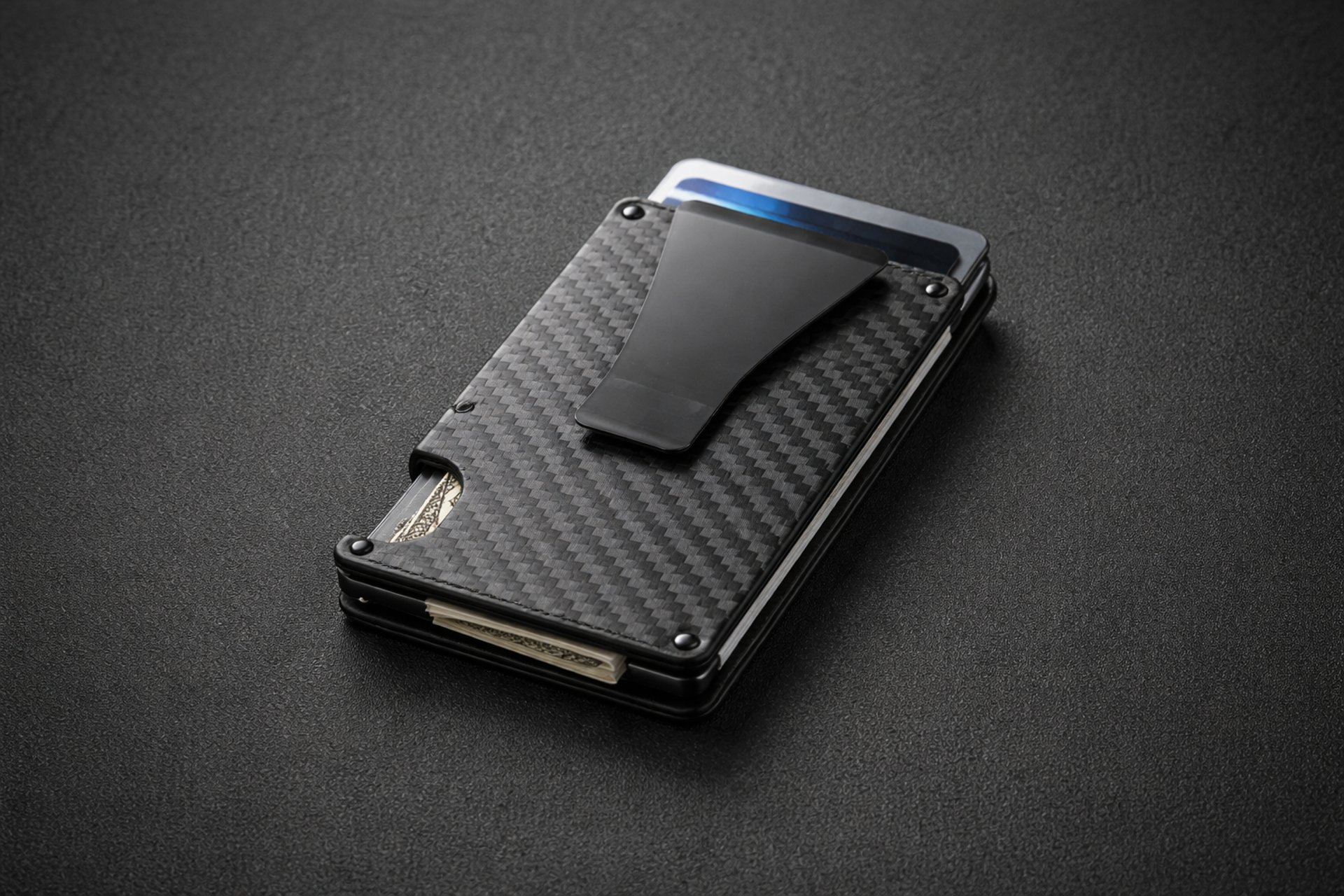
RFID vs MagSafe Wallets: Which Makes More Sense?
Explore how RFID wallets offer security against digital theft, while MagSafe wallets provide magnetic convenience for everyday carry with your iPhone.
EDC WALLETS
The EDCBuzz Editorial Team - Led by AJ “Buzz” Eichman
5/19/20269 min read
Choosing the right everyday carry wallet isn’t just about looks or brand loyalty— it’s really about how it fits into your daily rhythm, protects what matters, and plays nice with the gear you already have. If you're still exploring overall carry styles, start with EDC Wallets. These days, RFID wallets and MagSafe wallets are duking it out for pocket space and user attention. RFID wallets promise a security barrier against digital pickpockets, while MagSafe wallets offer magnetic convenience with iPhones. Both have legitimate claims to fame, but living with them reveals distinct pros, cons, and small quirks you likely won’t notice on a first glance. So, let’s unpack what carrying each feels like day in and day out, and who should seriously consider which.
Quick Verdict
RFID wallets genuinely reduce risk of unauthorized card scans but effectiveness depends on materials and build quality.
MagSafe wallets attach securely to compatible iPhones, offering quick access but can add noticeable bulk to your phone.
Everyday comfort varies: RFID wallets feel more like traditional wallets, while MagSafe systems alter how you carry your essentials.
Consider your priorities—security and protection against skimming, or minimalist carry and seamless phone integration. Many users also compare these against options in Best Minimalist Wallets.
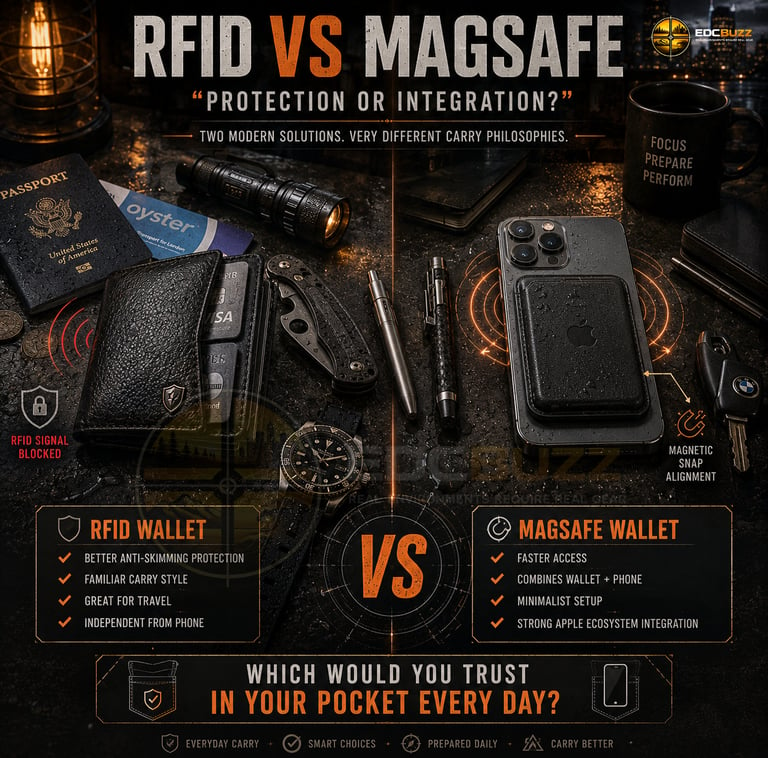
What is an RFID Wallet and How Does it Work?
RFID wallets have a simple job: block radio frequency identification (RFID) signals. Many credit cards, IDs, and transit passes emit these signals for contactless transactions, which are convenient until the moment someone unwanted tries to read them without your knowledge. RFID wallets use metallic foils or layered mesh inside the lining to disrupt these signals, making it tough for scanners to pick up your data. RFID Wallets: Do You Need One? explains how blocking tech actually works.
After a solid few weeks of carrying RFID wallets, the first thing you notice isn’t flashy technology but the pocket feel. Most RFID wallets stick close to a traditional wallet’s size and shape, which means they slide into your front or back pocket with familiar comfort. That familiarity comes at a weight cost though; the metal inserts can add a little heft, something that’s easy to forget on day one but clear by day three if you’re sensitive to pocket load.
In practical terms, this means you get peace of mind without radically changing your carry habits. However, not all RFID wallets are created equal. Cheaper versions might skimp on materials, leading to partial or inconsistent blocking, which makes a strong initial claim questionable in real use. If security is your top concern, look for wallets with confirmed certifications or recognized blocking technology.
Understanding MagSafe Wallets and Their Functionality
MagSafe wallets represent a different approach to everyday carry: convenience married to smartphone integration. These wallets use built-in neodymium magnets to snap onto the back of MagSafe-compatible iPhones. The magnet array inside the phone and wallet creates a secure, almost satisfying “click” that holds your essentials in one place.
My experience living with a MagSafe wallet shows it’s a win if you rely heavily on your phone and prefer consolidating your carry. The magnetic attachment keeps things together, so there’s less chance of misplacing your wallet separately from your phone. On the downside, the wallet adds noticeable bulk to the phone, especially when slipping it into jeans pockets. While some days the magnetic system is just the perfect minimalist touch, other days it’s a reminder you’re carrying a flipping book in your pocket.
MagSafe wallets generally don’t block RFID signals inherently, so if you’re worried about digital pickpockets, this isn’t your daily defense line. Also, magnet strength varies between models. Lower quality wallets or using them on non-compatible phones can lead to weak attachments risking loss or damage — which is ironically the opposite of convenience.
If you prefer slimmer carry systems overall, Slim Wallet vs Traditional Wallet: Which One is Right for You? compares how modern minimalist wallets stack up against bulkier traditional designs.
Security Comparison: RFID Blocking vs Magnetic Attachment
When it comes to wallet security, RFID blocking and MagSafe’s magnetic attachment aim at different targets. An RFID wallet’s strength lies in its silent protection against electronic theft—a shield that doesn’t interfere with normal use but can save you from a hidden risk.
MagSafe wallets, however, secure your wallet physically by fastening it to your phone. The security here isn’t about blocking signals but about not losing your wallet when you’re on the move. The big caveat: this depends entirely on the magnets doing their job well, which may vary with frequency of use, wallet load, and device compatibility.
One subtle but practical insight after extended use: if you’re the type who often drops or misplaces your wallet, MagSafe’s physical attachment is a neat bonus. If your worry is more about invisible data thieves swiping info, only RFID blocking wallets give that protection.
Everyday Carry Comfort and Usability
Comfort in everyday carry hinges on how a wallet fits in your pocket and how it handles wear and tear. Front Pocket vs Back Pocket Wallet: Which Is Better for Everyday Carry? also breaks down long-term comfort differences between common carry styles. RFID wallets often resemble the traditional bifold or card case shape, so they adapt well to existing habits. However, the added layers for RFID blocking can subtly increase stiffness and thickness. Over time, this can mean less flexibility, with the wallet becoming more rigid in the pocket. Those metal layers don’t like being squished — which can also mean a heavier pocket load.
MagSafe wallets, by contrast, shift the dynamic entirely. Carrying your wallet on your phone changes how you hold your pocket. Weight shifts and bulk requires an adjustment period. The grip can feel secure since your phone naturally acts as a handle of sorts. But if you’re not careful, the system can become fussy if you overstuff the wallet or carry incompatible devices. And importantly, those magnets can occasionally interfere with wireless charging or snag on other metal objects.
From a practical perspective, MagSafe wallets work best for folks who want super-fast access and a minimalist approach — grabbing phone and wallet in one pull. For those used to traditional wallets, the adjustment period can feel like moving furniture around a tight room: you see the space’s potential, but the first few times are awkward.
Material and Construction Differences
Materials tell a story beyond aesthetics; they influence durability, security, and the overall feel during daily use. Best Wallet Materials Explained: Which One Suits Your EDC? compares leather, metal, and hybrid wallet builds in more detail. RFID blocking wallets tend to use layers of metal mesh, foil, or metallic ribbons sandwiched between leather or polymer materials. With frequent use, you might notice the metal layers can make the wallet stiff or prone to developing sharp creases where the wallet folds.
On the other hand, MagSafe wallets rely heavily on durable polymer and leather exteriors combined with strong embedded magnets. The magnets come with their own quirks—they need to maintain strength but also avoid demagnetizing other contents like credit cards. While some magnetic wallets include RFID blocking layers, it’s uncommon and not a given, so assuming a MagSafe wallet equals RFID protection is a mistake.
In terms of durability, the constant magnetic coupling with a phone can cause wear on both the phone’s back and the wallet’s surface over time. I’ve seen mild scuffing after several weeks of use, nothing severe, but visible enough to note. Meanwhile, RFID wallets tend to age like classic leather tools—they develop character, but the metal layers underneath remain largely unchanging.
Common Misconceptions and Mistakes
One of the common slips among shoppers is assuming all RFID wallets block signals with equal effectiveness. That’s like assuming every sunscreen gives the same protection just because it says SPF. Not all RFID blocking materials are tested or certified, so less expensive options might only reduce, not eliminate, risk.
Another frequent misunderstanding is expecting MagSafe wallets to inherently block RFID signals. They don’t, unless explicitly stated otherwise. Relying on magnetic attachment alone for security against digital pickpocketing is a misconception that can lead to costly surprises.
Assuming MagSafe wallets work well with all phones is another rookie move. Without MagSafe-compatible magnets or phone designs, the hold weakens, and the wallet may fall off during regular use.
Similarly, overloading MagSafe wallets can quickly exceed magnet strength. I’ve seen users try to cram more cards and cash than recommended, only to have their wallet loosen or drop unexpectedly — an inconvenient lesson that usually doesn’t need repeating.
Finally, ignoring how a MagSafe wallet’s extra bulk affects pocket comfort is a frequent regret. While novelty blunts your awareness at first, after a day of sitting or walking, that added lump makes its presence known. Problems like this are common in overloaded setups covered in Why Your Wallet Is Too Bulky — And How to Fix It.
Who Should Choose Which Wallet Type?
The choice comes down to lifestyle and priorities. If your main concern is reducing the risk of unauthorized RFID scans—during your commute, travel, or busy city life—an RFID wallet is a straightforward, passive layer of security that requires no change in habits beyond picking the right model.
If you’re all about streamlined carry, have a MagSafe-capable iPhone, and want to merge your wallet with your phone, the MagSafe wallet offers a compelling minimalist solution. Just be ready to manage the trade-offs with bulk and magnet limitations. Wallet comparisons like Ekster Men's Wallet PRO vs Dango Wallet & Document show how different carry styles feel in real-world daily carry.
For those who juggle security and convenience, combining both RFID protection and magnetic attachment is tempting, but that solution isn’t perfect yet and tends to add complexity and bulk, defeating the purpose of minimalism.
Maintenance and Upgrade Considerations
Both wallet types benefit from regular care but differ in upkeep. RFID wallets usually require treating the outer leather or fabric to maintain flexibility and appearance. Skimp on this, and the wallet can get stiff or cracked, which affects comfort.
MagSafe wallets, because they cling to your phone, need attention for surface scratches and magnet health. Avoid dropping heavy objects on them or bending the wallet in ways that stress the magnetic array. Also, consider that if you upgrade your phone to a non-MagSafe model, your magnetic wallet may no longer work properly.
In both cases, periodically review the fit and function of your wallet. A bulky, overstuffed wallet loses both RFID effectiveness and magnet strength. Keeping just the essentials yields better performance and comfort. That’s why many users eventually rethink capacity in How Many Cards Should You Carry in Your Wallet for Everyday Carry?
Frequently Asked Questions
Do RFID wallets really prevent credit card skimming?
Yes, when properly constructed with certified materials, RFID wallets disrupt the signals used in unauthorized scans, significantly reducing the risk of skimming.
Will a MagSafe wallet fit all smartphones?
No, MagSafe wallets are designed specifically for iPhone models with MagSafe-compatible magnet arrays. Use on other phones generally results in weak or no attachment.
Can MagSafe wallets block RFID signals?
Generally, no. Unless explicitly stated, MagSafe wallets do not provide RFID blocking. They focus on magnetic attachment, not signal protection.
Which wallet type is better for minimal EDC carry?
MagSafe wallets tend to favor minimalism by combining phone and wallet, but carry bulk and capacity constraints may impact usability. RFID wallets resemble traditional wallets and may be bulkier but offer complete protection against RFID skimming.
Are there risks of magnets damaging cards in MagSafe wallets?
Rare but possible. Most MagSafe wallets are designed to avoid magnetizing or demagnetizing cards, but placing certain magnetic-sensitive cards directly against the magnets over time can pose risks.
How bulky are RFID and MagSafe wallets compared to traditional wallets?
RFID wallets are often comparable to traditional wallets but can be slightly stiffer and heavier due to metal layers. MagSafe wallets add visible thickness to phones, changing pocket comfort and handling.
What materials are used in effective RFID blocking wallets?
They usually feature metallic mesh, foil layers, or metal composites integrated between traditional wallet materials like leather or synthetic fabric.
Can I use RFID and MagSafe wallets together or interchangeably?
It’s possible but not ideal. Using both adds bulk and complexity; plus, some MagSafe wallets don’t have RFID blocking, so you would need to compromise either security or convenience.
Practical Conclusion
In the timeless dance of everyday carry gear, choosing between RFID and MagSafe wallets boils down to what you value more in your daily routine: silent protection or magnetic convenience. RFID wallets impress by quietly standing guard against electronic theft without demanding you change how you carry. MagSafe wallets, on the other hand, demand a bit of behavioral adjustment but reward you with a fusion of phone and wallet that’s tough to beat for minimalist ease.
Personally, after several weeks of carry and use, I’ve learned that neither wallet type is perfect, but each makes sense depending on your habits and priorities. If your commute takes you through crowded transit or your wallet holds a lot of contactless cards, an RFID wallet is the sensible armor. If your phone is your lifeline and you crave streamlined carry with quick access, a MagSafe wallet might just stick with you like your best pocket companion.
Just don’t forget: a wallet’s true test isn’t how it looks on day one but how it holds up, feels, and performs after weeks of real-world hustle — when novelty fades and only practical comfort remains.
Picking the one that fits that balance for you is where you’ll find your everyday carry win. If you want more modern carry options, explore Best EDC Wallets next.

Contact@TheBuzzHQ.com
© 2026 EDCBuzz. All rights reserved.
EDCBuzz
Master everyday carry systems with clarity and precision. Built for real environments and practical use.
For educational purposes only.
General Inquiries: