
Front Pocket vs Back Pocket Wallet: Which Is Better for Everyday Carry?
Explore the pros and cons of front pocket wallets for better security and comfort against traditional back pocket wallets in everyday carry.
EDC WALLETS
The EDCBuzz Editorial Team - Led by AJ “Buzz” Eichman
4/9/20268 min read
We carry wallets every day, but how often do we think about where exactly they live? Front pockets or back pockets — the choice feels simple until you start noticing the little quirks of everyday use. That subtle throb from sitting down with a bulky wallet behind you, or the sense of security tightening when your wallet’s tucked in front where you can see it. These are the real-world details that only show up after some wear and tear.
This isn’t about flashy gimmicks or empty promises. It’s about the quiet, persistent experience of carrying your essentials day in and day out. So, before deciding where to stash that wallet, let’s dig into what “front pocket” and “back pocket” wallets really mean for your everyday carry comfort, convenience, and well-being.
Quick Verdict
Front pocket wallets reduce pickpocket risk and back discomfort, especially during long sits.
Back pocket wallets offer faster access but can cause noticeable discomfort and quicker wear over time.
Slim, minimalist wallets absolutely make front pocket carry more comfortable and manageable.
The right choice depends largely on your daily routine, clothing style, and personal comfort priorities.
What is a Front Pocket Wallet? Features and Benefits
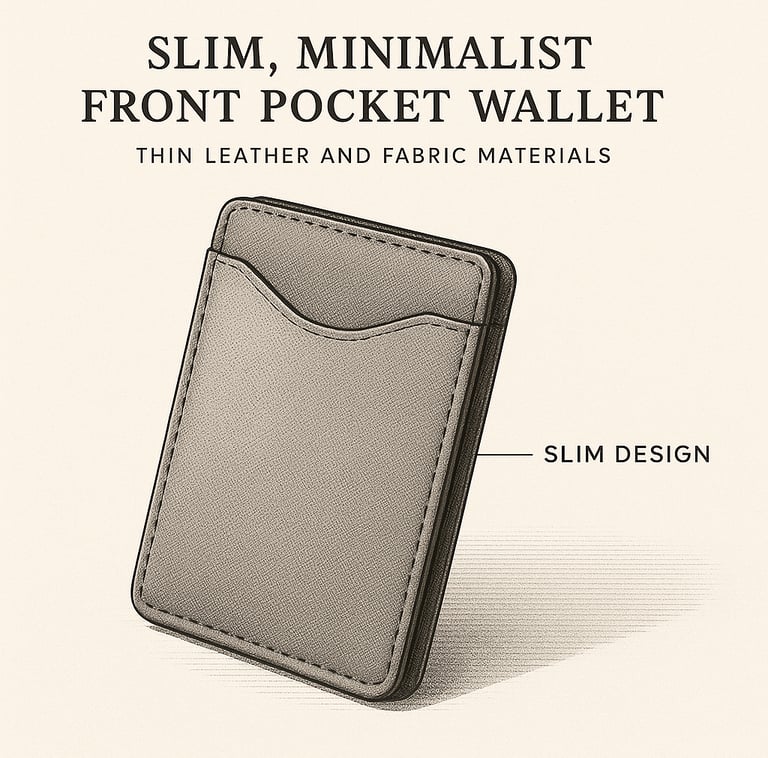
Front pocket wallets are designed with compactness and security in mind. Usually slim and minimalist, they slip into the front pocket where you tend to have more control — and fewer opportunities for pickpockets. These wallets often forgo the bulk of traditional bifolds or thick leather chunks, instead favoring a low profile.
If you want to understand how slim carry works in practice, Minimalist Wallets Explained ties directly into this design approach.
Since you’re less likely to sit on your front pocket, the wear and tear from constant pressure is minimal. What you do feel over time is how the wallet molds or resists molding to the contours of your pocket and thigh. Good front pocket wallets strike a balance between snug security and ease of retrieval, avoiding that awkward fumbling that’s common with smaller, less refined designs.
The real win here comes with comfort after hours of carry. Front pocket wallets rarely cause the nagging prick of high-backed wallets digging into your lower back or hip, which becomes a bigger deal if you’re sitting through meetings, driving, or hunkered down at a coffee shop.
If your daily carry wallet lives mostly in the front pocket, you’ll notice early on how design decisions impact your habits. For instance, a wallet that’s just slightly too thick can create an uncomfortable bulge or cause printing through thinner pants fabric. On the flip side, a well-designed slim wallet almost disappears in your pocket — unlike that mystery gum wrapper you forgot you were carrying until it shows up on your windshield.
What is a Back Pocket Wallet? Features and Benefits
Back pocket wallets are the classics, the kind most of us grew up carrying — larger, typically bifold, and designed for quick access from behind. There’s definitely some charm in the easy reach; when you’re standing or moving around, it can feel less disruptive to pull out the wallet from behind than from your front, especially if your hands are full.
If you want to compare how traditional builds behave, Slim Wallet vs Traditional Wallet highlights the structural differences that impact carry.
But a key downside is how it feels after a full day, especially once you’ve parked yourself in a chair or behind a desk. Sitting on a wallet can lead to pressure points, poking into your lower back or side, and over time it can affect posture. You don’t notice this pain until it’s been building quietly after hours of carry, and by then, it’s a routine discomfort rather than a surprising annoyance.
Wallet durability also takes a hit with back pocket carry. Constant sitting compresses leather or other wallet materials against hard surfaces, accelerating wear and potentially damaging cards stored inside. You’ll often see this in the form of bent cards or creased leather along wallet edges.
That said, back pocket wallets often offer greater storage capacity. If you need to carry multiple cards, receipts, or even a few folded bills without folding your cash, this is where these wallets come into their own.
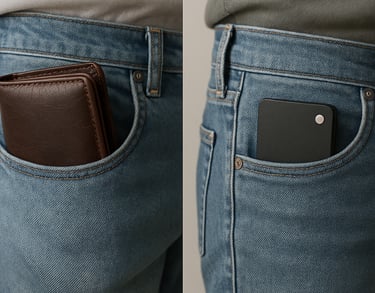
Comfort Comparison: Front Pocket vs Back Pocket
This showdown is where everyday carry comfort becomes personal, and a lot depends on your body type, clothing choice, and daily routine. After all, no wallet is truly comfortable if you’re forcing it into a tight skinny jean pocket or spending hours at a desk with a thick lump behind you.
If you’re struggling with bulk, Why Your Wallet Is Too Bulky directly connects to how carry comfort breaks down over time.
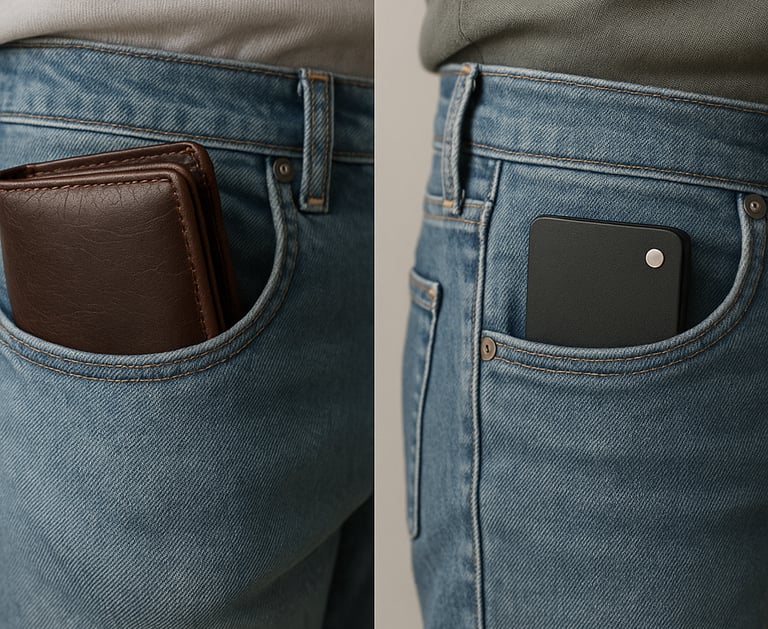
Front pocket wallets track better on comfort largely because they reduce strain. Your front pockets tend to have more give, and you don’t sit directly on them. However, this advantage can disappear when the wallet is too bulky or the material is stiff and unyielding. Put a thick leather wallet in your front pocket and what should feel secure turns into a persistent pressure point against your thigh and groin area.
Back pocket wallets let you access your cards quickly, but after extended wear, this ease comes with a few trade-offs. Sitting down on anything — be it a wallet or a garden gnome — will eventually get unpleasant. The pressure can lead to nerve irritation or what’s colloquially known as “wallet sciatica.” Over many weeks, the wallet can introduce subtle but real back discomfort that you might ignore at first but won’t go away.
Another subtlety is grip fatigue. Front pocket wallets encourage a natural hand movement that supports the wallet as you extract cards. Back pocket carry sometimes means awkward wrist angles, especially if your pockets are shallow or your pants are a tight fit. This makes frequent use a bit more cumbersome and slow — something to consider if your wallet isn’t just sitting there but working overtime daily.
Security and Accessibility Considerations
Securitywise, front pocket wallets hold an edge. Being in your direct line of sight means you’re more aware when it shifts or something slips out. Pickpockets work smooth and fast, usually targeting back pockets when people are distracted and sitting. Front pocket carry diminishes that risk significantly.
If you’re concerned about digital theft alongside physical security, RFID Wallets Do You Need One is worth reviewing.
As for accessibility, back pockets usually win the race. It’s quicker to slip a wallet from behind without flashy reaches or twisting. This is why many people gravitate toward them for short-term convenience.
But convenience has a cost, as mentioned before, with the discomfort and durability problems stacking up. A wallet is something you want to carry without thinking about carrying it, so any sacrifice in comfort just to speed up a card flick isn’t always worth it.
Materials and Construction Differences
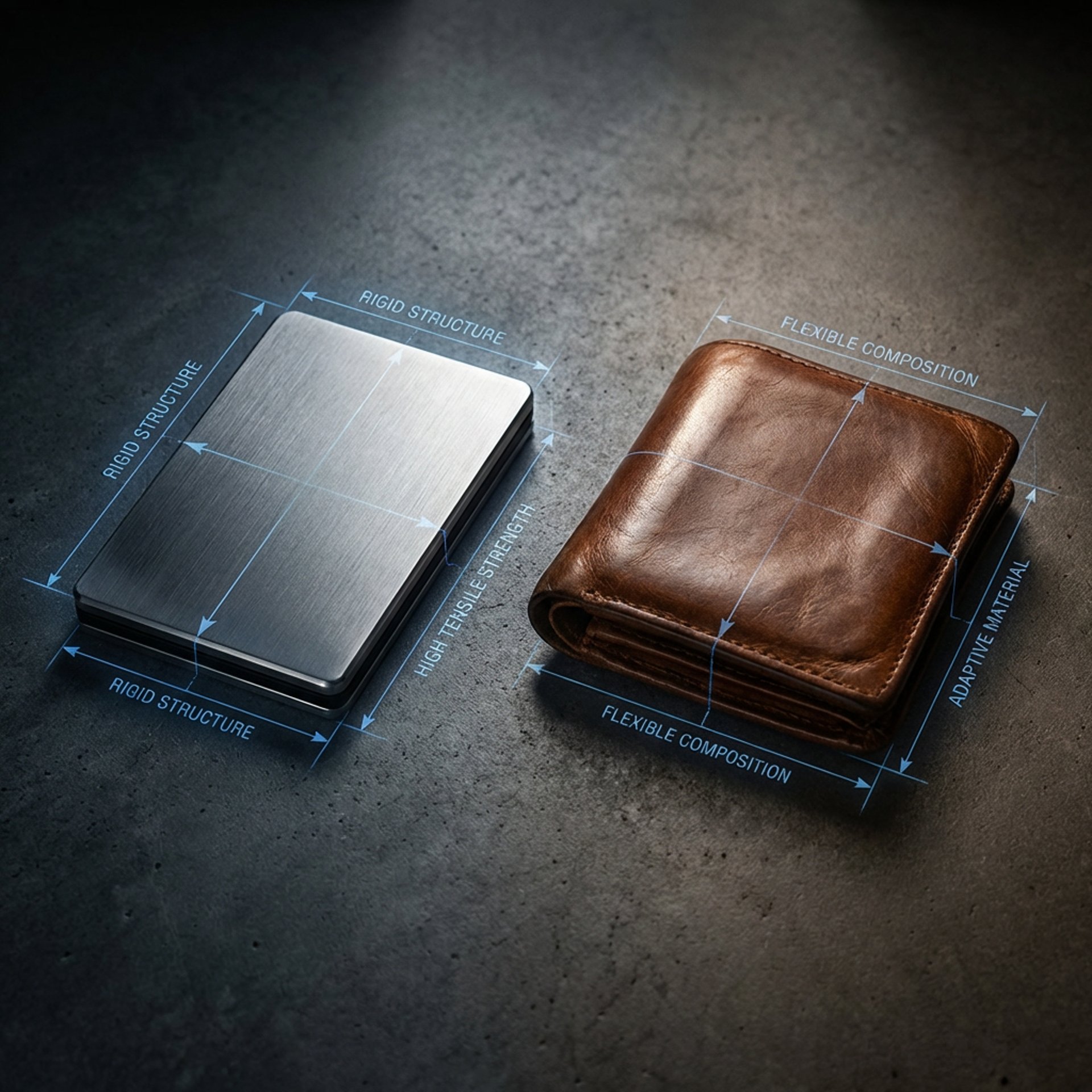
Material choice matters more than wallet style, but it’s particularly critical depending on your preferred pocket. A thick, heavyweight leather wallet is a classic choice for back pockets but may become a handful up front. Meanwhile, lightweight synthetic materials like nylon or metal components can be ideal for front pocket carry, helping minimize bulk while maximizing durability and flexibility.
If you want to understand how materials affect performance, Best Wallet Materials Explained gives a deeper breakdown.
Construction details such as rounded edges, elastic inserts, or RFID-blocking layers can improve utility but also add thickness. RFID protection is a standard feature now in many wallets, regardless of pocket choice, and depending on design, it won’t necessarily add bulk that compromises carry comfort.
If you lean toward front pocket wallets, aim for models with thin profiles, materials that soften over time without losing shape, and enough flexibility to move with your pocket rather than push against it.
Common Mistakes When Choosing Wallet Carry Options
One of the most frequent mistakes when switching to front pocket wallets is bringing along a traditional bulky wallet designed for a back pocket. The front pockets are built for minimalist loads — stuffing that old tri-fold in there causes obvious printing, discomfort, and ruins good fit.
On the flip side, sticking to back pocket wallets without considering the ergonomic impact leads a surprising number of people to back or hip discomfort that creeps up over months. Ignoring this can create long-term posture problems and unnecessary pain.
Another overlooked aspect is clothing fit. Skinny jeans or pants with tight pockets can sabotage even the best wallet design, causing pinching or awkward fits that quickly make you resent your carry.
Finally, assuming one size or style fits all is a common trap. Testing different wallets in both pockets to see how they settle after hours of wear is the simplest step toward finding your sweet spot.
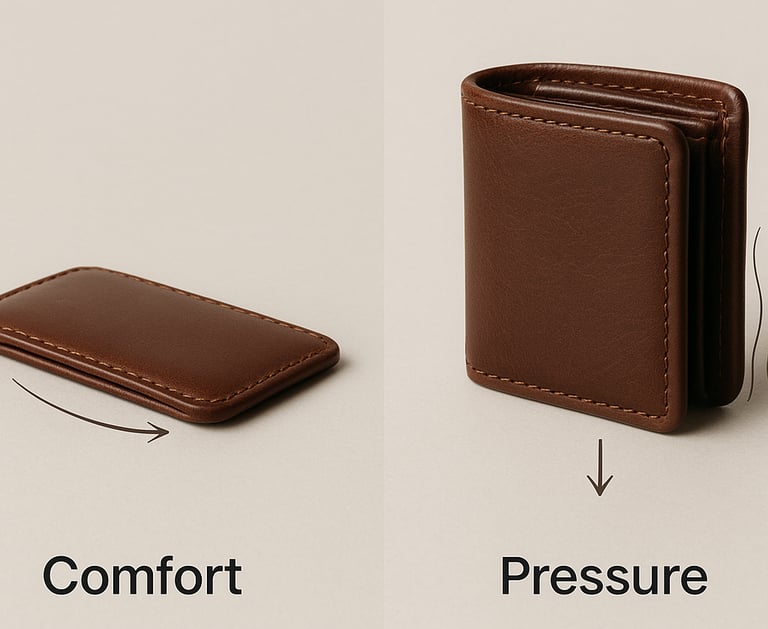
How to Choose the Right Wallet for Your Carry Style
First, consider your daily activities. If you spend long hours sitting and need to prevent discomfort, a slim front pocket wallet is tailor-made. For short, frequent access moments—like quick stops, casual outings, or when you wear looser clothing—a back pocket wallet can be practical.
If you're comparing real-world wallet builds, Ekster Men's Wallet PRO vs Dango Wallet & Document highlights differences in usability and carry style.
Second, think about your clothing style and needs. Dress pants might not accommodate bulky back pocket wallets graciously, while casual wear could handle them with ease.
Third, factor in security. If you're in high-traffic areas or travel frequently, front pocket carry increases wallet safety and peace of mind.
Ultimately, the right wallet supports your lifestyle without becoming a burden, forcing you to schedule in “wallet breaks” or suffer silent discomfort. Try experimenting with different materials and designs in both pockets for a week or two and notice what your body tells you.
FAQ: Common Questions About Wallet Carry Options
What are the main benefits of front pocket wallets compared to back pocket wallets?
Front pocket wallets offer enhanced security against theft and reduce discomfort caused by sitting on a thick wallet.
Are front pocket wallets better for reducing back pain?
Yes, carrying a wallet in the front pocket avoids prolonged pressure on the lower back or hips.
Can I use a regular-sized wallet comfortably in the front pocket?
Generally, standard thick wallets meant for back pockets cause discomfort and visible printing in the front pocket.
Do back pocket wallets increase risk of theft or loss?
They can, as they’re easier targets for pickpockets.
What wallet materials work best for front pocket carry?
Lightweight, flexible materials like thin leather or nylon.
How does wallet thickness affect everyday carry comfort?
Thickness directly impacts comfort and usability in both pockets.
Are slim wallets always better for front pocket use?
Generally yes, though storage capacity may be reduced.
Does RFID blocking work equally well in front and back pocket wallets?
Yes, effectiveness is not dependent on pocket location.
Conclusion
Choosing between a front pocket wallet and a back pocket wallet isn’t just a style question — it’s about how your everyday carry fits into your life comfortably and securely.
If you want to explore wallet options that match your carry style, Best Premium EDC Wallets and Best EDC Wallets Under $50 provide solid comparisons across different needs.
Front pocket wallets shine in security and long-term comfort, especially if your days include lots of sitting or if you want to minimize pickpocket risk. Back pocket wallets offer accessibility and capacity but come with potential trade-offs in comfort and durability.
Pay attention to the details that show up after hours and days of carry: the little discomforts, the way a wallet nestles into fabric, the subtle headaches forgotten in first impressions. A wallet that works well with your body, your clothes, and your habits turns from a mere accessory into an effortless extension of your everyday carry.
Finding the right wallet is less about trend and more about quiet, consistent performance — kind of like a great dad joke. You don’t always notice it, but life’s better with it around.
Contact@TheBuzzHQ.com
© 2026 EDCBuzz. All rights reserved.
EDCBuzz
Master everyday carry systems with clarity and precision. Built for real environments and practical use.
For educational purposes only.
General Inquiries: