
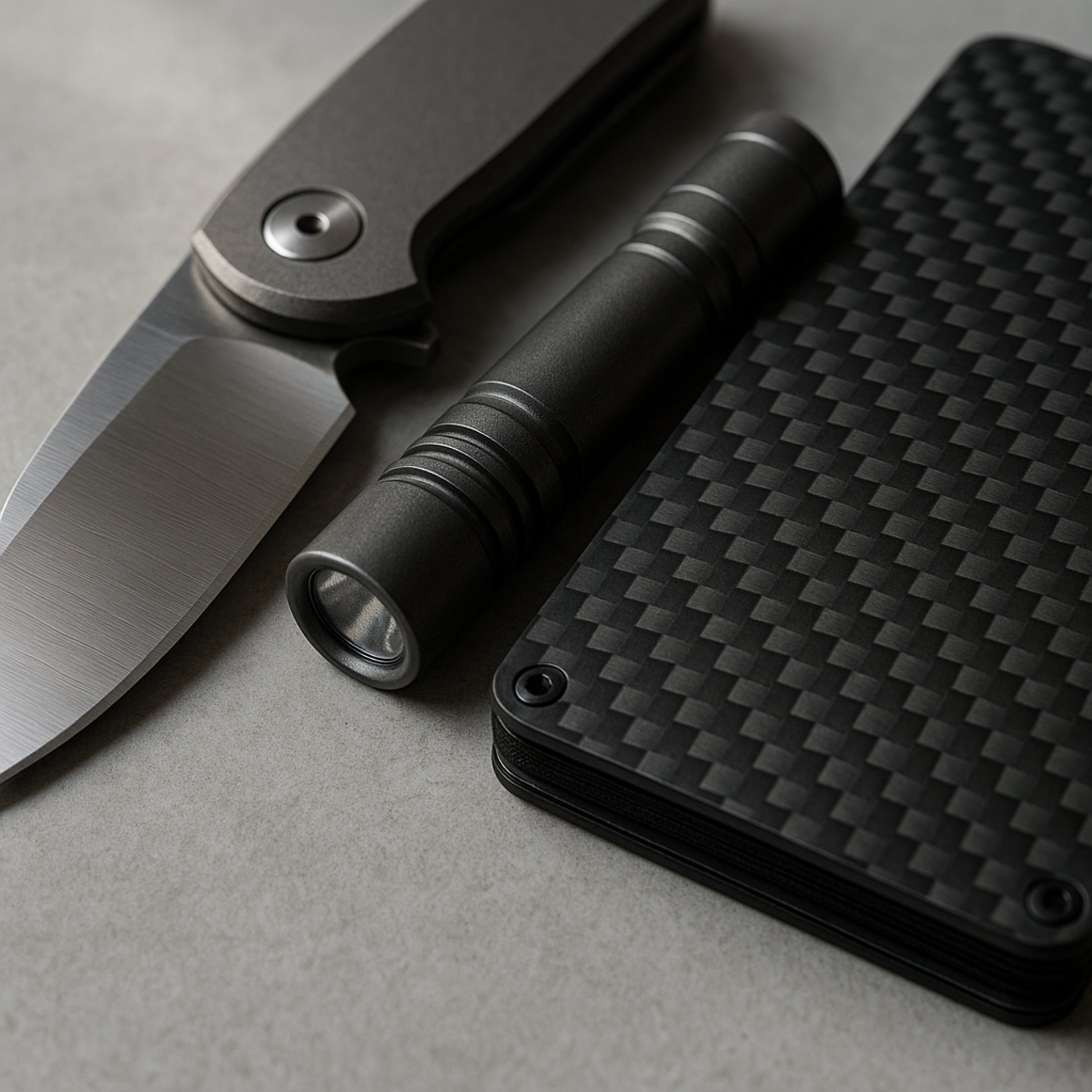
Best Wallet Materials Explained: Which One Suits Your EDC?
Explore the best wallet materials for your everyday carry, balancing durability, comfort, maintenance, and style to find your perfect fit.
EDC WALLETS
The EDCBuzz Editorial Team - Led by AJ “Buzz” Eichman
4/9/20267 min read
Choosing the right everyday carry wallet often comes down to one critical factor: the material it’s made from. Beyond just holding cards and cash, wallet materials impact durability, comfort, how your wallet fits in your pocket, and even style. After carrying a handful of different wallets day in and day out, you notice that the material really defines your experience more than the brand or flashy features. Whether you prefer the timeless appeal of leather, the ruggedness of metal, the sleek lightness of carbon fiber, or the versatility of synthetics, understanding these materials ensures you don’t end up with a wallet that looks great but feels like a brick after a few hours.
In this article, we’ll break down the best wallet materials explained, focusing on durability, comfort, maintenance, and everyday usability. By the time you finish reading, you’ll have a clear sense of the right material for your lifestyle—and maybe even a new dad joke tucked in your pocket.
Quick Verdict
Leather wallets add classic style and soften with use but need care and patience for longevity.
Metal wallets offer solid durability and RFID protection but can weigh you down if you’re not careful.
Carbon fiber wallets impress with ultra-light strength and scratch resistance, though cost is a factor.
Synthetic and fabric wallets balance budget and water resistance, though they can wear faster and lack refinement.
Overview of Popular Wallet Materials
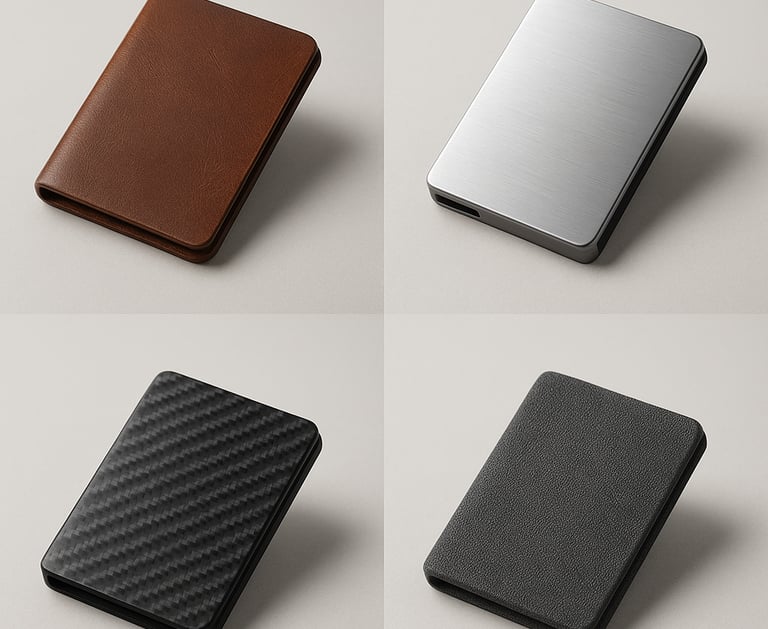
Starting with the obvious, most EDC wallets tend to use one of a few key materials: leather, metal, carbon fiber, or synthetic fabrics. Each has earned a place in the rotation because they handle daily life differently. Some wallets grow softer and more personal with age; others hold their shape like a stubborn mule but threaten to poke you in the ribs when you sit down.
If you’re comparing full wallet builds across materials, Best EDC Wallets Under $50 and Best Metal Wallets are good places to see how these materials show up in real-world designs.
Beyond style, deciding factors turn to how these materials behave with long-term use. How does leather feel after a week of constant pocket pressure? Does a metal wallet make sitting a painful reminder? Is carbon fiber really worth the splash of cash? And just how water-resistant are those nylon blends when you’re caught in a surprise downpour?
Leather Wallets: Pros and Cons
Leather probably tops the list in wallet popularity — it’s classic, familiar, and it develops character over time. After weeks of daily carry, a good leather wallet becomes a unique extension of your hand. The natural flexibility eases card access and lets you slip a few bills without warping the shape dramatically.
If you want to see how leather stacks up directly against other builds, Metal vs Leather Wallets gives a deeper side-by-side comparison.
That said, leather isn’t entirely carefree. It demands occasional upkeep—think of it as the pet rock of wallets, but one that actually needs feeding now and then. Without conditioning, leather gets dry and brittle, especially if you live somewhere with a lot of varying weather. It’s also prone to scuffs and stains, so if you’re the sort to toss your wallet on a rough surface, it will show.
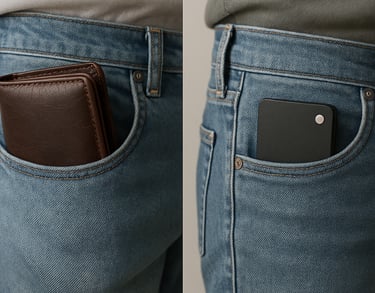
In terms of carry comfort, leather wallets tend to soften nicely over time. Initially, they may feel stiff and bulky, but after a few days, the weight evaporates into your pocket routine. Sit down repeatedly and you won’t get poked, unlike some rigid wallet materials. One minor note: leather wallets can absorb moisture, making them a less than ideal match if you’re routinely caught in rain or prone to sweaty pockets.
Metal Wallets: Durability vs Comfort
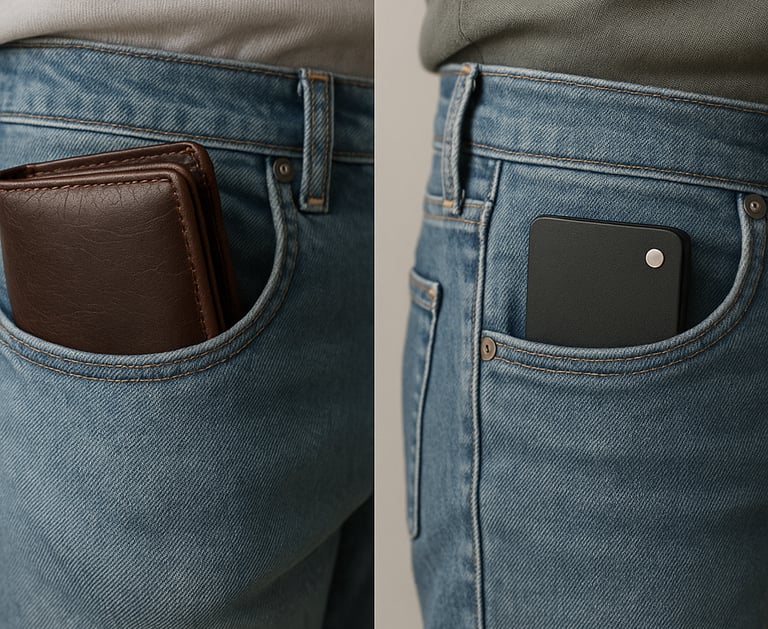
Metal wallets promise rugged durability and a bit of style served with a dash of high-tech security—often including RFID blocking to keep your cards safe from electronic pickpocketing. But all that strength comes with a trade-off in comfort. Carrying a metal wallet is a different experience than leather or fabric; it’s noticeably heavier, and because the material is rigid, it doesn’t conform to your pocket or body shape.
If RFID protection is a major concern, RFID Wallets Do You Need One breaks down when it actually matters in everyday carry.
After a full day, the extra weight becomes tangible—not necessarily a dealbreaker, but something you’ll notice every time you sit or shift. If you tend to ride shotgun in a car or bike frequently, expect a sharper reminder that you’re packing metal in your pocket.
In terms of durability, metal wallets resist wear and tear like champs. Scratch-resistant finishes on aluminum or titanium models help them look fresh even after months of use. However, their weight and rigidity mean they work better with minimal carry loads. Overloading them can lead to discomfort and make accessing cards a bit tedious.
Carbon Fiber Wallets: High-Tech Lightweight Option
If your wallet goals revolve around something sleek, lightweight, and super durable, carbon fiber wallets might be calling your name. Made from woven carbon strands known for exceptional strength-to-weight ratio, these wallets offer a near indestructible feel without weighing you down.
If you’re comparing modern wallet builds, Ridge Wallet vs Trayvax Contour Wallet highlights how high-tech materials are used in real-world products.
Unlike leather, carbon fiber won’t soften over time—it just stays firm, maintaining a slim profile no matter how long you carry it. After weeks in the pocket, you won’t notice any loss of shape or integrity, and sitting down doesn’t bring any poking or discomfort thanks to the way carbon fiber distributes pressure.
That said, carbon fiber wallets lean on the expensive side and shy away from the warm, classic feel some prefer in an everyday carry wallet. They’re also mostly resistant to water and stains, making maintenance virtually nonexistent, but if you like that aged leather patina, this won’t give it to you.
Synthetic and Fabric Wallets: Budget and Versatility
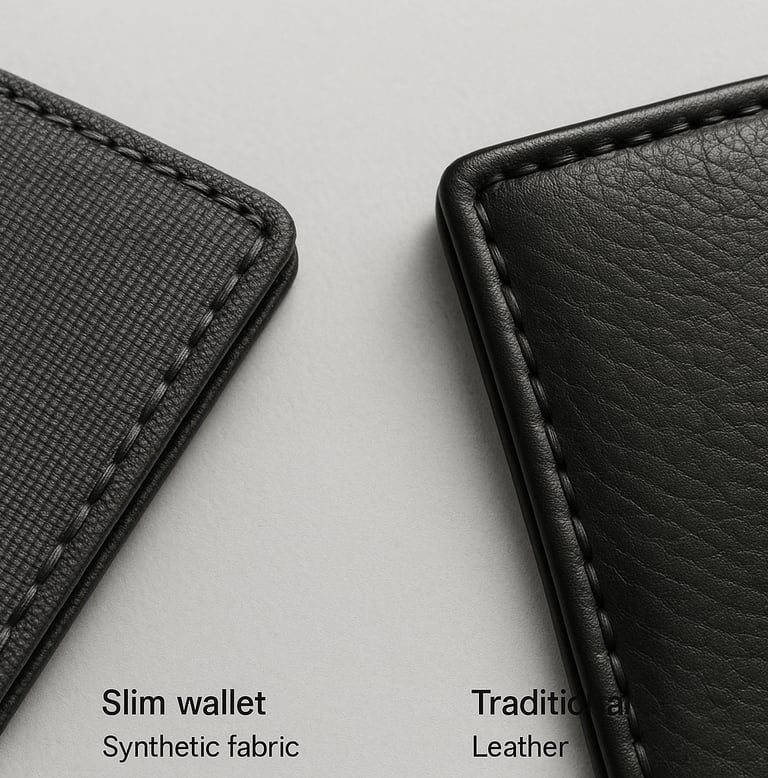
Ballistic nylon and canvas wallets fill a unique niche for those who value lightweight, water-resistant options on a budget. After regular use, these materials tend to soften quickly, molding to your pocket and becoming almost unnoticeable. Water resistance is a practical benefit here—rather than gripping your wallet when wet, these materials shed moisture quickly.
If you want to keep your carry lean and avoid bulk buildup, Why Your Wallet Is Too Bulky helps identify common issues with overstuffed wallets.
The downside? Fabric and synthetic wallets often show wear more readily, with fraying edges or fading colors after extended use. They rarely provide the refined look of leather or the impressive rigidity of metal or carbon fiber, but they do a solid job for rugged outdoor users or those who want a straightforward, functional wallet.
Comfort-wise, fabric wallets usually rank high. Their flexibility and light weight mean you can overstuff slightly without the wallet turning into a rock in your pocket. But, overtax fabrics too often and you might find seams giving way or material stretching, so there’s a balance to strike.
Factors to Consider When Choosing Wallet Material
Picking the right wallet material is more than just matching your style. After living with various wallets, the factors that truly define your preference become clearer:
Durability: If you’re hard on your gear, metal or carbon fiber will hold up much longer, while leather and fabrics might need some care or replacements.
Comfort in Pocket: Think about where you carry your wallet and how often you sit or move. A rigid wallet can become a nuisance faster than you expect.
Maintenance: Leather demands upkeep, synthetics are pretty low maintenance, and metals or carbon fiber mostly need a quick wipe down.
Capacity: Material flexibility affects how much you can comfortably carry. Leather stretches slowly, fabrics are more forgiving, but metal and carbon fiber stay fixed.
RFID Protection: Many metal and carbon fiber wallets offer built-in RFID blocking, so if that’s a priority, material choice matters here.
How to Care for Different Wallet Materials
Taking care of your wallet material goes a long way toward extending its life and comfort. Leather wallets benefit from regular conditioning with specific leather treatments, which keep the material supple and help fend off cracks. Avoid soaking leather or exposing it to constant moisture.
Metal wallets are easy on care—typically just a wipe with a soft cloth to keep finishes pristine, and checking screws or clips for tightness in some models. Just avoid harsh abrasives that can scratch finishes.
Carbon fiber wallets mostly resist stains and water, so routine wiping down is usually enough. Synthetic wallets can be hand washed or spot cleaned, though too much scrubbing might damage coatings.
Treat your wallet the way it deserves: a reliable daily companion, not a disposable gadget.
Common Mistakes When Choosing Wallet Materials
It’s easy to pick a wallet material based on looks alone, only to realize discomfort or maintenance drain your enjoyment by week two. Here are some common missteps:
Choosing style over durability and pocket comfort.
Ignoring weight and rigidity, especially with metal wallets.
Assuming leather is low-maintenance.
Overloading slim wallets made from rigid or fabric materials.
Forgetting about RFID protection if electronic security is important.
Frequently Asked Questions about Wallet Materials
What is the most durable wallet material for everyday use?
Metal and carbon fiber wallets generally offer the highest durability.
Are metal wallets uncomfortable to carry daily?
They can be, especially if you sit on your wallet often.
How does carbon fiber compare to leather wallets in terms of maintenance?
Carbon fiber is easier to maintain, while leather requires conditioning.
Do synthetic wallets offer good water resistance?
Yes, they often have water-resistant coatings.
Can leather wallets hold up well in wet conditions?
Not ideally. Leather absorbs moisture and can be damaged.
What should I consider when choosing a wallet material for heavy card users?
Look for materials that hold shape under pressure or flexible materials that won’t overstretch.
Is RFID protection built into all metal or carbon fiber wallets?
Not all—always verify before purchasing.
How do wallet materials affect comfort when sitting or moving?
Rigid materials can cause discomfort, while flexible materials conform better.
Conclusion
After carrying a range of wallets through everyday life, it’s clear that the material you choose will quietly dictate much of your daily experience.
If you want to explore full setups built around these materials, the EDC Wallets pillar ties everything together into a complete system.
Leather wallets deliver great style and comfort once they break in, but require care and won’t love the wettest days. Metal wallets stand tough and protect against RFID threats, yet their weight and rigidity can become a reminder every time you sit. Carbon fiber offers the best of lightness and durability, though you’ll pay a premium and miss the classic leather feel. Meanwhile, synthetic fabrics offer budget-friendly, water-resistant options that suit casual or outdoor users but may show wear sooner.
Ultimately, the best wallet materials for your EDC are the ones you’ll carry every day without a second thought—comfortable, functional, and durable for your specific routine. Pick wisely, maintain well, and your wallet will be your trusted companion, not just another pocket bulge. And if it manages to spark a quiet dad joke or two along the way, well, that’s just icing on the cake.
Contact@TheBuzzHQ.com
© 2026 EDCBuzz. All rights reserved.
EDCBuzz
Master everyday carry systems with clarity and precision. Built for real environments and practical use.
For educational purposes only.
General Inquiries: