
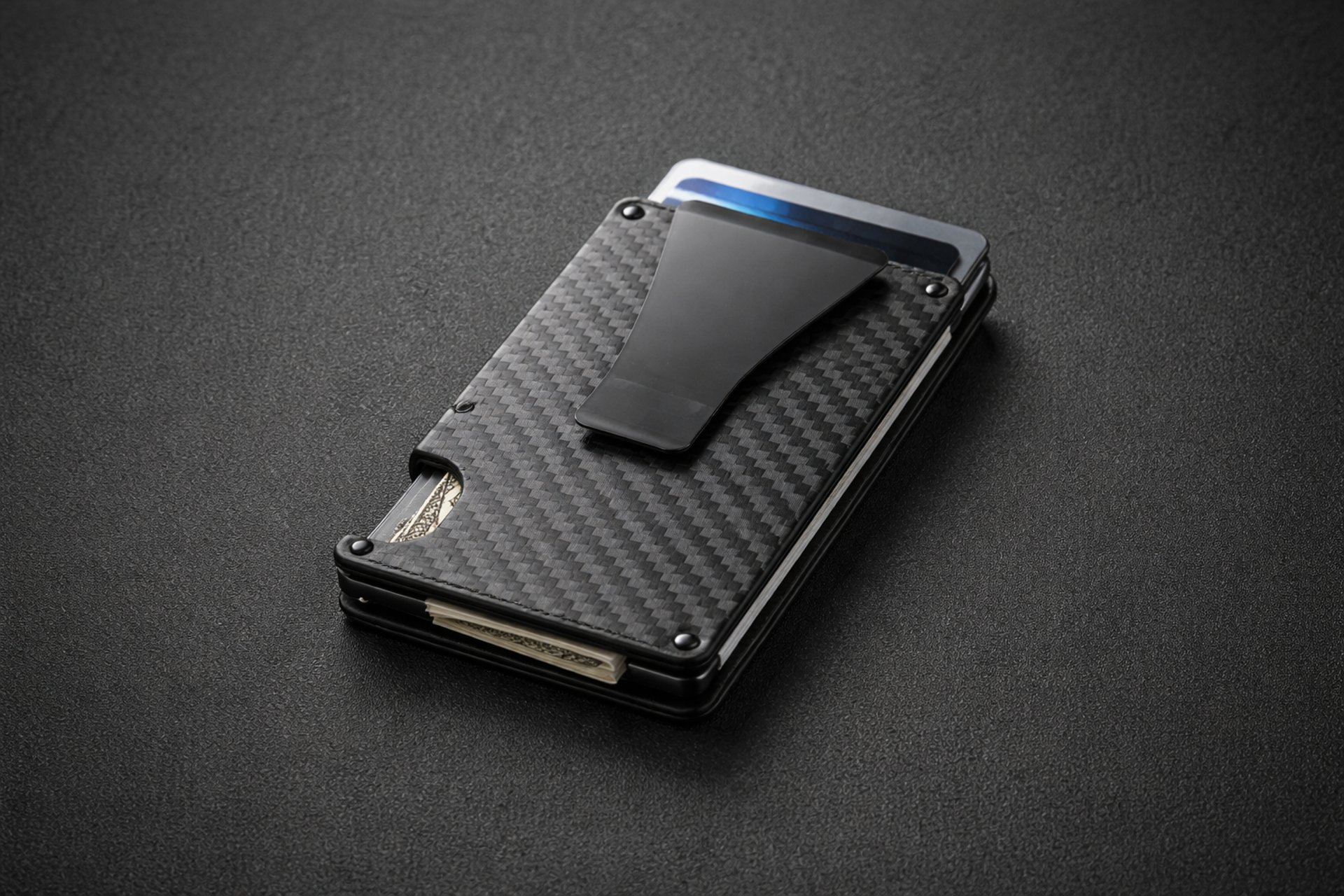
Why Your Wallet Is Too Bulky — And How to Fix It
Discover why your bulky wallet becomes uncomfortable over time and learn practical tips to reduce wallet bulk for everyday comfort and style.
EDC WALLETS
The EDCBuzz Editorial Team - Led by AJ “Buzz” Eichman
4/9/20267 min read
There comes a point when your everyday carry wallet stops feeling like a handy companion and starts to feel more like a brick in your pocket. You might not notice it right away — maybe it’s just a slight discomfort after a long day sitting down, or a little extra weight that didn’t bother you much at first. But after living with it for weeks, that bulky wallet definitely becomes a character of its own, and not the sort you want inviting attention. So why does this happen? And more importantly, how do you get rid of that excess heft without losing the essentials?
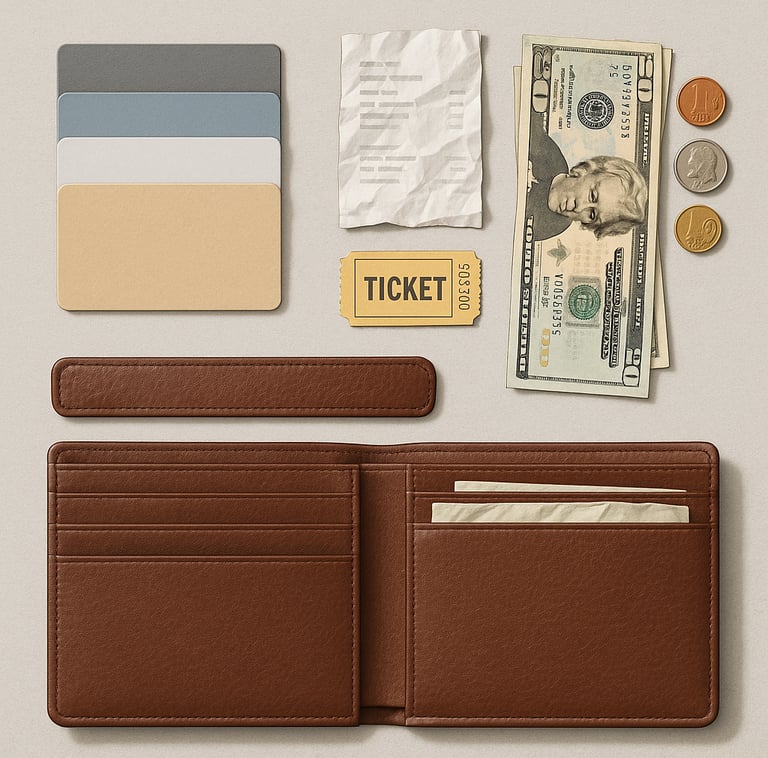
Most everyday carry wallets grow bulky because they carry more than just the important stuff. Cards, cash, receipts, tickets, expired loyalty cards—you name it. Over time, all this “just in case” clutter pushes the wallet’s size beyond what’s comfortable to carry daily. And once that bulk settles in, it affects everything: the wallet’s feel in your pocket, the way it shifts while you move, and even the clothes you wear—their pockets take the brunt and may wear unevenly.
If you want your wallet to be a model citizen in your pocket rather than a burdensome neighbor, you need to tame the excess. Here’s the lowdown from someone who has lived that slightly overstuffed life and came out the other side.
Quick Verdict
Most wallets balloon unnecessarily due to excess cards, cash, and uncurated clutter.
Slim and minimalist wallets offer better everyday comfort without sacrificing function.
Regularly pruning wallet contents and organizing by use frequency keeps bulk in check.
Digital alternatives for loyalty and membership cards can be surprisingly effective at reducing physical load.
Common Causes of Wallet Bulk
The first step to fixing the problem is understanding why your wallet feels like it gained a few pounds overnight. Spoiler: It’s rarely your fault for suddenly collecting heavyweight cards, but mostly a slow accumulation of things that once seemed important.
Excess Cards
The average person carries around a dozen cards or more. Credit cards, debit cards, IDs, insurance cards, membership and loyalty cards, gift cards—even expired ones tend to hang around longer than they should. Every card adds thickness. After a day of use, the stack isn’t just a neat pile; it’s a slightly rounded, uncooperative bundle.
If you're trying to dial in the right number, How Many Cards Should You Carry directly addresses how to prevent this buildup.
Receipts and Tickets
It’s easy to toss receipts and tickets in your wallet with the vague idea of managing them later. Weeks often turn into months of untreated paper stockpiling. These little pieces don’t just take up space; they make the wallet uneven and prone to bulging in funny places.
Cash Overload
While having cash on hand is practical, carrying too much can be a subtle driver of bulk. Bills folded over multiple times or a handful of coins jumbled in a compartment thicken the wallet more than most real estate agents would approve.
Wallet Design
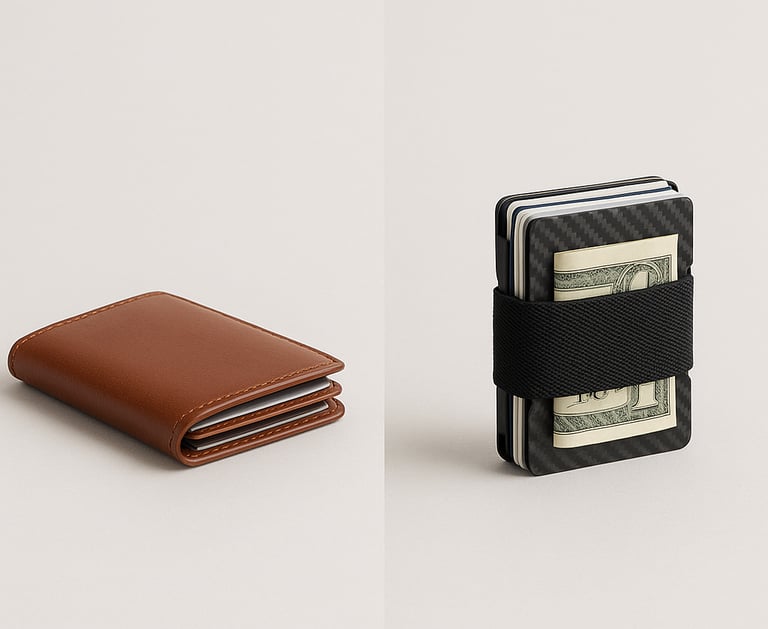
Traditional bifolds and trifolds aren’t wrong — they offer plenty of space — but each fold adds layers. When loaded with contents, they expand outward into a shape that fights with your comfort and clothes.
If you’re comparing different carry styles, Slim Wallet vs Traditional Wallet helps clarify how design impacts bulk.
How Wallet Size Affects Everyday Comfort
After carrying a bulky wallet for a while, you start noticing changes in how your daily gear behaves. Sitting down might become a minor ordeal, with that uncomfortable jolt reminding you something’s in that back pocket. You might feel a slight pressure point on your hip, or find your pants sag a bit where the wallet lives. It’s not crippling, but it’s persistent.
If pocket placement is part of the issue, Front Pocket vs Back Pocket Wallet plays a major role in comfort.
Moreover, a bulky wallet can wear out your pocket lining prematurely. You might also notice your wallet develops an odd shape, rarely smoothing back into a comfortable form even when emptied. That’s the wallet equivalent of picking up a bad habit, and it’s hard to shake.
Tips to Reduce Wallet Bulk Effectively
Cutting down your wallet isn’t rocket science, but it takes some discipline and thoughtful choices. Here’s what experience has taught me about slimming down a wallet without losing what matters.
Audit Regularly and Ruthlessly
Every once in a while, empty the wallet completely. Go through each card and piece of paper and ask, “Have I used this in three months?” If not, it’s time to retire it. Also, toss out crumpled receipts, expired cards, and redundant tickets.
Choose Cards Wisely
You don’t need every membership or store card on hand daily. Digital alternatives (more on that later) can hold the place for many of them. Limit yourself to essentials: primary credit/debit cards, ID, and any frequently used membership cards.
Embrace a Slim Wallet or Cardholder
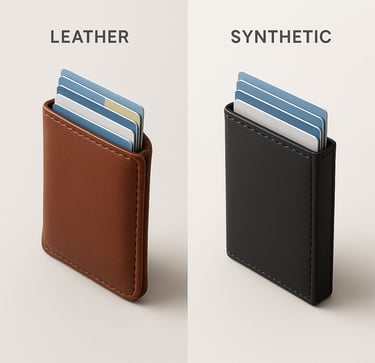
Traditional wallets aren’t inherently bad, but minimalist wallets designed with slim profiles and premium materials tend to settle better into everyday carry.
If you’re exploring options, Best Minimalist Wallets and Best EDC Wallets Under $50 offer solid starting points for reducing bulk.
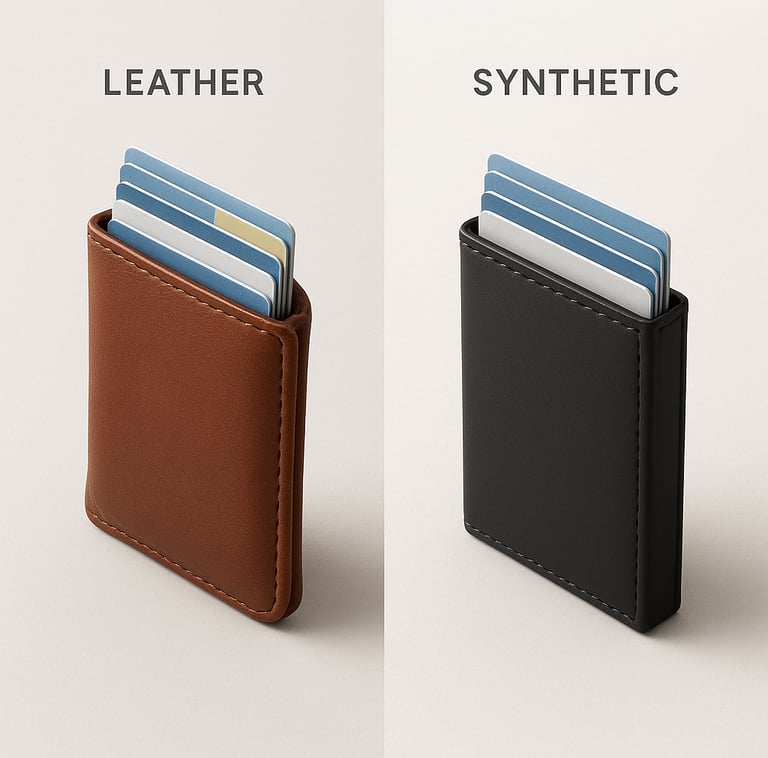
Materials like leather, carbon fiber, or high-grade synthetics both reduce thickness and stand up to wear. Elastic band cardholders can also do wonders, holding fewer cards tightly.
Organize by Frequency of Use
Put the cards you use most often in the easiest-to-access spots. This reduces the need to carry everything just in case, which usually multiplies bulk.
Carry Only Small Amounts of Cash
If you must carry cash, fold a few bills neatly and avoid bulky coins in the same compartment. Having a slim cash clip or dedicated small pouch keeps things tidy.
Digital Alternatives to Physical Cards
One underrated way to reduce wallet bulk is to move certain cards into your phone. Apps from many retailers offer digital loyalty and membership cards that scan just like physical ones. Apple Wallet and Google Pay also allow storing IDs, tickets, and boarding passes.
If you’re weighing whether physical cards are still necessary, RFID Wallets Do You Need One helps frame modern carry and security.
While it’s not perfect—your phone must be charged and accessible—it’s an easy way to dodge a handful of cards or paper with minimal fuss.
Differences Between Slim and Minimalist Wallets
“I want it slim.” Fair enough, but there is a subtle difference between slim wallets and minimalist wallets.
Slim Wallets
Slim wallets are generally just thinner versions of traditional wallets. They often preserve card slots and compartments but use slimmer construction or fewer layers.
Minimalist Wallets
Minimalist wallets strip down the content and structure to absolute essentials. Usually, they have a handful of card slots or elastic bands to hold 4–8 cards maximum, sometimes with a small spot for folded cash.
If you want a deeper breakdown of minimalist carry philosophy, Minimalist Wallets Explained ties directly into this section.
Choosing between the two depends on how much you realistically carry daily and your tolerance for abandoning clutter.
Materials and Construction Affecting Wallet Thickness
Leather remains a classic for its durability and comfortable pocket feel, but not all leathers are equal. Thicker hides and multiple layers add bulk over time.
If you want to understand how material impacts thickness and long-term use, Best Wallet Materials Explained gives a full breakdown.
Metal wallets, carbon fiber, and synthetic fabrics can offer slimness and durability at once, but they tend to have a different pocket feel—either rigid or smooth—and may add some weight despite being thin.
Construction matters too. Stitched wallets often last longer and hold their shape better than glued ones, which tend to lose structure and create uneven edges after prolonged use.
Organizing Your Wallet for Practical Use
A well-organized wallet isn’t just easier to carry; it helps avoid the “grab-everything” syndrome. Here’s what works after a few weeks of using it daily:
Prioritize essential items in dedicated slots.
Keep the wallet tidy—no receipts or random papers slipping between cards.
Consider folding bills carefully and storing them in a way that doesn’t add unnecessary bulk.
This kind of organization also means less time digging for your ID or a frequently used card, saving you minor moments of frustration throughout the day.
Common Mistakes
Carrying every card or receipt ""just in case"" without periodic evaluation.
Clinging to traditional bulky bifold or trifold wallets without testing slimmer alternatives.
Ignoring wallet ergonomics.
Choosing wallets solely based on style.
Not adapting to changes in your carry habits.
FAQ
Why does my wallet keep getting bulky even though I don’t carry many cards?
Often, small things like receipts, expired cards, or folded cash add up unnoticed.
What is the difference between a slim wallet and a minimalist wallet?
Slim wallets are thinner versions of traditional wallets, while minimalist wallets drastically reduce capacity.
How many cards should I carry daily to avoid bulk?
Carrying 4 to 6 cards typically strikes a good balance.
Are metal wallets better for reducing size and wear?
They can be slim and durable but may feel rigid or heavy.
How can I digitally store loyalty cards to avoid physical copies?
Retail apps, Apple Wallet, and Google Pay are common solutions.
Does carrying cash make wallets bulky, and what is the ideal amount to carry?
Yes, excess cash adds bulk. Carry a small amount for emergencies.
What materials make wallets slimmer and more durable?
Thin leather, synthetics, carbon fiber, and some metals.
Can organizing my wallet differently really reduce its bulk?
Absolutely. Organization plays a major role in maintaining a slim profile.
Practical Conclusion
Your wallet is fundamentally a tool, one you trust to keep your essentials safe and accessible every day. When it gets bulky, it becomes an inconvenience rather than an asset. Real-world use shows that slimming down requires more than just picking a new wallet—it demands habit changes and regular maintenance.
If you want to build a complete system around comfort and efficiency, the EDC Wallets pillar ties everything together.
After a few weeks of carrying a well-edited set of cards and cash in a thoughtfully chosen slim wallet, the difference is clear. The wallet fades into the background of your pocket, comfort returns, and there’s no awkward bulge disrupting the fit of your jeans or pants.
And if you ever find yourself missing an unused card, that’s just a reminder to keep it in a dedicated drawer at home, not in your pocket all day long. After all, an everyday carry wallet should carry just what you need every day—nothing more and nothing less.
Who knew a little less weight could make such a heavy difference?
Contact@TheBuzzHQ.com
© 2026 EDCBuzz. All rights reserved.
EDCBuzz
Master everyday carry systems with clarity and precision. Built for real environments and practical use.
For educational purposes only.
General Inquiries: