
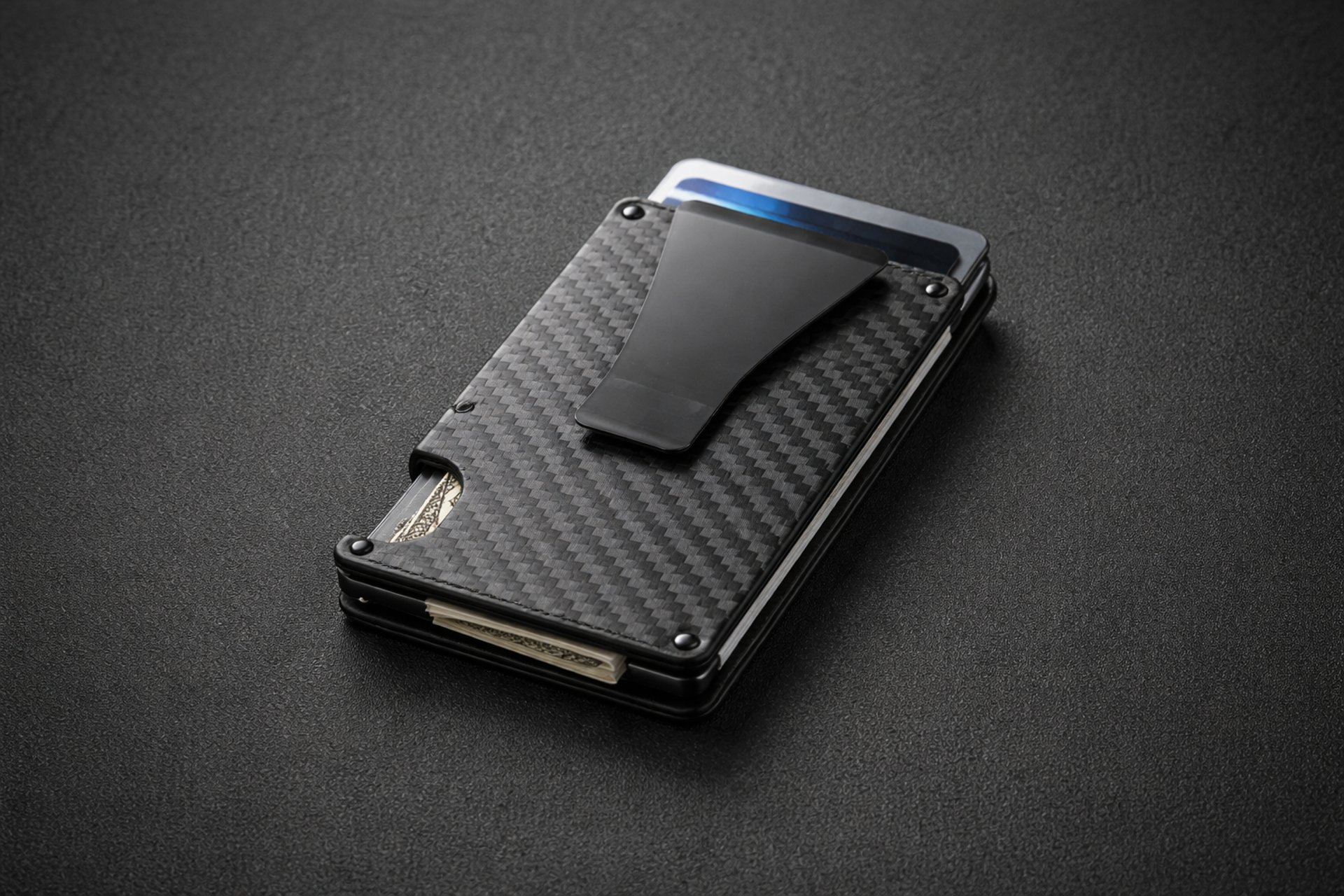
How to Choose an EDC Wallet: A Practical Guide
Discover how to choose the perfect EDC wallet by focusing on size, materials, and features for daily comfort and durability.
EDC WALLETS
The EDCBuzz Editorial Team - Led by AJ “Buzz” Eichman
4/9/20268 min read
Carrying a wallet is one of those daily rituals that never really gets an upgrade until something better comes along—or until your back pocket screams louder than your morning coffee. Choosing the right everyday carry (EDC) wallet isn’t just about looks or brand prestige; it’s about how the thing performs once it’s been rubbing against your thigh during rush hour, fitting comfortably while you’re seated, and holding your essentials without turning into a bulging nuisance. This practical guide is about breaking down the real factors that matter: size, materials, durability, and features. After living with more than a handful of wallets—some that made the cut and others that quietly retired—I’m here to share what I’ve noticed over weeks of actual carry.
Quick Verdict
The best EDC wallet balances slimness with enough space for your everyday cards and cash, without pushing your pocket’s limits.
Material choice directly influences durability and pocket feel; leather offers style but demands care, while synthetics often resist water and wear better.
Features like RFID blocking and easy card access matter more than you think once you’ve fumbled through a bulging mess in a hurry.
Avoid skipping the wallet’s closure and card organization: these are the small details that save you fumbling time and accidental drops.
What Is an EDC Wallet and Why It Matters
An EDC wallet is designed to be your daily companion—not just a fancy accessory handed down for special occasions. It’s a compact, practical wallet that balances convenience, durability, and capacity so you can carry what you need without carrying a headache. Unlike your occasional big leather bifold or oversized organizer, an EDC wallet shows up every day, seated and standing with you alike. Over time, it’s the little things you notice: how much it prints through your clothes, how it shifts or stays put in your pocket, how the edges wear where you don’t see, and whether the cards slide in and out without demanding a wrestling match.
If your wallet isn’t playing nice with your lifestyle, you will stop carrying it—or worse, start carrying it somewhere inconvenient. For example, I once carried a wallet that was perfectly fine for an office day but unbearable for weekend errands where I needed quick card access. Finding the right EDC wallet means understanding what daily life demands of your carry gear.
If you’re dealing with bulk issues already, Why Your Wallet Is Too Bulky connects directly to how poor wallet selection shows up in daily use.
Key Factors to Consider: Size, Materials, and Features
Size is the silent negotiator in your pocket’s comfort level. Carry a wallet too thick or wide, and it will remind you several times a day—especially when you sit down or lean back. After a handful of days, the weight and bulk are hard to ignore. Slim wallets, which typically stay under 1 cm thick, shine in this arena but often require compromise in capacity. On the flip side, traditional wallets can hold more but push you toward the dreaded pocket bulge.
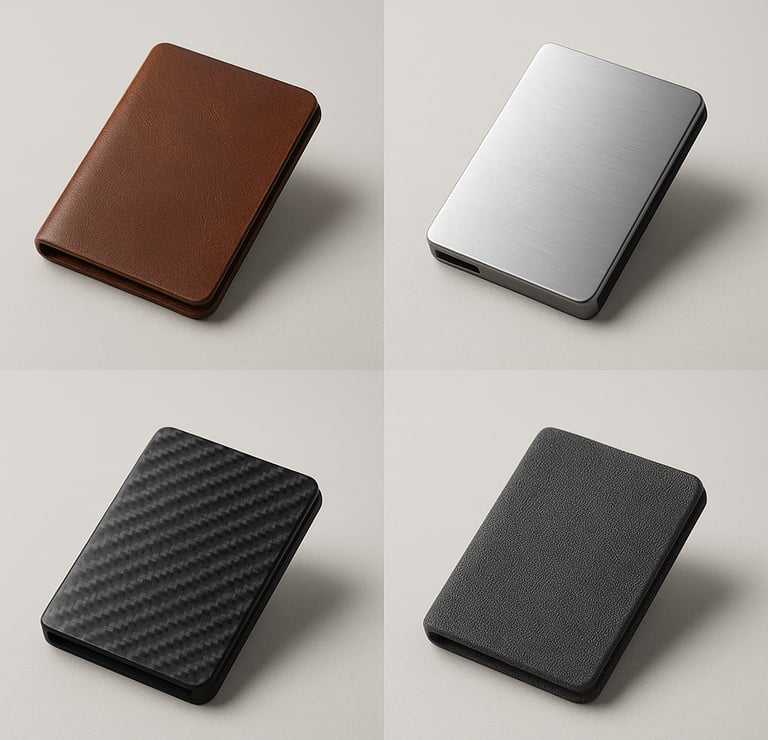
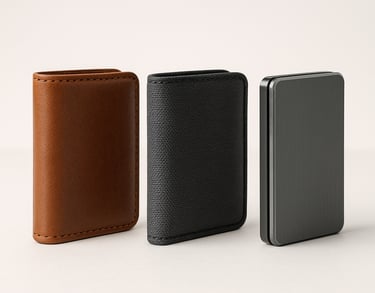
Materials play a huge role in both aesthetics and durability. Genuine leather, for instance, ages with character but demands occasional care and patience if you want it to last. Nylon and polyester wallets, meanwhile, are often lighter and more water-resistant, making them better companions for more active or outdoor-heavy days. Metal wallets, usually aluminum or titanium, can be durable and bring built-in RFID protection—but they tend to add noticeable weight and stiffness, not to mention a chilly feel against your skin on colder days.
If you want a deeper breakdown of materials, Best Wallet Materials Explained ties directly into this decision process.
Key features to look for depend on your daily flow: RFID blocking is a handy anti-theft bonus for many, but it can cause added thickness. Organization matters too—wallets with well-thought-out card slots, quick-access pockets, and secure closures streamline your day. Remember, a zipper or snap might add a slight layer of security but could also complicate smooth access.
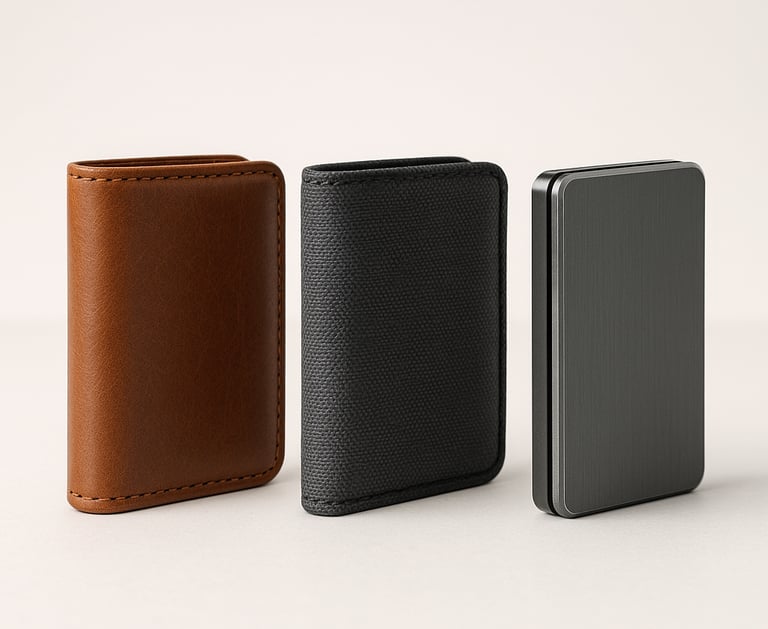
Popular Wallet Materials: Pros and Cons
Leather wallets often top the style charts for EDC wallets, and rightly so. They break in nicely, developing a patina that’s uniquely yours. However, they require some upkeep. Without it, leather can dry out, crack, or lose its shape faster than you’d like. Also, thicker leather wallets tend to hold their shape, which is great for flipping through cards but can cause pocket fatigue if the wallet is overloaded.
If you want to compare how materials behave in real builds, Metal vs Leather Wallets offers a direct comparison.
Synthetic fabrics—nylon, polyester, Cordura—offer toughness and water resistance right out of the box. These wallets stand strong against scuffs and the occasional rain, perfect for folks who switch between office chairs and hiking trails. They usually weigh less but can look less formal. Stitch quality on these materials is a make-or-break element: cheap stitching means your wallet won’t last long, no matter how tough the fabric.
Metal wallets bring an entirely different set of trade-offs. Aluminum is popular for its combination of rigidity and lightness, while titanium offers superior strength but at a premium price and a bit more bulk. Metal wallets often include RFID blocking by default, which is useful if you carry contactless cards. Personally, though, after carrying one for a while, I can say they don’t exactly disappear in your pocket—they have presence, like a polite but persistent guest.
If you’re questioning metal durability vs usability, Are Metal Wallets Bad for Cards is worth reviewing alongside this section.
Slim Wallets vs. Traditional Wallets: Which Is Right for You?
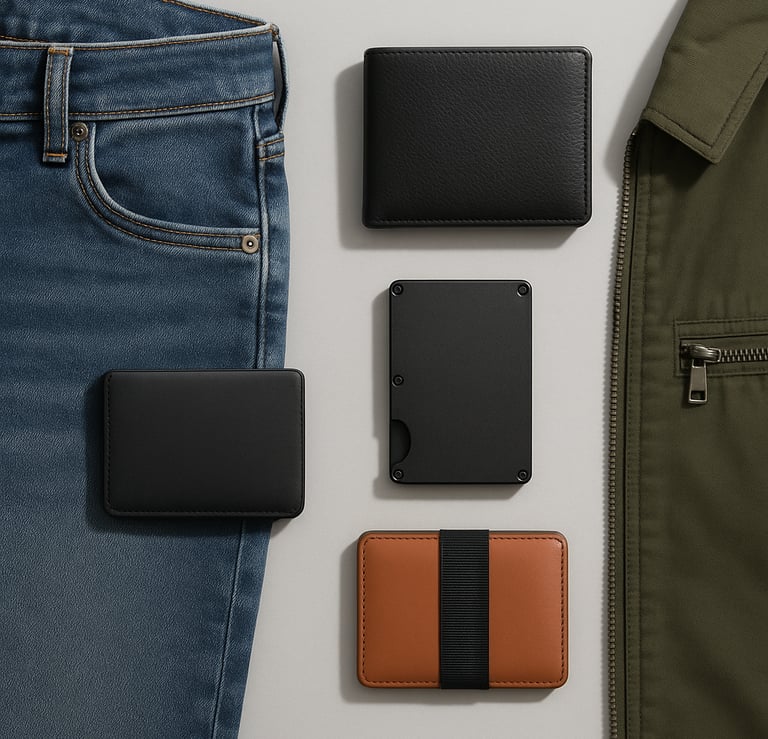
Picking between slim and traditional wallets is mostly a question of what your daily essentials look like. Slim wallets are great for cutting down on bulk and dealing with front-pocket carry or tight jeans. They keep you aware of what you’re carrying and often force you to declutter. But pushing slim wallets beyond their designed capacity invites card wear and discomfort. I once overloaded a slim wallet with receipts and expired loyalty cards—bad idea. The wallet lost shape, and card edges started bending, making getting them in and out a daily chore.
If you want to compare styles directly, Slim Wallet vs Traditional Wallet provides a full breakdown.
Traditional bifolds or trifold wallets shine if you carry a mix of cards, cash, and maybe a few receipts or small papers regularly. They often feel more robust but will visibly bulk up your pocket. The question then becomes: how much extra size are you willing to tolerate, given the utility you get?
Essential Features to Look for in an Everyday Carry Wallet
When you dig past the material and style, these functional features make or break the user experience:
RFID Blocking: Protects you from electronic pickpocketing. If you travel frequently or carry multiple contactless cards, this could give you peace of mind without adding much bulk.
Quick Card Access: Whether it’s a thumb slot or a pull-tab, easy access to your most-used cards saves valuable seconds daily.
Secure Closures: Snaps, magnets, zippers, or elastic bands help keep your contents in place—especially if your carry style involves commuting, frequent movement, or outdoor activities.
Organized Card Slots: Separating cards by frequency of use or category helps avoid fumbling, and some wallets include hidden compartments for emergencies.
Cash Handling: If you carry bills regularly, consider how the wallet keeps notes folded or flat. Some slim wallets struggle to accommodate cash without crumpling.
If RFID is a deciding factor, RFID Wallets Do You Need One gives context to whether it actually matters for your carry.
Maintenance Tips to Extend the Life of Your Wallet
Every wallet expects a little care, though maintenance varies widely by material. Leather requires periodic conditioning with wax or balm to prevent drying and cracking. Synthetic wallets benefit from simple cloth wipes and keeping them dry when possible. Metal wallets generally need occasional polishing but watch for scratches—you will notice them, although the wallet will keep functioning just fine.
Another often-overlooked tip is not to overload your wallet. Overstuffing wears stitches, stresses closures, and forces materials to stretch beyond their designed limits—a classic case where trying to “carry it all” reduces overall wallet life.
Common Mistakes to Avoid When Choosing Your EDC Wallet
Bulk without thought: Grabbing a wallet because it looks big enough for all your stuff almost always leads to discomfort. It’s surprising how long this one takes to annoy you—you don’t notice the bulk until the wallet digs in while sitting or shifts frustratingly while walking.
Ignoring material durability: That bargain leather-look wallet might please your eyes for a day, but within weeks, you’ll see fraying edges or fading that no amount of care can reverse.
Overloading slim wallets: Trying to cram 15 cards and a stack of cash into a slim wallet designed for the essentials is a recipe for stretched pockets and tired hands fumbling for cards.
Poor organization: Wallets with disorganized card slots, no pull-tab, or tight compartments slow daily transactions and increase card wear.
Skipping RFID protection: If you carry contactless cards, not having this feature could expose you to digital pickpocketing—though not everyone needs this, it’s worth considering.
Neglecting wallet closure design: A wallet that spills contents when you take it out isn’t just annoying, it’s a hassle you didn’t sign up for.
Frequently Asked Questions About EDC Wallets
What is the best material for an EDC wallet?
It depends on your daily demands. Genuine leather offers timeless style and comfort over time but needs some upkeep. Synthetics like nylon provide durability and water resistance, ideal for more active lifestyles. Metal wallets offer toughness and RFID blocking but can add bulk and weight.
How slim should an everyday carry wallet be?
Aim for something under 1 cm thick when loaded, if possible. Slim wallets reduce pocket print and discomfort, especially in front pocket carry or tight pants. But ensure it still fits your daily essentials comfortably.
Do I need RFID blocking in my wallet?
If you carry contactless cards and want peace of mind against digital theft, RFID blocking is a useful inclusion. It doesn’t add a lot of bulk these days, but if you don’t rely on contactless payments, it’s less critical.
How many cards and cash should an EDC wallet hold?
A good rule is to carry only what you use daily—typically 4 to 6 cards and a modest amount of cash. Overstuffing leads to discomfort and wallet wear.
What features improve comfort for pocket carry?
Slim profile, rounded edges, and soft materials that don’t chafe make a difference. Secure but easy closures and well-organized card slots speed up access and reduce fumbling.
Are leather wallets more durable than synthetic ones?
Leather can last decades with proper care but is vulnerable to water and scratches. Synthetic wallets are often lighter and more resistant to environmental wear, though they may not age as gracefully.
How do I maintain the durability of my EDC wallet?
Condition leather occasionally, keep synthetics clean and dry, avoid overloading, and handle with care regarding closures and card slots.
Can a wallet be both slim and have high capacity?
There are designs that attempt this balance, usually with smart organization and stretchy pockets. However, pushing a slim wallet’s capacity too far sacrifices comfort and longevity.
Practical Conclusion
Choosing an everyday carry wallet doesn’t have to be a frustrating experiment in trial and error—though it might feel that way at first until you find the right fit. The wallet that lives in your pocket needs to do more than just hold your cards and cash; it should adapt to how your day unfolds, stay comfortable in your pocket, and hold up over weeks, months, and years of wear.
If you want to explore full wallet setups, the EDC Wallets pillar ties everything together into a complete system.
If you're ready to compare real options, Best Metal Wallets and Best Premium EDC Wallets provide strong starting points based on different needs and budgets.
Focus on the size that suits your carry habits, the materials that fit your lifestyle, and those subtle but smart features that smooth out daily use. Remember, a wallet is a silent partner in daily life—it’s only when it stops doing its job that you’ll notice how much you depend on it. Choose wisely, carry lightly, and let your wallet quietly get on with its job while you get on with yours. And if it gets a little character with age, well, that’s just bonus style you earned the hard way.
Contact@TheBuzzHQ.com
© 2026 EDCBuzz. All rights reserved.
EDCBuzz
Master everyday carry systems with clarity and precision. Built for real environments and practical use.
For educational purposes only.
General Inquiries: