
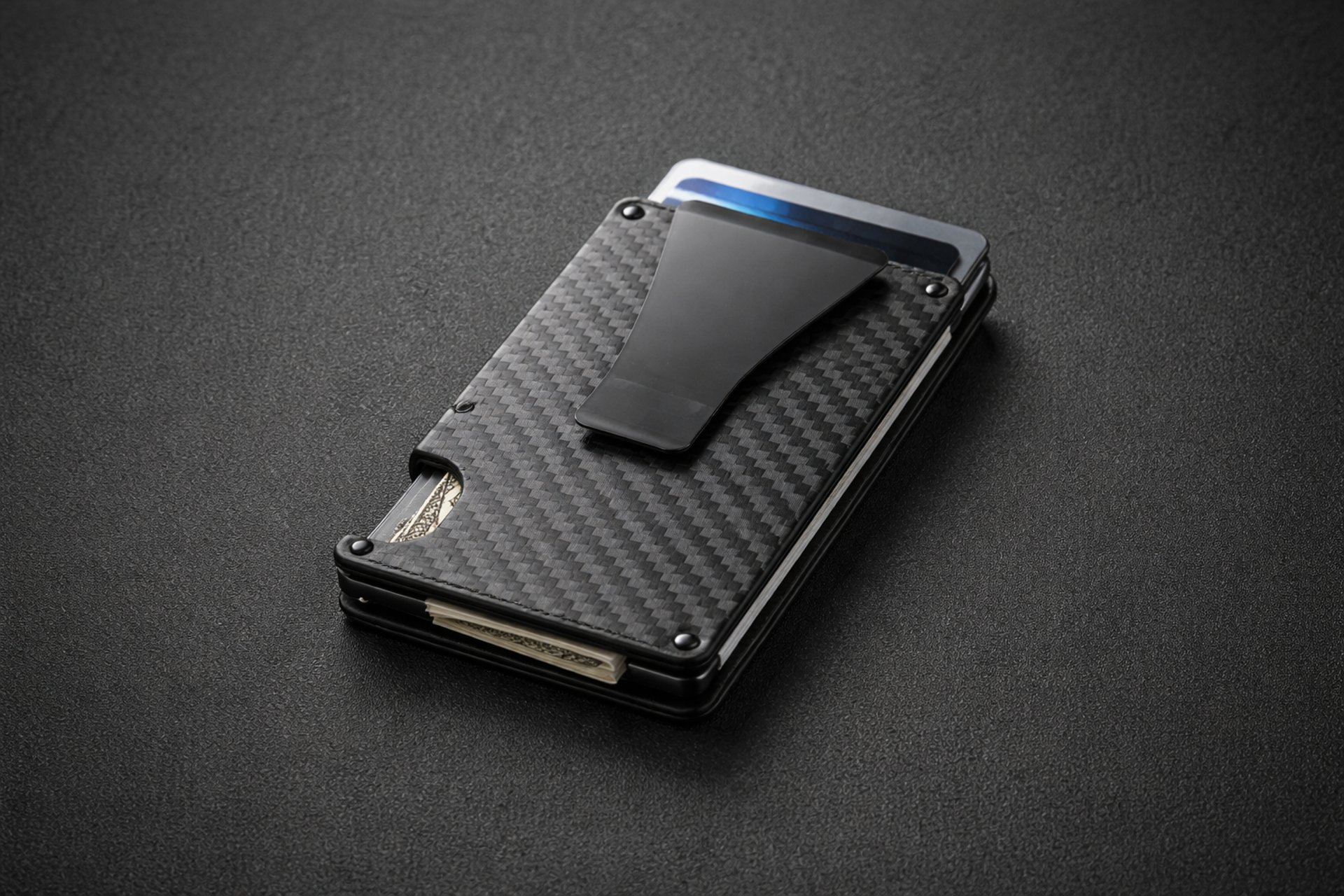
Are Metal Wallets Bad for Cards? Busting Myths and Facts
Discover the truth about metal wallets and their impact on your cards, including RFID blocking and durability compared to leather or fabric options.
EDC WALLETS
The EDCBuzz Editorial Team - Led by AJ “Buzz” Eichman
4/9/20268 min read
If you’ve been around the EDC block once or twice, you’ve probably heard the rumor — metal wallets will ruin your cards. They’ll scratch them, bend them, maybe even zap them with some sort of metal mojo that ruins the chip or the magnetic strip. But after carrying various metal wallets in my pockets day in and day out — not just on a quick test run but through regular life’s ups and downs — I can tell you it’s not that simple. Metal wallets aren’t inherently bad for your cards. The reality lies in the details: wallet design, material choice, how you carry your cards, and yes, a little bit of common sense.
Let’s cut through the noise and get to the nuts and bolts — or should I say aluminum and titanium — about metal wallets, their impact on your cards, and why they might just be the durable, practical EDC choice you didn’t know you needed.
Quick Verdict
Metal wallets generally do not damage cards when cards are properly seated, and wallet design minimizes friction or pressure points.
Most metal wallets offer built-in RFID blocking due to metal’s natural radio wave interference, unlike many fabric or leather wallets.
The durability of metal wallets surpasses leather and fabric options, standing up better to wear, bending, and water.
Overstuffing metal wallets or using ones without protective inserts can cause card edge wear or bending, so thoughtful use matters.
How Metal Wallets Work: Materials and Design
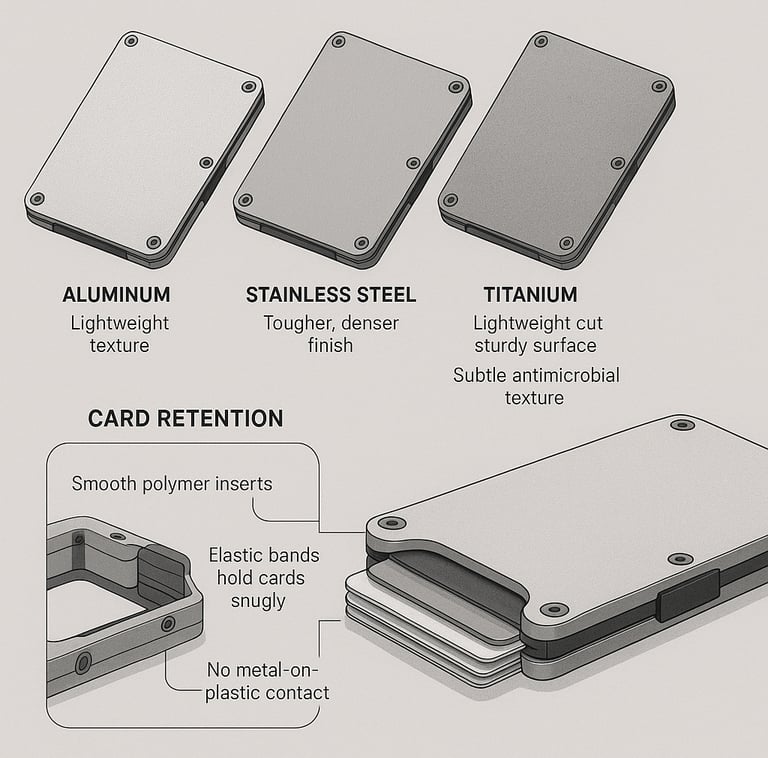
Metal wallets are usually made from materials like aluminum, stainless steel, or titanium, chosen for a blend of weight, strength, and corrosion resistance. For everyday carry, this means a wallet that won’t sag after months of sitting in your pocket or start smelling like last week’s lunch. Aluminum is lightweight and resistant to rust but can dent with a serious impact. Stainless steel is tougher but heavier and can feel cold against your skin on winter walks. Titanium strikes a nice balance—strong, light, and naturally antimicrobial, which is great if hygiene is on your list of worries (aren't you glad you asked?).
Design-wise, most metal wallets aren’t just flat slabs of metal with cards shoved inside. They often feature polymer or elastic inserts that hold cards snugly without hard metal-on-plastic contact. This reduces abrasion and helps keep cards in place, so you’re not fishing for rogue business cards at the bottom of your bag.
If you want to compare how real-world builds handle these materials, Ridge Wallet vs Trayvax Contour Wallet is a solid reference point.
Do Metal Wallets Damage Credit and Debit Cards?
This is the big one — and where myths really get in the way. Cards are surprisingly durable but not invincible. From my experience, metal wallets will not damage plastic or chip cards if the wallet is well-made and you don’t cram too many cards in at once. The keys here are friction and pressure.
If your metal wallet design uses sharp edges or folds cards under high pressure, you might see wear on the card edges over time. This is less a metal problem and more a design flaw or an overloaded wallet problem. Properly designed metal wallets use smooth edges and elastics or polymer inserts that gently hug cards. After a few weeks with wallets that follow these principles, I noticed no scratching or bending, even with daily use.
Also, if you’re the sort who slides cards in and out dozens of times a day, those bits of plastic might get scuffed regardless of the wallet material. It’s the classic “wear and tear” story, not a metal conspiracy.
RFID Blocking Capabilities of Metal Wallets
One area where metal wallets usually get a thumbs-up straight from the get-go is RFID blocking. Because metal naturally blocks electromagnetic waves, these wallets can shield your cards from unauthorized scans better than most leather or fabric wallets.
If you want to understand when RFID actually matters, RFID Wallets Do You Need One connects directly to this feature.
I found that most metal wallets I carried inherently blocked RFID signals without adding bulky layers or sleeves. For people wary of electronic pickpocketing — yes, that’s a thing — metal wallets tick the security box without forcing you to sacrifice sleekness or functionality.
That said, not all metal wallets are created equal here. Some brands specifically advertise RFID blocking and run tests to back it up, while others don’t make any claims. It’s wise to look for confirmation if RFID blocking is a priority for you.
Durability Comparison: Metal vs. Leather and Fabric Wallets
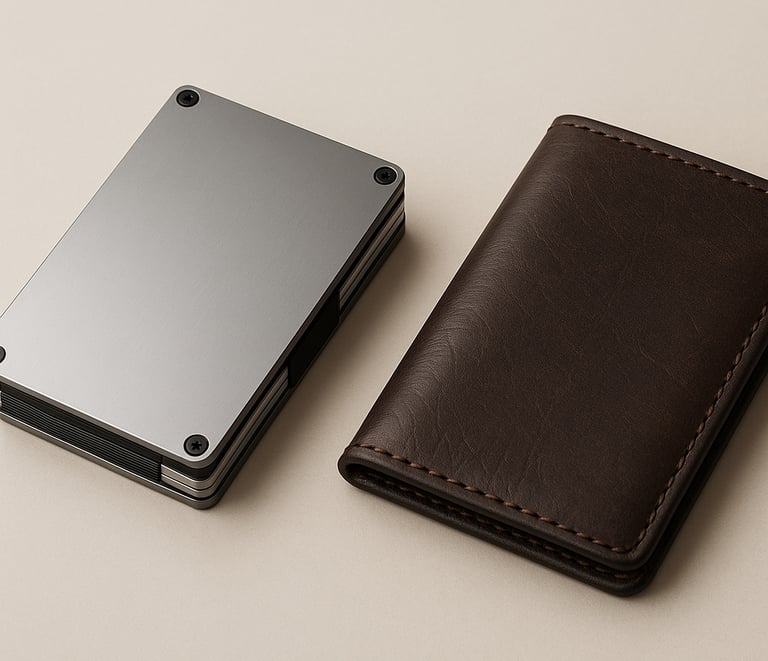
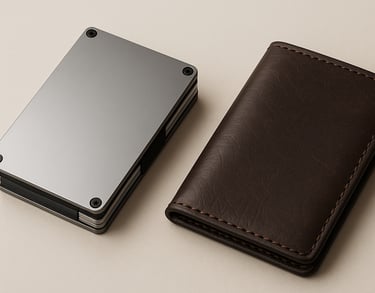
If you’re carrying your wallet every day — and most of us are — durability isn’t a niche concern; it’s a daily necessity. Leather wallets age with character (some call it charm; others call it “why is this hole here?”). Fabric wallets can wear thin and fray with prolonged use or exposure to moisture. Metal wallets, on the other hand, shrug off most kinds of physical abuse.
If you want to compare durability differences directly, Proof Wallet vs Dango M1 Rail highlights how different constructions hold up over time.
After several months, I noticed that metal wallets resist bending, staining, and even the occasional spill that would have doomed a leather wallet to slow decay. They don’t soak up sweat or rain, either, which means less daily maintenance and a generally cleaner carry.
The trade-offs: metal wallets can be heavier and don’t exactly soften to the touch like leather. There’s a cold initial feel that warms after some pocket time, but it’s not going to win any softness contests. Also, dents or scratches on the metal shell can happen if you’re rough, but they’re largely cosmetic and don’t harm functionality.
Common Mistakes Using Metal Wallets That Can Harm Cards
Here’s where reality bites: even the best metal wallet won’t protect cards if you don’t treat it right.
First, overstuffing. Many of us like to carry receipts, loyalty cards, and maybe a slim pocket knife alongside our cards. Metal wallets have fixed capacity, so cramming six or seven cards plus extras can increase pressure that bends cards or wears edges. It’s a bit like trying to fit a square peg in an already-full jar — eventually, something’s gonna give.
Second, ignoring wallet hygiene. Dirt and grime build up easily in the tight corners of metal wallets, and if you’re carrying chipped or raised cards, abrasive particles can cause damage over time. A quick clean now and then avoids this.
Third, assuming all metal wallets are equally protective. Some neglect to add protective inserts or smooth edges, which increases abrasion on cards. Always check product design details rather than assuming metal alone equals card safety.
What to Look for When Buying a Metal Wallet
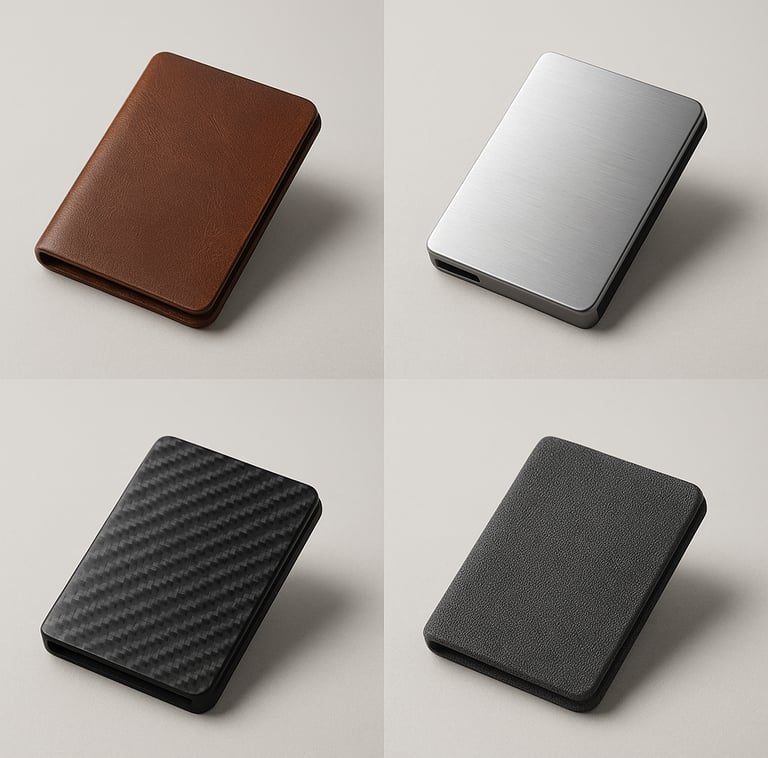
Choosing a metal wallet isn’t just about shiny finishes or the “cool” factor (though that often seals the deal). Think about:
Material: Aluminum for lightness, stainless steel for toughness, or titanium for the best strength-to-weight ratio.
Card retention system: Look for elastic bands, polymer inserts, or smooth compartments that keep cards secure without harsh metal contact.
RFID blocking: Verify if the wallet advertises and tests RFID protection if this feature is important to you.
Capacity: Pick one that matches how many cards and cash you carry without forcing overstuffing.
Weight and feel: Remember that metal wallets are generally heavier and less pliable than leather or fabric. Decide if you’re okay with that trade-off.
Maintenance ease: Wallets with removable inserts or smooth surfaces clean up more easily.
If you’re comparing options directly, Best Metal Wallets and Best Premium EDC Wallets are good starting points for real-world picks.
Real-World User Experiences with Metal Wallets
I’ve carried metal wallets on workdays, hikes, and runs to the store. What sticks out isn’t just the durability or the secure feeling of protection. It’s the pocket experience — does it sit comfortably? Can I forget it’s there?
Metal wallets tend to settle in well after a few days. The weight becomes noticeable but never cumbersome. That’s where better designs shine: slim profiles, rounded edges, and smooth clips make all the difference. If you’re used to a thick leather bifold, this might feel like downsizing your everyday load.
One minor quirk is the cold feel in winter — not a dealbreaker but worth noting if you tend to keep your wallet in your hand during a chilly commute. Also, the rigidity means you don’t get the same “soft break-in” feeling as leather, so the tactile experience is more functional than cozy.
Care and Maintenance Tips for Metal Wallets
Taking care of a metal wallet is straightforward but worthwhile.
Wipe the surface with a damp cloth occasionally to remove dirt and oils. For wallets with polymer or elastic inserts, inspect these for wear and replace if needed to keep cards snug.
Avoid sitting on your wallet for prolonged periods, which can warp even metal over time or press cards into uncomfortable bends. And don’t toss it roughly into bags where it might take a serious knock.
Depending on the metal, occasional polishing can revive the finish, but remember that minor dings and scratches are part of the lived-in look and don’t affect function.
Frequently Asked Questions
Do metal wallets scratch or damage my cards?
When designed well with smooth edges and protective inserts, metal wallets generally do not scratch or damage cards. Overfilling or using wallets with harsh metal contact points increases risk.
How does RFID blocking work in metal wallets?
Metal conducts electricity and blocks radio frequency signals. This interference prevents scanner devices from reading the RFID chips in your cards when stored inside metal wallets.
Are metal wallets more durable than leather or fabric wallets?
Yes, metal wallets resist bending, wear, stains, and water damage better than leather or fabric. However, they can dent or scratch but maintain structure and functionality.
Which metals are best for wallets in terms of strength and weight?
Titanium offers the best strength-to-weight ratio and natural resistance to corrosion and microbes. Aluminum is light but less impact-resistant, while stainless steel is very strong but heavier.
Can metal wallets hold many cards comfortably?
Metal wallets typically hold fewer cards than bifold wallets and perform best when cards are not overstuffed. Capacity depends on design, so choose according to your carry habits.
Does metal interfere with chip cards or contactless payments?
Metal wallets can block RFID signals but do not damage chip cards or contactless payment functions, assuming cards are removed from the wallet at the time of use.
Are there maintenance tips for keeping metal wallets clean and functional?
Regular wiping and gentle cleaning of elastics or inserts help avoid grime buildup. Avoid harsh chemicals and excessive pressure to maintain shape and finish.
Do metal wallets protect cards from bending or impacts?
They offer better rigidity than fabric or leather wallets, protecting cards from bending when carried properly, but extreme impacts can still harm cards.
Practical Conclusion
Metal wallets get a bad rap in some corners, but after living with them through everyday use, it’s clear that they’re not villains in the saga of card care. If you buy smart, favor quality design, avoid overstuffing, and keep your wallet clean, metal wallets can offer durability and functionality that few alternatives match — especially with built-in RFID blocking as a just-about-standard feature.
If you want to explore full setups beyond just metal builds, the EDC Wallets pillar ties everything together into a complete system.
They do come with trade-offs: a bit more weight, less give in your pocket, and a colder touch in winter. But they repay those quirks with sturdy protection for your cards and a sleek, no-nonsense look. If you’re someone who carries for the long haul and appreciates gear that settles into daily life without fuss, a metal wallet might be worth sliding into your rotation.
In short, metal wallets aren’t bad for cards. Shabby design and careless use are. Choose wisely and carry on. And maybe keep an eye out for that one loose card that always seems to trip you up — no wallet can fix that.
Contact@TheBuzzHQ.com
© 2026 EDCBuzz. All rights reserved.
EDCBuzz
Master everyday carry systems with clarity and precision. Built for real environments and practical use.
For educational purposes only.
General Inquiries: