
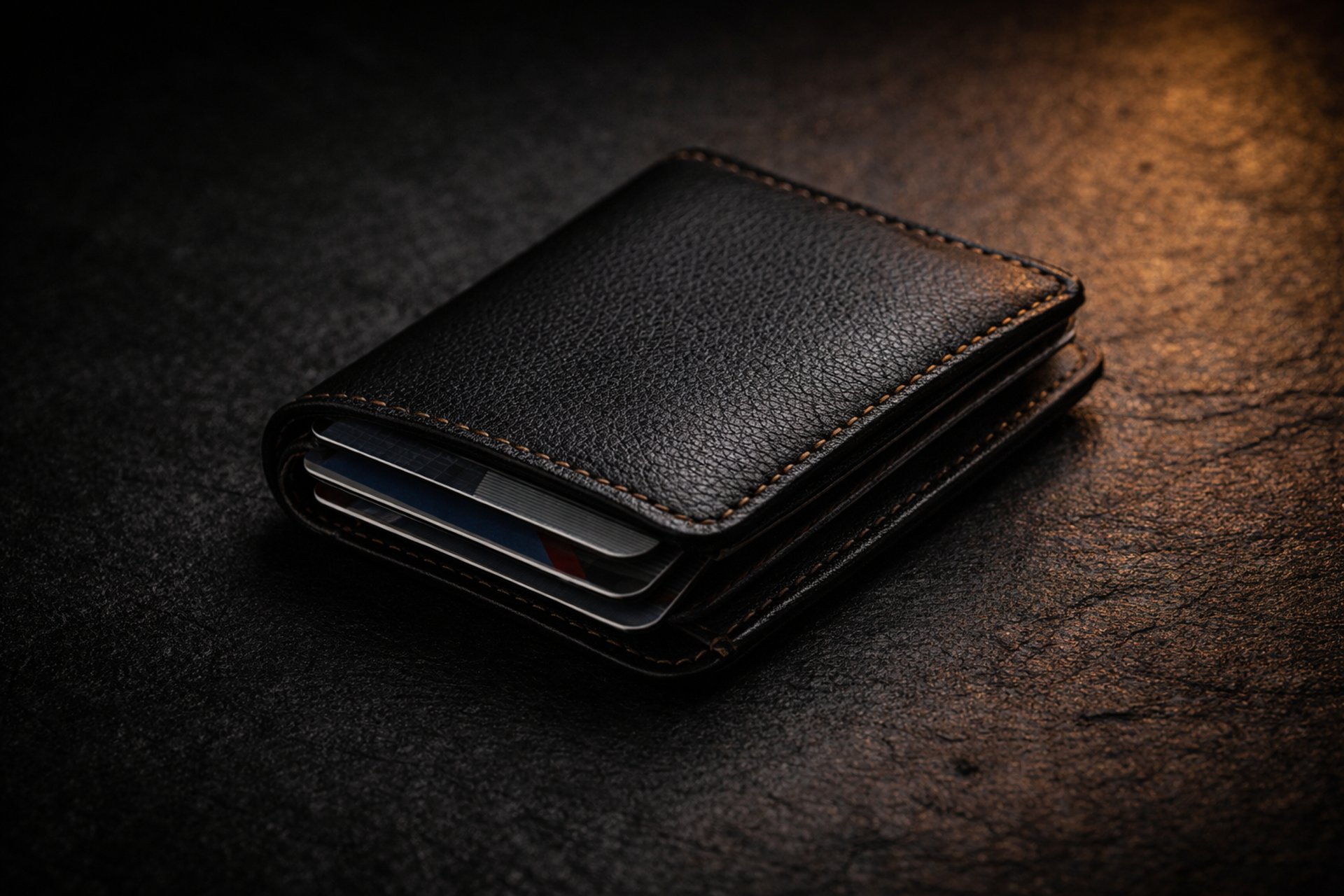
Metal vs Leather Wallets: Which Is Best for Everyday Carry?
Explore the pros and cons of metal wallets versus leather wallets for everyday carry, balancing durability, style, comfort, and usability.
EDC WALLETS
The EDCBuzz Editorial Team - Led by AJ “Buzz” Eichman
4/9/20266 min read
Choosing the right everyday carry (EDC) wallet is often a balance between durability, style, comfort, and usability. Among the many options, metal wallets and leather wallets stand out as two popular but very different choices. Both have their loyal fans, and after carrying and living with each for a good stretch of time, I can say the decision isn’t just about which looks cooler or is tougher on paper. It’s about how they hold up in your pocket, how they handle your cards and cash day after day, and how they fit your lifestyle with quiet reliability. In this article, we’ll break down how metal and leather wallets compare across key factors to help you pick the best EDC wallet for your needs — with no hype, just what really matters after weeks of use.
Quick Verdict
Metal wallets excel in durability, RFID protection, and maintaining a slim profile but can feel rigid and heavier in the pocket.
Leather wallets offer classic style, comfort, and flexibility that mold to your pocket over time, yet require more care and are less impact-resistant.
The choice boils down to your daily carry priorities: rugged minimalism and security vs. timeless comfort and traditional aesthetics.
Both wallet types have compromises; knowing the trade-offs helps avoid surprises once the novelty wears off.
What Defines Metal and Leather Wallets?
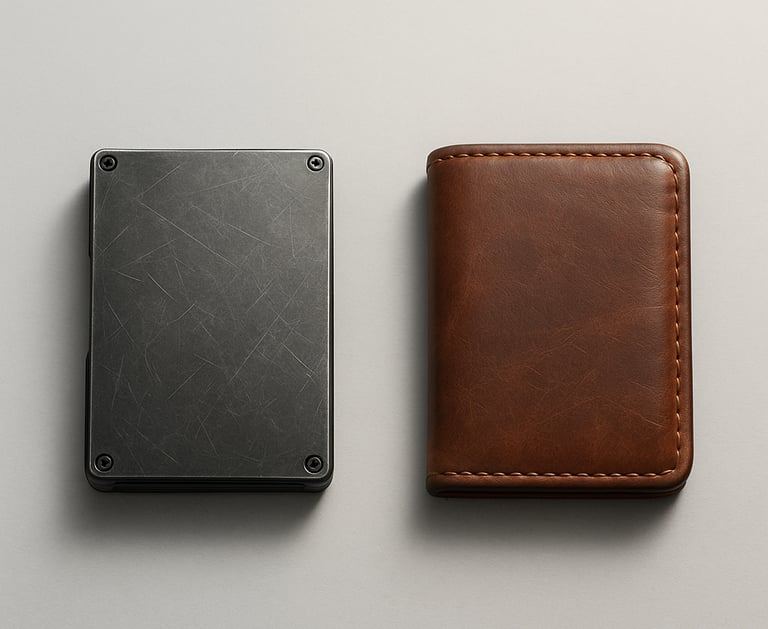
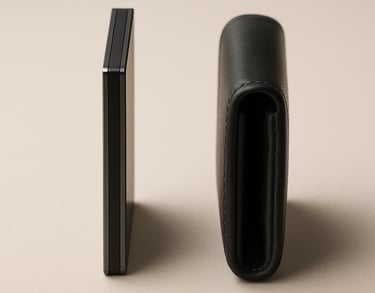
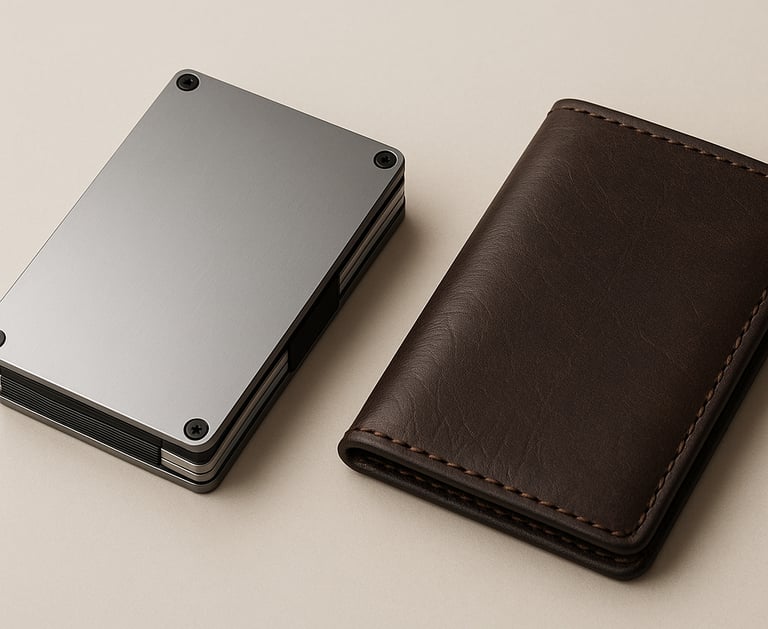
When you hear “metal wallet,” you’re typically thinking of a compact card holder made from materials like aluminum, titanium, or stainless steel. These wallets usually aim to be minimalist—slim, sleek, and designed to protect cards with RFID-blocking layers or inherent metal shielding. They embrace rigidity and toughness, often at the cost of flexibility and softness.
Leather wallets, on the other hand, come in a vast variety. From full-grain to top-grain to genuine leather, each has different textures, durability levels, and price points. Leather wallets carry a legacy of timeless aesthetics and hands-on comfort—they soften and shape to your pockets and body over time. Unlike metal, leather wallets are flexible and often thicker, with multiple compartments for organizing not just cards but cash, receipts, and sometimes small personal items.
Materials and Construction Differences
Metal wallets are mostly about metal. Aluminum options tend to be the lightest, titanium mixes lightness with impressive strength, and stainless steel feels substantial and ultra-durable but noticeably heavier. The construction often includes precise machining, slim profiles, and RFID blocking layers embedded or inherent in the metal’s properties.
If you want to understand how these materials perform across different wallet builds, Best Wallet Materials Explained provides a deeper breakdown.
Leather wallets rely on the hide of animals, typically cowhide, with variations in processing that impact durability and feel. Full-grain leather is the highest quality, showing natural marks and developing a patina that tells your story; top-grain is sanded and treated for uniformity, and genuine leather is a lower tier that might wear faster.
Durability and Longevity Comparison
If you’re asking which wallet lasts longer under the grind of daily carry, metal wallets generally take the lead. The hard surfaces shrug off impacts, resist moisture much better, and don’t stretch or warp. Scratches and scuffs do appear, especially on stainless steel, but these are mostly cosmetic and don’t affect function.
If you're comparing real-world durability between popular designs, Proof Wallet vs Dango M1 Rail gives a solid look at how materials hold up over time.
Leather wallets age like a fine wine—or maybe a pair of old jeans—developing character as they soften and attain a unique patina. The downside? Leather can wear thin, stretch beyond shape, or crack if ignored. Water exposure is their kryptonite; a quick splash doesn’t usually spell doom but soaking or neglect leads to damage.
Style and Aesthetic Considerations
Leather wallets win points for style versatility and tradition. They’re the “go-to” for professional settings, classic looks, or anyone who enjoys texture and the slow reveal of character.
If you’re looking at premium craftsmanship and how design impacts daily use, Pioneer Altitude Bifold vs Bellroy Hide & Seek Wallet is a great comparison to explore.
Metal wallets lean into modern minimalism and tech appeal. Their clean lines and metallic finish often pair well with slim jeans, tech-forward lifestyles, or anyone who appreciates the precision of machined gear.
Comfort and Pocket Carry Experience
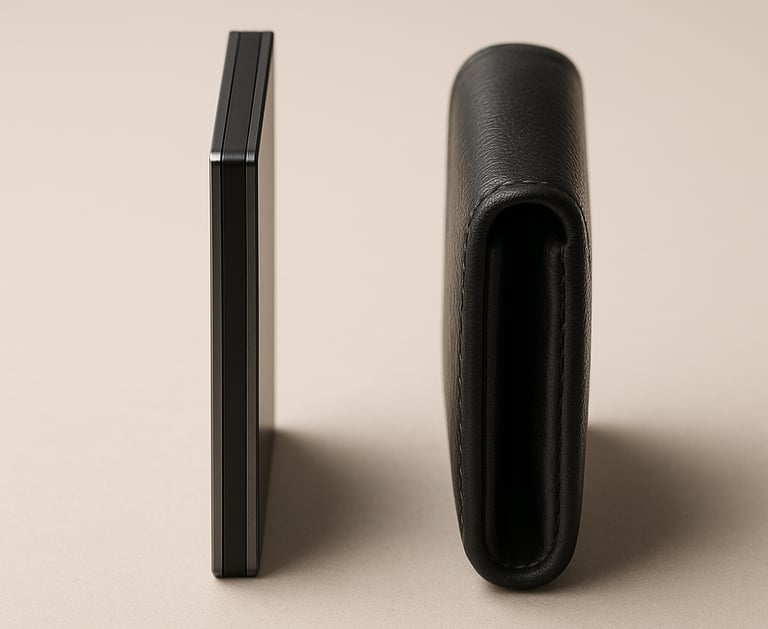
Comfort is where metal wallets polarize opinions. They don’t mold to your pocket or soften with time. After a few days, the weight and rigidity become noticeable—some might even call it a feature, “reminding you the wallet is still there.”
If you’re dialing in carry comfort, especially pocket placement, Front Pocket vs Back Pocket Wallet is worth considering alongside your wallet choice.
Leather wallets, by contrast, feel more at home in your pocket after a while. The soft, flexible material adjusts to your body and clothing, reducing pocket fatigue and pressure points.
Usability: Card Capacity and Organization
Metal wallets often prioritize card-only carry, with some models holding anywhere from 4 to 10 cards. Cash, if supported at all, usually comes in a limited capacity, often folded or secured with clips.
If you’re trying to avoid overloading your setup, understanding How Many Cards Should You Carry helps keep your wallet aligned with minimalist carry principles.
Leather wallets come with a wider range of configurations. From bifold and trifold designs with multiple card slots and cash compartments to slim card cases, they accommodate users who carry anything from a few essentials to an entire arsenal of loyalty cards.
Maintenance and Care for Metal vs Leather Wallets
One of the biggest day-to-day practical differences lies here. Metal wallets are near-carefree. You might polish them occasionally if you want to keep a shine, or wipe away grime, but they don’t need regular conditioning or special treatment.
Leather wallets demand more hands-on maintenance. To avoid drying, cracking, or staining, periodic cleaning and conditioning are necessary.
Common Mistakes When Choosing Between Metal and Leather Wallets
A few traps tend to trip up buyers new to either style:
Opting for a metal wallet without considering the pocket comfort trade-off.
Expecting leather wallets to handle rough impacts or moisture as easily as metals.
Ignoring your actual card and cash capacity needs.
Assuming every metal wallet includes RFID protection.
Overlooking leather care requirements.
Not physically testing pocket carry comfort before buying.
Frequently Asked Questions
What are the main benefits of metal wallets compared to leather wallets?
Metal wallets offer superior durability, built-in or inherent RFID protection, and usually a slimmer, more minimalist profile.
How durable are leather wallets versus metal wallets for everyday use?
Leather wallets develop character but require care to avoid wear and damage, while metal wallets resist impacts and moisture far better.
Do metal wallets provide RFID blocking?
Many do, but not all models guarantee this, so checking the product details is wise.
Which type of wallet is better for front pocket carry?
Metal wallets typically fare better due to their slim, rigid design, though thin leather wallets are also popular.
How do leather wallets age over time compared to metal wallets?
Leather softens and develops a patina, while metal wallets maintain structure but show surface scratches.
Can leather wallets accommodate the same amount of cards as metal wallets?
Leather wallets generally offer more capacity and organization.
Are metal wallets heavier than leather wallets?
Not always—lightweight metals can rival leather, but steel models may feel heavier.
What maintenance do leather wallets require compared to metal wallets?
Leather requires conditioning and care, while metal wallets need minimal upkeep.
Which Wallet Type is Right for Your EDC Needs?
If your day revolves around slim carry, security from RFID skimming, and near-indestructible durability, a metal wallet will probably click.
If you're ready to explore real-world options, looking at Best Metal Wallets or Best Premium EDC Wallets can help narrow your decision based on actual use cases.
If you prize comfort, classic style, and a wallet that grows alongside your life story, leather is tough to beat.
Conclusion
Both metal and leather wallets offer distinct advantages for EDC use, but the devil’s in the details—and how those details translate to your daily life.
If you want to see how these styles fit into the full ecosystem, the EDC Wallets pillar connects everything into a complete carry system.
Neither wallet type is universally better, just better suited for particular preferences and priorities. Taking time to consider how you carry, how much you carry, and what you want from your wallet beyond bragging rights will serve your pockets—and your sanity—well.
Contact@TheBuzzHQ.com
© 2026 EDCBuzz. All rights reserved.
EDCBuzz
Master everyday carry systems with clarity and precision. Built for real environments and practical use.
For educational purposes only.
General Inquiries: