
Minimalist Wallets Explained
Explore the benefits, materials, and features of minimalist wallets designed for comfort and efficiency in everyday carry.
EDC WALLETS
The EDCBuzz Editorial Team - Led by AJ “Buzz” Eichman
4/9/20268 min read
Carrying a wallet is one of those daily rituals that almost everyone deals with, yet few give much thought to what’s inside or how it affects their day. If your standard bifold or chunky leather wallet has made your pocket feel like a bulky purse—or worse, left you sitting on a hard edge more than once—you might be ready for a simpler solution. Enter minimalist wallets: slim, efficient, and designed specifically for everyday carry without the extra baggage. These wallets trim the fat, so to speak, letting you carry just the essentials without the constant nagging reminder of unnecessary bulk. After carrying a handful of these over several weeks, I’ve noticed that the appeal of a minimalist wallet isn’t just in the size but in how it subtly changes your relationship with what you really need to keep on hand.
Quick Verdict
Minimalist wallets offer a comfortable, low-profile carry experience that reduces pocket bulk and weight.
Common materials like leather, aluminum, and carbon fiber balance durability and lightness, but each ages differently with use.
Features such as elastic bands, RFID blocking, and quick-access slots add security and convenience, though not all designs are equally practical over time.
Choosing the right minimalist wallet means considering your card load, how often you carry cash, and which pockets you use most.
What Is a Minimalist Wallet?
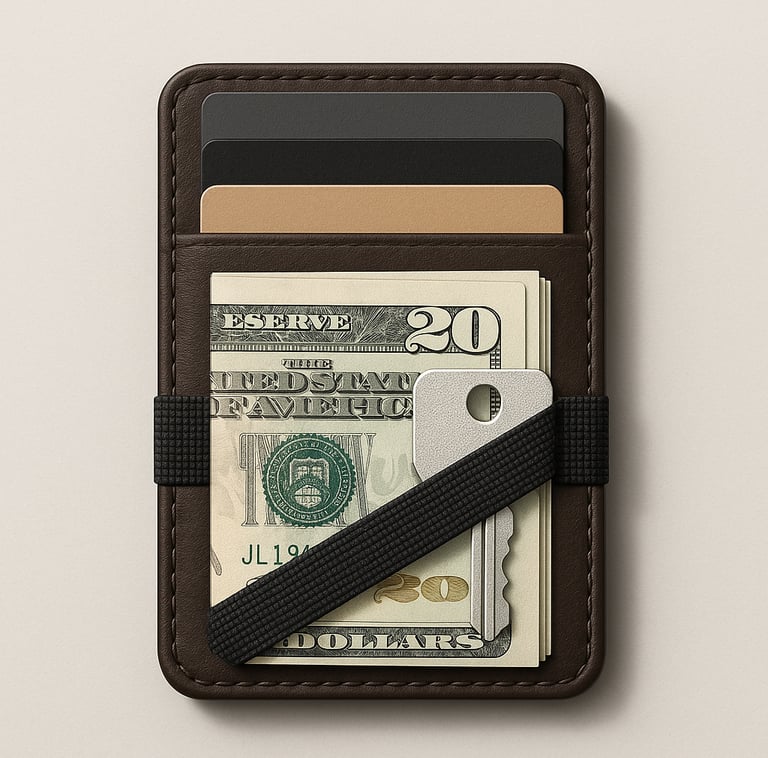
At its core, a minimalist wallet strips down everything excess to bring only the essentials into focus. Unlike traditional wallets built to jam in dozens of cards, receipts, and loose change, minimalist wallets deliberately limit capacity. This makes them light, slim, and less intrusive in your pocket or bag. Typically, these wallets hold a handful of cards along with some folded cash and key IDs. The design is clearly a response to the common problem of old-school wallets ballooning over time, becoming uncomfortable and inconvenient.
From my experience, what distinguishes a minimalist wallet isn’t just its slim profile but the smart use of space and materials. Many integrate elastic bands or stretchable fabrics that securely hold items without adding bulk. Others rely on rigid materials with precision cut slots that offer quick access but sometimes require a little extra finger work as time goes on. Life with a minimalist wallet becomes more about intentional carry — bringing only what you’ll actually use in a day — which makes a difference every time you go to sit down or reach into your pocket.
Benefits of Slim Wallets for Everyday Carry
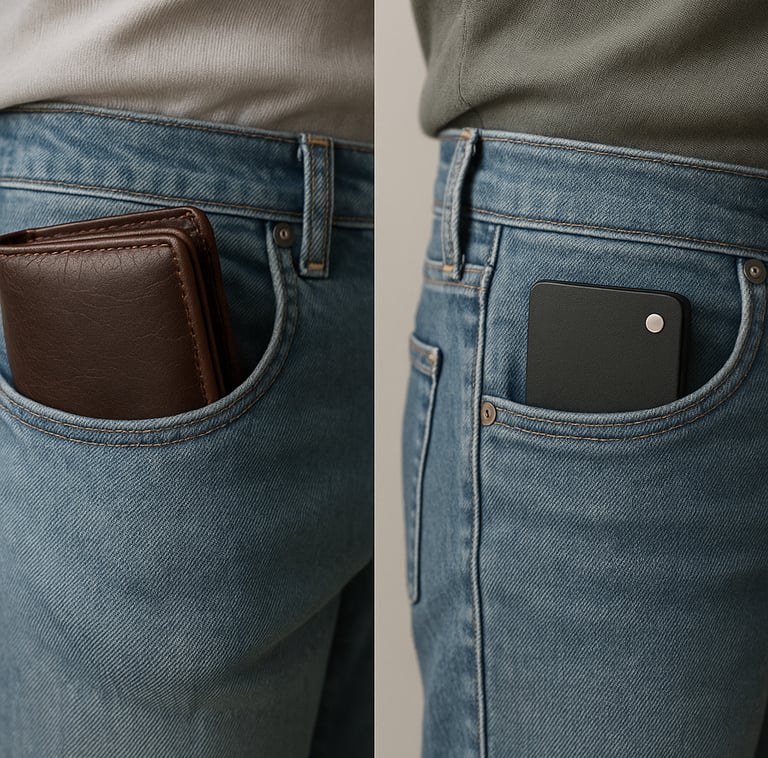
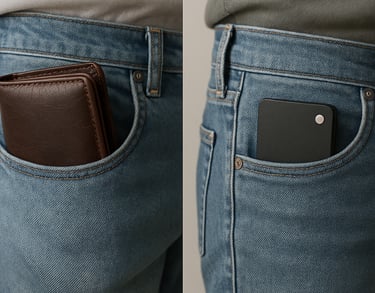
One of the most immediate benefits of slimmer wallets is comfort. After several days of carrying bulk-heavy wallets, you start to notice how much simpler it is to slip a minimalist wallet into your front pocket, where you’ll appreciate the reduced pressure on hips and thighs. It’s not just physical comfort, though — with fewer cards and less clutter, you’ll find retrieving the right card or cash quicker and less frustrating. This is especially noticeable when comparing carry styles like Front Pocket vs Back Pocket Wallet.
These wallets also tend to improve your carry habits. When faced with limited space, you naturally purge unnecessary cards and receipts more often, which aligns perfectly with the principles of everyday carry: keep what matters close and ditch the rest. Slim wallets also suit a variety of settings — from the office to casual outings or travel — by reducing theft risk and streamlining your loadout.
That said, minimalism comes with its own set of compromises. Sometimes the pursuit of slimness trades off ease of access or card security. For example, elastic bands might stretch out over time, and some quick-access designs require a bit more effort to remove cards. Still, if you’re willing to adjust your routine slightly, the comfort and efficiency gains outweigh the small frustrations.
Common Materials Used in Minimalist Wallets
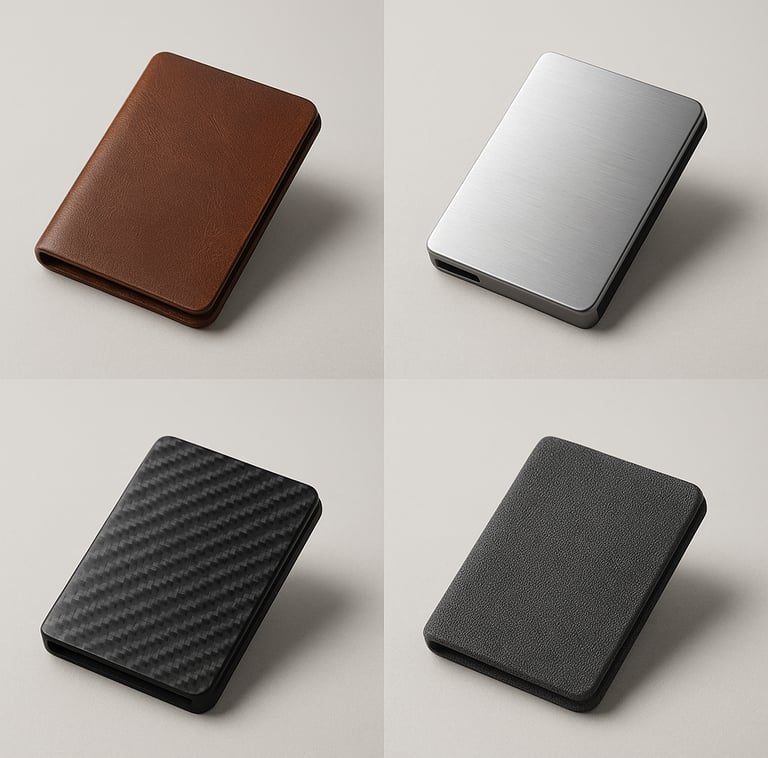
The material you choose impacts not just how the wallet looks but how it performs and ages with use. Leather remains a classic favorite, offering durability and a patina that often improves with time. However, leather wallets demand a bit of upkeep — neglect can lead to cracking or stiffness. For those who don’t want to fuss over maintenance but still want toughness, materials like aluminum and carbon fiber step in as strong, lightweight alternatives. If you want a deeper breakdown of durability tradeoffs, check out Best Wallet Materials Explained.
Carbon fiber is especially interesting; its high strength-to-weight ratio resists corrosion and wear, making it a modern choice for durability-focused EDC. Fabric and synthetic blends appear frequently as well, usually paired with elastic bands or reinforced with metal components. These wallets tend to be lighter and softer in the pocket but sacrifice some of the ruggedness of metal or leather.
If you're deciding between traditional and modern builds, comparing Metal vs Leather Wallets can highlight how each material behaves long term.
Each material brings a different vibe and functionality, so it’s worth checking how it wears after weeks of use. Leather softens and molds, metal wallets become patina’d with scratches that tell a story, and fabric wallets settle in comfortably but can show signs of wear along seams.
Key Features to Look For in Minimalist Wallets
After living with minimalist wallets, a few features emerge as game changers. Elastic bands or stretch panels improve retention without adding bulk, but they should be of high quality to avoid sagging. RFID blocking is increasingly common and worth considering if you’re concerned about digital theft, though it adds a layer that might increase thickness slightly — especially if you're still unsure whether you need it, see RFID Wallets Do You Need One.
Look for quick-access slots if you rely heavily on one or two cards for daily transactions. These reduce the fiddling needed to retrieve your card, especially when hands are full or it’s cold outside. Magnetic or snap closures can secure your contents but might add weight or bulk, and all wallets should be tested for how they fit in various pockets—just because it’s slim doesn’t mean it fits well everywhere.
How to Choose the Right Minimalist Wallet for Your Needs
There’s no one-size-fits-all answer when it comes to minimalist wallets. Your choice depends on how many cards you carry, how often you use cash, and in which pockets you typically carry your wallet. If you're starting from scratch, a full breakdown like How to Choose an EDC Wallet is worth reviewing before locking in your carry setup.
If you carry a few essential cards and cash, a leather or carbon fiber wallet with a couple of elastic bands might be perfect. For those who swap cards frequently or have a few travel passes, wallets with quick-access slots and RFID protections tend to offer better usability.
If you’re ready to look at actual options, exploring Best Minimalist Wallets or broader picks like Best EDC Wallets can help narrow things down based on real-world use.
Budget and aesthetics also play a role. Leather options generally become more attractive over time but come with a higher initial cost and need for care. Metal and carbon fiber lean toward modern, industrial looks and often demand less attention but show scratches and wear differently. Fabric wallets can feel lighter upfront but may not have the same longevity.
Popular Styles and Designs of Minimalist Wallets
Minimalist wallets come in various forms, from card sleeves to bifold hybrids trimmed to essentials, to metal plates with elastic bands, and fabric pouches with modular access. Card sleeves, the slimmest option, often forgo cash compartments but excel in pocket comfort. Bifold minimalists retain a little wallet tradition while shedding bulk.
Metal wallets bring ruggedness but can be cold against the skin and develop scuffs, while fabric options emphasize lightness. Each style has subtle trade-offs between ease of access, security, and the tactile experience of carrying.
Maintenance Tips for Different Wallet Materials
Leather wallets, while sturdy, appreciate a bit of attention. Conditioning your leather every few months keeps it supple and prevents cracking. Avoid letting it stay wet for long periods, as moisture accelerates wear.
Metal and carbon fiber wallets are generally low maintenance but can benefit from occasional polishing or removing dirt from small crevices. Watch for loosening screws or magnets to maintain security.
Fabric wallets are the most forgiving, often machine washable or easy to spot clean. Just avoid harsh detergents that break down elastic bands or RFID layers prematurely.
Regularly reviewing the contents of your wallet is part of minimalism itself — purging the unnecessary keeps your wallet performing as intended and avoids unwanted bulges.
Common Mistakes When Choosing or Using Minimalist Wallets
One common pitfall is trying to fit too many cards or cash into a wallet designed for a lighter load. Doing so defeats the entire purpose and leads to pocket bulges just like a traditional wallet. It’s tempting to keep every loyalty card and receipt “just in case,” but that adds up fast.
Choosing materials purely for style without considering durability often results in premature wear or damage. A stylish fabric wallet might look great out of the box, but if you’re carrying it every day, the fabric fibers can wear down quickly.
Ignoring RFID protection can be a missed opportunity if you carry contactless cards regularly. While not everyone needs it, those concerned about digital theft should at least check if their wallet offers some shielding.
Pocket compatibility is another overlooked factor. Larger slim wallets won’t fit comfortably in all pants pockets, especially tighter jeans or dress slacks.
Finally, neglecting to test accessibility can lead to frustration. Slim wallets that require too much force or awkward angles to retrieve cards become tiresome quickly.
Frequently Asked Questions About Minimalist Wallets
What defines a minimalist wallet compared to a traditional wallet?
Minimalist wallets focus on carrying just the essential cards, cash, and IDs in a slim, compact profile designed to reduce bulk. Traditional wallets often prioritize capacity and compartments, which can lead to increased thickness and pocket discomfort.
What are the most durable materials for minimalist wallets?
Leather, aluminum, and carbon fiber are among the most durable materials. Carbon fiber, in particular, offers excellent strength-to-weight ratio and resists corrosion well.
How many cards can a typical minimalist wallet hold?
Most minimalist wallets carry between four to eight cards comfortably. Going beyond this often sacrifices slimness and leads to bulk.
Do minimalist wallets provide RFID protection?
Many offer RFID blocking layers to prevent unauthorized scans of digital cards, though it’s not universal. Check product specs if this is a priority.
Can I carry cash securely in a minimalist wallet?
Yes, many minimalist wallets include cash slots or elastic bands to hold folded bills securely, though capacity is limited by design.
Which minimalist wallet designs are best for work vs casual use?
Leather wallets with subtle aesthetics tend to fit well in professional settings, while metal or fabric designs are more casual or suited for outdoor activities.
Are minimalist wallets suitable for women’s everyday carry?
Absolutely. Slim, compact designs suit most pockets and purses, making minimalist wallets a versatile choice regardless of gender.
How do I maintain and clean a leather minimalist wallet?
Use a leather conditioner every few months, keep it dry, and avoid exposure to harsh chemicals. Regular gentle cleaning prolongs life and enhances appearance.
Conclusion
Minimalist wallets aren’t just a fad; they’re a practical solution that redefines what it means to carry essentials every day. After living with various materials and designs, it’s clear that comfort, durability, and thoughtful features are what set the worthwhile wallets apart. If you’re tired of sitting on a brick or wrestling with a stuffed pocket, minimalist wallets offer a polished, low-profile alternative that blends into your daily routine with surprising ease.
If you want to explore the full category and build out your carry system, start with the EDC Wallets pillar to see how everything fits together.
Contact@TheBuzzHQ.com
© 2026 EDCBuzz. All rights reserved.
EDCBuzz
Master everyday carry systems with clarity and precision. Built for real environments and practical use.
For educational purposes only.
General Inquiries: