
What Is an EDC Multitool? Essential Guide to Everyday Carry Multitools
Discover the essential guide to choosing and using an EDC multitool, packed with practical tips, brand insights, and maintenance advice.
MULTI-TOOLS
The EDCBuzz Editorial Team - Led by AJ “Buzz” Eichman
4/18/20266 min read
If you’ve ever found yourself juggling a screwdriver, a pair of scissors, and a bottle opener—all while trying to open a package or fix a loose screw—you’re not alone. Enter the EDC Multitool, a kind of all-in-one Swiss Army knife for the practical soul who appreciates convenience without clutter. But these aren’t just novelty items you tote around for the occasional “just in case.” After carrying one day in, day out, you start to notice why a good everyday carry multitool earns its place in your pocket—or why it doesn’t.
Quick Verdict
EDC multitools deliver a surprising amount of utility packed into a compact, easy-to-carry design.
The feel in the pocket grows familiar, balancing weight with the promise of versatility.
Material quality—mostly stainless steel with some smart coatings—directly influences durability and long-term performance.
Choosing the right multitool means balancing your daily needs and personal preferences; more tools aren’t always better.
What Is an EDC Multitool? Definition and Overview
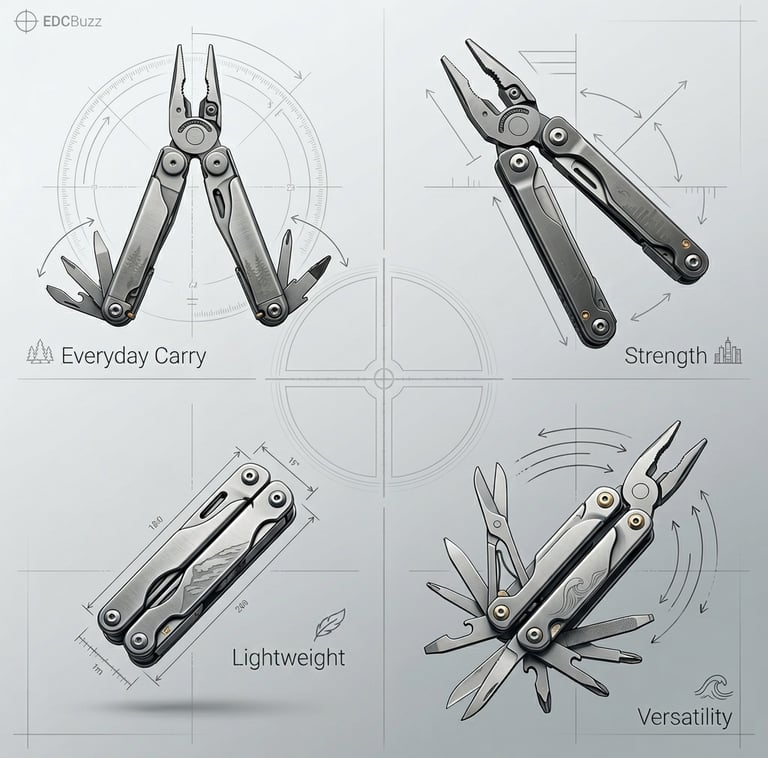
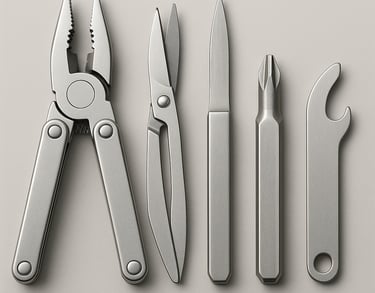
At its core, an EDC multitool is just what it sounds like: a multipurpose tool intended for everyday carry. Rather than lugging around a toolbox, these tools bundle multiple implements—like pliers, knives, screwdrivers, scissors, and bottle openers—into a single compact device. If you’re just getting started, it helps to understand the basics before diving deeper, which is exactly what we break down in What Is an EDC Multitool.
Materials and build quality matter here. Most EDC multitools use stainless steel to balance strength and corrosion resistance—a sensible choice because your multitool’s going to see a bit of everything, from rainy days to greasy hands. Some models add surface coatings—black oxide, titanium nitride, or similar—to improve wear resistance and reduce that shiny reflection that might give away your covert snack-opening operations.
Common Features and Tools Included
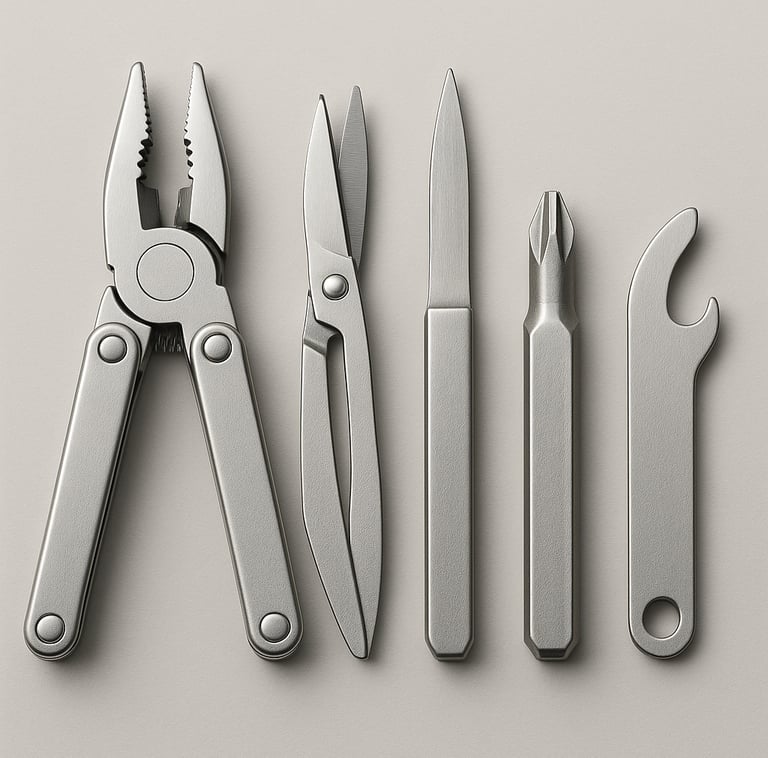
Pliers usually top the list of features, the foundational tool around which everything else revolves. They’re good for gripping, twisting, and bending small hardware or wires, which is why understanding them better can make a big difference—covered in detail in the Multitool Pliers Guide. From there, you get a selection of blades: typically a straight-edged knife and sometimes serrated options, designed for everything from cutting tape and boxes to light whittling outdoors.
Screwdrivers are another staple—usually flathead and Phillips heads are present, with sizes varying from tiny electronics screws to household furniture fasteners. Scissors have earned their keeps for opening packages or snipping loose threads and wires. Bottle openers? Absolutely indispensable, especially if you don’t want to take a break from your camping trip just to find a tool for that celebratory beverage.
Some multitools throw in specialty items like file tools, wire cutters, can openers, and even awls. But remember, a bigger toolbox in your pocket isn’t always better. If you’re not using a tool regularly, it just adds bulk and weight. If you’re unsure which features actually matter, Best Multitool Features Explained breaks it down further.
Materials and Construction Quality Factors
If you carry a multitool daily, you’ll notice that construction quality isn’t just about durability—it’s about comfort and ease of use. Stainless steel gives you corrosion resistance and respectable strength, but how it’s finished can affect pocket feel and tool deployment. Rough edges on tools or poorly finished pivots might not cause injury, but after a day of fumbling with them, those details get downright annoying.
Locks—those little mechanisms that hold blades and tools firmly in position once opened—come in a few flavors, like liner locks, frame locks, and slip joints. After weeks of use, a secure lock becomes less of a feature and more of a necessity. You really notice when they start loosening or fail to hold tools steadier than a toddler on a sugar rush. If you want a deeper breakdown, see Locking vs Non-Locking Multitools.
Practical Everyday Uses of Multitools
The charm of a good EDC multitool is its readiness for those moments you didn’t plan on but inevitably encounter. Opening a package—sounds trivial until you realize the scissors on your phone cover don’t cut well, but your multitool scissors glide through tape like a hot knife through butter. Tightening a loose screw on your glasses or work gear? One handed screwdriver deployment saves the day without the need to dig out a toolbox.
Outdoor enthusiasts find multitools handy for adjusting tent stakes, repairing gear, cutting rope, or even prepping kindling. In the office or workshop, they double as quick-fix tools for computers, furniture, or art projects.
After several weeks carrying one, you realize multitools don't replace your dedicated knives or heavy-duty screwdrivers, but they supplement those tools in everyday scenarios where convenience trumps specialization.
How to Choose the Right EDC Multitool for You
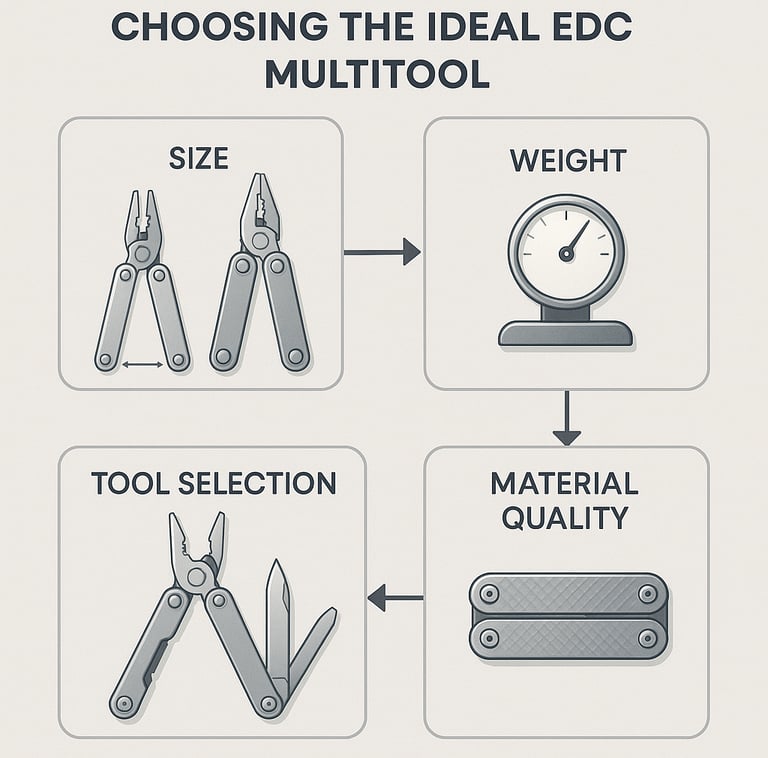
This is where the paradox kicks in: more tools might be tempting, but few of us use every implement on a multi-function gizmo. Start by considering what you turn to most. If your day includes opening packages and tightening screws, invest in a tool that excels at blades and screwdrivers without bloating the package. For a deeper walkthrough, check out How to Choose an EDC Multitool.
Size and weight matter. An overly large multitool sticks out in your pocket like a toddler who just learned to say ‘No’. On the other hand, a tool too small might lack the leverage and ease you want. After a few days, weight becomes noticeable—not a dealbreaker, but not something that fades away either.
Budget plays its part, too. You don’t have to break the bank, but cheap multitools often skimp on materials or finish quality. If you're comparing options across price ranges, Best Multitool Under $100 is a solid place to start.
Maintenance Tips for Longevity and Performance
Your multitool won’t maintain itself. Dirt, sweat, and pocket lint accumulate in hinges and crevices, causing stiffness or rust if left untreated. Regular cleaning, a quick drop of lubricant on the pivots, and occasional sharpening of blades keep the tool performing smoothly. You’ll thank yourself the next time you need to make a quick cut or tighten a screw without fumbling.
Popular EDC Multitool Brands and Models
When it comes to brands, the market offers reputable names that understand the balance between quality and practical design. Names like Leatherman, Victorinox, and Gerber often come up in conversation—and for good reason. If you’re comparing real-world options between brands, something like LEATHERMAN Wave+ vs Gerber Diesel gives a clear side-by-side look at how they stack up.
Common Mistakes When Choosing an EDC Multitool
A common pitfall is getting dazzled by the sheer number of tools listed and ignoring usability. Buying a multitool with 30+ tools might sound like owning a mini hardware store, but if most of those tools are used once or twice ever, you’re lugging around unnecessary weight.
Another misstep is overlooking ergonomics. Tools that are hard to deploy or flimsy locking mechanisms quickly become more frustrating than helpful. Also, paying too little attention to materials can lead to corrosion or breakage—your multitool should outlast your average fidget spinner.
Finally, neglecting regular maintenance means your multitool’s expected reliability fades faster than your last pair of socks.
Frequently Asked Questions
What tools are most essential in an everyday carry multitool?
Pliers, a decent knife blade, screwdriver tips (both Phillips and flathead), scissors, and a bottle opener usually cover most daily needs.
How do I choose the right size and weight for a multitool?
Consider how you carry it and how often you’ll need to use it. If it lives in your pocket all day, lighter and more compact is better. For occasional heavy use, a larger model with more robust tools may be worthwhile.
Are stainless steel multitools best for daily use?
Generally, yes. Stainless steel offers a good balance of strength, corrosion resistance, and easy maintenance.
Can multitools replace separate EDC knife or screwdriver tools?
Not entirely. They complement dedicated tools but rarely replace them fully. Multitools shine in convenience and moderate tasks, not specialization.
How do I care for and maintain my multitool?
Regularly clean off debris, lubricate moving parts, and sharpen blades when needed. Store it dry if possible to avoid rust.
What are some top brands known for quality EDC multitools?
Leatherman, Victorinox, Gerber, and SOG are well-regarded for combining quality materials with practical designs.
Do all multitools include pliers and knife blades?
Most do, but some ultra-compact or specialized models might omit one or the other to save space.
Is it better to have a compact multitool or a larger one with more features?
Depends on your needs. Compact models favor pocket comfort and quick access; larger ones provide more tools and leverage but can feel bulky.
Practical Conclusion
After living with an EDC multitool for a while, the initial novelty fades, and what remains is a reliable companion ready to tackle everyday inconveniences. Whether it’s rescuing you from a stubborn package seal, tightening a loose screw mid-task, or just cracking open a cold beverage while on the trail, it settles into daily use easily. The trick is picking one that matches your routine, feels good on your person, and doesn’t overpromise with every gadget under the sun.
It's less about owning every tool imaginable and more about having the right ones at the right time—without turning your pockets into a hardware store. And if it fits just right? Well, that’s the kind of multitool you’ll actually carry—making life’s little fixes just a bit smoother, without having to stop and strategize like it’s mission control.

Contact@TheBuzzHQ.com
© 2026 EDCBuzz. All rights reserved.
EDCBuzz
Master everyday carry systems with clarity and precision. Built for real environments and practical use.
For educational purposes only.
General Inquiries: