
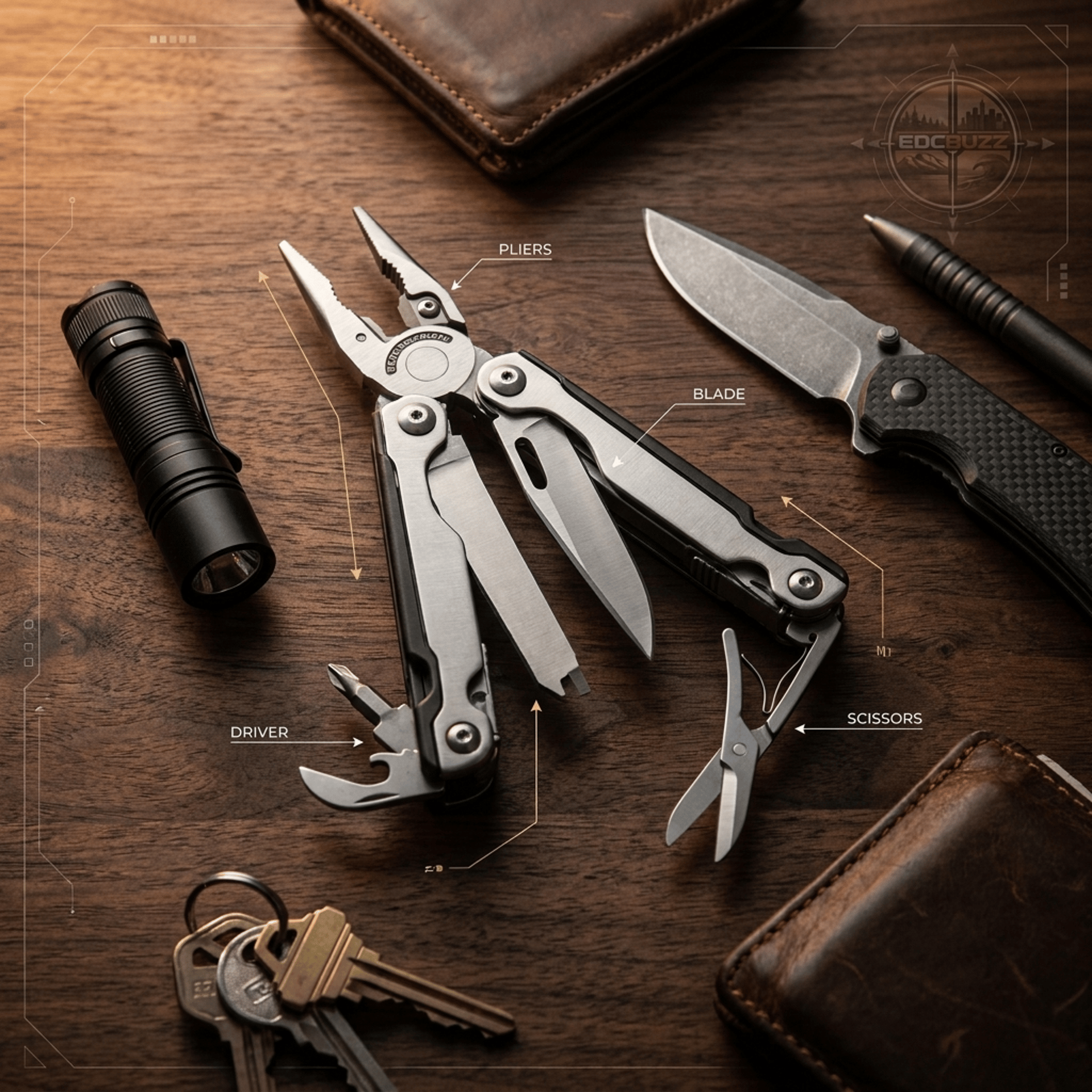
Locking vs Non-Locking Multitools: What’s Best for Everyday Carry?
Explore the differences between locking multitools and non-locking multitools for everyday carry, focusing on safety, usability, and maintenance.
MULTI-TOOLS
The EDCBuzz Editorial Team - Led by AJ “Buzz” Eichman
4/18/20265 min read
When it comes to choosing a multitool for everyday carry, there’s one fundamental question that tends to pop up more often than you'd like: should you go locking or non-locking? It’s a classic debate, often boiled down to safety vs simplicity, but the truth is a bit more nuanced once you’ve actually lived with both types long enough to notice their quirks.
If you're still dialing in your setup, understanding how these tools fit into the broader ecosystem of EDC Multi-Tools helps clarify why locking mechanisms even matter in the first place.
After all, a multitool isn’t just a conversation starter; it’s something you carry, use, and rely on every day. Over weeks of real-world wear, I’ve come to appreciate how the choice between locking multitools and non-locking multitools can make a real difference in usability, comfort, and yes, safety.
Quick Verdict
• Locking multitools offer a secure, stable grip on blades and tools, reducing the risk of accidental closure during use.
• Non-locking multitools tend to weigh less and are often more compact, making them easier to carry for quick, light tasks.
• Locking mechanisms require a bit of maintenance and occasional attention to keep functioning smoothly.
• Non-locking tools deploy faster but can demand more mindful handling to avoid pinched fingers or tool slips.
What Are Locking and Non-Locking Multitools?
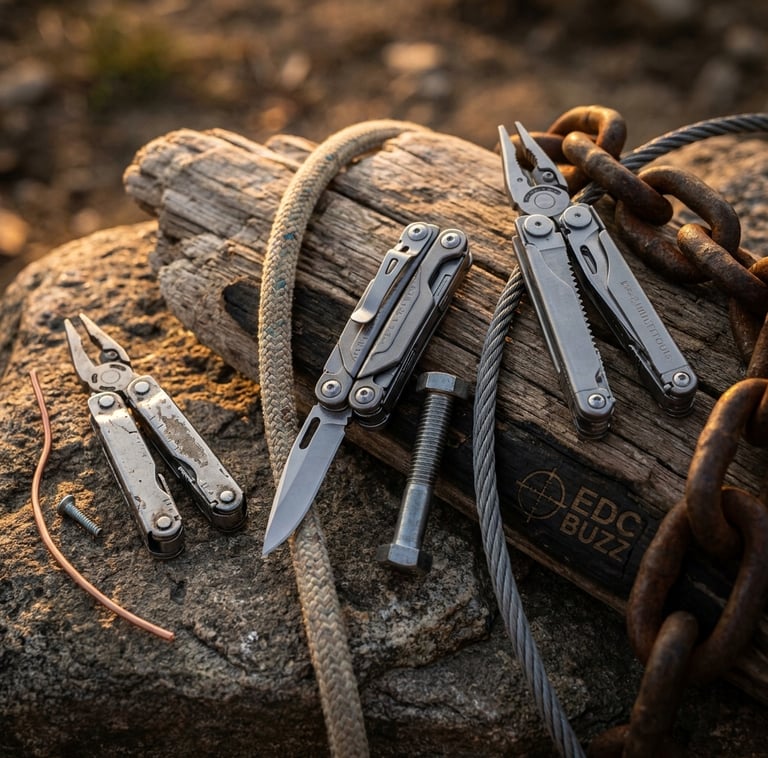
At the heart of the matter is how the multitool keeps its implements ready for action once you flip them open. Locking multitools use mechanical features—think liner locks, frame locks, or lockbacks—that physically hold the tool or blade in place after deployment.
If you’re newer to multitools in general, it’s worth stepping back and understanding What Is an EDC Multitool, since pliers, blades, and drivers all interact differently depending on how the tool is built.
Non-locking multitools, by contrast, depend on friction and tension to keep tools open. The pivots are tight enough that the tool won’t flop closed under its own weight, but it does lack that positive locking engagement.
How Locking Mechanisms Work in Multitools
Locking multitools use a variety of mechanical systems to secure their tools:
Liner Locks: A thin metal liner inside the handle moves to wedge behind the deployed tool.
Frame Locks: A thicker section of the handle frame holds the tool open, usually increasing durability.
Lockbacks: A spine lock mechanism requiring a press to disengage.
These differences become more noticeable when you break down Best Multitool Features Explained, especially in how each locking system affects long-term usability and confidence.
Each mechanism adds some complexity, but their goal is the same: preventing your blade or tool from folding on you unexpectedly.
Safety Considerations: Locking vs Non-Locking
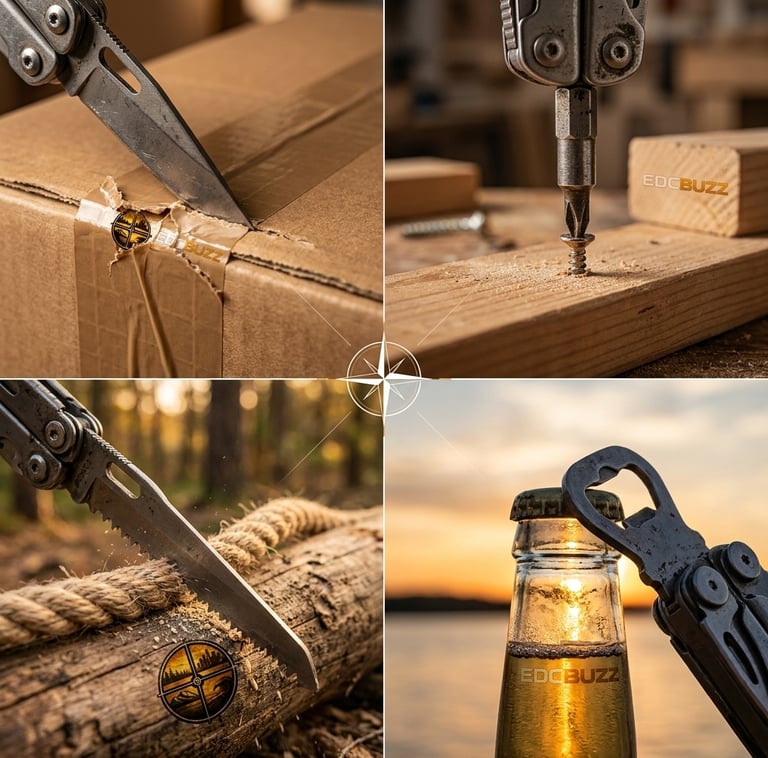
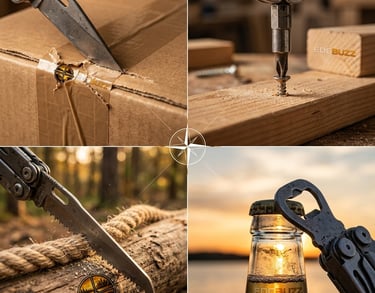
If you take your everyday carry seriously, safety isn’t just a buzzword—it’s a real concern. When cutting through stubborn packaging or prying loose something around the house, the last thing you want is a multitool blade snapping shut on your fingers.
This is also one of the biggest real-world differences highlighted in Cheap vs Premium Multitools, where higher-end builds often provide more reliable locking strength and tighter tolerances.
Non-locking multitools, on the other hand, require a bit more respect during use. The friction they provide is good enough for most light jobs, but you need to be conscious of your grip and angle of force.
Usability and Everyday Carry Practicality
After days, even weeks of carrying and using various multitools, the differences between locking and non-locking become as tangible as any feature spec on paper.
Locking multitools do take a little getting used to when it comes to opening and closing, especially those with more positive locks like lockbacks. One-handed deployment is often possible but can require practice.
For most people, the sweet spot between usability and carry comfort tends to show up in well-rounded picks like Best EDC Multitools, where balance across features matters more than any single spec.
Non-locking multitools generally open faster and can feel more intuitive. They carry lighter, too, so you’re less likely to notice them in your pocket after a long day.
Material and Build Quality Differences
Locking mechanisms aren’t magic; they rely on quality steel, careful engineering, and materials that wear well under repetitive stress. On multitools I’ve used extensively, a well-made lock feels reassuring.
This is another area where price tiers matter, and comparing options like Best Multitool Under $100 shows how materials and tolerances improve as you move up in quality.
Non-locking multitools, with their simpler construction, eliminate one failure point but place higher demands on pivot tension and overall build quality.
Buyer’s Guide: Choosing the Right Multitool for You
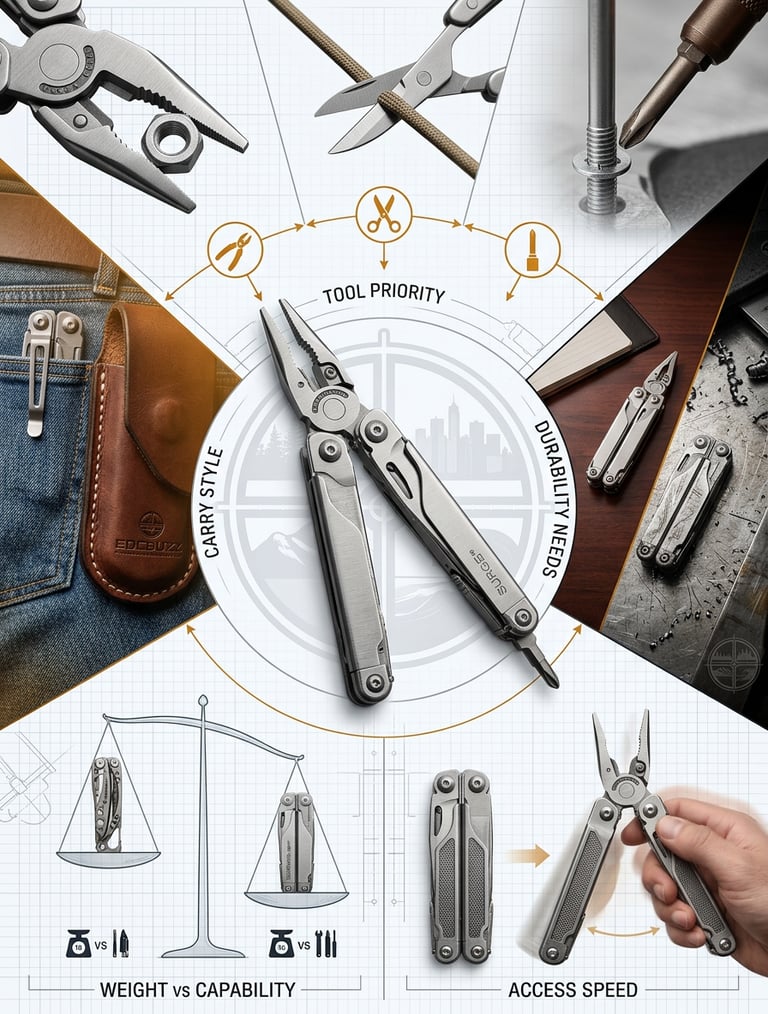
Your choice between locking and non-locking multitools boils down to a few key factors:
Use Case: Heavy-duty tasks favor locking multitools.
Carry Preferences: Lightweight carry leans toward non-locking designs.
Skill & Comfort: Locking tools may require more familiarity.
Maintenance Willingness: Locks require upkeep.
If you’re comparing real-world performance differences between popular models, breakdowns like Gerber Gear Truss vs SOG PowerLock can make those trade-offs easier to visualize.
Maintenance Tips for Locking Multitools
Locking multitools reward care with long-lasting smooth operation, but neglect their locks at your own risk. Over time, dirt, lint, and debris build up around locking mechanisms and pivot points.
Routine maintenance includes:
Cleaning pivot areas
Applying light lubrication
Checking lock engagement
These steps don’t take long but can dramatically extend the life and safety of your multitool.
Common Mistakes to Avoid
When choosing and using multitools, a few common pitfalls tend to crop up:
Assuming all locking mechanisms are created equal
Forgetting maintenance
Choosing non-locking tools for heavy-duty use
Ignoring size and weight
Misjudging safety differences
What often separates a real EDC companion from a drawer piece is how well its design fits your routine.
Frequently Asked Questions
What is the main difference between locking and non-locking multitools?
Locking multitools have mechanical features that secure the tool open until you release it, while non-locking multitools rely on friction and tension.
Are locking multitools safer for daily use?
Generally, yes. They reduce the risk of accidental closure.
Do locking multitools add significant weight or bulk compared to non-locking?
They tend to be slightly heavier but still manageable for everyday carry.
Which multitool type is better for outdoor vs. urban everyday carry?
Locking multitools excel in high-stress tasks, while non-locking tools suit lighter daily use.
How often do locking mechanisms require maintenance?
Periodic cleaning and lubrication keep them running smoothly.
Can non-locking multitools accidentally close during use?
Yes, if used improperly or under heavy force.
Is there a price difference between locking and non-locking multitools?
Locking multitools are often more expensive due to added complexity.
What common materials are used in locking vs non-locking multitools?
Both rely on durable steels, but locking systems demand higher precision materials.
Conclusion
Choosing between locking and non-locking multitools isn’t a dead-simple decision. After living with both over time, the subtle trade-offs between safety, usability, size, and maintenance become remarkably clear—and personal.
Locking multitools provide security that’s hard to overstate, especially when you’re pushing tools harder than expected. Non-locking multitools offer simplicity, lighter carry, and quicker deployment for everyday tasks.
Ultimately, the best multitool is the one that fits your routine and actually earns a place in your pocket.

Contact@TheBuzzHQ.com
© 2026 EDCBuzz. All rights reserved.
EDCBuzz
Master everyday carry systems with clarity and precision. Built for real environments and practical use.
For educational purposes only.
General Inquiries: