
Top Features to Look for in the Best Multitools for Everyday Carry
Discover the best multitool features that blend durability, usability, and ergonomic design for reliable everyday carry convenience.
MULTI-TOOLS
The EDCBuzz Editorial Team - Led by AJ “Buzz” Eichman
4/18/20267 min read
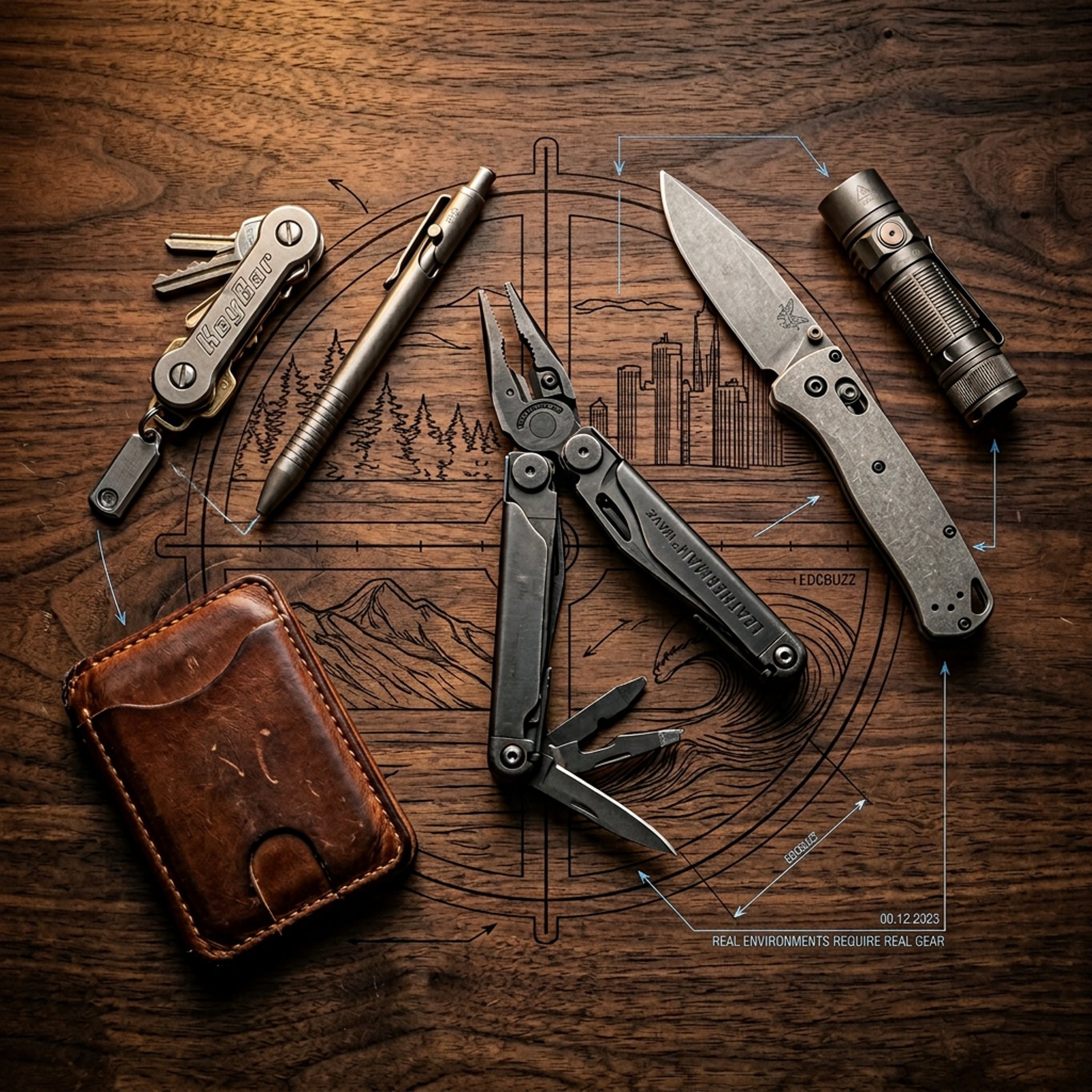
When it comes to everyday carry, a solid multitool earns its spot in the pocket by quietly proving its worth day after day. It’s not about flashy gimmicks or a laundry list of tools you’re never going to use. Instead, the best multitool features are a blend of thoughtful design, durable materials, practical tool selection, and comfortable ergonomics that hold up once the novelty fades. If you’re building out your full setup, starting with EDC Multi-Tools gives you a strong foundation to work from.
After several weeks carrying and using various multitools, I’ve learned that the right one doesn’t just sit there waiting for the “big moment.” It’s the reliable partner that quietly makes daily tasks easier—from tightening a loose screw on your eyeglasses to opening a stubborn package—without adding bulk or frustration.
Quick Verdict
Usability makes all the difference: easy-to-access tools and a comfortable grip are not optional.
Durable materials like stainless or hardened steel pay dividends in longevity and corrosion resistance.
Weight and size matter more than you think, especially after a full day’s carry.
A secure locking mechanism isn’t just a safety feature—it’s an assurance of reliable performance when you need it.
Why Carry a Multitool Every Day?
You don’t carry a multitool because you expect to need every tool every day; you carry it knowing it’s there when something comes up. Real life doesn’t hand you perfectly shaped screws or neatly wrapped packages, so having a compact companion that can chip away at life’s minor nuisances is a quiet relief. Over weeks of daily carry, I’ve noticed that the multitool that fits comfortably in your pocket without telling your back about it during a long day is the one that actually gets carried.
If you're just starting out or still weighing the value, Are Multitools Worth It is a good place to see how they hold up in real use. This isn’t just convenience—it’s about keeping a useful tool at hand without turning your EDC into a bulky chore.
Essential Features of the Best EDC Multitools
Tool Selection with a Purpose
The temptation to snag the multitool boasting 20+ implements is real, but in practice, most of those get in the way more than they get used. After living with several multitools, I’ve found the best ones boil down to a handful of frequently used tools: pliers that get the job done without feeling like a struggle, wire cutters sharp enough to handle a surprise snip, a knife blade that cuts cleanly without needing electric sharpening midway through your day, and a few screwdriver bits that cover the basics without a scavenger hunt for the right size.
If you want to see how these features show up in real-world models, Best EDC Multitools highlights strong all-around options.
Striking that balance means you’re ready when you really need a tool, without the bulk of extras that just weigh you down.
Material and Build Quality: What Lasts?
You can’t fake durability. After months of use, materials reveal their true character—stainless steel and hardened alloys like 154CM steel endure the daily knocks while resisting corrosion, which means less worry about rust if your multitool spends time outside or in damp pockets.
If you're comparing how different builds hold up side by side, Victorinox Handyman vs LEATHERMAN Skeletool RX gives a solid real-world comparison.
A multitool’s finish also plays a quiet role; subtle coatings reduce scratches and prevent glare, making it easier on the eyes and harder to mark up the surfaces you rely on. When build quality slips, so does your confidence, and nobody wants to fumble with a tool that feels like it might fall apart mid-fix.
Ergonomics and Usability in Real-World Scenarios
Good multitools don’t just look functional—they feel good in your hand long after the shine has worn off. During prolonged use, grip shape and handle texture matter more than you might expect. Too many multitools lean hard on metal handles without contour or texture, turning a simple job into a test of hand endurance.
Over several fixes and hours of carry, a tool that prevents grip fatigue—not by being fancy, but by thoughtful design—quickly separates itself from the crowd. Additionally, the ease of opening and closing tools comes into play. Spring-loaded or well-oiled hinges that smoothly deploy with one hand make a noticeable difference when you’re juggling tasks.
Key Tools to Look for Based on Your Daily Needs
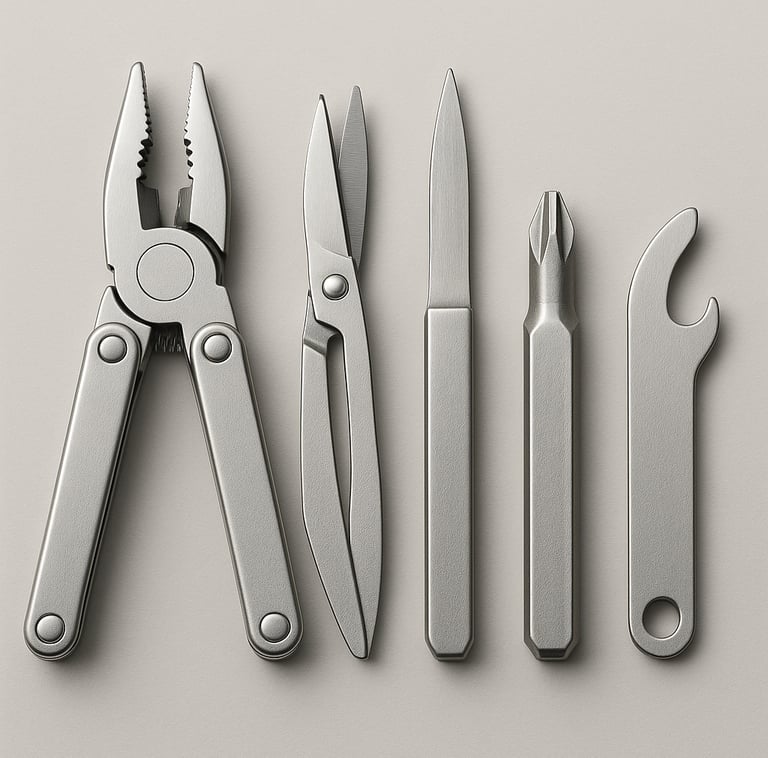
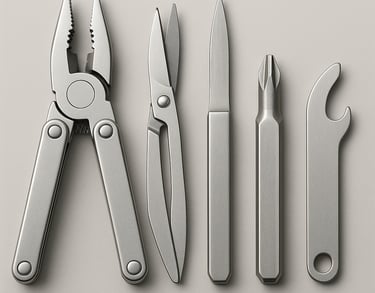
Pliers sit at the heart of almost every multitool, and not all are created equal. Look for something that feels solid but not bulky, with jaws tight enough to grip without slipping. Wire cutters that can handle light electrical work—or just trimming zip ties without dulling the blade—are priceless.
If you want a deeper dive into how pliers actually perform across tools, Multitool Pliers Guide breaks it down further.
A reliable knife blade, usually plain edge or with partial serration, fills in for countless everyday cutting tasks, whether slicing through string or opening packaging.
Screwdrivers, both flathead and Phillips, should be easily accessible and usable without an acrobat’s flexibility. Bonus tools like scissors, can openers, or bottle openers rank high on the convenience scale but shouldn’t add cumbersome size or complexity.
Locking Mechanisms and Safety Features
Safety isn’t just about preventing accidents—it’s about confidence during use. A secure locking mechanism that firmly holds tools in place means you can apply pressure without double-guessing if the blade or screwdriver will fold back on you.
If you're comparing how different locking systems hold up in real-world tools, Locking vs Non-Locking Multitools is worth reviewing.
Over weeks of testing, it’s clear that liner locks, frame locks, or slide locks each have pros and cons, but the right choice comes down to ease of use and durability. If unlocking a tool feels like a battle, or worse, the lock wears out prematurely, that’s a problem you’ll notice right away. A well-designed lock system almost fades into the background, letting you focus on the task instead of your tool’s reliability.
Size, Weight, and Portability Considerations
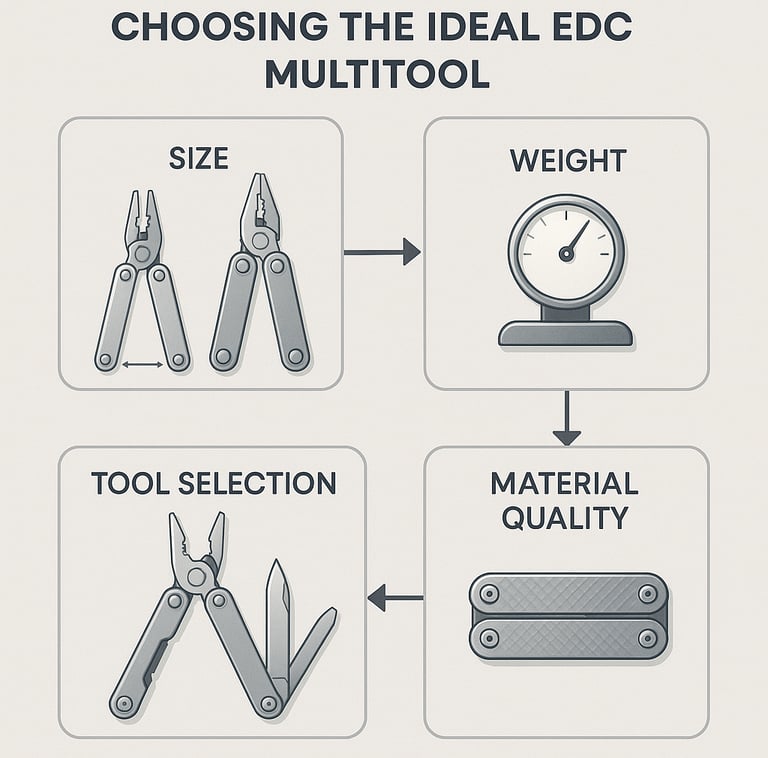
There’s a point where a multitool ceases to be everyday and becomes a weekend project. After several days carrying some larger models, the weight becomes impossible to ignore—not heavy enough to hurt you, but heavy enough to remind you it’s there every time you sit down or reach into your pocket.
If you’re trying to stay compact without sacrificing functionality, Best Keychain Multitools are worth a look.
Striking the right balance means knowing your own carry preferences. The best multitool for everyday carry is one that disappears in your pocket, mostly because it refuses to be a nuisance. Compact models that excel at delivering essential tools without excess bulk tend to win this category.
Maintenance Tips to Keep Your Multitool Ready
A multitool that sits neglected is one that won’t be ready when needed. Regular cleaning to clear debris from hinge areas, oiling to maintain smooth deployment, and sharpening blades to keep cutting efficiency sharp (pun intended) make all the difference.
If you're comparing durability across price points, Best Multitool Under $150 gives a good sense of long-term value.
It doesn’t take much—just a bit of attention every few weeks to keep the tool moving smoothly and looking respectable. Over time, I’ve noticed that tools with simpler mechanisms tend to require less maintenance, so remember that complexity isn’t always a boon when it comes to upkeep.
Common Mistakes in Choosing an EDC Multitool
One of the biggest traps is buying a multitool with an endless list of tools that ultimately add unnecessary bulk and complexity. It’s impressive in the store but cumbersome in practice.
Ignoring ergonomics is another frequent error; a multitool that looks tough but leaves your hand sore after a quick job isn’t helping anyone. Sometimes, brand names or price tags lure folks into buying tools that don’t hold up, overshadowing more practical, well-built options.
Overlooking the importance of locking mechanisms can lead to safety risks, and neglecting tool accessibility can make the daily use more frustrating than efficient. Lastly, forgetting about maintenance often shortens the tool’s functional life, turning a once reliable companion into a stiff, rusty relic.
Frequently Asked Questions
What are the most essential tools to have in an everyday carry multitool?
The essentials boil down to reliable pliers, wire cutters, a sharp utility knife blade, and basic screwdrivers (both flathead and Phillips). Additional tools like scissors, can openers, and bottle openers are convenient but shouldn’t outweigh the essentials.
How do I choose the right size multitool for daily carry?
Consider your typical daily activities, pocket size, and comfort. A multitool that feels like a brick after a day in your pocket probably won’t get carried often. Look for a compact model that balances tool selection with portability.
What materials provide the best durability and corrosion resistance in multitools?
Stainless steel, especially grades like 420HC or 154CM, offers a good balance of strength and corrosion resistance. Hardened alloys improve edge retention but may require more upkeep. Coatings like black oxide or titanium nitride also help improve durability.
How important is tool locking for everyday multitools?
Very important. A reliable locking mechanism prevents tools from folding unexpectedly and adds confidence when applying pressure during use. It’s a key safety and usability feature.
Can multitools replace dedicated hand tools for common tasks?
For many light to moderate tasks, yes. But multitools generally lack the leverage and specialization of dedicated full-sized tools, so they complement rather than fully replace a toolbox.
How do I properly care for and maintain an EDC multitool?
Regularly clean out dirt and debris, lubricate pivots with a light oil, and sharpen blades as needed. Store it dry to prevent corrosion and periodically inspect locks and tool engagement for wear.
What are common upgrades or add-on features to look for?
Spring-assisted tool deployment and ergonomic handle scales are common upgrades that improve usability. Some multitools also include replaceable parts or modular components for added versatility.
Are there multitools better suited for specific professions or hobbies?
Absolutely. Outdoor enthusiasts may prefer tools with specialized features like saw blades or fish scalers, while electricians might require insulated handles or specific driver bits. Matching tool selection with your primary use is key.
Conclusion
The best multitool for everyday carry isn’t the one with the longest list of functions or the flashiest finish. It’s the one that fits naturally into your routine, performs reliably when you need it, and feels good in the hand without demanding attention every time you sit down.
From material quality to seamless tool deployment and thoughtful ergonomics, a good multitool quietly earns its place by fading into the background while getting the job done. Finding one that balances these top multitool features will keep you prepared for whatever daily tasks come your way—without the baggage.
Because at the end of the day, the perfect multitool is the one you actually carry, use, and trust. And maybe occasionally joke about, because even gear deserves a dry dad joke or two.

Contact@TheBuzzHQ.com
© 2026 EDCBuzz. All rights reserved.
EDCBuzz
Master everyday carry systems with clarity and precision. Built for real environments and practical use.
For educational purposes only.
General Inquiries: