
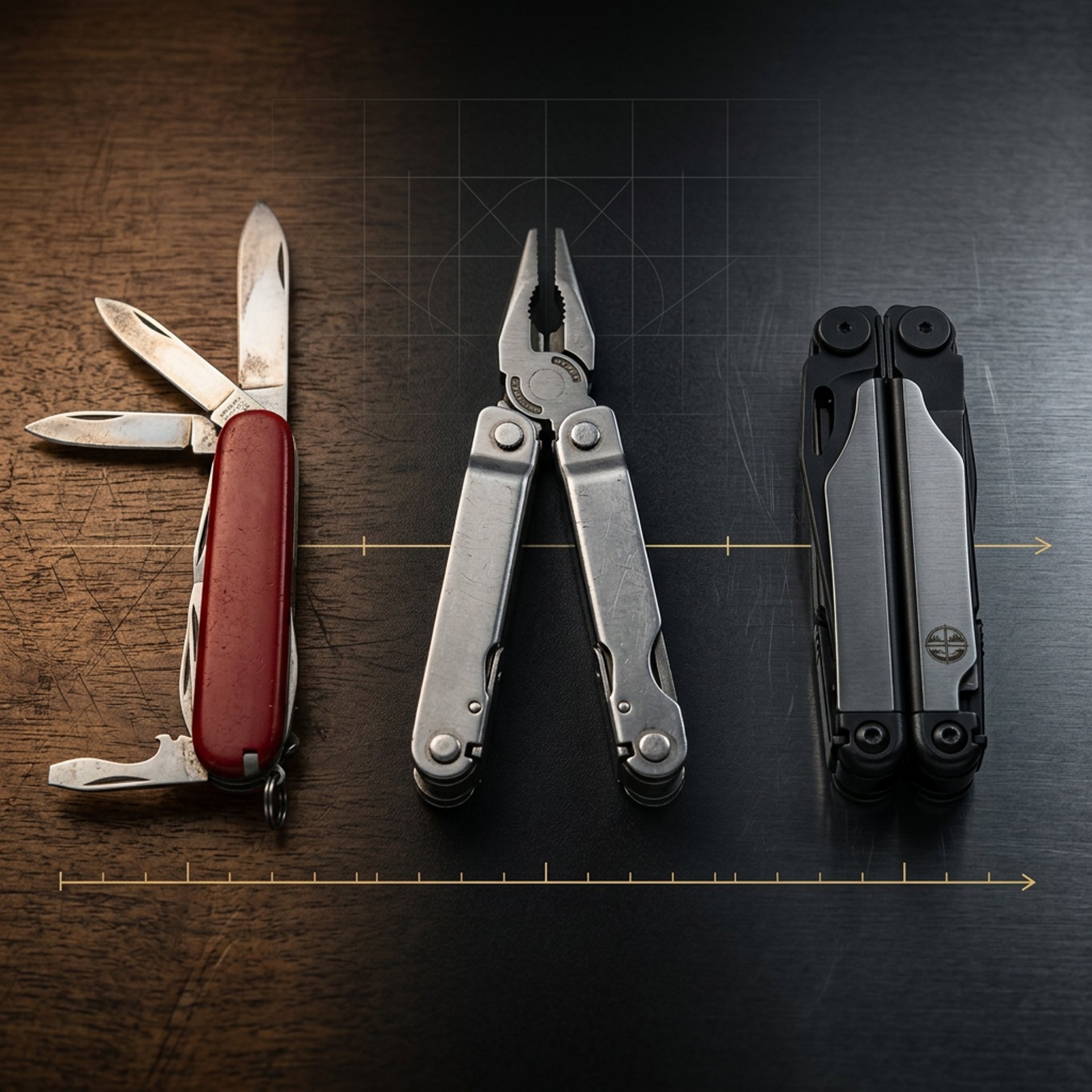
The Ultimate Guide to Multitool Pliers: Features, Uses, and Top Picks
Discover everything you need to know about multitool pliers, including key features, practical uses, and top recommendations for your everyday carry.
MULTI-TOOLS
4/18/20267 min read
Multitool pliers are the unsung heroes of everyday carry essentials. They fold up into a compact package yet perform gripping, twisting, cutting, and manipulating tasks you'd normally reserve for a toolbox full of gear. If you’re the kind of person who likes to solve problems on the fly without lugging around a bag of tools, a multitool with solid pliers could very well be your best friend.
If you're still building out your carry system, it helps to understand how pliers fit into the bigger picture of EDC Multi-Tools, especially when comparing different tool types and capabilities.
After spending weeks living with different multitool pliers, I've come to appreciate not just the immediate uses but the subtle differences that emerge once the novelty fades—detail in grip feel, jaw strength, and comfort during extended carry. This guide aims to break down what makes multitool pliers tick, their common uses, what to look for in a quality pair, and my take on some of the best multitool pliers out there.
Quick Verdict
Multitool pliers combine needle-nose, regular gripping jaws, and wire cutters into one handy, compact unit.
Quality materials like hardened stainless steel significantly impact durability and cutting performance.
Handle ergonomics and locking features matter more over time than at first glance, helping reduce grip fatigue.
The best multitool pliers strike a smart balance between versatility and size — small enough to carry daily but capable enough to handle a surprising range of tasks.
What Are Multitool Pliers? Overview and Basic Mechanisms
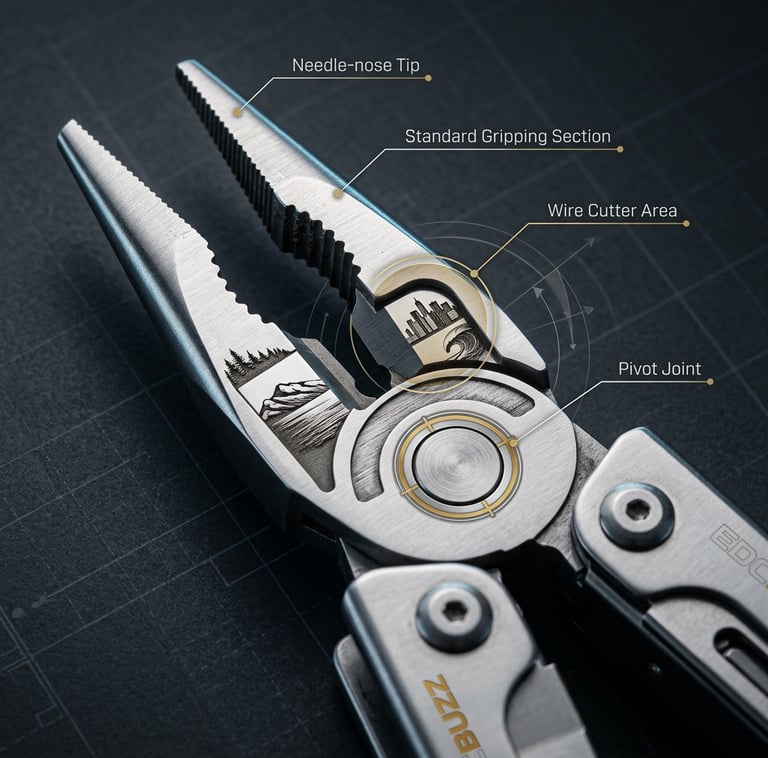
At their core, multitool pliers are folding tools integrated into multitools that allow for a range of gripping and cutting tasks without needing a full set of standalone pliers. They typically feature two sets of jaws: needle-nose for precision gripping, and standard plier jaws for general grabbing and twisting.
If you’re new to the category, understanding What Is an EDC Multitool helps frame how pliers interact with the rest of the toolset and why they’re often the centerpiece of most designs.
Most come with wire cutters built into the jaw base, often with hardened steel edges designed to maintain sharpness for cutting wires, cables, or even small nails.
Common Types of Pliers Found in Multitools
You’ll often find a few distinct plier types bundled into multitools:
Needle-Nose Pliers: These long, slender jaws are great for gripping small objects, bending wire, or reaching tight spaces — think threading a fishing line or pulling a splinter.
Standard or Regular Pliers: Broader jaws that excel at general gripping and twisting — ideal for nuts, bolts, and small hardware.
Wire Cutters: Usually integrated near the base of the pliers’ jaws, these cutters handle everything from stripping and cutting wires to trimming zip ties.
Some models offer spring-loaded pliers, which make opening the jaws easier over repeated uses, reducing hand fatigue — a small feature that becomes surprisingly valuable for those longer jobs.
Key Features to Look for in Multitool Pliers
Once the initial excitement of opening a multitool fades, it’s the small details that determine long-term usefulness. When evaluating multitool pliers, here’s what really matters:
Handle design, locking systems, and material quality all play into long-term usability, and these details become even more obvious when comparing Best Multitool Features Explained across different builds and price points.
At the same time, one of the biggest decision factors most people overlook is value. The real-world difference between budget and premium builds becomes clear when you break down Cheap vs Premium Multitools, especially in areas like cutter longevity and pivot smoothness.
Jaw Size and Reach: Too small, and you won’t get the leverage needed; too large, and the tool becomes bulky. The best pliers balance reach and grip size for common tasks.
Locking Mechanism: Locks keep the pliers stable during use, reducing risk of slips. A positive lock gives confidence for tougher jobs.
Handle Ergonomics: Curved or textured handles that fit the hand well prevent grip fatigue and blistering after repeated use.
Spring-Loaded Jaws: Not a dealbreaker, but once you try spring-assisted pliers, the ease of operation over long stretches becomes clearer.
Tool Variety: Most multitools include other folding tools, but if pliers are your main focus, consider options with wire strippers or replaceable cutter blades for extra versatility.
Weight and Balance: After several hours of carry, even a few extra ounces will be felt in your pocket or clipped to gear. Lighter options with well-distributed weight feel less intrusive.
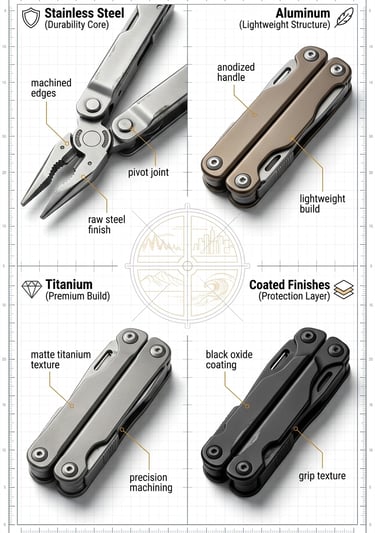
Material Quality: Hardened stainless steel jaws resist wear and maintain a sharp edge on cutters longer. Cheaper alloys might rust or dull prematurely.
Materials and Build Quality: What Affects Durability?
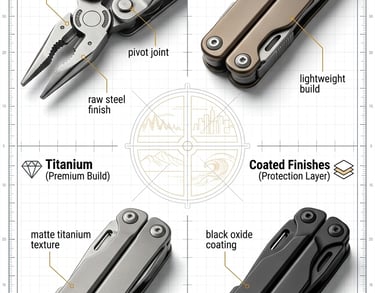
The material makeup defines how long your multitool pliers will last and how well they perform. Hardened stainless steel is a common choice because it resists corrosion and keeps cutting edges sharp longer. Some manufacturers use high-carbon steel or add special coatings to increase hardness and reduce wear.
If you're deciding between different build tiers, this is another area where Cheap vs Premium Multitools becomes especially relevant, since tolerances and finishing quality often separate long-term performers from short-term fixes.
What’s less obvious but equally important is the build tolerances and finish. Well-machined jaws with tight tolerances grip better, while smooth handles with finely finished springs and pivots open and close consistently without feeling loose or sticky. After a few weeks of use, a multitool with sloppy pivot points or unfinished steel can feel like carrying a project rather than a tool.
Practical Daily Uses for Multitool Pliers
I’ve seen multitool pliers go from novelty to necessity after a few days of carry, and their use cases are more varied than you might expect:
These everyday scenarios are exactly where options from Best EDC Multitools tend to stand out, since real-world usability depends heavily on how well the pliers integrate with the rest of the toolset.
Quick Repairs: Tightening loose screws, adjusting eyeglasses, or bending small metal tabs.
Package Opening: No need to fumble for scissors when wire cutters and plier jaws tackle plastic straps and seals efficiently.
Outdoor Adjustments: Fishing line cutting, removing hooks, gear repairs, or tent setup adjustments.
Electrical Work: Handling and cutting wires for minor electrical fixes (with appropriate insulated handles if doing serious work).
Automotive and Cycling Fixes: Emergency tightening and wire cutting on roadside fixes.
Everyday Grabbing and Holding: Whether it’s pulling out a stubborn nail, gripping a stripped bolt, or twisting tiny components.
If you’re like me, once you find yourself reaching for your multitool pliers more than once a day, it’s hard to imagine carrying less.
Common Mistakes When Choosing Multitool Pliers
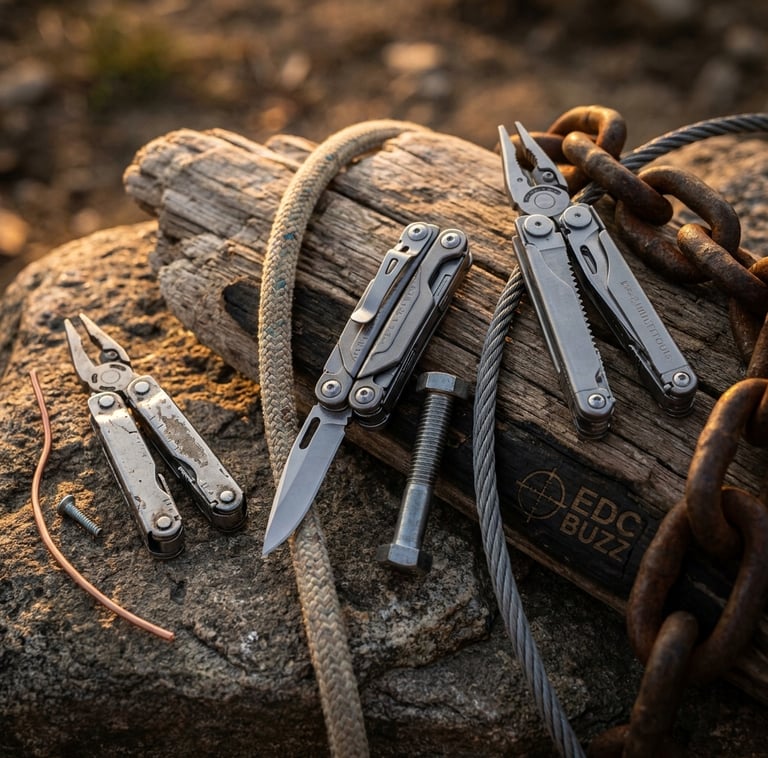
There are a few classic missteps I’ve seen carried out by eager buyers, including myself early on:
A lot of these mistakes also show up when comparing different designs side-by-side, especially in breakdowns like LEATHERMAN Wave+ vs Gerber Diesel, where build quality and usability differences become much easier to spot.
Opting for small, flimsy pliers that won’t hold a grip or provide leverage when you need it.
Overlooking locking mechanisms, resulting in a wobbly tool that feels unsafe during use.
Neglecting the quality of wire cutters, which wear quickly if they aren’t made of hardened steel.
Assuming all pliers are equal — some designs sacrifice comfort or function to fit more tools into smaller handles.
Ignoring handle comfort, leading to hand fatigue or pinching after prolonged use.
Failing to maintain the multitool by cleaning and lubricating pivots, which affects smoothness and lifespan.
Top Picks: Best Multitool Pliers on the Market
After carrying and using various multitools with pliers, a few stand out for blending durability, comfort, and versatility:
If you're narrowing down options, it’s worth checking curated picks like Best Multitool Under $100, which tend to hit a strong balance between performance and everyday affordability.
Leatherman Wave Plus
Gerber Suspension NXT
Victorinox SwissTool Spirit X
SOG PowerAssist
Each has its quirks, but none left me with the feeling that the multitool was dead weight in my pocket.
Maintenance Tips to Keep Your Multitool Pliers in Top Shape
Like any tool worth its salt, multitool pliers benefit from a little regular care:
Clean dirt and grime from pivot joints and jaws after heavy use.
Lubricate the pivots with a light machine oil to maintain smooth opening and locking.
Sharpen wire cutters gently to extend their cutting life.
Check locking mechanisms periodically for wear or looseness.
Store your multitool dry to avoid rust.
Frequently Asked Questions About Multitool Pliers
What are the main types of pliers included in multitools?
Most multitools combine needle-nose pliers for precision gripping, standard pliers for general use, and wire cutters built into the jaw base.
How do multitool pliers differ from regular standalone pliers?
They’re smaller and foldable for portability, sacrificing size and leverage but gaining the convenience of multiple tools in one compact package.
What materials are best for durable multitool pliers?
Hardened stainless steel or high-carbon steel with corrosion-resistant coatings provide the best balance of durability and rust resistance.
Can multitool pliers replace regular pliers for daily tasks?
For light to moderate tasks, definitely yes. For heavy-duty or specialized jobs, standalone pliers are still preferred.
How do I maintain and clean multitool pliers properly?
Wipe clean after use, lubricate pivots, sharpen cutters as needed, and avoid prolonged exposure to moisture.
What are common uses of pliers on a multitool in everyday carry?
Tightening small screws, cutting wires, opening packaging, adjusting gear, and minor repairs.
Are there multitool pliers designed specifically for electrical work?
Some multitools include wire strippers and insulated handles, but for serious electrical work, dedicated insulated tools are advisable.
What features should I look for when buying multitool pliers?
Look for sturdy jaw construction, locking mechanism, comfortable handles, spring-loaded action, and quality wire cutters.
Conclusion
Multitool pliers have earned their place in everyday carry by packing a surprising amount of utility into a neatly foldable design. The ones worth carrying are the multitools that marry strong, sharp jaws with good ergonomics and locking safety — features that become unmistakably important once you’ve squeezed your way through a handful of real fixes.
While they can’t fully replace a toolbox, multitool pliers provide enough versatility and convenience for daily repairs, outdoor adventures, and quick fixes without weighing down your pockets.

Contact@TheBuzzHQ.com
© 2026 EDCBuzz. All rights reserved.
EDCBuzz
Master everyday carry systems with clarity and precision. Built for real environments and practical use.
For educational purposes only.
General Inquiries: