
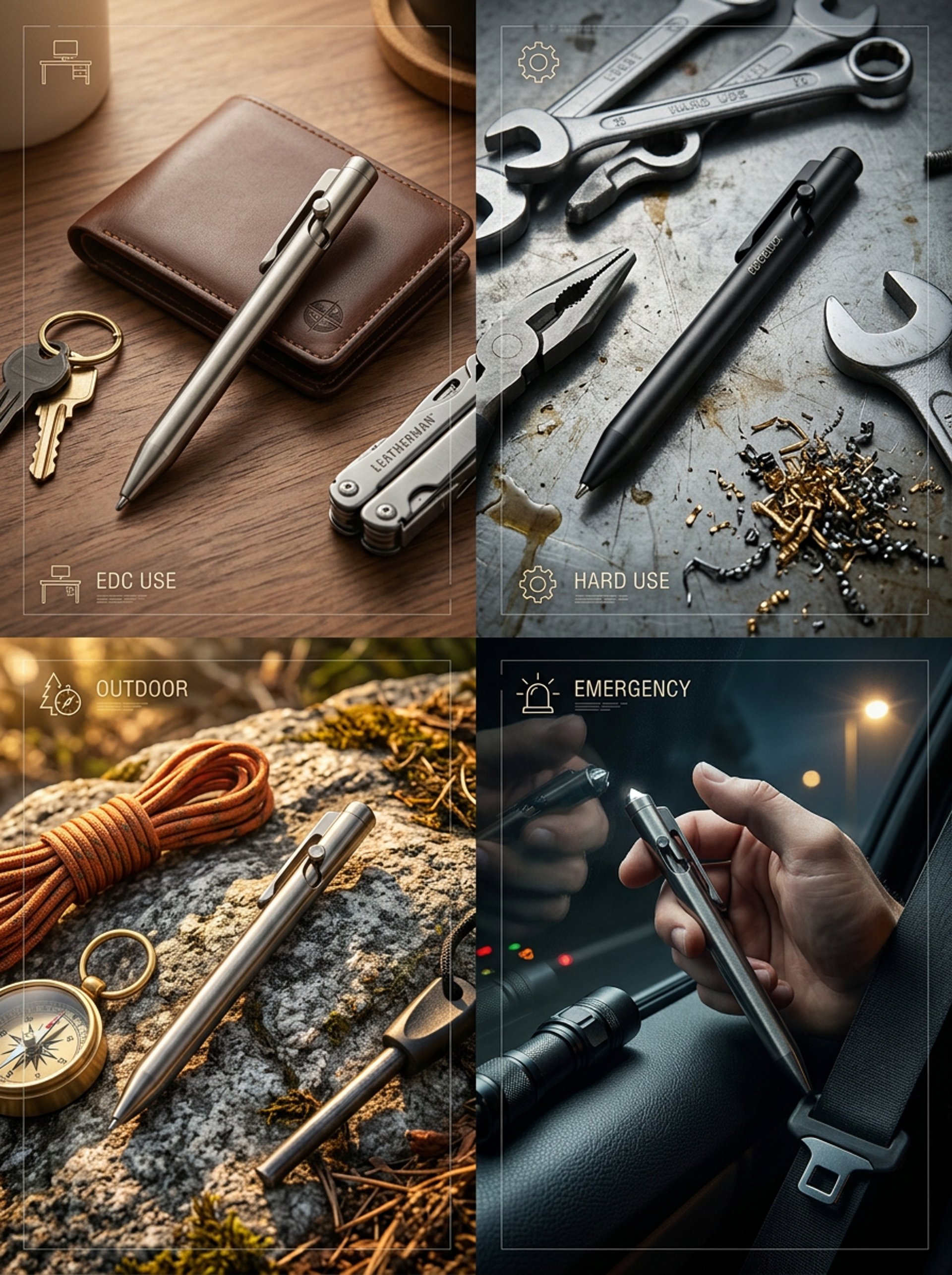
What Makes a Good EDC Pen? Key Features and Tips
Discover the key features of a good EDC pen, from ink reliability to comfort and durability, so you always have the perfect pen on hand.
EDC PENS
The EDCBuzz Editorial Team - Led by AJ “Buzz” Eichman
4/27/20268 min read
If you’ve ever fumbled through your pockets hunting for a pen only to find one that’s dried out, awkward to hold, or just plain unwieldy, you know why choosing the right everyday carry (EDC) pen matters. If you’re building out a full system, understanding how everything connects within EDC Pens helps you make better decisions from the start. A good EDC pen isn’t just a writing instrument—it’s a reliable tool that lives with you through meetings, quick notes, outdoor sketches, and those random moments when inspiration or form-filling strike. Getting an EDC pen that strikes the right balance between comfort, reliability, and portability means you’ll never have to settle for scribbling with your finger or auditioning half a dozen pens before you find one that actually works.
After carrying and using a handful of pens over several weeks, I’ve noticed how subtle things—a smooth ink flow, a grip that doesn’t tire your hand after a few sentences, a clip sturdy enough to stay put—can make or break the daily writing experience. Some details only show up after living with the pen, not at first glance. Here’s what really matters when choosing your next everyday carry pen.
Quick Verdict
The best EDC pens deliver consistent, smooth ink flow without skipping or smudging, so your writing stays neat.
Comfortable grip and balanced weight are crucial for extended writing without fatigue.
Durable materials like aluminum or stainless steel ensure your pen can handle daily wear and occasional drops.
A secure, practical clip means your pen stays exactly where you left it — no surprise losses.
What Is an EDC Pen and Why Does It Matter?
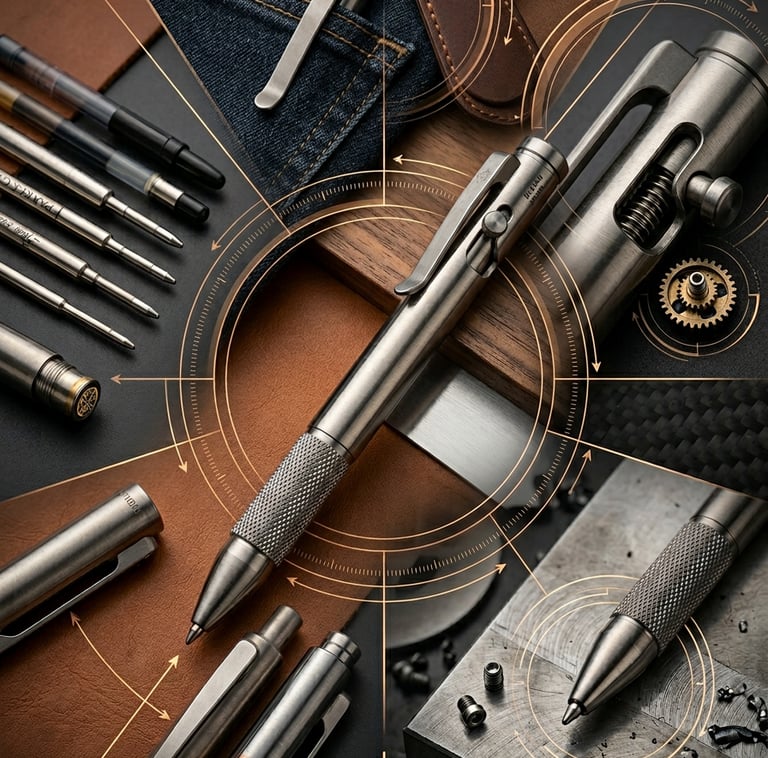
At its core, an everyday carry pen is designed to be your go-to writing companion—light enough to forget you’re carrying it, sturdy enough to perform day after day, and comfortable enough to hold through everything from jotting quick memos to long scribbles in a notebook. It’s not just about having something that writes; it’s about having a pen that keeps pace with your life without becoming a nuisance.
If you’re comparing solid, everyday-ready options across different price points, Best EDC Pens is a good place to see what actually holds up.
Sure, fancy pens can look sharp on a desk, but if they don’t withstand daily carry, dry out after a week, or start digging into your fingers after a few lines, their looks quickly lose appeal. The best EDC pens blend performance with practical design to stay reliable long after you’ve stopped noticing you have it. Think of your EDC pen as the unsung hero of your pocket—quiet, dependable, and always ready.
Key Features of a High-Quality EDC Pen
Ink Reliability and Smoothness
The pen’s ink is arguably the heart of its usefulness. Gel inks are popular for their smooth, quick-drying legibility but tend to run out faster. Ballpoint inks are thicker and can handle more varied surfaces without smudging, though sometimes you need to press a bit harder, which adds up after pages of notes. Rollerball pens often offer the smoothest glide but may not always dry as fast or last as long.
With regular use, I’ve learned quick ink drying matters more than I expected, especially if you tend to write with your hand trailing the text. A pen that leaves smudges isn’t reliable even if it writes well initially. Gel inks strike a nice balance for daily scribbling, but if longevity and versatility count more for you, a good ballpoint might be the better bet.
Grip, Comfort, and Weight
Writing comfort is rarely glamorous but absolutely essential. A pen that feels great at first can become awkward or tire your hand after continuous use. Ergonomic grips, rubberized or textured sections, or subtle contours can make a surprising difference when you’re in the middle of writing page after page.
Weight also plays a subtle role: I’ve carried pens that were so light they vanished into my jeans, which is great for pocket comfort but sometimes made handwriting feel less steady. On the flip side, overly heavy pens start to remind you of their presence after too long, which isn’t exactly relaxing. The sweet spot is a pen with enough heft to feel solid but light enough to forget about during the day.
If you’re deciding between lighter vs heavier builds, EDC Pen Materials: Titanium vs Steel helps break down how weight and durability actually play out.
Durability and Material Quality
Everyday carry isn’t a gentle affair. Your pen will face being tossed in pockets alongside keys, change, and whatever else your day demands—and probably the occasional fall. Aluminum and stainless steel bodies offer a good mix of toughness and corrosion resistance without turning your pocket into a metal minefield.
Some plastic models can also hold up well but often sacrifice that reassuring weight and feel. I’ve learned to appreciate pens made from anodized aluminum for how they wear gracefully instead of looking scuffed and tired after a few months.
If you want something built for harsher conditions or added utility, Tactical Pens Explained is worth a look.
Compactness and Portability
A bulky pen is a tough sell for front-pocket carry, so size and shape matter. Compact or low-profile pens slide into your pocket without creating a bulge or discomfort, which encourages you to carry them consistently. Clips should hold the pen securely in place—even with movement or sitting down—so you don’t accidentally lose your favorite writing tool.
After a few days, the difference in convenience between a thoughtfully designed clip and one that's just tacked on becomes clear. It’s the little things like this that decide whether the pen stays in your carry rotation or vanishes into the abyss of forgotten gear.
Pen Mechanism and Usability
Mechanisms tend to fall into click, twist, or capped styles. Click pens win for sheer speed and convenience—you can deploy and stow them quickly, often with one hand. Twist pens can feel a little fancier and often have fewer moving parts to fail, but they take longer to operate. Capped pens might offer a more classic feel but can be inconvenient for fast use or on the go since you have to find a place for the cap while writing.
If you’re comparing how mechanisms affect real-world use, Bolt Action vs Click Pens gives a deeper breakdown.
After living with all three, I find the click mechanism strikes the best balance for frequent notes and quick access during a busy day.
Comparing Ink Types: Gel, Ballpoint, and Rollerball
The ink you choose isn’t just taste—it’s a practical decision. Gel pens provide smooth lines and dry quickly, making them great for cleaner notes or precise writing. Ballpoint inks tend to be more reliable on diverse surfaces and last longer but may require a bit more pressure, which could tire fingers if you’re writing a lot.
Rollerball pens combine a smooth glide with richer ink, but the wetter ink might smudge more and run out sooner. If you’re outdoors or frequently jotting on less-than-ideal surfaces, ballpoint ink usually wins for consistency.
Material Considerations for Durability and Comfort
Aluminum, stainless steel, titanium, and high-grade plastics each have their place. Aluminum balances weight and toughness nicely, often with anodized finishes that resist scratches. Stainless steel is heavier but nearly indestructible, providing a satisfying heft that many users prefer.
Titanium is rarer and pricier but offers outstanding strength with manageable weight. Good plastic pens can be light and pocket-friendly but sometimes feel less durable or cheap over time. The best material depends on your balance between weight, durability, and style preferences.
Design Elements that Enhance Usability
Small ergonomic touches, like a textured grip or a tapered barrel, can dramatically improve comfort during extended writing. Some pens include rubberized grips or subtle knurling to prevent slipping when your hands get sweaty or gloved.
Clip design is a surprisingly overlooked detail. A good clip stays put without being overly stiff and allows for quick attachment to pockets, notebooks, or planners. It’s worth swiping a few pens in and out of your pocket during a store visit to see how the clip feels in real use.
Common Mistakes When Choosing an EDC Pen
One of the most common missteps is picking a pen mainly for its aesthetics while sidelining comfort and reliability. A flashy pen that digs into your fingers or dries out quickly becomes a “nice idea” you never carry.
Ignoring ink type and flow is another trap. A pen that skips or smudges undercuts your writing more than a slightly heavier pen ever could. Bulky or heavy pens might look robust but could end up left in the drawer after a day or two due to discomfort.
Ignoring the clip is a slower-loss mistake. Without a solid clip, your pen risks falling out unnoticed during everyday movement, leading to a frustrating and avoidable loss.
Finally, not considering refill options can lead to unnecessary waste and expense. Refillable pens are a smarter, more sustainable investment for daily use.
Maintenance Tips for Prolonged Pen Life
Keep your pen’s tip clean and occasionally wipe the barrel to avoid grime buildup—especially if you pocket it with other gear. Replace refills as soon as the ink skips noticeably instead of pressing harder, which risks damage.
If your pen has a rubber grip, try not to leave it in excessive heat or direct sunlight for long periods, which can dry out or degrade the material. Simple upkeep like this means your pen will age more gracefully and last much longer.
Top Recommendations and Buyer Tips
When choosing your next everyday carry pen, think about how and where you’ll use it most. Need something for daily office tasks and quick notes? A smooth gel ink pen with a click mechanism and aluminum body often hits the sweet spot. Prefer a pen that doesn’t mind occasional outdoor use or writing on rough surfaces? Consider a sturdy ballpoint with a strong clip and textured grip.
If you’re comparing higher-end options that balance performance and design, Best Premium EDC Pens is worth checking out.
Weight and size matter more than many realize until the pen has been in your pocket all day. Try to evaluate pens not just at a glance but hold and write with them if possible—your hand will tell you which pen is ready to stick around.
Remember to factor in refill availability and consider pen designs that use standard international refills—they make replacements simple and budget-friendly. Also, don’t overlook clip quality; a solid clip could save you from a mid-day pen hunt.
Frequently Asked Questions about EDC Pens
What ink type is best for everyday carry pens?
Gel ink offers smooth, quick-drying writing and is great for clean notes, while ballpoint ink tends to last longer and perform better on varied surfaces. Your choice should reflect your primary writing environments.
How important is pen weight for EDC usability?
Pen weight influences comfort and stability. A moderately weighted pen feels substantial without causing hand fatigue, whereas a very light pen might feel less steady, and a heavy pen can tire you out after prolonged writing.
Are refillable pens better for EDC than disposable ones?
Generally, yes. Refillable pens offer long-term savings, reduce waste, and often provide better writing performance over extended use, making them more practical and sustainable.
Which materials offer the best durability for an EDC pen?
Aluminum, stainless steel, and titanium are top performers in durability and longevity, while high-grade plastics can also work if you prioritize lightweight carry.
How do I choose a pen that writes well on different surfaces?
Ballpoint inks usually perform better on rough or glossy surfaces, while gel and rollerball inks excel on smooth paper but may smudge or fail on less-than-ideal surfaces.
What features enhance comfort for long writing sessions?
Ergonomic, textured grips, balanced weight, and the right pen diameter all help reduce hand fatigue during extended writing.
Can compact pens perform as well as full-sized ones?
Yes, many compact pens maintain excellent writing quality and comfort, though they may trade some grip size for portability. The best designs balance size without sacrificing usability.
How do I maintain an EDC pen properly?
Keep the tip clean, replace refills promptly, avoid exposing rubberized grips to extreme heat, and regularly check the clip and mechanism for smooth operation.
Practical Conclusion
Choosing a good EDC pen is about more than just how it looks on paper the first time you try it. It’s the subtle, after-use details—how the pen feels after hours of note-taking, how it fits in your pocket, whether it’s still reliable after weeks of carry—that tell the real story. Balancing smooth ink flow, comfort, durability, and portability ensures your pen will stay not just in your pocket but in your daily routine.
So the next time you reach for a pen, know that the right everyday carry choice is one that fades into the background until you need it—then performs without complaint. It’s the kind of everyday companion worth carrying. And if you find one that makes you smile quietly when you pull it out, well, that’s just a bonus.
Contact@TheBuzzHQ.com
© 2026 EDCBuzz. All rights reserved.
EDCBuzz
Master everyday carry systems with clarity and precision. Built for real environments and practical use.
For educational purposes only.
General Inquiries: