
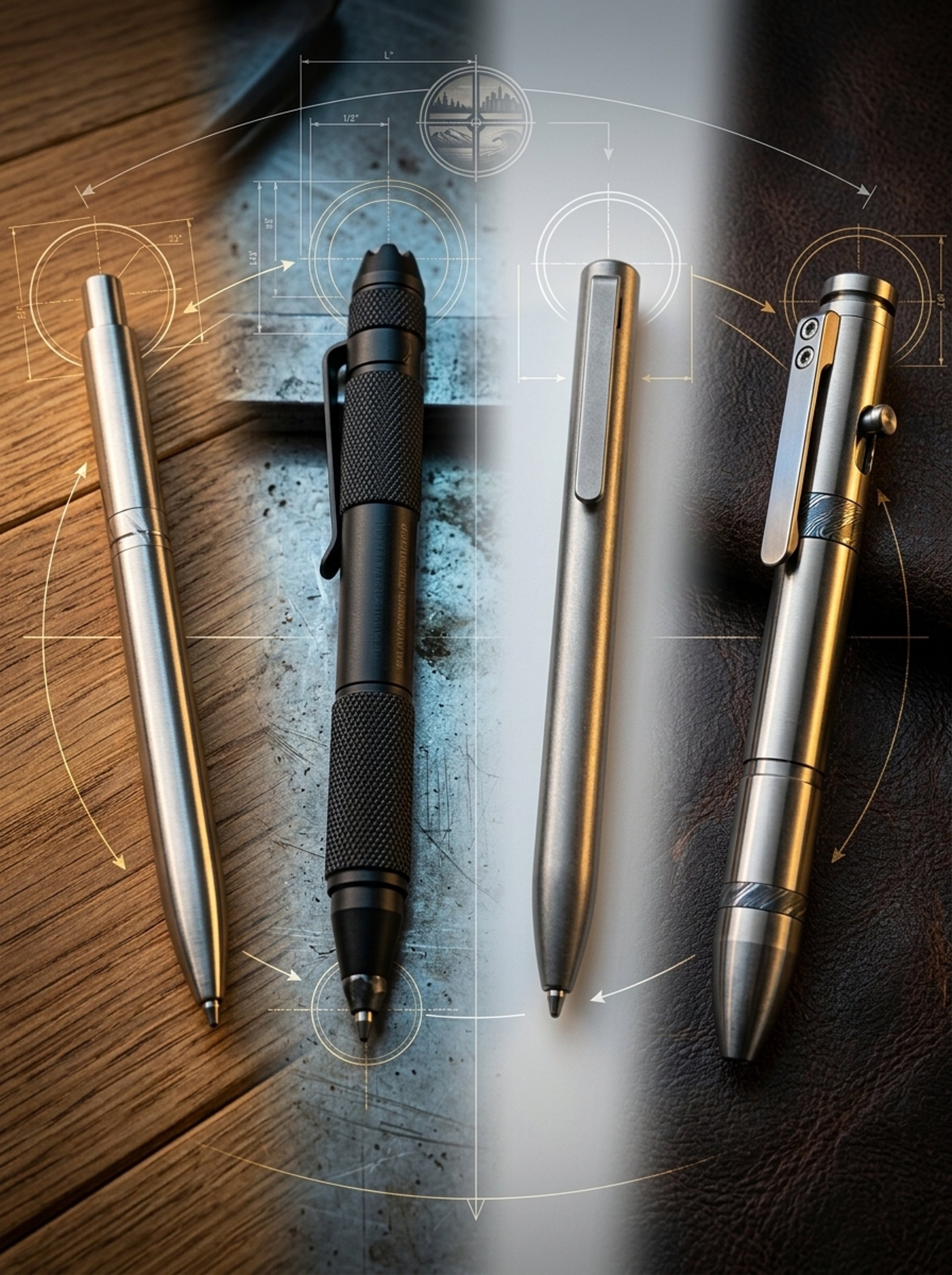
Tactical Pens Explained
Discover tactical pens, sturdy everyday carry tools blending reliable writing with practical features and emergency readiness for daily life.
EDC PENS
The EDCBuzz Editorial Team - Led by AJ “Buzz” Eichman
4/27/20269 min read
If you’ve ever found yourself scrambling for a pen that doesn’t flop open, pass out in your pocket, or just plain quit on you when you need it most, then a tactical pen might just be the unsung hero your everyday carry has been missing. If you’re building out a full everyday carry setup, it’s worth understanding how a pen fits into the bigger picture with EDC Pens. These aren’t your run-of-the-mill ballpoints picked up from the corner store. Tactical pens are sturdy, thoughtfully designed writing instruments built to stay reliable in daily use—and stay useful well beyond jotting down a grocery list. Crafted from tough materials like aircraft-grade aluminum or titanium, they bring a subtle kind of versatility that turns an ordinary pen into a practical tool for everyday tasks, emergencies, and yes, even discreet self-defense.
After carrying a handful of these pens for several weeks, I noticed they offer a balance rarely hit by standard pens: durability meets usability with that added ‘just in case’ edge. Not flash or gimmicks, but steady, reliable function that becomes clear after you’ve tucked one in your pocket day in and day out.
Quick Verdict
• Tactical pens provide a solid, comfortable writing experience that doesn’t sacrifice ruggedness.
• Built-in features, like reinforced tips, expand their usefulness in emergencies without compromising daily comfort.
• Materials like aluminum and titanium strike a good balance between strength and manageable weight.
• Choosing the best tactical pen means balancing build quality, grip ergonomics, and thoughtful features relevant to your lifestyle.
What Is a Tactical Pen?
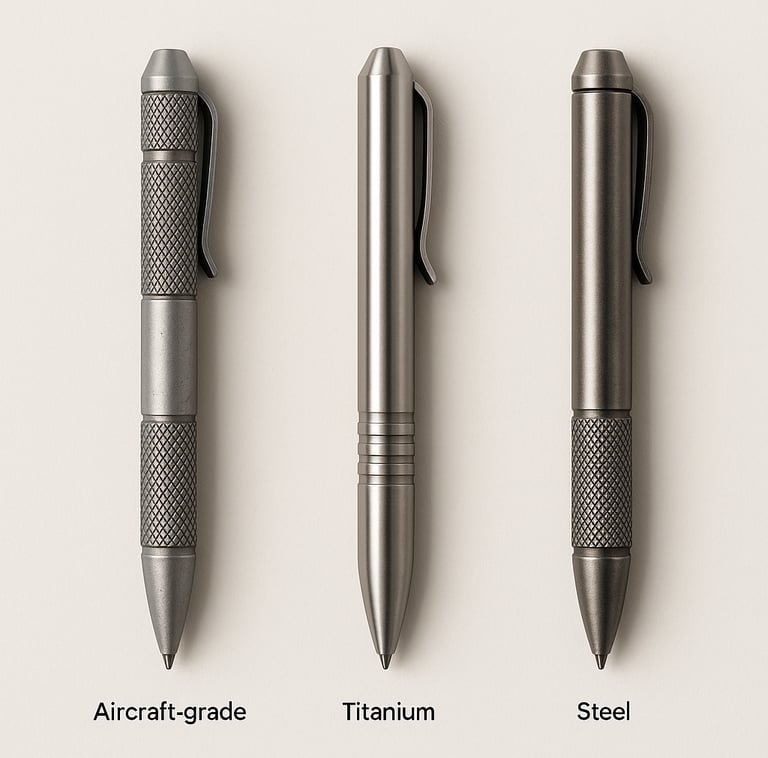
A tactical pen is, at its core, exactly what it sounds like: a pen built for tactical situations—though I use “tactical” loosely here, not in a military or combative sense. Think of it as an everyday carry pen that doubles as a practical tool when the occasion calls for more than writing. These pens are tougher than standard models by design, often featuring aircraft-grade aluminum or titanium bodies that resist dents, scratches, and general wear.
If you’re still figuring out how these compare to other everyday options, What Makes a Good EDC Pen breaks down the core features that actually matter.
The phenom really is in the multi-functional nature. Most tactical pens come with a reinforced tip designed for breaking glass in emergencies, a textured grip to keep you from fumbling in high-stress moments, and sometimes even hidden extras like screwdrivers or subtle pry bars. This makes them useful not only for scribbling notes but also for small survival or emergency tasks where a traditional pen wouldn't hold up.
After several weeks of use, one detail stood out: these pens take the glass-breaking feature seriously. Not that I was out trying to bust windows for kicks, but knowing it’s there adds peace of mind without impacting the smoothness of everyday use.
Key Features and Materials Used
When you first pick up a tactical pen, the materials and build quality jump out right away—and those first impressions mostly hold up. You’re looking at bodies made from materials like aircraft-grade aluminum, titanium, or sometimes steel. Aluminum offers a good mix of strength and light weight, while titanium brings serious durability with a modest weight penalty.
Material choice plays a huge role in long-term performance, which is why EDC Pen Materials: Titanium vs Steel is worth a deeper look before committing.
Several pens I carried hovered around 1.5 to 3 ounces. After a day or two, the weight became noticeable—not a dealbreaker by any means, but something you don’t quite forget. The heavier titanium models gave a reassuring heft, sort of like the pen equivalent of a firm handshake.
Grip design deserves special mention here. Patterned or ridged grips aren’t just for show; they really help when you find yourself writing longer notes or need to hold firm in unpredictable conditions, like slick or sweaty hands. It’s easy to overlook, but this grip comfort means writes stay consistent, no blotches or slips, day after day.
Some tactical pens add extra tools discreetly tucked away—tiny screwdrivers, bottle openers, or pry bars. While handy, these additions do add to bulk and weight, so I recommend weighing (pun intended) your priorities for every day carry.
Common Uses for Tactical Pens in Everyday Carry
What surprised me most about tactical pens was just how often they fit naturally into everyday life. On paper, these pens are billed as emergency tools, but after a few weeks, I found myself reaching for mine daily for usual tasks.
If you’re looking to carry one daily, browsing the top-rated options in Best Multi-Purpose EDC Pens makes it easier to find something that fits your routine.
First off, good, reliable writing is the baseline. These pens offer smooth ballpoint refills—usually Parker-style cartridges—that perform consistently without weird skips or smudges. That alone puts them a step ahead of many disposable pens cluttering pockets and drawers.
Beyond that, the reinforced metal tip is practical in emergencies, such as breaking windows if you get stuck in a vehicle or building. It’s not something you hope to test in practice, but the design delivers confidence just knowing it’s there.
Another use case that emerged was in outdoor or survival settings. For hikers, campers, or anyone who spends time outside, a tactical pen’s durability and multi-tool aspects make it a quiet champion. Mine handled minor prying jobs, marking wood or gear, and even helped unscrew tiny fittings without flinching.
For travel, the tactical pen is a discreet way to carry a tool that fits airport carry-on rules (check your local regulations, of course). It’s not bulky or aggressive in appearance, which means less hassle and more functionality.
How Tactical Pens Differ from Regular Pens
This is where the “tactical” really becomes clear. The average pen tends to be fragile and easily one-note—writing. Tactical pens, however, are designed from the entry point to balance multiple demands.
Several design details stick out after extended use: the reinforced tips are engineered to take focused impact rather than the fragile plastic points on typical pens. Weight distribution feels deliberate, so the pen sits sturdily in hand and pocket without wobbling or sliding around. Grip textures make longer writing sessions more comfortable, unlike slippery plastic casings that irritate your fingers after a few lines.
Mechanism also plays a role here, and Bolt Action vs Click Pens highlights how deployment styles impact reliability and everyday use.
It’s also apparent that tactical pens favor durability over fashion gimmicks. They’re not trying to be flashy or lightweight novelties; instead, they settle in comfortably for daily wear and tear. They tend to be stealthy in appearance, avoiding obvious “tactical” markings to keep them civilian-friendly.
Choosing the Best Tactical Pen for Your Needs
Picking out a tactical pen can seem straightforward until you start weighing build quality, features, and your specific daily needs against price. Here are some angles that helped me narrow down choices after multiple use-cycles.
For a broader look beyond tactical-specific builds, Best EDC Pens covers everyday options across multiple styles and use cases.
Material matters. Aluminum delivers a lighter carry but with some tradeoffs in scratch resistance. Titanium adds premium durability and a nice heft without becoming cumbersome. Steel is tough but often heavier—less appealing if you keep your pockets light.
Grip comfort is another big one. Tactical pens come with various textures, from knurled metal to rubberized or grooved surfaces. After using a few brands, I settled on pens that balanced grip without feeling abrasive—an important factor for regular writing.
Feature-wise, consider which extras you’ll actually use versus carry just in case. Glass breaker tips are almost universal and useful. Additional tools like screwdrivers or pry bars add versatility but add bulk and can make the pen front-heavy. I opted for a streamlined model that wouldn’t feel like carrying a mini multi-tool slapped onto a pen body.
If you’re comparing premium builds side by side, Tactile Turn Titanium Bolt vs BID Dual Side Click highlights how design choices affect real-world performance.
Length and weight also deserve thought. Longer pens can be easier to write with but don’t slip as easily into smaller pockets. Heavier options feel durable but get noticed after a few hours.
Finally, check legality for your area. Some regions restrict carrying pens with features that might be seen as self-defense tools, so better to be informed before committing.
Legal Considerations Around Tactical Pens
One subtle but important topic that comes up is legality. Tactical pens, by nature, straddle a line in many jurisdictions because some features—especially reinforced tips—can be construed as self-defense tools.
Having lived with these for months, I’d advise treating your pen foremost as a practical tool rather than a weapon. Most tactical pens are legal to carry, as they look and function primarily as pens. However, local laws can vary widely, so it’s wise to check regulations regarding tools that can be classified as weapons or concealed devices.
A good rule of thumb is to avoid anything overtly designed to cause harm and keep your pen’s primary use aligned with everyday writing and emergency utility.
Maintenance and Care Tips
Tactical pens aren’t maintenance-free, but keeping them in solid working order usually boils down to a few simple habits.
Regularly check and replace the ink refill as needed. Most tactical pens accept common ballpoint cartridges, which means replacements are easy and inexpensive.
Keep the pen clean, especially the tip area, to avoid grime buildup that might impede smooth writing or glass-breaking functions. A quick wipe with a cloth after heavy use goes a long way.
If your pen has additional tools or moving parts, periodic gentle tightening and inspection will maintain their functionality without surprises.
Finally, store your pen in a way that avoids scratching the finish—tactical pens usually hold up better than typical pens, but hard impacts or rough surfaces can wear them down over time.
Common Mistakes to Avoid When Buying a Tactical Pen
One trap I’ve seen others fall into is the assumption that a tactical pen is just a fancy weapon replacement, which misses the whole point. These pens are everyday tools first; self-defense is secondary and should never be their sole purpose.
Another common error is going cheap. The market is full of tactical pens that promise a lot but crack, bend, or strip after minimal use. Investing in reputable brands with solid materials pays off in daily reliability.
Ignoring ergonomics is also a mistake. A tactical pen that you don’t want to write with because of poor grip or awkward weight distribution might end up less useful than a simple, sturdy ballpoint.
Lastly, overlooking local carry laws can lead to unwanted trouble—even the best tactical pen isn’t worth legal headaches.
Frequently Asked Questions About Tactical Pens
What makes a pen 'tactical' compared to a regular pen?
A tactical pen is built from durable materials like aircraft-grade aluminum or titanium and features design elements such as reinforced tips for emergencies, textured grips for stability, and sometimes multi-tool capabilities. Unlike regular pens, they balance robust utility with daily writing function.
Are tactical pens legal to carry everywhere?
Legal status varies by location. Generally, tactical pens designed primarily as writing instruments are legal to carry, but those with features perceived as weapons may be restricted. It's important to check local laws before carrying one.
What materials offer the best durability in tactical pens?
Aircraft-grade aluminum and titanium are the most common durable materials. Aluminum is lighter but can show wear faster, whereas titanium is more scratch-resistant and offers a satisfying heft without excess weight. Steel is durable but heavier.
Can tactical pens be used for self-defense safely and legally?
While tactical pens can serve as a last-resort self-defense tool, they should primarily be carried for practical and emergency uses. Safe and legal self-defense depends on your local laws and the context in which a pen is carried and used.
What are the best features to look for in a tactical pen for everyday carry?
Look for sturdy materials, a comfortable grip, a reliable refill mechanism, and essential features like a reinforced tip for emergency glass breaking. Additional tools should be chosen based on actual daily needs rather than novelty.
How do tactical pens compare in weight and size to regular pens?
Tactical pens tend to be heavier and sometimes longer due to sturdy materials and built-in features. Weights typically range from 1.5 to 3 ounces, whereas regular disposable pens are much lighter and less durable.
Are there any maintenance tips to keep a tactical pen functioning well?
Regularly check ink refills, clean the pen’s body and tip, inspect and tighten any additional tool components, and store the pen properly to avoid scratches or damage.
Do tactical pens come with warranty or repair options?
Many reputable brands offer warranties or repair services, but policies vary widely. When purchasing, look for brands with clear customer support and product guarantees.
Conclusion
After spending some solid time carrying and using tactical pens, it becomes clear they’re much more than just rugged versions of your office pen. Their true value lies in the way they merge practical, comfortable writing with a discreet readiness for emergencies and daily utility tasks. For another real-world comparison between durability and functionality, Ridge Bolt Action vs Fisher Space Measure breaks down two very different approaches to EDC writing tools. The material strength, ergonomic grips, and thoughtful designs hold up beyond the novelty phase, quickly settling into reliable everyday companions.
Choosing the right tactical pen means balancing durability, comfort, and useful features tailored to your lifestyle, not just stocking up on the “tacticool” factor. They don’t disappear in your pocket quite like a cheap plastic pen, but neither do they weigh you down or fuss over every note you scribble.
In a world full of gadgets promising a lot and delivering little, a well-crafted tactical pen quietly proves itself where it counts—day after day, pocket to paper, emergency to everyday. And if you’re anything like me, you’ll appreciate having one ready when life writes its unexpected chapters.

Contact@TheBuzzHQ.com
© 2026 EDCBuzz. All rights reserved.
EDCBuzz
Master everyday carry systems with clarity and precision. Built for real environments and practical use.
For educational purposes only.
General Inquiries: