
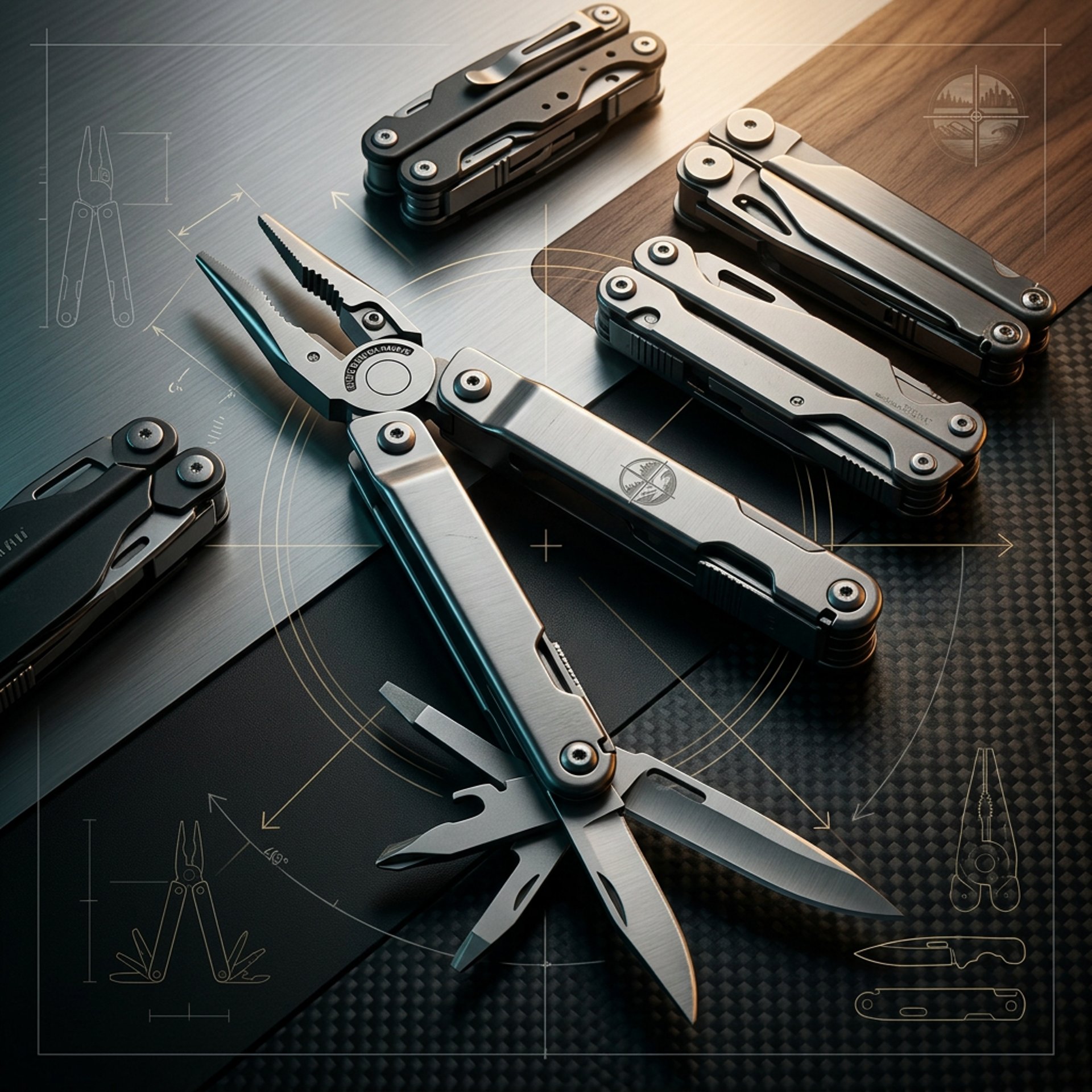
Are Multitools Worth It? A Comprehensive Look at Their Value
Explore the real value of multitools in everyday carry, highlighting their versatility, durability, comfort, and practical uses for daily tasks.
MULTI-TOOLS
The EDCBuzz Editorial Team - Led by AJ “Buzz” Eichman
4/18/20267 min read
When you first pull a multitool out of your pocket, there’s a certain sense of “wow, this thing can do everything,” especially when it’s part of a setup built around EDC Multi-Tools. But after carrying one around for a few weeks or months, the novelty wears off and a more honest picture emerges. Are multitools truly worth it for everyday carry? Or do they end up being a glorified paperweight that takes up pocket real estate better suited for something else?
Multitools promise versatility wrapped into a compact package, often combining pliers, knives, screwdrivers, scissors, and a few other handy gadgets into one device. But living with one day in, day out reveals what really counts: comfort, usability, durability, and fitting smoothly into daily routines, which is why understanding the basics in What Is an EDC Multitool helps frame expectations early.
This article breaks down those real-world insights to answer the question on many EDC enthusiasts’ minds: are multitools worth the space in your pocket?
Quick Verdict
Multitools excel at combining several common tools into a single, easily portable device, saving space and weight.
Long-term carry comfort depends heavily on design and size; what feels fine at first can become noticeable after hours in your pocket.
Build quality from quality materials like stainless steel makes a big difference in durability and corrosion resistance.
Multitools shine during small repairs, adjustments, and daily tasks but don’t replace dedicated specialty tools for heavy-duty work.
Choosing the right multitool comes down to matching your daily needs—tool selection and ergonomics matter as much as feature count.
What is a Multitool? Understanding the Basics
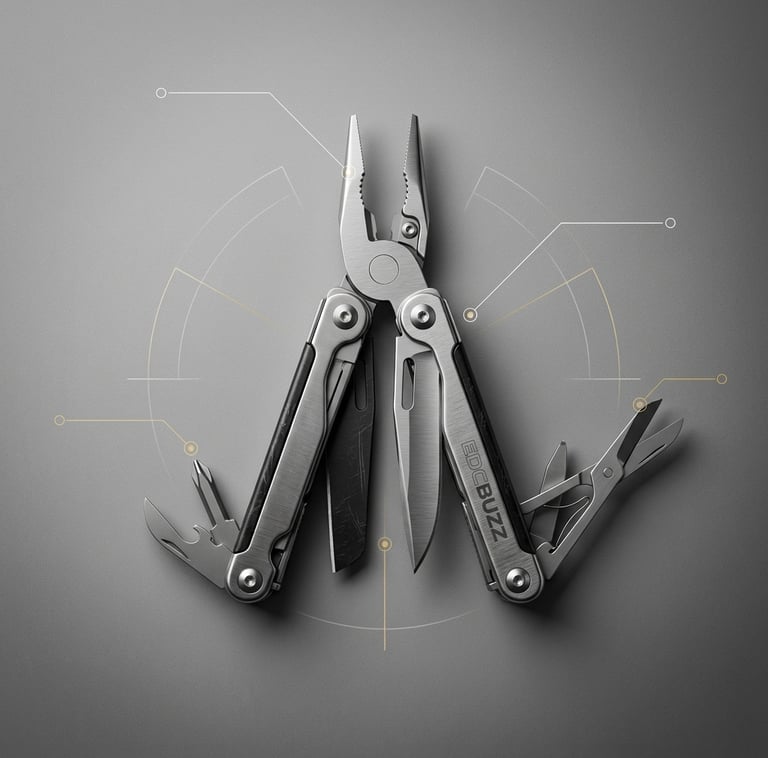
Simply put, a multitool is a compact folding device that bundles several functional tools into one chassis. Though designs vary, most multitools include handy essentials such as pliers, flathead and Phillips screwdrivers, a folding utility or knife blade, scissors, and sometimes bottle openers or files. Their aim is to cover a range of common tasks without forcing you to carry a small toolbox everywhere.
The appeal is obvious: rather than fumbling through a drawer, you’ve got a lightweight, pocketable unit with multiple functions instantly available. It’s the Swiss Army knife of tasks most folks bump into during their daily grind, whether it’s tightening a loose screw on glasses, opening packaging, or prepping a quick camp meal.
Common Tools Found in Multitools
After living with a few different models, the tool selection becomes a defining factor of their usefulness. Pliers are the foundational component—spring-loaded and locking designs make gripping easier and more precise, something explored deeper in Multitool Pliers Guide. Knives are usually a sharp utility blade geared toward general cutting rather than culinary finesse. Screwdrivers come next; having both flat and Phillips heads covers a wide variety of common screws.
A pair of small scissors often proves surprisingly handy, though they’re usually delicate and best for light tasks like paper or thread. Some multitools include specialty bits, files, can openers, or wire cutters, which can push versatility higher but occasionally at the expense of bulk or comfort.
Materials and Build Quality Explained
The better multitools are sturdily built, with stainless steel being the industry standard for durability and corrosion resistance, which becomes more noticeable when comparing higher-end builds like those in Best Multitool Under $150. Over time, cheaper alloys may show wear, corrosion spots, or loose pivots that degrade the smoothness of deployment. High-end models often feature precision machining, smoother opening mechanisms, and reliable locking systems that keep tools secure during use and pocket-safe afterward.
It’s worth noting the finish and construction impact comfort too. Sharp edges or rough machining on lower-quality tools can lead to pocket wear or irritate your skin if carried bare. After a couple of weeks carrying a quality multitool, it settles into a familiar weight and pocket presence. It doesn’t disappear entirely but becomes a background companion rather than a burden.
Everyday Use Cases Where Multitools Shine
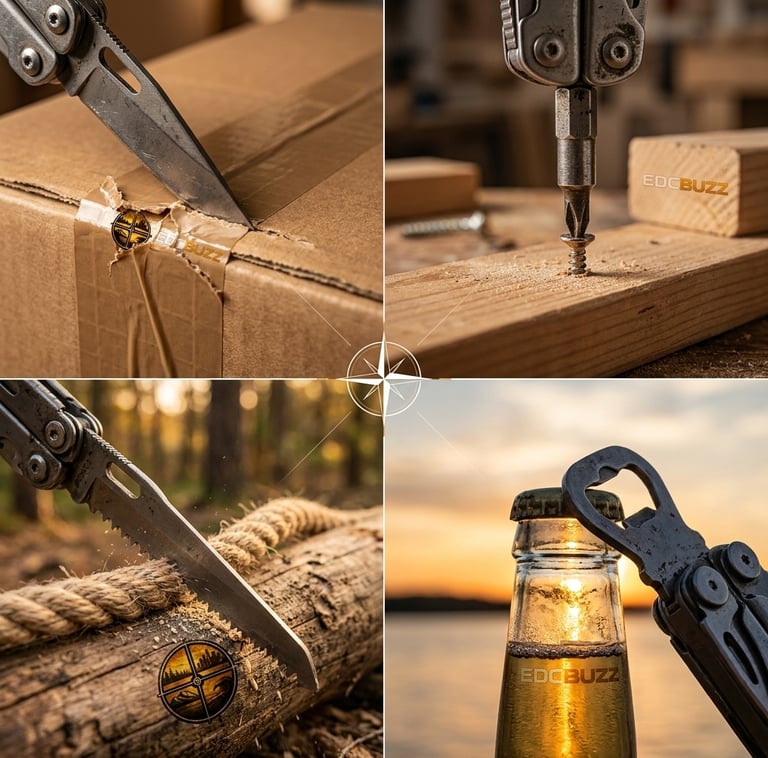
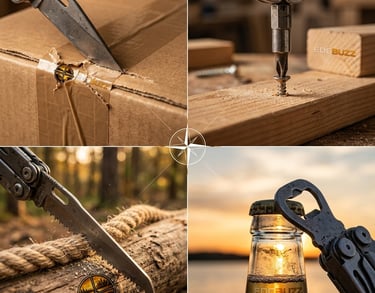
From the perspective of someone who actually carries and uses them, multitools find their sweet spot in small, simple jobs that pop up unpredictably. Need to open a stubborn package without hunting around for scissors? Multitool’s got you. Quick brake adjustment on your bike? The right screwdriver fits right in. Tightening a loose screw on a road tripod? Easy.
Outdoor users appreciate multitools too—they cut through fishing line, handle campsite chores, or open bottles after a long day. For general around-the-house tasks, they keep your tool drawer lighter and minimize scrambling for the right tool. The real value lies not in any one specialized tool but the confidence of always carrying a small, reliable set of fixes, especially when comparing practical everyday models in Best Multitool Under $100.
Limitations and When a Dedicated Tool is Better
Let’s be clear: multitools won’t outperform dedicated single-use tools when you push into heavy work or specialize. The small size of blades, springs on pliers, and the limits of folding designs put a ceiling on durability and effectiveness.
If you’re looking to do serious woodworking, automotive repairs, or precise jobsite tasks, a full toolbox or specialized single tools are still the better choice. Also, some multitools can be frustratingly thick or heavy, clashing with minimalistic EDC preferences, which becomes obvious when comparing different builds like Victorinox Handyman vs LEATHERMAN Skeletool RX.
How to Choose the Right Multitool for Your Needs
Picking a multitool isn’t about going for the one with the most gadgets jammed inside. It pays to think through your most frequent daily challenges and which tools address them, which is exactly what’s covered in How to Choose an EDC Multitool. If you open packages daily and tighten screws often, prioritize sharp blades and screwdriver options. Regular outdoor users might value sturdy pliers and bottle openers.
Size and weight matter considerably for comfort. Carrying something that weighs over 8 ounces might be fine for short stints, but after hours, it’s a noticeable presence. Ergonomics also affect hand fatigue—tools with better grips and smooth deployment save you those subtle aches after extended use.
Maintaining Your Multitool for Longevity
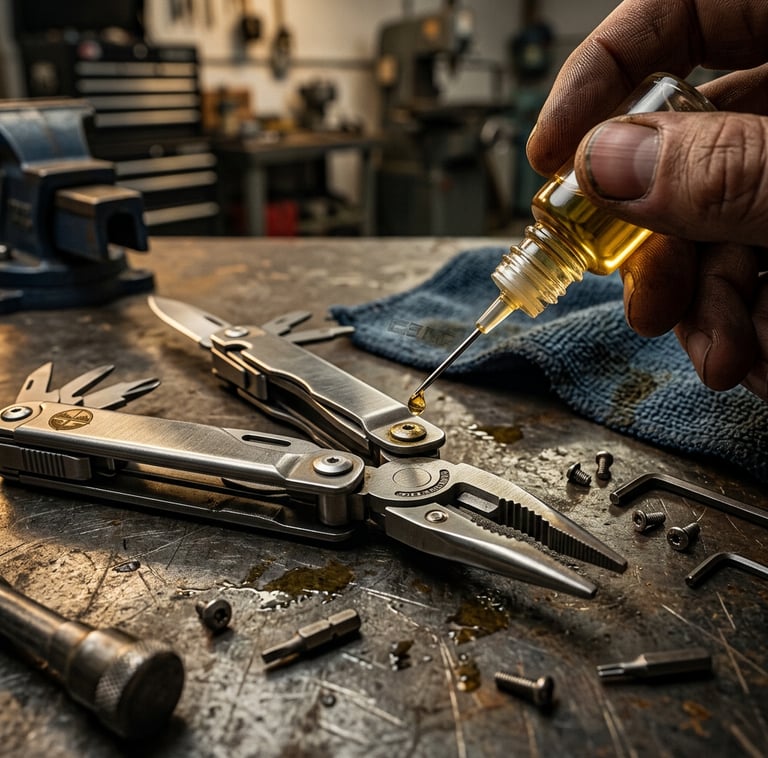
A multitool is only as good as its upkeep, and experience shows they thrive with simple maintenance. Regular cleaning to remove dust, lint, or grit keeps joints smooth. A drop or two of light oil on the pivots prevents stiffness and prolongs lock reliability, especially on more budget-friendly options like those found in Best Multitool Under $50.
Ignoring maintenance leads to squeaky, stiff tools that make daily use more frustrating. While most multitools are corrosion resistant, sweat and debris can still cause issues if left unchecked. Keep it clean, and it will reward you with years of dependable service.
Common Mistakes When Choosing or Using a Multitool
One of the biggest mistakes people make is assuming a single multitool will do it all, including heavy-duty or specialized tasks. They’re more about convenience than power.
Another pitfall is buying on price alone, which often means compromising build quality or tool selection. You might save a few bucks upfront but pay later in frustration or early replacement.
Skipping tool maintenance is also common—and a gradual decline in smooth operation or rust spots always follows.
Finally, many overlook size and weight relative to their typical carry setup. Just because a multitool fits a pocket doesn’t mean it’s comfortable for all-day carry. It’s worth testing before committing.
Frequently Asked Questions
What makes a multitool worth carrying daily?
It depends on reliable build, suitable tool selection, and comfort during long carry. A multitool worth carrying is one you reach for regularly because it matches your typical tasks, not one you carry just because it’s there.
How durable are multitools compared to dedicated single-function tools?
Generally, high-quality multitools offer good durability for common tasks but fall short of specialized tools designed for heavy-duty or professional use due to their compact and folding nature.
Which materials are best for multitool construction?
Stainless steel is the top choice for corrosion resistance and strength. Some multitools incorporate aluminum or titanium to reduce weight but generally at a higher price.
Can multitools replace a full toolkit for everyday tasks?
They can often substitute for simple daily fixes and minor repairs, but don't expect a multitool to fully replace a comprehensive toolbox for more involved or specialized projects.
What are the most common tools found in multitools?
Typically, pliers, knife blades, flathead and Phillips screwdrivers, scissors, and bottle openers make up the core set.
How do I maintain a multitool to ensure longevity?
Clean it regularly, remove dirt and debris, lubricate pivot points lightly, and dry after exposure to moisture. This keeps tools smooth and prevents corrosion.
Are there multitools designed specifically for outdoor use?
Yes, certain models prioritize rugged materials, enhanced gripping surfaces, and added outdoor-specific tools like saws and fire starters suited for camping and survival situations.
What should I look for when buying a multitool?
Focus on the right balance of essential tools for your routine, comfortable size and weight, solid construction with smooth deployment, and locking mechanisms for safety.
Final Verdict: Are Multitools Worth It?
Living with a multitool over weeks changes the conversation from “all-in-one miracle” to practical companion. When thoughtfully chosen, a multitool can reliably solve a wide variety of everyday tasks, all while saving you from the hassle of carrying a bulky toolbox or pocket full of random tools. They deliver convenience, versatility, and most importantly, confidence that you can tackle minor challenges anytime.
That said, don’t expect multitools to replace specialized tools for demanding projects, nor do all multitools carry equally well or feel great after a full day of wear. Comfort and maintenance are part of the equation. If you approach your multitool as a complement to your EDC arsenal rather than a catch-all, you’ll appreciate the quiet, steady utility it delivers.
In short, multitools are worth it, but only if you pick one that fits the way you actually live and work.

Contact@TheBuzzHQ.com
© 2026 EDCBuzz. All rights reserved.
EDCBuzz
Master everyday carry systems with clarity and precision. Built for real environments and practical use.
For educational purposes only.
General Inquiries: