
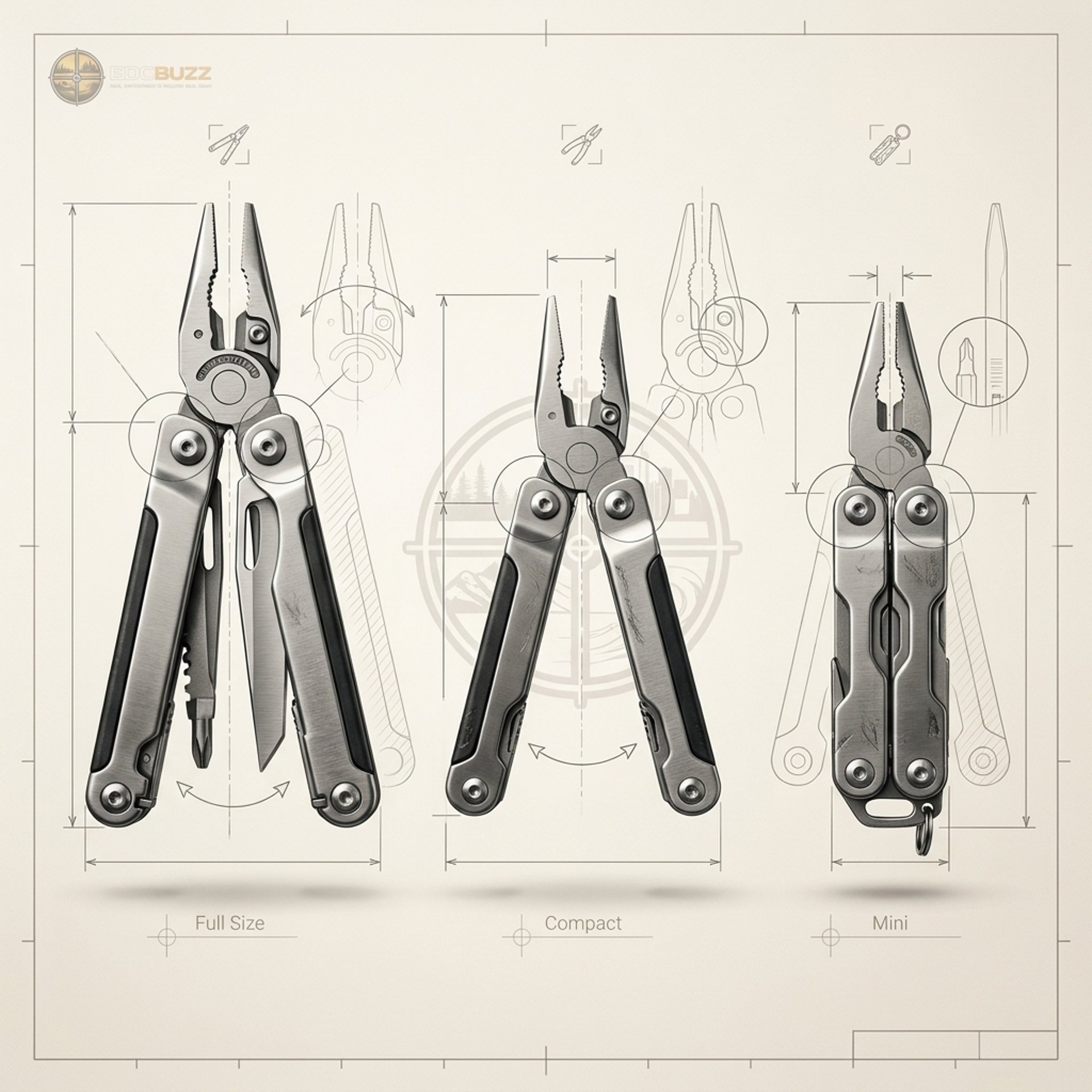
Cheap vs Premium Multitools: Which One Should You Choose?
Explore the key differences between cheap multitools and premium models to find the best fit for your daily carry needs and budget.
MULTI-TOOLS
The EDCBuzz Editorial Team - Led by AJ “Buzz” Eichman
4/18/20264 min read
Multitools are the Swiss Army knives of convenience—condensing pliers, screwdrivers, knives, and more into a compact package for daily carry. But when standing in front of a display or scrolling through endless online options, the big question hits: should you grab a cheap multitool or invest in a premium one?
If you’re still building out your setup, understanding where these fit within EDC Multi-Tools helps frame the decision much more clearly from the start.
Picking the right multitool isn't just about price tags or brand names; it’s about how the tool feels and performs when it’s been hanging out in your pocket through a long day, not just when it’s fresh out of the box.
Quick Verdict
Premium multitools generally deliver smoother usability and longer-lasting durability thanks to higher quality materials and craftsmanship.
Cheap multitools can make practical daily companions for light use and are kinder on your wallet, though they may show wear faster and lack refinement.
Usability factors like tool deployment, locking mechanisms, and ergonomics tend to heavily favor premium models.
Consider your primary needs, frequency of use, and budget—there are solid mid-tier options that strike a balance.
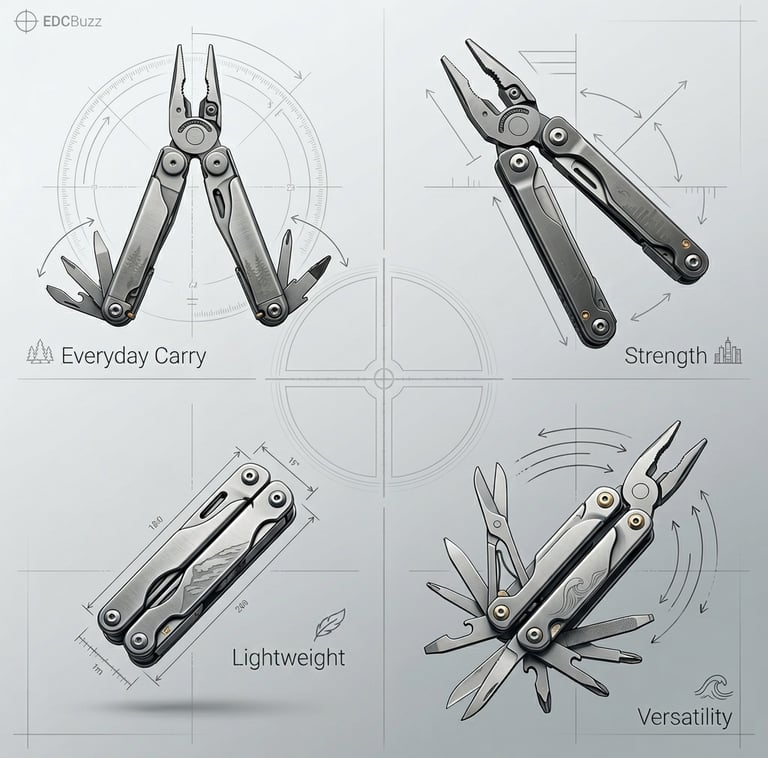
What Is a Multitool and How Does It Work?
At its core, a multitool combines several different tools—usually pliers, various blade profiles, screwdrivers, and more—into one pocket-sized device.
If you want a full breakdown of how these tools function together, What Is an EDC Multitool helps clarify the mechanics and structure behind everyday use.
Cheap models tend to use more basic metals and simpler mechanisms, while premium multitools often involve higher-end stainless steel alloys and tighter tolerances for smoother deployment.
Material and Build Quality Differences
One of the first things you notice over time is how the materials wear and hold up. A cheap multitool might look fine at first, but after regular use, joints loosen and edges dull faster.
These differences become even clearer when comparing how features perform in real-world use, which is exactly what gets broken down in Best Multitool Features Explained.
Premium models tend to resist wear better, maintain sharper edges longer, and feel more solid overall.
Feature Sets: What to Expect from Cheap vs Premium
Cheap multitools usually cover the basics, which is fine for light tasks. But tools can feel cramped, and deployment can be less refined.
Premium multitools often include more thoughtful tool selections, better ergonomics, and smoother one-handed operation.
For beginners trying to avoid overcomplicating things, looking at options like Best Multitool for Beginners can help narrow down practical feature sets without getting overwhelmed.
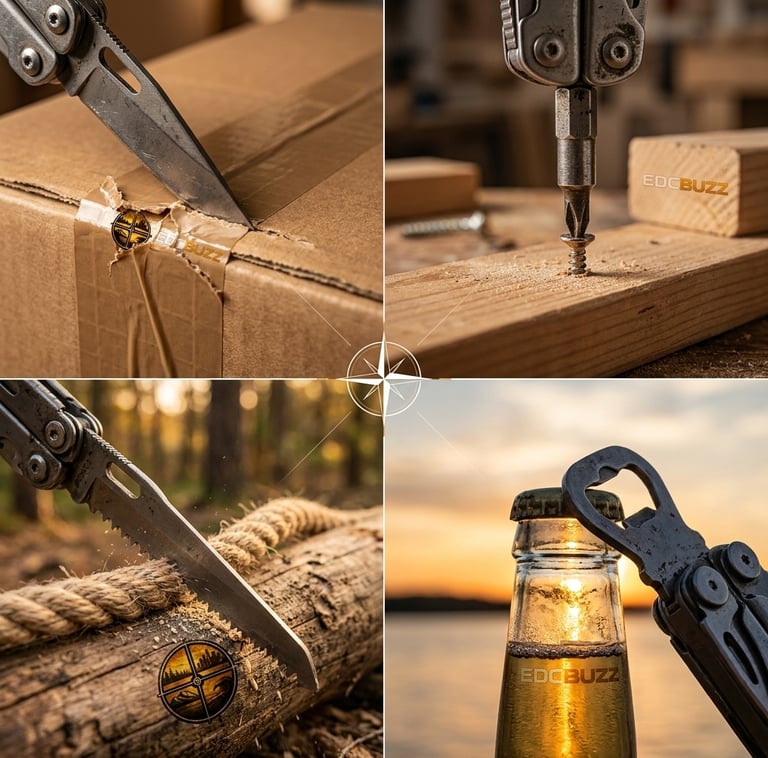
Usability: Ease of Carry and Tool Deployment
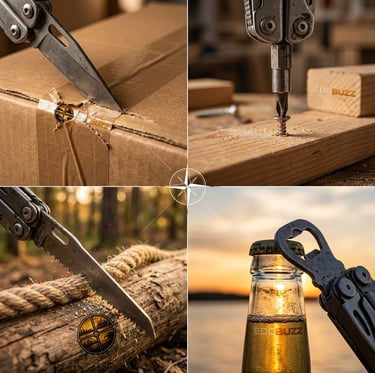
Pulling a multitool from your pocket multiple times a day highlights comfort differences quickly.
Premium multitools generally carry better and feel more balanced, while cheaper tools may feel bulkier or less refined over time.
If you’re comparing real-world carry comfort and performance across options, Best EDC Multitools is a good place to see how these differences show up in daily use.
Durability and Long-Term Performance
Durability shows up over repeated use, not just the first impression. Cheap multitools may loosen up or develop issues with heavy use, while premium options tend to maintain consistency longer.
This becomes especially obvious in direct comparisons, such as LEATHERMAN Wave+ vs Gerber Diesel, where long-term performance differences are easier to spot.
Premium tools require less frequent adjustment and deliver more consistent results over time.
Price vs Value: Finding the Best Multitool for Your Budget
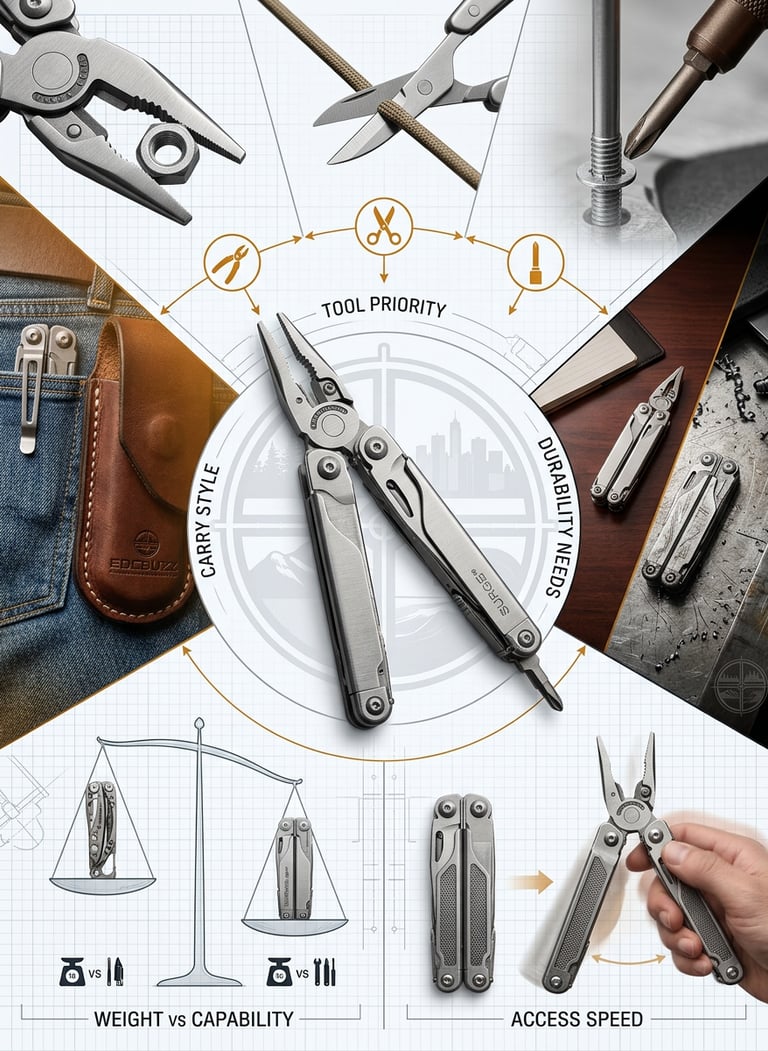
A cheap multitool is appealing for its price, especially for light or occasional use.
But if you’re planning on regular use, stepping into mid-range options like Best Multitool Under $100 often provides a much better balance between cost and durability.
Premium models tend to justify their price through longevity and improved usability.
Common Buyer Mistakes When Selecting a Multitool
One trap is assuming all cheap multitools are junk—some perform well for lighter use.
Another mistake is focusing too much on tool count instead of usability.
Ignoring ergonomics
Overlooking locking quality
Skipping maintenance
Choosing poor size/weight balance
These decisions tend to matter more than price alone.
Frequently Asked Questions
What are the main differences in materials between cheap and premium multitools?
Premium multitools use higher-grade stainless steel alloys, offering better durability and corrosion resistance.
How does usability differ?
Premium tools offer smoother deployment and better ergonomics, while cheaper tools may feel stiff or less refined.
Are premium multitools worth it?
For frequent use, yes. For occasional use, budget options can work fine.
Can cheap multitools handle outdoor tasks?
They can for light use, but may not hold up under repeated stress.
What should I prioritize?
Build quality, ease of use, and comfort in carry.
Do premium multitools have better warranties?
Typically yes, with stronger support and replacement options.
Are mid-tier multitools a good option?
Absolutely—they balance cost and quality well.
What features are missing on cheaper tools?
Often better locking systems, smoother deployment, and refined tool edges.
Conclusion: Which Type Should You Choose Based on Your Needs?
Cheap multitools offer a cost-effective option for casual users needing basic functionality. They work well for lighter tasks and can be a solid entry point.
Premium multitools stand out over time with better materials, smoother performance, and improved ergonomics.
For most people, the right choice comes down to how often you’ll use the tool and what you expect from it. Mid-tier options often strike the best balance, and the right multitool is ultimately the one that fits your routine and gets used consistently.

Contact@TheBuzzHQ.com
© 2026 EDCBuzz. All rights reserved.
EDCBuzz
Master everyday carry systems with clarity and precision. Built for real environments and practical use.
For educational purposes only.
General Inquiries: