
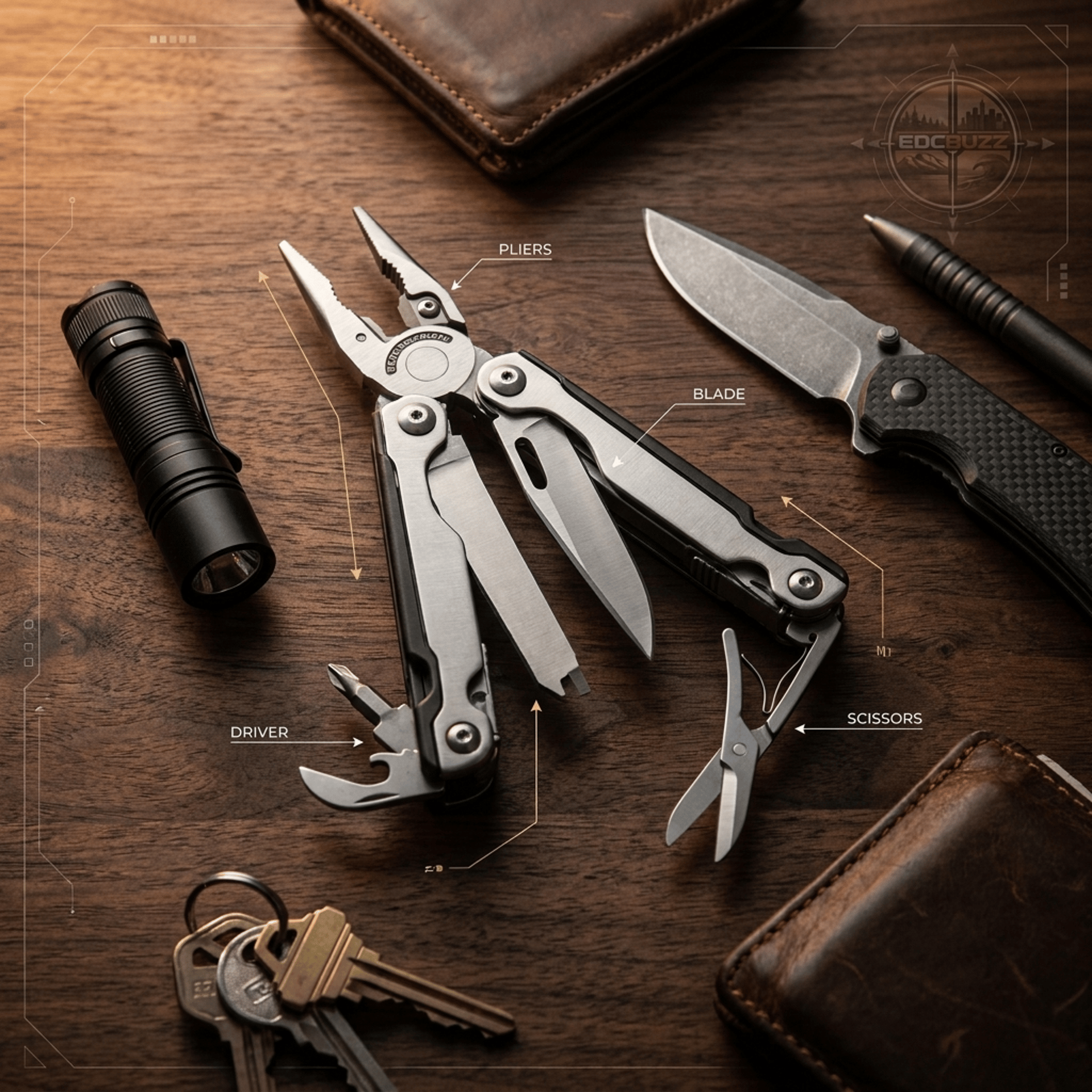
Types of Multitools Explained: Find the Right One for Your Needs
Explore different types of multitools and discover which one fits your everyday carry needs, focusing on features, durability, and practicality.
MULTI-TOOLS
The EDCBuzz Editorial Team - Led by AJ “Buzz” Eichman
4/18/20268 min read
If you’ve ever been caught tightening a loose screw, opening a stubborn package, or cutting a stray thread only to realize your pockets are shamefully empty, a multitool might just be the everyday carry hero you didn’t know you needed, especially when building around something like EDC Multi-Tools. Multitools come in a variety of shapes and sizes, each tailored for different lifestyles and tasks, but they all share one thing: versatility tucked neatly in your pocket. After living with several types, I’ve noticed that understanding the different multitool varieties goes beyond just the number of tools included—it’s about how they wear after days, weeks, and sometimes months of use.
Quick Verdict
Plier-based multitools provide the most tool variety and durability, making them go-to for those who want one device to handle a broad range of tasks.
Keychain multitools focus on light, quick access tools and offer unmatched portability but at the expense of functionality.
Pen-style multitools blend practical writing with basic tools, perfect for urban settings or office dwellers who want subtle utility.
Modular multitools appeal to those who want customization but can add complexity and may sacrifice ease of use.
What Is a Multitool? Basic Definition and History
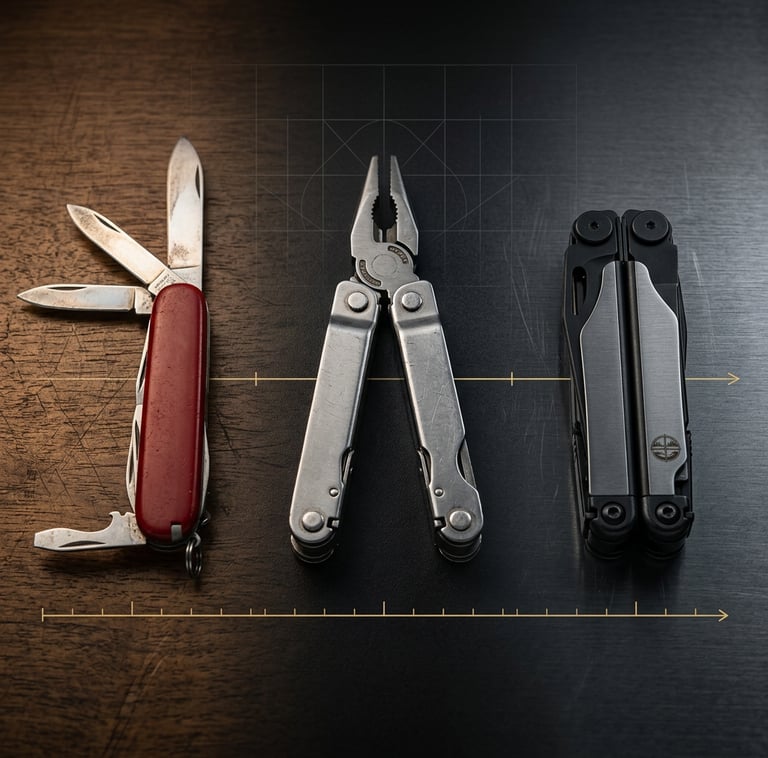
At its core, a multitool is a compact device designed to pack multiple functions—knives, pliers, screwdrivers, scissors, and more—into one convenient carry piece, which is covered more broadly in What Is an EDC Multitool. It’s the Swiss Army Knife’s distant cousin, built for modern tasks and everyday scenarios. Over the years, multitools evolved from bulky novelty gadgets into refined everyday carry essentials. Their durability and practicality make them popular for anyone who prefers to solve small problems on the fly without fishing out a whole toolbox or a drawer full of mismatched tools.
Types of Multitools: Plier-Based, Keychain, Pen-Style, Modular
Not all multitools are created equal, and the way they handle after everyday use reflects their design intentions.
Plier-Based Multitools
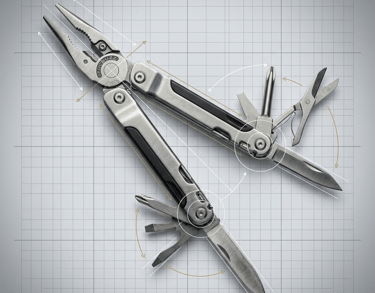
These are the workhorses that most people picture when they think multitool—pliers at the center, folding out into blades, screwdrivers, bottle openers, and more. After a few weeks of carrying and using one, the build quality and tool accessibility become clear, especially when comparing strong options in Best EDC Multitools. The pliers are the star: durable, grippy, and often locking, they allow for confident handling on tougher tasks like gripping, twisting, or cutting wires.
Tool deployment varies, but those with thumb studs or easy nail nicks stand out for usability. The size definitely shows in your pocket at first, but it settles in reasonably well, though heavier models remind you of their presence after a long day of sitting. The grip usually holds up well without inducing fatigue, thanks to ergonomic handles—something you definitely notice once you’ve used cheaper alternatives that demand a death grip.
Keychain Multitools
If minimalism is your style, these tiny gems might catch your eye. Keychain multitools generally strip down to a few essentials—small blades, bottle openers, a flathead screwdriver—that clip or attach alongside your keys, similar to what you’ll find in Best Keychain Multitools. They’re often made from stainless steel to survive daily abuse, but their tool selection is intentionally limited.
After carrying one for a month, the biggest selling points are their weight (or lack thereof) and convenience. You might not finish an entire project with one, but for small bursts of use like opening boxes or tightening a loose screw, they get the job done with little fuss. The drawback is that tool size often compromises comfort and leverage; extended use quickly reveals finger fatigue and limited torque.
Pen-Style Multitools
Combining classic writing functionality with discreet tools like a small knife, screwdriver, or stylus, pen-style multitools suit office or urban carry perfectly. They’re light, slim, and rarely draw attention, which means carrying them feels almost effortless.
After using a pen-style multitool regularly, the pen often becomes the main star, while the tool features serve as well-timed extras. The small screwdriver or blade is handy but demands delicate handling due to size constraints. One useful detail is the balanced weight distribution—it feels natural in hand for writing, with the added bonus of a tool on standby. If you want heavy-duty use though, this isn’t the multitool for you.
Modular Multitools
This category is for users who like options and customization. Modular multitools let you swap out or add modules and accessories depending on what you need, from extra blades to specialty bits and sometimes even electronics.
From experience, modularity offers great theoretical versatility, but it tends to introduce complexity in everyday handling. Some modules fit loosely, and frequent changing of parts can lead to wear—and with that, parts might rattle or come loose in your pocket. The key benefit is personalization, but if you prioritize straightforward carry, this might not be your best friend. There’s also a slight learning curve in managing the modules versus using a fixed, all-in-one design.
Key Features to Consider When Choosing a Multitool
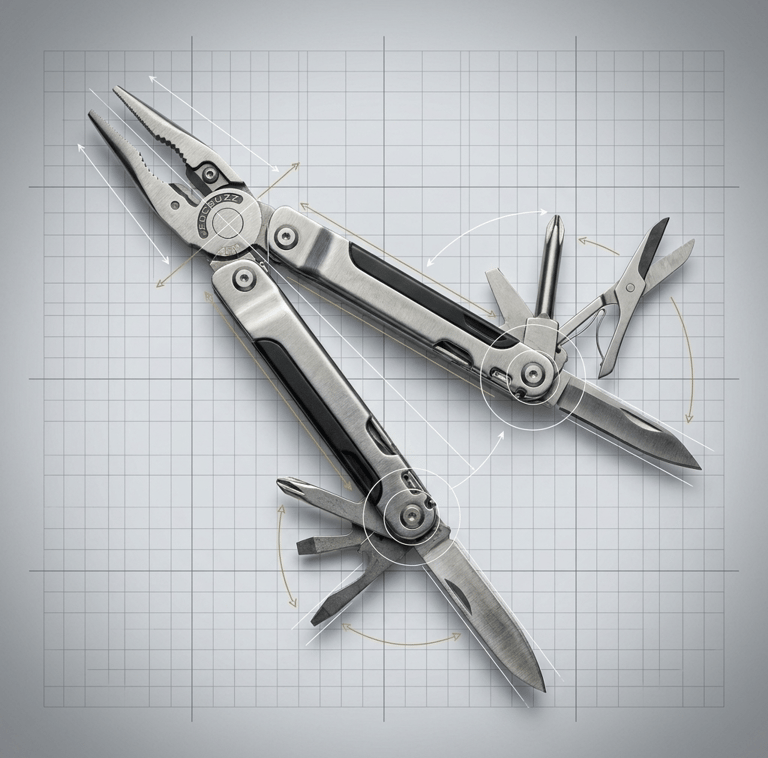
After putting multitools through their paces, several aspects stand out as crucial in everyday use.
Tool Variety and Accessibility
More isn’t always better, especially if you rarely use most tools. It’s better to have a concise set of well-designed features than to lug around a brick full of rarely needed attachments. It pays off to consider your daily tasks first—do you need pliers most days? Are you regularly opening packages or tightening screws? Pick according to what you know you'll actually use, which ties directly into How to Choose an EDC Multitool.
Size and Weight
There’s a noticeable trade-off between tool variety and pocket comfort. Larger multitools with plenty of functions often weigh more and have bulk that becomes apparent during long days of carry. Smaller ones hide well but come with limited functions. If your pocket is already feeling overcrowded, a lighter keychain or pen-style multitool might work better.
Build Quality and Materials
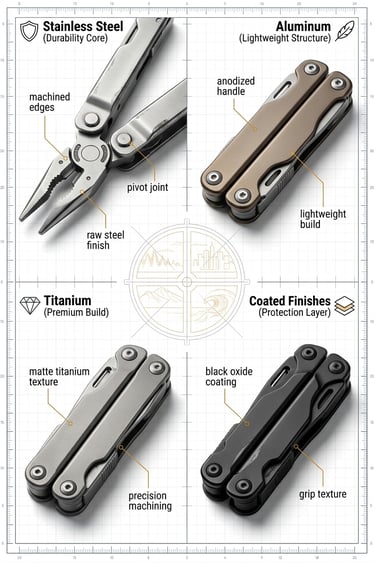
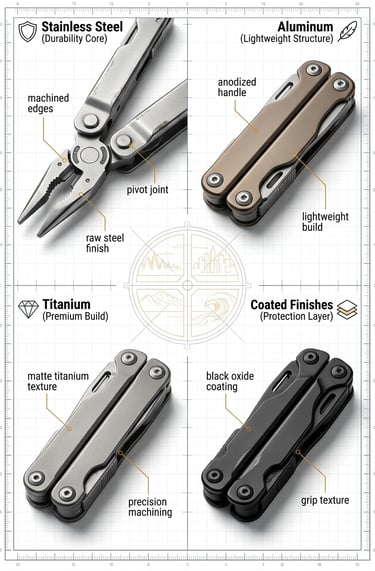
Stainless steel dominates for a reason: it’s corrosion resistant, strong, and keeps its edge well with minimal maintenance. Some premium options use titanium to shave weight without losing strength, which is noticeable after carrying for hours. Loose joints or cheap coatings become obvious irritants within days, so investing in solid materials pays dividends, especially when comparing long-term value in Best Multitool Under $100.
Ergonomics and Grip
Comfort counts. A multitool that’s clunky or causes hand fatigue won’t be your quick fix buddy for long. Handles shaped to relieve pressure points and smooth tool deployment mechanisms contribute to a more pleasant experience. Subtle things like rounded edges or textured grips can make repeated use less of a chore.
Locking Mechanisms and Safety
Tools that lock in place inspire confidence during use and prevent accidental closures, something that becomes much clearer when comparing designs in Locking vs Non-Locking Multitools. Most multitools use blade or tool locks, but designs vary widely. A multitool that feels fiddly or demands two hands to open loses points for quick practicality.
Materials and Build Quality Differences
Over time, you notice how materials impact the tool’s feel and durability. Stainless steel multitools tend to gather minor scuffs and scratches but resist corrosion and stay sturdy. Titanium multitools feel lighter but sometimes at the cost of a slightly more flexible frame, which may concern users who need rock-solid rigidity.
Other materials like aluminum handles lower weight but can dent or wear noticeably over time. Plastic or composite components might save weight or cost but often don’t sit well for regular, heavy use.
Common Uses and Practical Scenarios for Each Type
You’ll carry one multitool or another depending on your environment and needs. Plier-based multitools excel outdoors or DIY projects where you need a variety of tools robust enough for tougher tasks without guiltily second-guessing your grip strength.
Keychain multitools shine in the urban jungle or casual daily commute where you just need a quick fix for a package or a minor screwdriver adjustment. Pen-style multitools marry function with subtlety, great for meetings or offices where bulky tools would feel out of place.
Modular multitools cater to enthusiasts who want to tinker and customize but might sacrifice the straightforward usability you want for fast, routine tasks, which becomes more apparent when comparing real-world builds like Gerber Gear Truss vs SOG PowerLock.
How to Maintain and Care for Your Multitool
A multitool is like a pet: it needs some attention to keep performing reliably. Regular cleaning prevents grit build-up that interferes with tool folding and deployment. Sharpen blades as needed to keep edges effective and safe. Lubricate joints lightly to preserve smooth mechanical action, but avoid over-oiling or using sticky lubricants that attract dirt.
Regularly inspect your multitool for loose screws or worn components. Addressing these issues early keeps the tool safe and extends its life much longer than the quick “drop it in the toolbox and forget it” approach.
Common Mistakes When Selecting a Multitool
The number one misstep is buying multitools for flash or brand reputation without considering daily tasks and actual tool use. A flashy multitool that weighs a ton or includes shiny but never-used attachments quickly becomes pocket dead weight.
Overloading with tools you rarely need also adds unnecessary bulk and complexity. Sometimes less really is more, especially if it means easier deployment and comfortable carry.
Ignoring ergonomics is another common error—no matter how many tools it has, if it’s uncomfortable or complicated to open, it won’t see much use. Finally, neglecting maintenance can prematurely degrade even the best multitool.
FAQs
What are the main types of multitools available on the market?
Common types include plier-based multitools, keychain-sized tools, pen-style multitools, and modular systems designed for customization.
How do I choose the right multitool for everyday carry?
Start by identifying your daily needs—tools you regularly use—then balance tool variety with size and comfort in your pocket.
Which multitool offers the best balance between size and functionality?
Plier-based multitools usually strike this balance well, providing essential tools in a manageable size, though preferences vary.
Are there any multitools designed specifically for outdoor vs urban use?
Plier-based multitools are suited for outdoor and rugged tasks, while keychain and pen-style tools tend to cater better to urban or office environments.
What materials are best for durable multitools?
Primarily stainless steel for strength and corrosion resistance, with titanium as a premium lightweight alternative.
Can a multitool replace separate tools in a typical EDC setup?
To an extent, yes—but multitools excel at convenience for light to moderate tasks, not heavy-duty replacements.
How do I maintain and care for my multitool?
Keep it clean, sharpen blades when dull, lubricate joints, and check for loose parts regularly.
Are there multitools suited for beginners or those new to EDC gear?
Simple keychain or plier-based multitools with fewer tools and straightforward designs are better starting points.
Conclusion
Choosing the right multitool comes down to knowing how you intend to use it and what feels right after a few days—or several weeks—of carrying it in your pocket. The plier-based multitools earn their keep with versatility and durability but demand a bit more pocket real estate. Keychain and pen-style options offer portability and subtlety but with smaller toolkits and less mechanical leverage.
Pay attention to the small things: how the tool feels in hand, how easy it is to deploy tools, and whether it slips stealthily into your daily routine without demanding extra effort. And remember, a multitool that looks great but ends up in the drawer isn’t much different from the one you forgot you were carrying until you sat down. Gear that quietly becomes part of your everyday life—that’s the multitool that’s earned its place.
Choosing the right multitool isn’t about ticking all the boxes on paper; it’s about living with it, learning its quirks, and appreciating the small victories that come from solving everyday problems efficiently.

Contact@TheBuzzHQ.com
© 2026 EDCBuzz. All rights reserved.
EDCBuzz
Master everyday carry systems with clarity and precision. Built for real environments and practical use.
For educational purposes only.
General Inquiries: